


Cobalt Nitrate Safety Handling Guide
Industrial workers in the pharmacy, manufacturing, and electroplating fields need to know the right safety procedures for handling Cobalt Nitrate hexahydrate (CAS 10026-22-9). This complete guide talks about important safety measures, storage needs, and legal requirements that are needed to keep the workplace safe. Whether you're a purchasing manager looking at sources or a technical engineer putting safety rules into action, knowing these basics will keep your employees safe and your facility running smoothly.
Understanding Cobalt Nitrate: Chemical Properties and Safety Risks
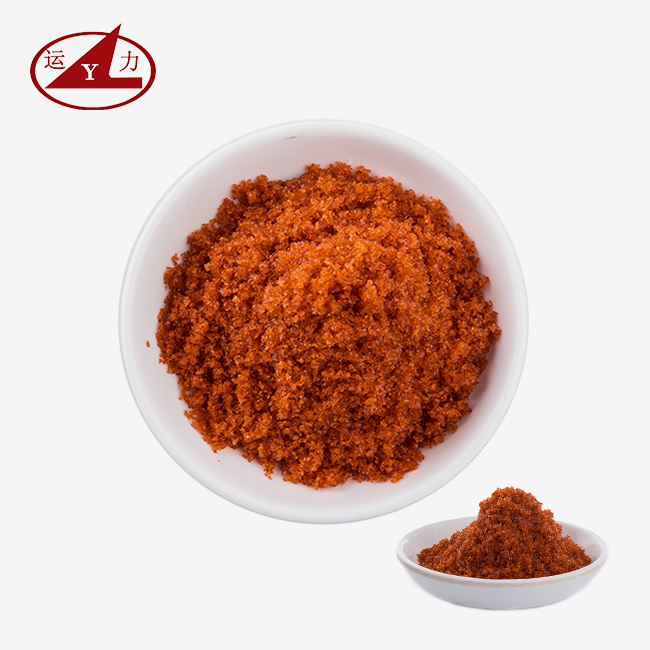
The molecular formula for cobalt nitrate hexahydrate is Co(NO₃)₂·6H₂O, and its molecular weight is 291.03. It looks like unique red-brown crystals or grains. This hygroscopic compound easily draws water from the air, so it needs to be stored in a controlled setting to keep its integrity. The substance dissolves very easily in water, ethanol, and acetone, which makes it useful for many commercial uses but also means it needs to be handled carefully.
A relatively low freezing point of 55–56°C and a specific density of 1.88 are two properties of the chemical that affect both how it is processed and how safe it is. These physical qualities have a direct effect on how the material acts while it is being moved, stored, and made, so it is important to fully understand them for safe operations.
The fact that cobalt nitrate hexahydrate oxidizes makes it very dangerous to handle near things that can catch fire. Organic chemicals can cause rapid reactions, like fires or breakdown that goes off in an explosion. Industrial sites need to have strict segregation rules so that materials that don't mix won't be mixed by mistake.
Because the substance oxidizes, controlling the temperature becomes even more important. High temperatures can speed up the breakdown process, which could lead to the release of harmful nitrogen oxide fumes. The right air systems and temperature tracking tools can help lower these risks and keep the workplace safe for everyone.
Direct exposure to cobalt nitrate is very bad for your health. It can happen through breathing it in, touching it on your skin, or accidentally eating it. Exposure through the lungs can cause serious irritation and possibly long-term health problems, while touch with the skin can cause sensitization reactions and chemical burns. By understanding these exposure routes, we can come up with complete safety plans.
Material Safety Data Sheets give a lot of specific toxicological information that is needed to figure out how to handle an emergency and rate the risk. Regular health tracking programs help find early signs of exposure, and good medical care makes sure that people who need treatment get it quickly. These proactive steps protect the health of workers and make sure that rules are followed in all areas.
Best Practices for Safe Handling and Storage of Cobalt Nitrate
For the best storage conditions, you need to keep the temperature and humidity under control to stop damage and lower safety risks. Temperatures should stay below 25°C in storage places to keep the hygroscopic material from absorbing water, which could damage the quality of the product and make it hard to handle.
High-density polyethylene, stainless steel, and certain chemical-resistant plastics that stop rusting and pollution are all good choices for containers. Glass cases are good for lab amounts, but they need extra support to keep them from breaking. The acidic cobalt nitrate solutions must not rust the metal containers that hold them.
According to separating guidelines, flammable materials, reducing agents, and alkaline substances must be kept physically separate. Separated storage places with the right fire suppression systems offer extra safety against unintended responses. Clear labels and methods for keeping track of goods can help stop dangerous mixing from happening.
Comprehensive PPE practices are the basis of safe ways to handle cobalt nitrate. Chemical-resistant gloves, safety goggles with side shields, and respiratory protection that fits the amount and length of contact are all important pieces of safety gear.
Wearing clothes that are resistant to chemicals keeps your skin safe from touch and contamination. When it comes to safety, nitrile or neoprene gloves are better than rubber gloves. Full-face respirators are also better for bulk handling tasks. Regular check and repair plans for tools make sure that security continues to work.
Safety baths and eyewash spots for emergencies must always be close to where people work. These emergency centers have the quick cleaning tools that are needed to keep injuries from getting worse after they happen. Regular upkeep and tests make sure that the system will work well when it's needed.
Immediate control measures stop the spill from spreading and lessen its effect on the environment. Chemical spill absorbent materials work well to limit liquid leaks while keeping workers as safe as possible. Neutralizing products should only be used by trained professionals who follow set rules.
As part of decontamination processes, chemicals and neutralizing solutions must be used to clean in a planned way. Before they can be used again, contaminated surfaces and tools need to be cleaned very well. Keeping records of spills helps make safety measures better all the time.
The right way to get rid of trash follows local rules about toxic waste and protecting the environment. Licensed garbage removal companies make sure that contaminated materials are treated and thrown away in the right way. Strategies for minimizing waste lower the cost of removal while also helping to reach goals for environmental sustainability.
Comparing Cobalt Nitrate with Similar Compounds: Safety and Application Insights
When it comes to toxicity, cobalt nitrate is different from similar cobalt substances like cobalt sulfate and cobalt chloride. All cobalt compounds need to be handled with care, but the nitrate form is especially dangerous because it can oxidize. This is not the case with the sulfate or chloride forms. This difference has a big effect on how to store the material and how well it works with other materials.
The hexahydrate form is less harmful than the dry forms in the short term because it has fewer active cobalt ions. But when nitrate ions are present, they add oxidizing qualities that make safety issues special. Knowing the difference between these types of products helps sourcing managers choose the right ones for each job.
Different cobalt compounds are regulated in different ways, which affects marking rules, shipping rules, and exposure limits at work. The Global Harmonized System sets uniform standards for classifying things, but local laws may add more limits on how they can be used and handled.
When cobalt nitrate hexahydrate is used in different business settings, the risks are different. When electroplating, the conditions are usually controlled and safety rules are followed. But when preparing a catalyst, it may need higher purity grades and tighter handling rules.
Pharmaceutical uses need purity levels above 99.5%, which means that quality control and contamination protection steps need to be stepped up. These strict requirements affect both how suppliers are chosen and how things are handled internally.
When making ceramics and glass, high temperatures are often used, which can speed up the breakdown process. In these places, special ventilation devices and weather tracking are very important for safety.
Ultra-high purity types with less than 30ppm iron content help sensitive production processes work while lowering the risk of contamination. These premium types cost more, but they make the process more reliable and raise safety worries less. A cost-benefit study can help you figure out what the best purity levels are for your needs.
Standard business grades keep safety standards that are good enough for less demanding uses without breaking the bank. Quality assurance programs make sure that products work the same way at all levels of clarity. Regular tests and supplier certification make sure that standards are still being met.
Custom formulas make it possible to improve both safety and efficiency for specific uses. Adjustable pH values between 3.0 and 5.0 meet the needs of a wide range of processes while keeping materials stable. Most of the time, these custom options are a better deal than standard goods.
Procurement Considerations: Sourcing Safe and Certified Cobalt Nitrate
Suppliers with a good reputation keep full quality management systems that include ISO 9001 approval, environmental management compliance, and health and safety at work standards. With these certificates, you can be sure that the quality of the products will always be the same and that they will meet international safety standards. Supplier audits check that quality systems are actually being used, not just that they are certified.
Certificates of Analysis, Material Safety Data Sheets, and letters of agreement with regulations should all be included in documentation packages. Full documentation is needed for proper risk assessment and meeting government filing standards. Suppliers who offer expert support and help with application provide more value than just supplying products.
Long-term supply agreements benefit from a stability review of the provider, which looks at things like their financial health, production capacity, and back-up supply plans. Reliable suppliers keep the standard of the product constant and reduce the number of problems in the supply chain. When supply is limited, partnerships often lead to better price and assignment of priorities.
Cobalt nitrate items must be shipped in accordance with IATA and IMDG rules for dangerous goods. The right labeling, packing, and paperwork make sure that the goods are transported safely and in line with regulations. Experienced providers take care of these needs without any problems, which makes it easier for buying organizations to do their work.
The rules for packaging have to find a balance between the need to protect things and the ease of handling and cost concerns. Standard packaging includes packages that can't get wet and are labeled and have ways to communicate hazards. Custom wrapping meets the unique needs of each customer while still meeting safety standards.
Scheduling deliveries takes into account how much space is available in storage and how quickly items are sold. Just-in-time delivery cuts down on storing costs and stocking risks on-site, while bulk orders are better for businesses that buy a lot of goods. Different operating needs can be met by delivery choices that are flexible.
With free trial apps, you can get a good idea of the quality and compatibility of a product before you buy a lot of it. Sample amounts of up to 500 grams allow for thorough testing while keeping costs low. Quick return on samples speeds up the decision-making process for buying.
Purity levels, impurity profiles, and physical properties should all be checked against set standards during quality control tests. Analysis by a separate lab gives independent confirmation of what the seller says. Continuous quality control makes sure that all supply relationships stay in line.
Technical support services help improve the performance of a product and fix problems with an application. Suppliers with a lot of experience can help with application advice, process improvement, and fixing problems. These services that add value improve relationships with suppliers and make operations run more smoothly.
Regulatory Compliance and Industry Standards for Cobalt Nitrate Safety
In the United States, OSHA rules set limits on cobalt chemicals that can be used at work and make sure that workers are safe. To protect workers' health, the current exposure levels need to be accompanied by monitoring and control methods. Regular compliance checks make sure that rules are being followed and look for ways to make things better.
In order to be registered for REACH in European markets, chemicals must be subject to full safety reviews and recording of possible exposure scenarios. Suppliers must give detailed safety information so that users can follow it. These standards affect how suppliers are chosen and what kind of product paperwork is needed.
GHS classification guidelines make it possible for different areas to have the same rules for communicating hazards. Labels, safety data sheets, and training programs that are done right make sure that hazards are always communicated. Regular updates are needed to keep up with changing science and legal requirements.
SOPs cover every part of treating cobalt nitrate, from getting it to throwing it away. Normal operations, responding to emergencies, and upkeep should all be covered in procedures. Reviewing processes on a regular basis makes sure they keep up with changes in regulations and improvements to how things work.
Training programs make sure that employees know and can follow the rules for safety. Competency tests make sure that training is working and show where more learning is needed. Regular repeat training keeps people aware of safety issues and covers new procedures.
Possible exposure accidents, spills, and fire scenarios are covered in emergency action plans. Working with the local emergency services makes sure that the right outside help is available when it's needed. Regular drills check how well procedures work and find ways to make them better.
Exposure tracking records keep track of the situations at work and make sure that regulations are being followed. These records help with government reporting needs and give information to health surveillance systems. Keeping records for the right amount of time is required by law and helps protect you from harm.
Documentation of training shows that training standards were met and helps with employee growth programs. Individual training records keep track of who has completed the training and what additional training is needed. Centralized training management tools make it easier to make sure that rules are followed.
Procedures for reporting incidents make sure that legal authorities are notified quickly when they need to be. A thorough study of an incident finds the root causes and ways to stop them from happening again. Learning from accidents makes safety measures better and stops them from happening again.
Conclusion
To handle Cobalt Nitrate safely, you need to know a lot about its chemical features, store it in the right way, and follow all the rules set by the government. Industrial professionals must put in place strong safety measures, such as the right PPE, environmental controls, and emergency action plans, to keep workers safe and in line with the law. To make sure you can always get safe, approved products that meet strict industry standards, good procurement strategies put a lot of emphasis on qualifying suppliers, making sure quality is high, and building long-term partnerships.
FAQ
Q1: What are the primary health risks associated with Cobalt Nitrate exposure?
A: Cobalt Nitrate can be very bad for your health if you breathe it in, touch it on your skin, or accidentally eat it. Respiratory exposure can irritate the lungs badly, cause allergy reactions, and even damage the lungs if it lasts for a long time. Chemical burns, rashes, and sensitization responses can happen if they come in contact with the skin. These health problems can be avoided with the right PPE, such as respirators, chemical-resistant hands, and protective clothes.
Q2: How should Cobalt Nitrate be stored to maintain safety and product quality?
A: To keep it from absorbing moisture, Cobalt Nitrate needs to be stored in dry, cool places that are below 25°C and have managed humidity. High-density plastic, stainless steel, or special chemical-resistant materials can be used as containers that are compatible. To keep dangerous reactions from happening, storage areas must keep flammable materials, reducing agents, and alkaline substances well away from each other. Fire suppression devices and good airflow also help keep people safe.
Q3: What emergency procedures should be implemented for Cobalt Nitrate spills?
A: As soon as there is a spill, people who aren't needed should be evacuated, the area should be ventilated, and the spill should be contained using chemical-specific absorbent materials. Before going near the spill spot, people must wear the right PPE. Neutralization should only be done by trained professionals who follow set procedures. Local rules say that approved hazardous garbage contractors are the only ones who can get rid of contaminated materials.
Partner with Yunli Chemical for Premium Cobalt Nitrate Supply
Yunli Chemical is a reliable source for Cobalt Nitrate. They offer ultra-pure hexahydrate with ≤30ppm iron content and pH levels that can be changed to meet the needs of demanding industrial uses. Our ISO certificates, 20+ years of experience making things, and local technology center make sure that quality is always met and that we follow all the rules. We offer complete solutions, such as free samples up to 500 grams, different types of custom packing, and expert support for uses in electroplating, pharmaceuticals, and catalysts. Get in touch with our team at wangjuan202301@outlook.com to talk about your unique needs and see how committed we are to safety, quality, and on-time delivery.
References
1. American Conference of Governmental Industrial Hygienists. "Threshold Limit Values for Chemical Substances and Physical Agents & Biological Exposure Indices." ACGIH Publications, 2023.
2. European Chemicals Agency. "Guidance on Information Requirements and Chemical Safety Assessment: Chapter R.14 Occupational Exposure Assessment." ECHA Publications, 2022.
3. National Institute for Occupational Safety and Health. "Criteria for a Recommended Standard: Occupational Exposure to Cobalt." DHHS Publication No. 2021-106, Cincinnati, OH, 2021.
4. International Labour Organization. "Safety and Health in the Use of Chemicals at Work: A Training Manual." ILO Publications, 2022.
5. Occupational Safety and Health Administration. "Hazard Communication Standard: Safety Data Sheets." OSHA Publication 3514-04R, Washington, DC, 2023.
6. United Nations Economic Commission for Europe. "Globally Harmonized System of Classification and Labelling of Chemicals (GHS)." UN Publications, 8th Revised Edition, 2021.