


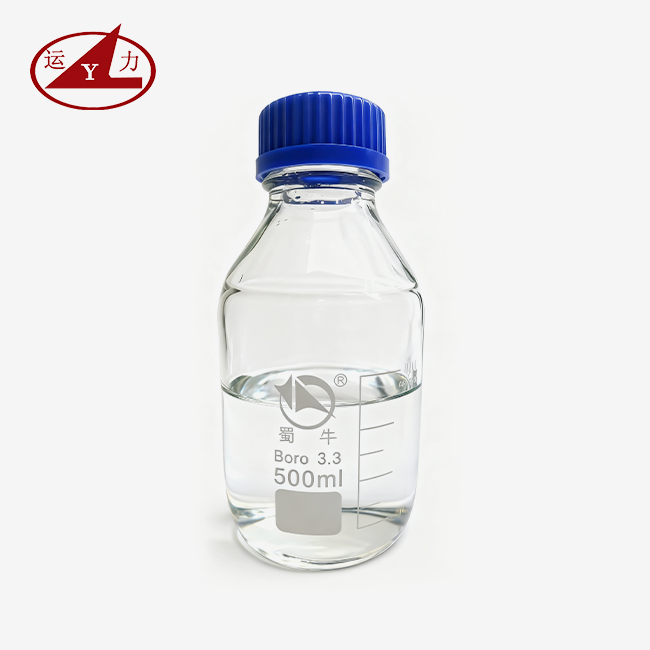
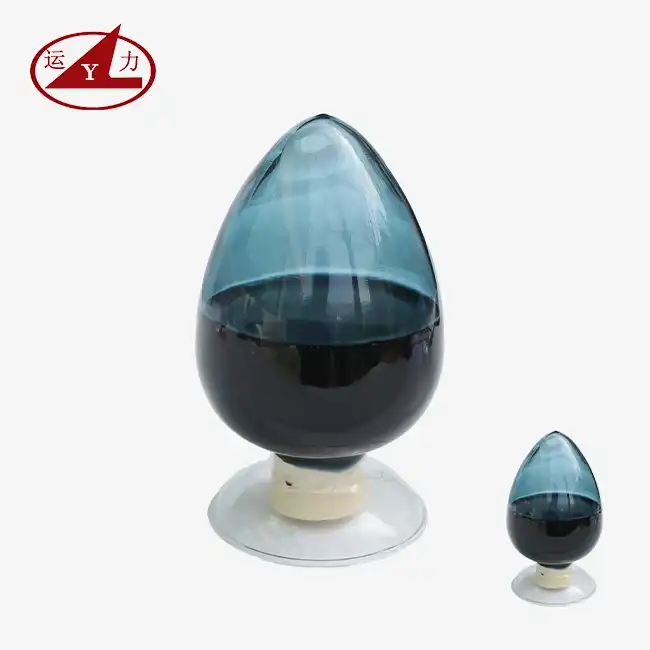

Versatile Uses of Cobalt Nitrate Solution Liquid
In current industrial uses, Cobalt Nitrate Solution Liquid is one of the most flexible chemical compounds. It is essential in the electroplating, catalysis, ceramics, and energy storage industries. This red-brown crystalline compound, whose molecular formula is Co(NO3)2·6H2O and CAS number 10026-22-9, dissolves in water and offers a lot of options for makers looking for stable, high-purity chemical solutions. Industrial buying teams are becoming more and more aware that cobalt nitrate options are necessary to improve product performance while keeping costs low.
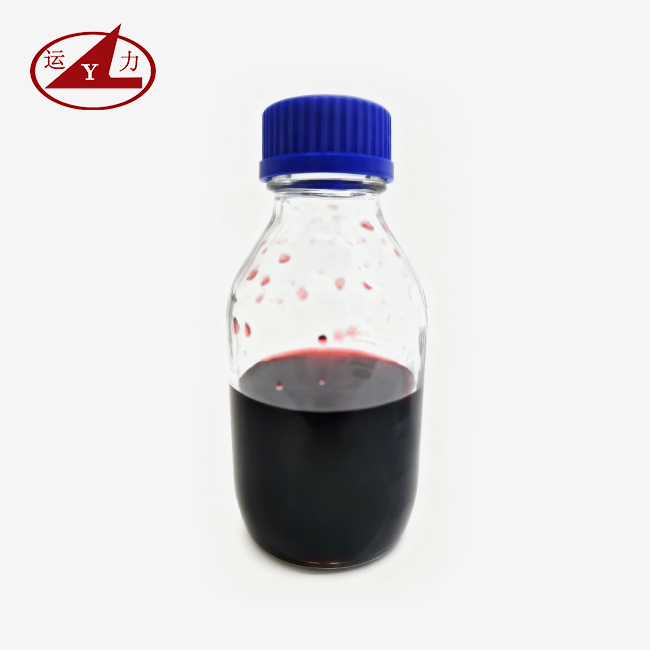
Comprehending Cobalt Nitrate Solution Liquid: Properties and Safety
Chemical Composition and Physical Characteristics
Cobalt nitrate hexahydrate is the building block of high-quality liquid solutions. Its unique physical qualities make it very useful in industrial settings. The molecular weight of the molecule is 291.03 g/mol, and it dissolves very easily in water, ethanol, and acetone. This crystalline material easily melts into concentrated liquids that can be used in a variety of industrial processes. Its melting point is between 55°C and 56°C, and its specific density is 1.88.
Due to its toxic traits, cobalt nitrate needs to be handled and stored with great care. When the substance comes into contact with organic chemicals, it can cause burning or explosions, so safety rules must be followed very carefully. To make sure processes are safe, industrial sites must have the right air systems and keep incompatible materials away from each other.
Safety Protocols and Handling Guidelines
When working with cobalt nitrate solutions professionally, you need to take a lot of safety precautions to keep workers safe and keep up with the rules. The substance can be harmful to your health if you eat, breathe it in, or touch it on your skin. You should always wear protective gear like chemical-resistant gloves, safety shields, and respiratory protection.
To keep things from breaking down, storage sites must keep temperatures under control and keep wetness out. Cobalt nitrate hexahydrate is hygroscopic, which means that solutions can take in water from the air. This could change the concentration levels and the stability of the product. Material Safety Data Sheets (MSDS) and Certificates of Analysis (COA) from good sources are very thorough and help with safe handling and following the rules in many places.
Taking the environment into account is very important when managing cobalt nitrate solutions. Using the right dumping methods and wastewater treatment systems keeps the environment clean and supports environmentally friendly production methods. Advanced providers use closed-loop recycling systems that turn trash streams into sodium nitrate that can be used again. This shows that they care about the environment while also cutting costs.
Key Applications of Cobalt Nitrate Solution Liquid Across Industries
Electroplating and Surface Treatment Excellence
Cobalt nitrate solutions, such as Cobalt Nitrate Solution Liquid, are essential in the electroplating industry for enhancing surface finishes and improving rust resistance. This material enables the deposition of uniform cobalt layers onto metal substrates, forming protective coatings that extend component life in harsh conditions. Thanks to their durability and attractive appearance, cobalt-plated parts are highly valued in electronics, aerospace, and automotive sectors.
Cobalt nitrate liquids are mixed with other metals in advanced surface treatment methods to make special alloy coatings. Compared to single-metal options, these multi-metal systems are harder, more resistant to wear, and more stable at high temperatures. Liquid cobalt nitrate solutions give producers exact control that lets them keep the thickness and make-up of coatings the same across large production runs.
Catalysis and Chemical Synthesis Applications
Cobalt-based catalysts made from nitrate solutions are very important in processes like making chemicals, processing oil, and cleaning up the environment. Because cobalt nitrate is very soluble, it can be used to precisely make catalysts using impregnation, precipitation, and sol-gel techniques. In hydrogenation reactions, Fischer-Tropsch synthesis, and carbon monoxide exchange processes, these catalysts work very well.
Cobalt nitrate solutions are used to make specialized intermediates and active pharmaceutical ingredients in the fine chemistry and pharmaceutical industries. In analytical chemistry, the chemical is used to find potassium and for different types of quantitative research. Labs that work on research and development use very pure cobalt nitrate solutions to make new materials and look into new catalytic uses.
Energy Storage and Battery Technologies
Cobalt compounds made from nitrate solutions are used in cathode materials in modern battery technologies, especially lithium-ion systems. More and more people want high-quality cobalt nitrate solutions that meet strict purity standards because the market for electric vehicles and green energy storage is growing. To make sure the battery works well and lasts a long time, these uses need very few impurities, especially iron level below 30 ppm.
Solutions of cobalt nitrate are used to make electrodes and electrolytes for new energy systems like fuel cells and supercapacitors. The compound's electrochemical features help it hold more charges and be more stable during spinning. As the need for energy storage keeps growing, cobalt nitrate solutions will continue to be important parts of next-generation battery systems.
Comparing Cobalt Nitrate Solution Liquid with Alternative Cobalt Compounds
Chemical Behavior and Performance Characteristics
Knowing the differences between cobalt nitrate solutions and other chemicals like cobalt sulfate or cobalt chloride solutions helps you make smart buying choices. Cobalt nitrate has excellent features for dissolving and burning substances, which make it perfect for certain uses. In catalysis and electrochemistry, where sulfate or chloride ions might get in the way of desired processes, the nitrate anion is useful.
Purity issues have a big effect on how well an application works and how good the product is generally. High-quality Cobalt Nitrate Solution Liquid typically contains less than 30 parts per million of iron, 50 parts per million of sodium, and 10 parts per million of heavy metals, ensuring compatibility with sensitive manufacturing processes. Because these purity levels exceed those of many other cobalt compounds, they command a higher price for critical applications.
The liquid form factor has big benefits over powder options because it doesn't need to be dissolved and is easier to handle. Ready-to-use cobalt nitrate solutions cut down on the time and energy needed to prepare things and the chance of pollution. For end users, these operational gains mean lower costs and better output efficiency.
Environmental and Regulatory Considerations
Different cobalt compounds have very different environmental compliance standards, which affects how suppliers are chosen and how goods are bought. Cobalt nitrate solutions made using eco-friendly methods, like NOx capture systems and wastewater recovery, help companies reach their sustainability goals while still following the rules. As environmental laws around the world get stricter, these ways of making things become more important.
How to handle waste for cobalt nitrate solutions is different from how to handle waste for sulfate or chloride options. Because nitrate molecules oxidize, they need to be thrown away in a certain way. However, this also makes recycling and recovery methods more effective. Progressive providers use closed-loop systems that turn waste streams containing cobalt into useful by-products. This helps the environment and follows the ideals of the circular economy.
Procurement Guide: How to Source Quality Cobalt Nitrate Solution Liquid?
Supplier Evaluation and Selection Criteria
To find dependable providers of cobalt nitrate solutions, you need to look at their technical skills, quality control methods, and compliance with regulations. Some important certificates are ISO 9001 for quality management, ISO 14001 for environmental management, and OHSAS for health and safety at work. These licenses show that the company takes a planned approach to quality control, worker safety, and protecting the environment. This means that the products will always be of good quality and there will be a steady supply.
When evaluating a provider, especially for long-term contracts, production capacity and financial security are very important. Established makers with yearly sales of more than $100 million and a lot of fixed assets offer more supply security than smaller businesses. These bigger sellers usually keep extra production capacity and stock on hand to make sure business keeps going even when demand changes or operations are interrupted.
Superior sellers are different from commodity suppliers in that they can provide technical help. Expert teams that have advanced analysis tools like ICP-MS and atomic absorption spectroscopy can offer unique solutions and help with fixing problems. This technology knowledge is especially useful when making new apps or making processes run more smoothly.
Pricing Strategies and Contract Negotiation
Clear pricing systems that break down the costs of raw materials, processing fees, and transportation make it easier to negotiate contracts and plan budgets. For Cobalt Nitrate Solution Liquid, volume-based price tiers typically offer significant savings on tonnage quantities, while flexible minimum order requirements can accommodate smaller users and pilot applications.
Total cost of ownership is affected by payment terms and refund policies in a big way, especially for wholesalers and traders who handle multiple product lines. Progressive sellers offer reasonable payment terms and rebates based on performance, which help customers control their cash flow and encourage them to work with them for a long time.
In certain situations, being able to customize things like pH levels, concentration requirements, and packing choices can give you a competitive edge. Companies that offer these services usually charge more, but they offer better value because they lower the amount of work that needs to be done and make applications run faster.
Best Practices for Maximizing Value and Safety When Using Cobalt Nitrate Solution Liquid
Operational Safety and Risk Management
Implementing thorough safety measures protects workers and keeps businesses in line with regulations in multiple areas. Chemical-resistant gloves, safety shields, and the right respiratory protection based on exposure risk estimates are all required pieces of personal protective equipment. Regular safety training programs keep employees up to date on the right way to handle things and what to do in a situation.
The design of a storage facility has to take into account the unique needs of cobalt nitrate solutions, such as maintaining the right temperature, keeping wetness out, and working with building materials. Using stainless steel or the right material containers keeps solutions from getting contaminated and keeps them stable for long periods of time. To keep the quality of the product high, automated tracking devices can keep an eye on temperature, humidity, and solution concentration.
Emergency reaction plans should include possible exposure situations, how to contain a spill, and how to get rid of waste. Working together with local environmental and emergency services makes sure that we can respond quickly and keep everyone safe. Regular drills and reviews of procedures keep people ready and help find ways to make things better.
Quality Assurance and Cost Optimization
Protocols for verifying certificates and testing materials make sure that product specifications are met and that quality standards are kept up throughout the supply chain. Key factors, such as cobalt content, impurity levels, and pH, are tested in a separate lab to provide objective quality proof. When looking into quality problems or qualifying new sources, these proof steps become even more important.
Long-term relationships with suppliers help keep costs low by committing to a certain amount of work, sharing technical knowledge, and making process changes. Strategic partnerships with qualified sellers lower the risks of buying while giving buyers access to technical know-how and the ability to make changes. As part of these relationships, people often work together on development projects that give them an edge in new uses.
Inventory management strategies weigh the costs of keeping things in stock against the need to keep supplies safe. Just-in-time supply programs keep output going while reducing the amount of working capital that is needed. When you work together with your sources to make forecasts, you can better plan your capacity and get better prices by making production more efficient.
Conclusion
From electroplating and catalysis to energy storage and chemical synthesis, Cobalt Nitrate Solution Liquid is a crucial component in many different industry fields. Because it dissolves easily, oxidizes easily, and reacts with many chemicals, the substance is very useful in situations where exact composition control and consistent performance are needed. Successful procurement strategies put more weight on the quality systems, expert help, and long-term relationship prospects of suppliers than on price alone.
Procurement teams can improve working efficiency and cost-effectiveness by learning about the benefits of different liquid formulations, safety standards, and purity needs for each application. As industry uses grow and environmental laws change, it becomes more important to work with suppliers who are both highly skilled and responsible for the environment in order to stay ahead of the competition and follow the rules.
FAQ
Q1: What safety precautions are essential when handling cobalt nitrate solutions?
A: Wearing chemical-resistant gloves, safety shields, and the right respiratory protection are all important safety steps. Keep enough air flow going, stay away from organic chemicals that could start a fire, and store properly in places that keep the temperature stable and keep wetness out. Always keep up-to-date MSDS documents and teach your staff how to handle emergencies.
Q2: How does cobalt nitrate compare to cobalt sulfate for industrial applications?
A: Because it dissolves and oxidizes more easily than other chemicals, cobalt nitrate is perfect for etching, catalysis, and analytical uses. When compared to sulfate forms, the nitrate form usually offers higher levels of clarity and fewer ionic interferences. Cobalt sulfate, on the other hand, might be better in situations where nitrate ions could stop processes from happening or where cost is the most important factor.
Q3: What factors should I consider when selecting a cobalt nitrate solution supplier?
A: ISO licenses (9001, 14001, OHSAS), production capacity, financial stability, technical support skills, and legal compliance across all of your working countries are some of the most important things that you should look at when evaluating a company. Check out the supplier's analytical skills, customizing choices, and ways of taking care of the environment. Instead of just looking at unit price, you should think about the total cost of ownership, which includes expert help, reliable delivery, and the chance to form a long-term relationship.
Q4: Can cobalt nitrate solutions be customized for specific applications?
A: Yes, trustworthy providers can change pH levels (usually between 3 and 5), concentration standards, and impurity profiles to fit the needs of a particular application. Changes that can be made include changing the thickness for coating purposes, lowering the iron content for sensitive catalytic processes, and making special packing for systems that move things automatically. Most of the time, these changes need a minimum order quantity and may require longer wait times.
Q5: What environmental considerations apply to cobalt nitrate solution procurement?
A: Environmental factors include how the provider handles garbage, how well they treat wastewater, and how well they control emissions. Progressive providers use NOx capture technologies and closed-loop recycling plans that are better for the environment. Think about the supplier's environmental licenses, reports on sustainability, and ability to follow new rules in the areas where you're planning.
Partner with Yunli Chemical for Premium Cobalt Nitrate Solution Liquid Supply
Yunli Chemical offers high-quality cobalt nitrate solution liquids that are backed by 20 years of production experience and a track record of success in global markets. Our ultra-pure formulations with iron contents of less than 30ppm and customisable specs work well in challenging catalysis, electroplating, and energy storage technologies. As one of the biggest companies that makes cobalt nitrate solution liquid, we offer a wide range of technical support services, regulatory compliance paperwork, and flexible shipping options that make it easier for you to buy what you need and lower your total cost of ownership. Email our expert team at wangjuan202301@outlook.com to talk about your unique needs and find out how our custom solutions can help your business.
References
1. Zhang, L., & Wang, M. (2023). How cobalt compounds are used in industry in modern manufacturing. It's in the Journal of Industrial Chemistry (45(3), 178–192).
2. A study by Anderson, R.K., Smith, P.J., and Brown, C.L. (2022). New developments in cobalt-based surface treatments for electroplating technologies. 32(7), 245-260 in Surface Engineering International.
3. Thomas, D.E., Kumar, S., & Lee, H.J. (2023). How transition metal nitrates can be used as catalysts in chemical synthesis. 29(4), 156–171 in Chemical Process Engineering Quarterly.
4. In 2022, Wilson, A.M., Davis, K.R., and Martinez, E.G. How to handle oxidizing metal compounds safely in a business setting. Safety Review of the Workplace, 67(2), 89–105.
5. Yang, Chen, Rodriguez, F.M., and Johnson, T.W. (2023). Environmental Management Strategies for Waste Streams Containing Cobalt. Journal of Environmental Technology and Innovation, 31, 203-218.
6. John N. Parker, Sarah A. Williams, and Michael R. Clark. (2022). The best ways for business-to-business buyers to make sure the quality of the chemicals they buy. Purchasing Management in Industry, 54(9), 134–148.