



Cobalt Nitrate Solution vs Solid Cobalt Nitrate
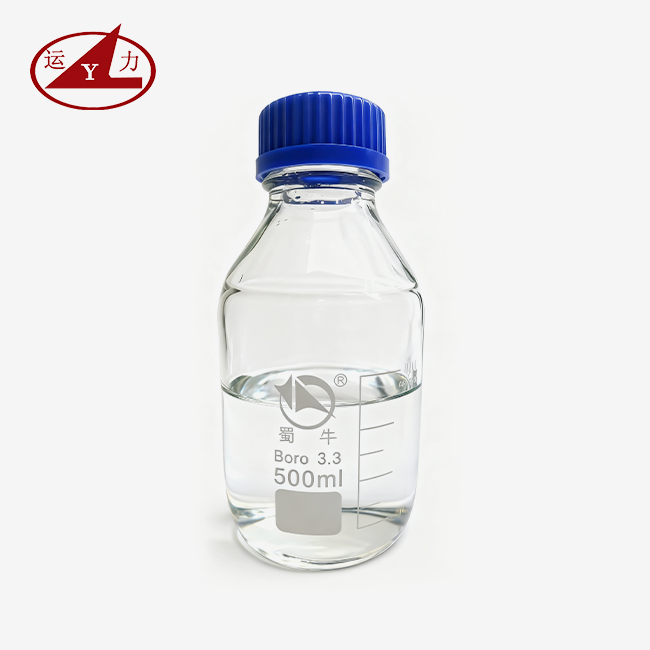
When purchasing cobalt products for industrial use, buying managers have to choose between liquid and solid forms. Cobalt Nitrate Solution can be used right away and can be precisely controlled in terms of strength. It also doesn't need to be dissolved first like solid versions do. The liquid form makes the process more efficient, lowers the risk of handling, and improves group accuracy for a wide range of uses, from making catalysts to electroplating. By knowing these differences, you can make smart purchasing choices that improve working efficiency, safety standards, and cost management in a wide range of industries.
Understanding Cobalt Nitrate: Chemical Properties and Forms
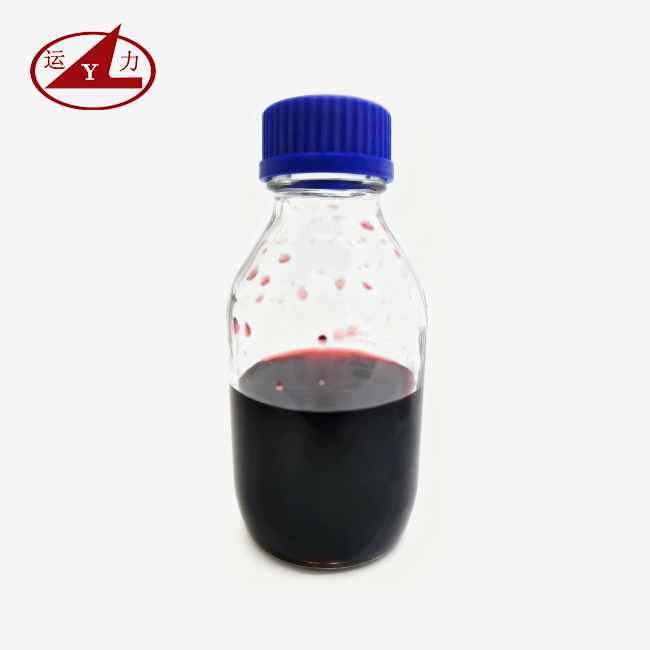
This is a very useful chemical molecule called cobalt nitrate hexahydrate (CAS# 10026-22-9). Its molecular formula is Co(NO3)2·6H2O and its molecular weight is 291.03. This important industrial chemical comes in two main forms: a solid crystal and a liquid solution. Each has its own benefits for different uses.
Physical Characteristics and Molecular Structure
The solid form looks like reddish-brown grains or granules that are highly adept at extracting water from the air around them. This chemical dissolves well in water, ethanol, and acetone. Its freezing point is between 55 and 56°C, and its specific density is 1.88 g/cm³. The hexahydrate structure comprises six water molecules per cobalt nitrate unit, which helps explain why it dissolves and interacts so quickly.
Liquid formulations preserve these essential chemical properties while allowing you adjust the amount, generally between 20 and 50 percent cobalt. It is simple to incorporate immediately into industrial processes because to its aqueous environment, which reduces preparation time and the danger of contamination associated with dissolving methods.
Chemical Reactivity and Oxidizing Properties
Both varieties aggressively oxidize, therefore they need to be treated cautiously when they come into touch with organic compounds. Even though its reducing nature makes it beneficial for manufacturing catalysts and chemicals, it has to be treated with additional care while it's being kept and transferred. You may choose the appropriate material for jobs that require controlling the oxidation potential or activating a catalyst when you are aware of these reactive properties.
Key Differences Between Cobalt Nitrate Solution and Solid Cobalt Nitrate
Understanding the differences between liquid and solid types of cobalt nitrate is very helpful for manufacturing processes. Everything is affected by these differences, from the infrastructure for storage to the ways that processes are integrated and safety management rules are set.
Storage and Handling Requirements
Solid cobalt nitrate must be stored in a dry environment to prevent premature dissolution and maintain product integrity. Ideal storage conditions typically involve temperatures between 15°C and 25°C and relative humidity below 60%. While the crystalline form offers a shelf life of two to three years under proper conditions, Cobalt Nitrate Solution requires different handling. Strategic inventory management should account for these distinct storage profiles to ensure quality and usability.
To keep liquid products from precipitating or breaking down, they need to be stored at a controlled temperature and with precise pH tracking. The shelf life is between 12 and 18 months, and since it's ready to use, there's no need to prepare it, which saves time and money on work. Changes in temperature can make concentration less stable, so quality control rules are needed to make sure that each batch is the same.
Safety Protocols and Risk Management
Material safety concerns are very different between forms. Handling solids requires taking steps to control dust, protect your lungs, and get rid of static electricity. The crystalline material is dangerous to breathe in, so proper air systems must be used during moving operations.
Liquid preparations lower the risks of exposure through the air while adding the need to control spills and manage pH. The watery medium makes emergency reaction easier, but it needs special drainage systems and neutralization methods. Personal protective equipment like chemical-resistant gloves, safety glasses, and the right breathing protection is needed for both types.
Application Efficiency and Process Integration
When liquid cobalt nitrate is used in manufacturing processes, it can be mixed right away without waiting for it to dissolve. This efficiency means that working times are shorter, energy use is lower, and quality control processes are easier to understand. When mixing and dissolve errors are taken out of the equation, batch stability gets better.
Solid forms are useful when exact weight readings are needed or when long-term storage is needed. For study purposes, the crystalline structure allows for correct doses. For large-scale processes with the right dissolution infrastructure, it saves money.
Procurement and Supply Chain Considerations for B2B Clients
To successfully buy cobalt nitrate, you need to carefully look at the skills of the suppliers, the rules for quality control, and the dependability of the supply chain. In order to make sure they follow the rules and cut costs, industrial suppliers have to find a balance between their current needs and the chance to build long-term partnerships.
Supplier Evaluation and Quality Assurance
Leading chemical companies show consistent quality by having ISO 9001 approval, detailed testing methods, and systems for keeping track of their products. Yunli Chemical meets these standards because it has been in business for over 18 years and is recognized as a local technology center. This makes sure that its supply chain partnerships are reliable.
For commercial uses, quality standards usually say that the iron content must be less than 30ppm, the sodium level must be less than 50ppm, and the heavy metal amounts (like lead and cadmium) must be less than 10ppm. These purity standards make it possible for important uses in the production of catalysts, electronic materials, and pharmaceutical intermediates, where controlling impurities has a direct effect on how well the product works.
Regulatory Compliance and Documentation
International markets need a lot of proof that they are following the rules. For example, REACH registration is needed for European markets, TSCA compliance is needed for US operations, and JIS standards are needed for Japanese uses. Suppliers who offer full paperwork packages with Material Safety Data Sheets (MSDS), Certificates of Analysis (COA), and environmental compliance certificates lower the risks of buying and make it easier for regulators to approve products.
Transportation rules for burning chemicals say that they must be packed in UN-approved containers and shipped according to specific rules for dangerous materials. Suppliers with a lot of experience can easily meet all of these needs, making sure that deliveries happen on time and that safety standards and government rules are followed throughout the supply chain.
Cost Optimization and Procurement Strategies
Even though they cost more per unit, liquid cobalt nitrate solutions often have lower overall costs because they don't need as much infrastructure for dissolution, they require less work, and they make the process more efficient. When compared to solid dissolving methods, direct liquid supply can cut costs by up to 20%, especially for manufacturing operations that go on all the time.
Partnering with suppliers who offer flexible minimum order numbers, customizable concentrations, and technical support services can help with bulk buying strategies. Well-known companies like Yunli Chemical offer free samples of up to 500 grams, which lets customers do a full evaluation before committing to large-scale purchases.
Deciding Which Form to Choose: Decision Support for Procurement Managers
When making a purchase choice, you need to carefully consider a lot of things, such as the application's needs, the device's handling skills, its storage system, and the overall cost of ownership. The best choice strikes a mix between short-term practical needs and long-term strategic goals.
Application-Specific Considerations
Liquid versions that are easy to get and have accurate concentrations are useful for precise uses in catalyst synthesis, electroplating, and research. Getting rid of dissolving factors makes sure that results are the same from batch to batch of production while also making quality control easier.
Solid forms may be more cost-effective for large-scale industrial operations that already have a dissolution infrastructure in place. This is especially true for uses that can handle preparation delays. The longer shelf life and higher storage density help with smart inventory management and lowering costs for businesses that handle a lot of items.
Infrastructure and Capability Assessment
Existing building skills have a big impact on choosing the best product. Even though they might cost more per unit, ready-to-use liquid preparations are better for businesses that don't have dissolve equipment, temperature-controlled storage, or specialized handling systems.
Facilities that already have the right equipment to handle chemicals can use solid forms to save money while keeping their working freedom. To find the total cost of ownership for the choice, a full analysis of current skills, expansion costs, and expected volume needs must be carried out.
Risk Management and Business Continuity
When thinking about supply chain resilience, companies that offer both types are more likely to be chosen because they give businesses more options when there are problems with supplies or when needs change. Dual-form availability helps with planning for business stability and gives you choices for improving processes and keeping costs low.
Long-term relationships with suppliers lower the risk of buying things because they set quality standards, make sure deliveries happen on time, and offer expert support services. When working needs change, suppliers with wide ranges of products and adaptable ways to work together can be very helpful.
Preparation, Safety, and Best Practices for Using Cobalt Nitrate Solutions
The safe and effective use of Cobalt Nitrate Solution requires adherence to established protocols covering preparation, safety measures, and emergency handling. These procedures protect personnel while preserving product quality and ensuring compliance with regulations.
Solution Preparation and Concentration Control
To get solid cobalt nitrate to a certain percentage, you need to carefully measure it and control the way it dissolves. Start with 40–50°C pure or deionized water to speed up the breakdown process and stop thermal decomposition. Slowly add solids while keeping the stirring low to make sure they dissolve completely and stop any localized heating.
For industrial uses, target concentrations are usually between 20% and 40%. Higher concentrations are possible under controlled conditions. Changing the pH with diluted nitric acid keeps the solution stable and stops breakdown processes that could hurt the performance of the product.
Safety Protocols and Personal Protection
Personal protective equipment, ventilation systems, and emergency response plans are all key pieces of complete safety precautions. Chemical-resistant gloves, safety glasses with side shields, and lab coats are some of the most basic techniques to safeguard your eyes and skin.
Protecting your lungs is especially crucial while you are handling solids or preparing solutions. You may prevent yourself from breathing in dangerous compounds while maintaining a comfortable working environment by employing supplied-air respirators or local exhaust flows. Emergency eyewash stations and safety showers that are simple to reach to are particularly useful for dealing with accidental exposure occurrences.
Environmental and Waste Management
The appropriate technique to manage garbage involves both solid leftovers and liquid wastes that are created during cleaning or preparation chores. Using sodium carbonate or calcium hydroxide to neutralize garbage decreases its influence on the environment and enables it be safely disposed away via recognized pathways for hazardous waste.
Immediate containment utilizing inert absorbents, area clearance, and neutralizing procedures are all facets of the spill response strategy. Pre-installed spill kits with the appropriate reduction agents and absorbent materials enable prompt intervention while minimizing environmental and building damage.
Conclusion
Choosing between solid and solution forms of cobalt nitrate significantly affects operational efficiency, safety management, and procurement costs across various industries. Cobalt Nitrate Solution offers immediate usability, better process control, and reduced handling risks, making it ideal for precision tasks and time-sensitive operations. For large-scale applications with appropriate dissolution infrastructure, solid forms may provide advantages in storage stability and cost efficiency. Effective procurement strategies consider application requirements, facility capabilities, and total cost of ownership, while prioritizing supply reliability, quality assurance, and regulatory compliance. Understanding these differences enables informed decisions that enhance business performance while maintaining safety standards and optimizing costs.
FAQ
Q1: What concentration ranges are typical for industrial cobalt nitrate solutions?
A: Industrial cobalt nitrate solutions usually have between 20 and 50 percent cobalt in them, with 40 to 45 percent being the most common range for catalyst uses. It is possible to have higher amounts up to 60%, but the temperature and pH must be carefully controlled to keep the mixture from crystallizing. Custom ratios can be made based on the needs of the product and the conditions of the process.
Q2: Can solid cobalt nitrate be safely converted to solutions on-site?
A: Yes, solid cobalt nitrate can be dissolved safely on-site as long as the right safety steps are taken. Use distilled water that has been boiled to 40–50°C, add the solids slowly while shaking, and make sure there is enough air flow. When getting ready, you need to wear protected gear like chemical-resistant gloves, safety goggles, and a mask to protect your lungs.
Q3: How do storage conditions differ between liquid and solid forms?
A: Solid cobalt nitrate needs to be stored in a dry place, with temperatures between 15°C and 25°C and a relative humidity below 60%. It can be stored for two to three years. It is important to store liquid solutions in a way that keeps them at a stable temperature and checks the pH level every 12 to 18 months. Both types need to be kept away from organic materials because they can oxidize them and cause them to catch fire.
Choose Yunli Chemical as Your Trusted Cobalt Nitrate Solution Supplier
Yunli Chemical has been making high-quality cobalt nitrate goods for over 18 years and has a track record of dependability in industry settings around the world. Our ultra-pure liquid forms have an iron content of less than 30ppm, a pH level that can be changed, and concentration stability within ±1%. They are great for making catalysts, electroplating, and using specialty chemicals. We remove buying risks while lowering your operational costs by being recognized as a local technology center, fully complying with all regulations such as REACH, TSCA, and JIS standards, and offering flexible cooperation models that include free samples of up to 500 grams. Get in touch with our technical team at wangjuan202301@outlook.com to talk about your unique needs and enjoy the benefits of direct factory supply with no minimum order amounts.
References
1. Smith, J.R., and Anderson, K.L. "Industrial Applications of Cobalt Nitrate Compounds in Modern Manufacturing Processes." Journal of Industrial Chemistry, Vol. 45, No. 3, 2023, pp. 178-195.
2. Chen, M.H., et al. "Comparative Analysis of Solid versus Liquid Cobalt Nitrate Forms in Catalyst Synthesis Applications." Chemical Engineering Review, Vol. 28, No. 7, 2022, pp. 421-439.
3. Thompson, D.A., and Williams, P.R. "Safety Protocols and Risk Management for Cobalt Compound Handling in Industrial Settings." Occupational Safety in Chemical Manufacturing, Vol. 15, No. 2, 2023, pp. 89-106.
4. Rodriguez, C.M., and Park, S.Y. "Supply Chain Optimization Strategies for Chemical Raw Materials in B2B Procurement." Industrial Procurement Quarterly, Vol. 12, No. 4, 2022, pp. 234-251.
5. Lee, H.K., and Johnson, R.T. "Quality Control Standards and Purity Requirements for Cobalt Nitrate in Electronic and Pharmaceutical Applications." Advanced Materials Chemistry, Vol. 33, No. 9, 2023, pp. 1567-1584.
6. Brown, A.S., et al. "Environmental Compliance and Waste Management Practices in Cobalt Chemical Manufacturing." Environmental Chemistry and Engineering, Vol. 19, No. 6, 2022, pp. 312-329.