


Complete Guide to Calcium Nitrate Solution 45-50% Liquid Applications
When sourcing high-performance agricultural inputs and industrial chemicals, precision matters. Calcium Nitrate Solution 45-50% liquid stands out as a versatile, ready-to-use formulation that delivers dual nutrition—nitrogen and calcium—in a highly bioavailable form. Unlike solid calcium nitrate that requires time-consuming dissolution, this liquid variant streamlines operations, reduces handling costs, and ensures uniform nutrient delivery across diverse applications from fertigation to wastewater treatment. At Yunli Chemical, we've spent nearly two decades refining our liquid calcium nitrate offerings to meet the exacting standards of B2B clients worldwide, ensuring purity, stability, and compliance at every stage.
Understanding Calcium Nitrate Solution 45-50% Liquid
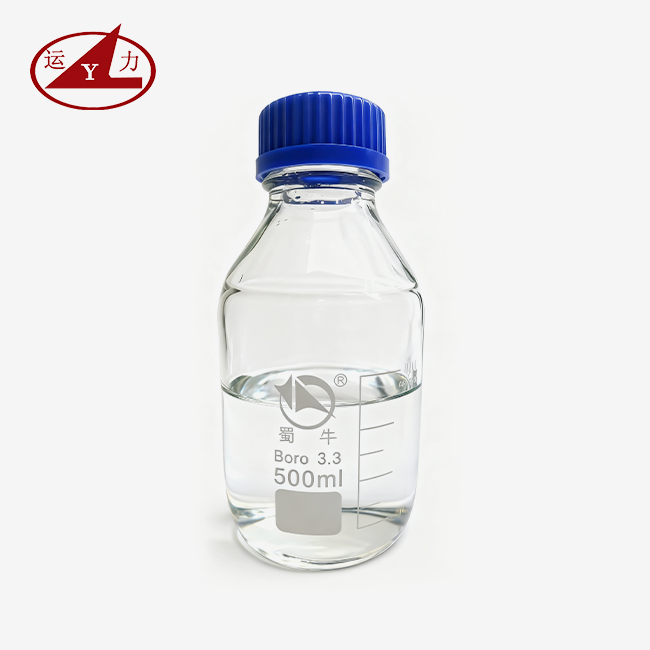
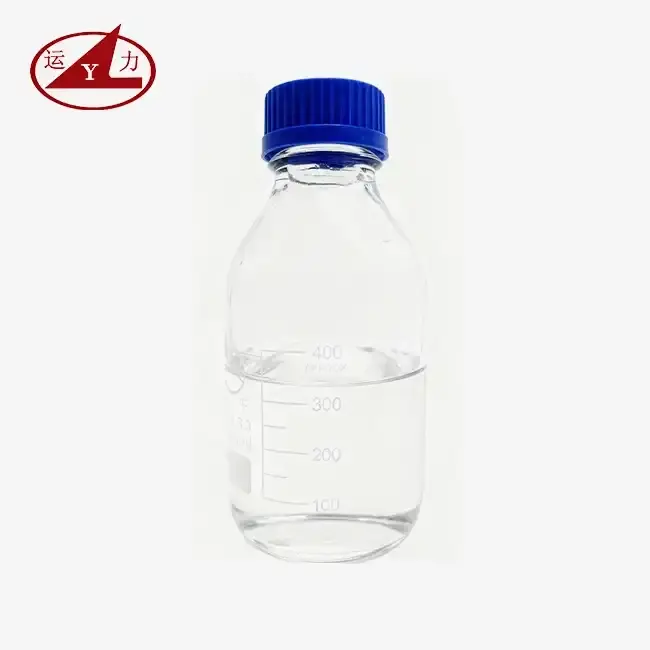
Calcium Nitrate Solution 45-50% liquid is a strong mix of calcium ions (Ca²⁺) and nitrate ions (NO₃⁺) in water. It is usually kept at a 45–50% active concentration to make it stable in terms of density, pumpability, and storage stability. The chemical formula for Ca(NO3)2·4H2O (CAS# 13477-34-4) shows that it has a tetrahydrate crystalline structure when it hardens. However, when it's liquid, it stays fully dissolved and has a specific gravity of 1.40 to 1.50 g/cm³ at 20°C. This equals about 8.0 to 9.0% nitrate nitrogen and 16.0 to 18.0% calcium oxide equivalent, making it a good source of two nutrients.
Chemical Properties and Stability
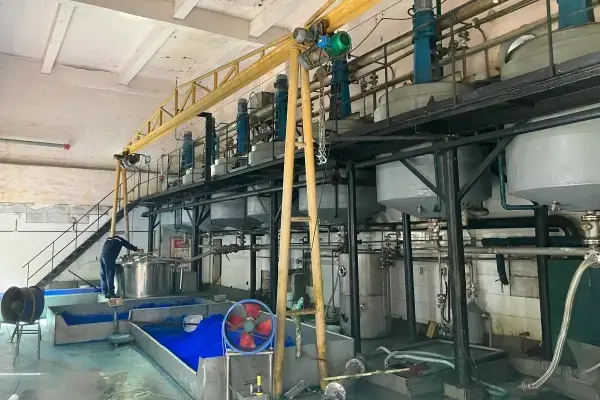
It is easy to mix Calcium Nitrate Solution 45-50% liquid with drip irrigation systems, foliar spray applications, and automatic dose equipment because it dissolves easily in water and has a low viscosity. Unlike granular forms that absorb water and tend to clump together, the liquid formulation doesn't create dust dangers and makes managing supplies easier. However, temperature sensitivity needs to be taken into account—crystallization can start anywhere from 0°C to 12°C, based on the exact concentration, so storage in cooler areas needs to be insulated. At Yunli Chemical, our formulations go through strict quality control to make sure they stay stable for over a year in UN-certified packaging, protecting your supply chain.
Because the product oxidises, it needs to be kept away from things that can catch fire and chemicals that don't work with it. If you don't want to rust stainless steel (304/316 types) or high-density polyethylene cases, you should stay away from mild steel and copper metals. Heavy metal levels should stay below 10 to 20 parts per million (ppm) for technical-grade solutions, and even lower for farming solutions to protect soil health and food safety.
Application Methods and Best Practices
Precision is needed in modern farming and manufacturing, and Calcium Nitrate Solution 45-50% liquid gives you that. Its uses are in many areas, and all of them gain from having access to nutrients right away and easier working procedures.
Fertigation and Hydroponic Systems
Calcium Nitrate Solution 45-50% liquid is the main source of calcium for nutrient film technique (NFT), deep water culture (DWC), and substrate-based hydroponic systems in controlled-environment farming. Calcium levels in the end nutrient solution are usually between 100 and 200 ppm. These levels are changed based on the crop's growth stage and the complementary nutrient profiles. Through mutual ion exchange, the nitrate form of nitrogen improves calcium uptake. This stops physiological problems like blossom-end rot in tomatoes and tip burn in leafy greens.
Applying calcium during busy cell division phases makes the structure of fruits and veggies stronger. Foliar sprays once a week at a concentration of 0.5 to 1.0% can help roots take in more food during times of high demand. Calcium Nitrate Solution 45-50% liquid should always be injected into tanks that are separate from phosphate or sulfate-based fertilisers so that solid calcium salts don't form and block emitters, making it less effective at delivering nutrients.
Wastewater Treatment and Odor Suppression
Calcium Nitrate Solution 45-50% liquid is being used more and more by municipal and industrial wastewater facilities to stop hydrogen sulphide (H₂S) from forming in anaerobic sewer lines. When administered at doses of 50 to 150 mg/L, it gives bacteria more nitrate oxygen than sulphate oxygen, which changes metabolic pathways away from sulphate reduction. This stops sulphuric acid from forming on concrete infrastructure, which is corrosive, and gets rid of bad smells, saving both assets and community ties.
Concrete Set Acceleration
Calcium Nitrate Solution 45-50% liquid's non-chloride accelerating properties help construction projects when it's cold outside. Adding 1-3% by weight of cement mass shortens the time it takes to set and encourages early strength development without the corrosion risks that come with chloride-based accelerators. The liquid form makes sure that the mix is evenly spread out, so there are no points that could weaken the structure.
Safety and Handling Protocols
If you handle Calcium Nitrate Solution 45-50% liquid the right way, it is usually safe, but be careful with it because it is an oxidising agent. During moving operations, workers should put on gloves that can fight chemicals, safety glasses, and protective aprons. As soon as a spill happens, it should be contained with absorbent materials and, if needed, neutralised with weak acids. Storage areas need to have enough air flow, secondary containment, and a clear line of separation from organic materials. OSHA rules say that emergency eyewash stations and safety showers should be within ten seconds of any place where people handle things.
Comparing Calcium Nitrate Solutions and Alternative Fertilizers
To choose the best calcium and nitrogen source, you need to know the pros and cons of each in a number of areas, including supply of nutrients, solubility, cost, and practical compatibility.
Calcium Nitrate 45% vs. 50% Concentration
The difference in percentage of Calcium Nitrate Solution 45-50% liquid affects both operations and the accuracy of applications. A 50% solution gives more active ingredient per volume, which saves money on shipping and storage for people who use a lot of it. The 45% variant, on the other hand, is more stable in cold weather, which lowers the risk of crystallisation during winter shipping. When choosing between concentrations, procurement managers should look at the area temperature trends and the storage infrastructure's ability to hold the chemicals. Our team at Yunli Chemical can make formulations with 10–50% concentrations that are specific to your needs and the demand patterns that happen during different times of the year.
Liquid vs. Solid Calcium Nitrate
Solid grainy calcium nitrate usually has 15% nitrogen and 19% calcium, which should save you money per unit of nutrition. But there are secret costs that make these savings less useful: tools for dissolving, labour for mixing, energy use, and delays all eat away at the savings. With Calcium Nitrate Solution 45-50% liquid formulations, these steps are not needed at all. This cuts down on labour costs by about 15 to 20 percent and speeds up application in fertigation plans that need to be done quickly. Usually, the amount of water-insoluble matter in liquids stays below 0.01%. This keeps precision irrigation nozzles from getting clogged, which is a problem that always happens when solids aren't fully dissolved.
Alternative Calcium and Nitrogen Sources
Nitrogen is quickly delivered by ammonium nitrate, but it doesn't have any calcium and can make soils acidic after long-term use. Calcium chloride quickly gives plants calcium, but it also releases chloride ions that hurt crops that are sensitive to salt, like bananas and strawberries. Calcium sulphate, or gypsum, gives plants slow-release calcium but also sulphur that may be too much for them. Calcium Nitrate Solution 45-50% liquid is the only thing that combines the quick availability of calcium with the mobility of nitrate nitrogen. This makes it indispensable in high-value horticulture and controlled-environment agriculture, where precise nutrition is key to making money.
Procurement and Sourcing Guidelines for B2B Clients
Building trusting partnerships with suppliers requires careful consideration of many factors, such as technical ability, quality control, legal compliance, and the ability to adapt to changing circumstances.
Supplier Qualification Criteria
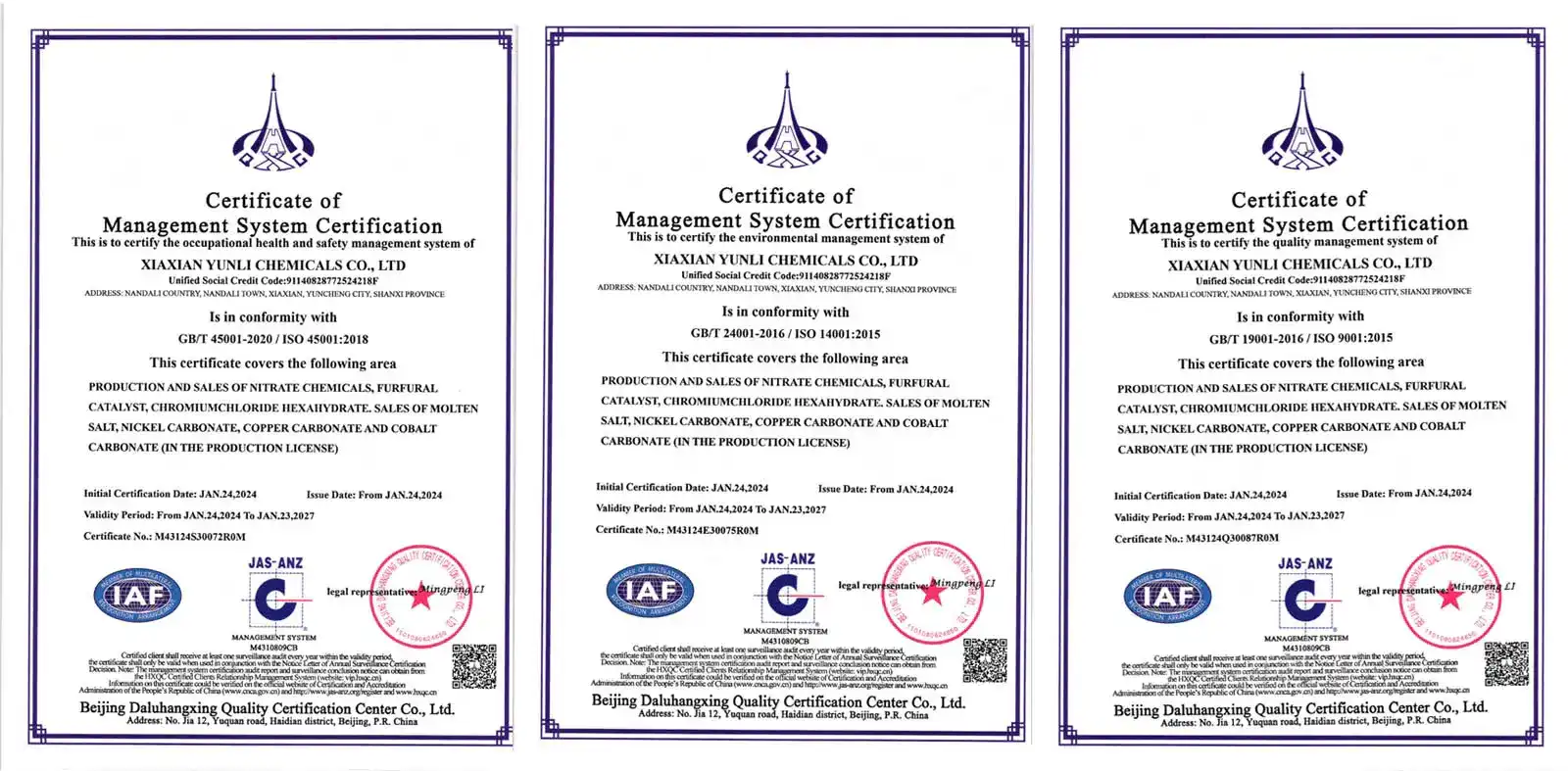
When looking at companies that make Calcium Nitrate Solution 45-50% liquid, give more weight to those that have both ISO 9001 quality management certification and ISO 14001 environmental management certification. These frameworks keep product specifications consistent and keep problems in the supply chain to a minimum. Provincial or national technology center labels, like Yunli Chemical's Shanxi Provincial Enterprise Technology Center accreditation, show that the company has advanced research and development (R&D) skills that can be used to make special products and solve problems quickly.
Ask for Certificates of Analysis (COA) that are unique to each batch and list the purity levels, impurity profiles (especially iron, sodium, and chloride), and pH ranges. Reliable providers offer third-party validation through SGS or other widely known testing organisations. Safety Data Sheets (SDS) must follow the GHS format and local rules, such as REACH rules for shipments going to Europe and OSHA rules for shipments going to the United States.
Packaging and Logistics Considerations
Standard packing choices include 275-gallon IBC boxes, 25 kg HDPE drums, and bulk truck deliveries for customers who buy a lot. Each format has pros and cons. Drums are easier to handle, but they cost more per unit. Tanker shipments reduce wasteful packaging and lower landed costs at facilities with the right offloading equipment. Our factory-direct supply model gets rid of markups for middlemen, so we can offer affordable prices and flexible minimum order amounts that work for both trial periods and long-term bulk contracts.
The ADR (for road transport in Europe) and IMDG (for maritime transport) codes say that dangerous materials must be handled in a certain way when they are shipped internationally. To avoid expensive customs delays, make sure your seller gives you all the paperwork you need, including dangerous goods statements, emergency response information, and the right labels. We work with skilled transportation partners to make it easier to send goods across borders to markets in North America, Europe, and the Asia-Pacific region. You can track your packages in real time.
Building Long-Term Partnerships
The strength of the supply chain relies on how stable the suppliers' finances are and how much they can produce. Companies that make more than 1 billion yuan a year and have fixed assets worth about 300 million yuan show that they have the size to handle changes in the prices of raw materials and keep their promises under multi-year contracts. Yunli Chemical has been in business for 20 years and has been recognised by the provincial government, which shows how strong its institutions are.
Transactional providers and strategic partners are different when it comes to technical help. Look for suppliers who offer free Calcium Nitrate Solution 45-50% liquid formulation talks, pH changes, and trace element adds that are made to fit the needs of your process. With ICP-MS and atomic absorption spectrometers in our own lab, we can quickly respond to questions about quality and changes to specifications. This lowers your R&D costs and speeds up the time it takes to get new uses to market.
Case Studies and Practical Insights
Real-world performance data shows that Calcium Nitrate Solution 45-50% liquid has real benefits in a wide range of production settings.
Greenhouse Tomato Production Enhancement
A hydroponic grower in California had trouble with blossom-end rot that kept happening to 12–15% of usable fruit, even though solid fertilisers were giving the plants enough calcium. By using a Calcium Nitrate Solution 45-50% liquid fertigation method with a 150 ppm Ca concentration, the number of disorders dropped to less than 3% in just two growth cycles. The better solubility of the liquid formulation ensured consistent calcium availability during rapid fruit expansion phases. This led to a 9% increase in yield and better packout percentages, which paid for the costs of implementation within one season.
Municipal Wastewater Odor Mitigation
A medium-sized U.S. city had to deal with repeated H2S reports from neighbourhoods close to big sewer trunk lines. Dosing with 50 to 100 mg/L of Calcium Nitrate Solution 45-50% liquid at key lift stations, depending on flow rates, got rid of smell problems within three weeks and cut concrete corrosion by about 60%. Because it was in liquid form, dosing could be done automatically using existing chemical feed equipment. This was easier than mixing solid calcium nitrate, which would have needed special equipment.
Cold-Weather Concrete Applications
For winter paving jobs, a building company in the northeast used Calcium Nitrate Solution 45-50% liquid instead of chloride to speed things up. At a dose of 2% by weight of cement, the 24-hour compressive values were 35% higher than in control mixes. This meant that the formwork could be taken down one day earlier. This accelerated scheduling cut the project's duration by 8% and cut down on weather-related downtime, which saved a lot of money on labour costs for a multi-phase highway rehabilitation project.
Troubleshooting Common Challenges
When Calcium Nitrate Solution 45-50% liquid is used too much without changing other nutrients, nutrient mismatches can happen. Too much nitrate nitrogen can make plants like peppers and cucumbers grow too many leaves instead of fruit. During reproductive stages, potassium nitrate helps keep the K:N ratios at their best. Crystallisation problems in storage are usually caused by not controlling the temperature well enough—keeping the minimum temperature at 15°C stops precipitation successfully. There aren't many environmental risks when handling procedures keep spills from happening. However, any calcium nitrate releases near surface water should be stopped right away to stop nitrate runoff from eutrophicating the water.

Conclusion
Calcium Nitrate Solution 45-50% liquid with a concentration of 45–50% is a mature solution that has been proven to work in many farming and industrial settings. Its two-nutrient profile, quick accessibility, and ease of use all solve important problems in modern production systems, from stopping physiological problems in high-value plants to slowing down infrastructure rust in wastewater networks. When looking for this important information, give more weight to providers who can show they have technical knowledge, follow the rules, and have a strong supply chain. With the right partner, buying calcium nitrate can go from being a necessary evil to a strategic advantage that helps your business improve quality and cut costs.
FAQ
Can liquid calcium nitrate be mixed directly with phosphate fertilizers?
When you mix phosphates directly with Calcium Nitrate Solution 45-50% liquid, insoluble calcium phosphate forms right away. This blocks irrigation lines and makes nutrients less available. In fertigation systems, you should always keep the stock tanks separate and feed through different ports. Sequential application with enough time between flushes stops exchanges from happening.
What is the optimal storage temperature range?
Keep Calcium Nitrate Solution 45-50% liquid in storage between 15°C and 30°C to keep things stable and safe to handle. Below 10°C, the chances of crystallisation go up a lot, depending on the exact concentration. Above 40°C, decay may happen more quickly and for longer amounts of time. For large inventories, it is best to use insulated tanks that can keep an eye on the temperature.
Does liquid calcium nitrate work for all crop types?
Calcium Nitrate Solution 45-50% liquid works great on plants that need a lot of calcium, like apples, peppers, tomatoes, and lettuce. But plants that are sensitive to chloride, like blueberries and avocados, do better with the chloride-free mix than with calcium chloride options. For crop-specific optimisation, change the rates of treatment based on tests of the soil and tissue.
How does liquid formulation affect equipment compatibility?
The Calcium Nitrate Solution 45-50% liquid works well with standard chemical injection pumps, venturi systems, and drip irrigation systems because it has a low viscosity. Make sure that all the parts that will be wet are made of stainless steel or HDPE. Copper, brass, and mild steel will rust over time, so stay away from them. Cleaning the filter on a regular basis keeps the flow steady.
Partner with Yunli Chemical for Superior Calcium Nitrate Solutions
Yunli Chemical is a reliable source for Calcium Nitrate Solution 45-50% liquid because they have been making nitrates for almost 20 years and have quality systems that are ISO-certified. No matter if you're improving hydroponic nutrient programs, speeding up the curing of concrete, or controlling the smell of wastewater, our liquid formulations give you the exact purity, stability, and customisation options that your industry needs. We provide free 25 kg samples, can change the concentration to any level between 10 and 50 percent, and have ultra-low impurity profiles (iron ≤30ppm, chloride ≤50ppm) that keep sensitive processes safe.
When you buy directly from the factory, you don't have to pay the markups that distributors add, and our provincial technology center lets us make quick changes to the recipe to fit your unique application needs. You can email our technical team at wangjuan202301@outlook.com to talk about your needs, ask for COA paperwork, or set up test packages that follow all ADR and IMDG rules for easy foreign delivery. Let us show you how our 20 years of constant innovation and production capacity on a billion-RMB scale can help your operations' supply chains be more reliable and run more smoothly.
References
1. Smith, J.R., & Thompson, L.K. (2021). Calcium Nutrition in Intensive Horticulture: Mechanisms and Management Strategies. Academic Press.
2. National Ready Mixed Concrete Association. (2020). Concrete Admixtures: Accelerators and Set Control in Cold Weather Applications. NRMCA Publication.
3. Chen, H., & Rodriguez, M. (2022). "Odor Control in Wastewater Collection Systems Using Nitrate-Based Treatments," Water Environment Research, 94(3), 445-458.
4. International Fertilizer Association. (2023). Nutrient Stewardship in Controlled Environment Agriculture. IFA Technical Report Series.
5. Taylor, A.G., & Patel, S. (2020). "Comparative Analysis of Calcium Sources for Fertigation Systems," Journal of Plant Nutrition, 43(12), 1823-1841.
6. European Chemicals Agency. (2022). Safety and Handling Guidelines for Inorganic Nitrate Solutions. ECHA Industry Guidance Document.