


How Is Zinc Nitrate Solution Applied in Fertilizer Spray Systems?
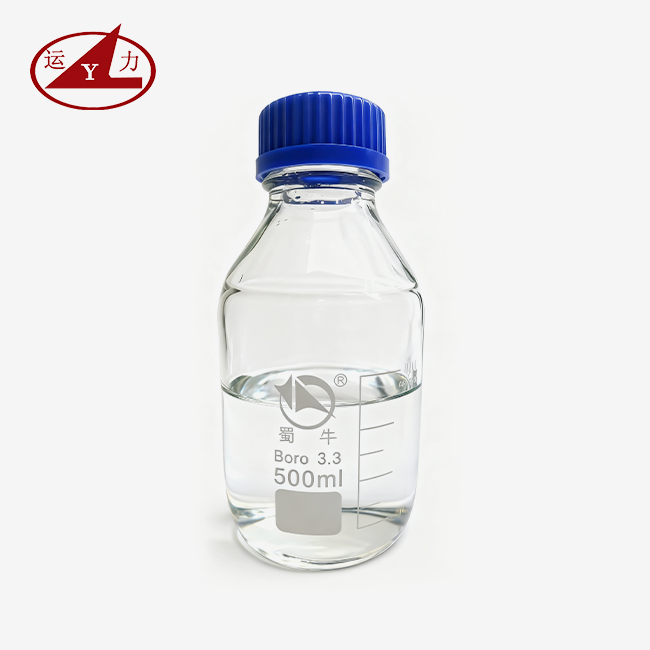
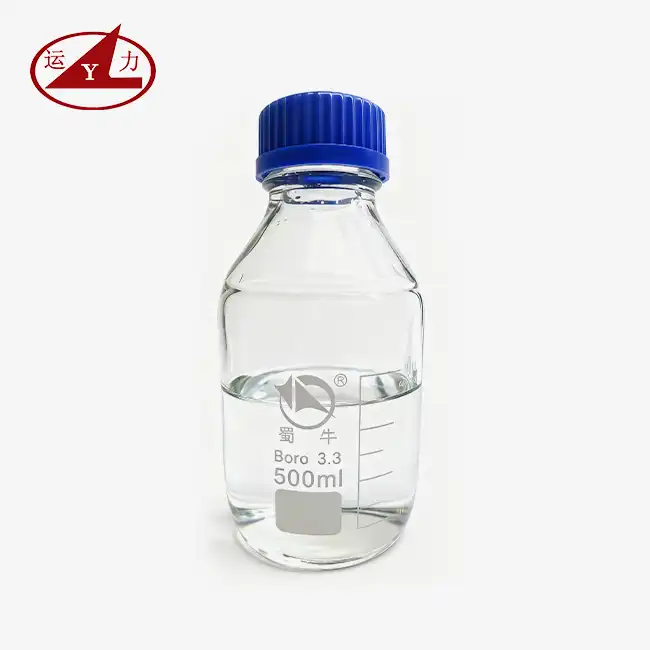
Zinc Nitrate Solution stands as a highly effective micronutrient formulation in modern agricultural foliar spray programs. Applied through specialized spray systems, this aqueous solution delivers bioavailable zinc directly to plant tissues, addressing deficiencies that compromise crop productivity. Its superior solubility and rapid absorption make it ideal for correcting zinc shortages during critical growth phases. The solution typically contains zinc nitrate hexahydrate (CAS# 10196-18-6), dissolved to precise concentrations for optimized nutrient delivery and plant health enhancement in commercial farming operations.
Understanding Zinc Nitrate Solution in Agricultural Applications
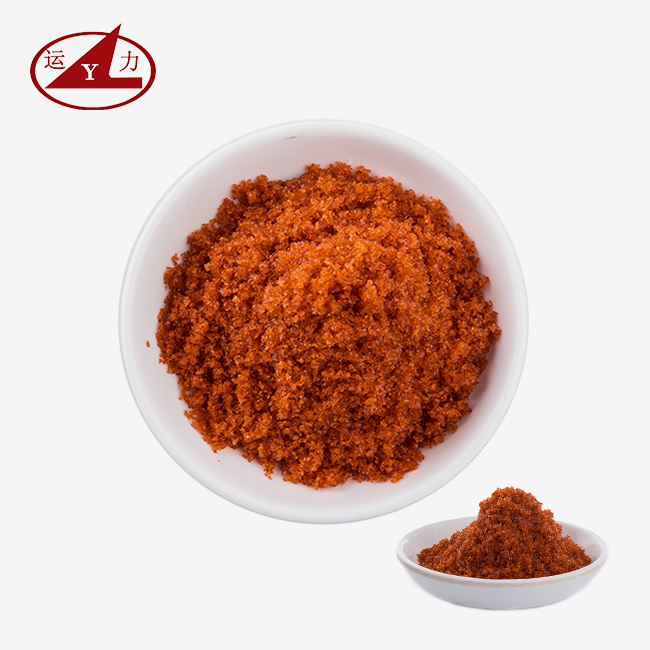
The chemistry make-up is very important when we talk about zinc nutrients in agriculture. The molecular formula for Zinc Nitrate Hexahydrate is Zn(NO3)2·6H2O, and its molecular weight is 297.47. The fact that this colourless compound dissolves very easily in both water and alcohol makes it very useful for making liquid fertiliser.
Chemical Composition and Concentration Parameters
Zinc Nitrate Solutions for agriculture usually have active ingredient amounts of 40 to 50 percent by weight. The crystal form of hexahydrate has a specific density of 2.065 and a melting point of 36.4°C. At 37°C, it changes into a form that doesn't contain water. When the substance is dissolved, an acidic solution is formed with a pH range of 1.0 to 4.0 in concentrated forms. However, in agriculture, stronger solutions with a pH range of 3.5 to 4.5 are usually used to protect plant cells.
The density of the solution changes from 1.35 to 1.55 g/cm³ based on the concentration. Growers and purchasing managers can use easy specific gravity measures to check that the products are all the same. Ready-to-dilute liquid formulations don't need to be prepared ahead of time, and their concentration stays the same throughout application cycles, unlike solid forms that need energy-intensive dissolving processes.
Safety, Storage, and Regulatory Compliance
Because it is a strong oxidiser, Zinc Nitrate Solution is considered a Class 5.1 dangerous material. It doesn't burn on its own, but when it comes in contact with something flammable, it gives off oxygen that makes the fire stronger. Acid-resistant containers made of stainless steel (SS304/316) or high-density polyethylene (HDPE) must be used to separate this material from organic chemicals and flammables in storage sites.
Controlling the temperature is very important when warehousing. At temperatures below 15°C, solutions with less than a 45% concentration may crystallise, making precipitates that get stuck in spray equipment. Having heated storage areas or climate-controlled buildings stops this from happening. Material Safety Data Sheets (MSDS), Certificates of Analysis (COA), and following REACH and GHS rules are some of the things that are needed to make sure that regulations are followed in international supply lines.
Why Zinc Nitrate Solution is Essential for Fertilizer Spray Systems
Zinc is an important part of over 300 enzyme processes that happen in plants. Protein synthesis, hormone generation, and chlorophyll development are all directly affected by this micronutrient. If plants don't get enough zinc, their growth is hindered, their leaves don't expand as much, and their reproductive systems don't form properly.
Agronomic Impact of Zinc Deficiency
Interveinal chlorosis, shorter internodes, and less fruit set are all visible signs of zinc shortage. Based on research from agricultural colleges, zinc-deficient maize fields have yield losses of 15–30%, and citrus trees have lower sugar content and lower quality fruit. When procurement managers look at vitamin supplementation programs, they need to think about how these production losses affect income.
When you look at correction costs versus yield recovery, the economics become very convincing. Applying Zinc Nitrate Solution to the leaves at the right time during the growing stages can get the plant back to normal growth within 7–14 days, stopping losses that build up over the season. Nitrate-based products react quickly, setting them apart from soil amendments that take longer to work.
Comparative Advantages Over Alternative Zinc Sources
When looking at different ways to deliver zinc, Zinc Nitrate Solution works better than zinc sulphate and zinc chloride in a number of ways. In 48 hours, more than 70% of the nitrate form is absorbed through the leaves, while only 45–55% of the sulphate form is absorbed. This better uptake efficiency lowers the number of times micronutrients need to be applied and their total cost.
To get the same amounts in tissues, zinc sulphate needs to be applied at higher rates, which raises the cost of materials and the environmental load. Zinc chloride is very water-soluble, but it releases chloride ions that build up in sensitive plants like grapes and stone fruits and burn the leaves and lower the quality. Zinc Nitrate Solution avoids these problems and at the same time gives you extra nitrogen through the nitrate part. This is a double nutritional benefit that is especially helpful when your metabolism is working hard.
Environmental concerns are becoming more and more important in buying choices. Zinc Nitrate Solution doesn't stay in the soil as long as sulphate forms do, which lowers the risk of long-term buildup in heavy production systems. Because it dissolves completely in water, it doesn't build up in irrigation systems and spray equipment, which means they last longer and cost less to maintain.
Best Practices for Applying Zinc Nitrate Solution in Fertilizer Spray Systems
Paying attention to solution preparation, timing, and equipment compatibility is important for a successful implementation. These operational details determine whether growers get the most out of the micronutrients they buy.
Solution Preparation and Dilution Protocols
Zinc Nitrate Solution amounts in the spray tank are usually between 0.1% and 0.5% when used in agriculture. To figure out exact reduction ratios, you must first know how much zinc you want to give. For field crops, this is usually 0.25 to 0.75 pounds of elemental zinc per acre, and for tree crops, it's usually 1.0 to 2.0 pounds per acre. Growers can figure out how much a 45% w/w Zinc Nitrate Solution they need by looking at the size of their tanks and the area they need to treat.
How you mix things is very important. Always add Zinc Nitrate Solution to spray tanks that are only partly full while keeping the mixture moving. This stops concentration differences and makes sure that the spread is even. After mixing, check the pH and make any necessary changes to keep it between 5.5 and 6.5 for the best uptake by the leaves. Zinc Nitrate Solution should not be mixed with alkaline herbicides or fertilisers that contain phosphate because they may cause precipitation.
Equipment Selection and Maintenance Considerations
Choose the right material to make sure it works with your spray system. Because Zinc Nitrate Solution is acidic, it needs parts that don't rust, like stainless steel valves, EPDM seals, and chemically suitable pump housings. Standard brass fittings break down quickly in acidic nitrate solutions, which can cause leaks and contamination problems.
The choice of nozzle affects the even covering and the distribution of spray sizes. Flat-fan nozzles that make 200–300 micron drops cover the leaf surfaces of field crops very well. Hollow-cone nozzles are better for tree crop treatments because they can better enter canopy structures. Keep the spray pressure between 40 and 60 PSI for the best atomisation without too much spread.
Spray systems should be flushed with clean water after each use to keep crystals from forming in the lines and nozzles. If you leave residual Zinc Nitrate Solution in equipment overnight, it hardens into deposits that block flow paths and make it harder to get the job done correctly in the future. To keep accuracy standards, the system should be checked once a week, and the filter screen and nozzle opening should be checked.
Case Study Evidence and Performance Outcomes
Zinc Nitrate Solution foliar treatments were shown to be helpful in California almond fields in a well-documented study. Three times in early spring, growers used 0.3% Zinc Nitrate Solution, which gave each acre a total of 1.5 pounds of elemental zinc. The treated blocks had 22% more nuts set than the untreated controls, which means that each acre produced an extra 380 pounds of usable fruit. Leaf tissue analysis showed that zinc levels rose from not enough (12 ppm) to just right (28 ppm) within ten days of the first application.
In the same way, maize farmers in the Midwest recorded reactions in soils that were low in zinc. When applied to the leaves between the V4 and V6 stages of growth, they got rid of the typical signs of shortage and brought back yield potential that had been lost to early-season stress. After taking into account the cost of materials, the time and money spent on application, and the higher yield value, economic research showed that the Zinc Nitrate Solution program gave a return of $8.50 for every dollar invested.
Procurement Insights for Zinc Nitrate Solution
To find high-quality Zinc Nitrate Solution, you need to look at more than just price when comparing suppliers. To keep operational risks to a minimum, procurement managers must look at things like manufacturing consistency, regulatory compliance, and the reliability of the supply chain.
Supplier Qualification Criteria
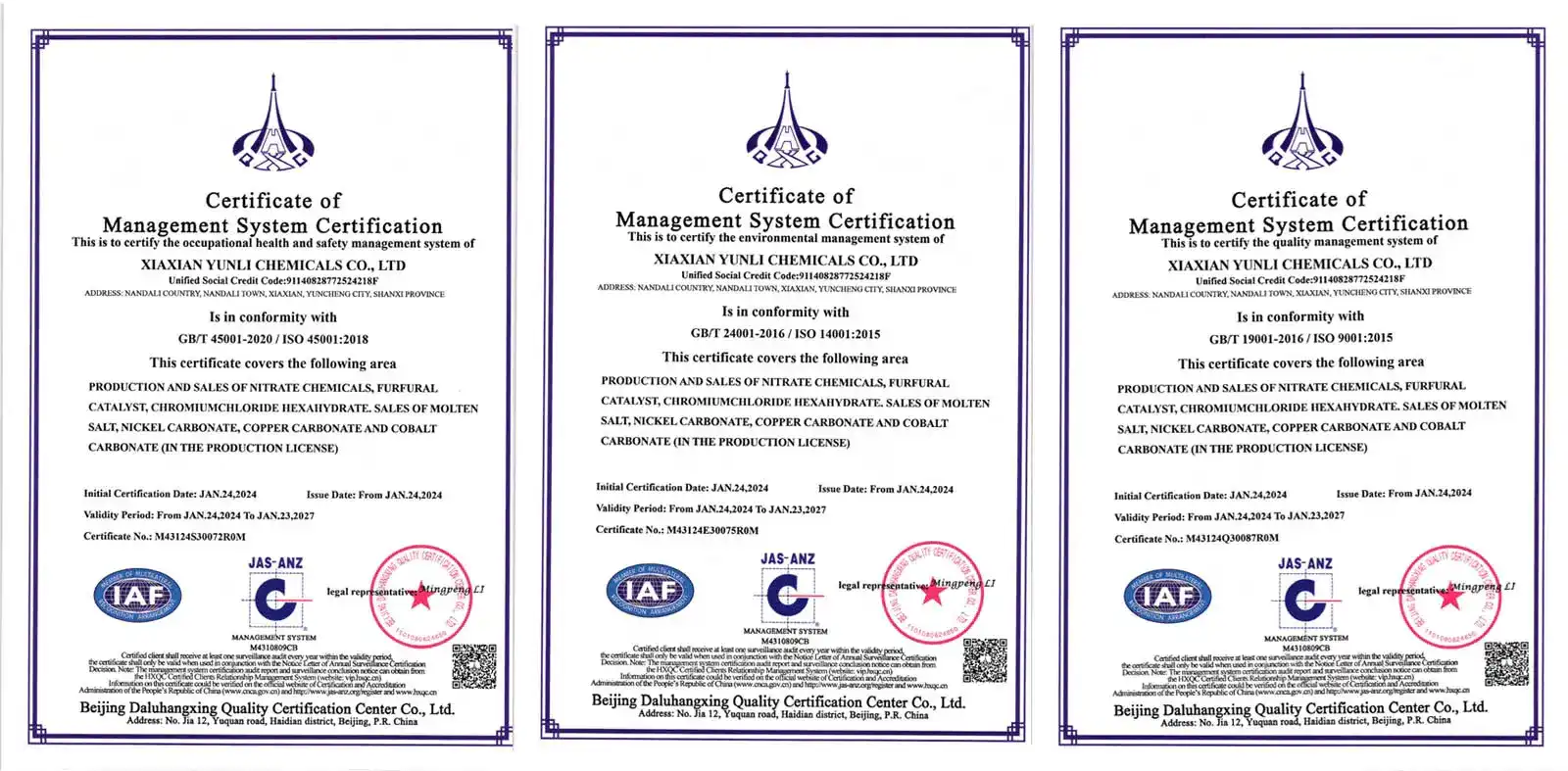
Certifications from manufacturers are the basis for evaluating suppliers. The ISO 9001 quality management certification shows that the process is controlled in a way that makes sure stability from batch to batch. The ISO 14001 environmental management certification shows that a company uses responsible manufacturing practices and can follow the rules. Getting OHSAS 18001 approval for health and safety at work shows that you care about protecting workers and following safety rules.
Strategic partners are different from basic sellers in terms of their technical skills. Manufacturers that run corporate technology centers at the local level have their own labs that are equipped with ICP-MS and atomic absorption spectrometers. These buildings allow for strict quality control tests, such as looking for iron (Fe ≤30ppm normal, ≤20ppm for luxury types), lead, copper, and chloride contaminants. Controlling trace impurities is very important for sensitive uses where catalyst sickness or product contamination could happen.
Some indicators of the production scale are the amount of money made each year, the value of fixed assets, and the history of manufacturing. Producers that have been in business for 20 years or more, make more than $150 million a year, and have fixed assets worth more than $45 million show that they are financially stable and can keep providing goods. These measures lower the risks of buying things when suppliers go out of business or quality problems happen that cause production plans to slip.
Cost Analysis and Logistics Planning
Zinc Nitrate Solution costs between $0.85 and $1.40 per pound of elemental zinc in the U.S. market. The exact price depends on the percentage, quality requirements, and the number of pounds ordered. Prices per unit are cheaper when you buy in bulk in IBC totes (275–330 gallons) than when you buy in drums (55 gallons). Long-term supply agreements that commit to yearly volumes can often get you price cuts of 8–15% and make sure you have enough during times of high demand.
Because oxidisers are classified, shipping operations need to be handled in a certain way. Transportation costs include hazmat fees, the cost of getting a sticker, and the cost of getting a carrier license. Lead times from well-known manufacturers in the United States are between 10 and 21 days for standard orders, but faster production is possible for pressing needs. International shipments need extra paperwork, like declarations of dangerous goods and import permits that are specific to the country.
Some of the things that suppliers can do that help procurement processes are custom concentration formulation, flexible packaging choices, and technical support services. Manufacturers who give away free samples of up to 500 grams make it possible to test and confirm before committing to large-scale production. Full paperwork packages that include MSDS, COA, and application rules speed up the buying process and make internal approvals easier.
Addressing Safety and Environmental Concerns
To use Zinc Nitrate Solution responsibly, you need to know about the possible risks and take the right steps to lower those risks. Safety rules keep workers safe, and caring for the environment makes sure that farming practices last.
Occupational Safety Protocols
Exposure risks for workers mostly come from skin touch and breathing in during working tasks. It is important to wear chemical-resistant gloves, safety masks, and protective covers when mixing and loading because concentrated solutions have an acidic pH that can irritate the skin and mucous membranes. In small areas, breathing protection may be needed to keep mists and vapours from getting into the lungs.
Accidental spills and exposure events should be included in plans for how to respond to emergencies. For 15 minutes after immediate skin contact, the affected areas must be flushed with lots of water. Exposures to the eyes need to be kept moist while you get medical help. Small spills are contained by first neutralising them with a sodium bicarbonate solution and then soaking up the liquids with harmless materials like sand or vermiculite. Professional hazmat reaction teams that are trained to handle oxidiser events are needed for big spills.
Training programs make sure that employees know how to handle things properly, what to do in an emergency, and how to give first aid. Safety training compliance documentation meets OSHA standards and lowers lawsuit risks. Safety checks are done on a regular basis to make sure that storage areas follow the rules for separating items, letting air flow, and labelling.
Environmental Impact and Sustainability Practices
When used according to best management practices, Zinc Nitrate Solution at the recommended agronomic rates doesn't pose many environmental risks. Due to its high water solubility, the chemical may leach through sandy, low-organic-matter soils if too much is applied. Choosing the right rate based on testing the soil and analysing tissue stops over-application and external loading.
Denitrification processes in soils break down nitrate components naturally by living things. Zinc ions stick to earth bits and organic matter, making them available for plants to take up for a long time. When used properly, Zinc Nitrate Solution residues don't bioaccumulate through food chains like persistent organic chemicals do. They also don't cause long-term contamination problems.
As part of sustainable use practices, full nutrient management programs that keep all the important parts in balance are used. Soil and tissue tests help with application choices, making sure that zinc supplements fill in known gaps instead of just being added on time every month. Precision agriculture technologies, like variable-rate application systems, make the best use of vitamin distribution by adding more nutrients only where they are needed and lessening their inputs where they are already present.
Documentation of environmental compliance gives stakeholders who are worried about the long-term viability of agriculture peace of mind. Suppliers who use closed-loop wastewater recycling systems and NOx absorption technologies show that they want to reduce the negative effects of production. As agricultural operations are more closely looked at for their supply chain sustainability profiles, these environmental credentials become more important in purchasing decisions.

Conclusion
Zinc Nitrate Solution has been shown to work well in farm spray programs because it improves foliar uptake, fixes deficiencies quickly, and is easy to use. Its chemical makeup allows for precise delivery of nutrients during key growth stages, which stops yield losses caused by zinc deficiency. This micronutrient mix works reliably in a wide range of crop systems when it comes from approved makers who follow strict quality standards. When looking at zinc supplementation programs, procurement workers should put the supplier's analytical tests, legal compliance, and technical support services that make sure stable product quality and application success at the top of the list.
FAQ
What concentration should I use for foliar zinc nitrate applications?
Zinc Nitrate Solution concentrations of 0.1 to 0.5% are usually used in agricultural foliar sprays, which is equal to 1 to 5 pounds of product per 100 gallons of water. Field crops do well with concentrations of 0.2 to 0.3%, but tree crops might need solutions of 0.3 to 0.5% to get through the canopy. For annuals, the application rate should be 0.25 to 0.75 pounds of elemental zinc per acre, and for perennials, it should be 1 to 2 pounds per acre. The actual amounts rely on the type of crop, how bad the deficiency is, and the stage of growth.
How does zinc nitrate compare cost-effectively to zinc sulfate?
Zinc Nitrate Solution costs more per pound than zinc sulphate, but it is better at absorbing into plant leaves (70% vs. 45–55%), which means less application is needed overall. Costs per pound of zinc actually taken by plants are about the same, according to economic studies. Zinc Nitrate Solution has extra nitrogen in it, which adds to its nutritional value and might mean that less separate nitrogen fertiliser is needed. Total cost-of-ownership calculations favour nitrate formulations even more when you consider the lower costs of equipment maintenance that come from complete solubility.
What safety precautions are essential during storage and handling?
Because it oxidises things, Zinc Nitrate Solution should be kept in acid-proof containers away from things that can catch fire. Keep the storage temperature above 15°C to keep solutions below 45% concentration from crystallising. Wearing chemical-resistant gloves and safety masks are examples of personal protective equipment that workers use while handling. Make sure storage places have enough air flow and keep things that don't go together separate. Make sure that the full MSDS paperwork is easy to find and that employees know what to do in case of an emergency with a spill or exposure.
Partner with Yunli Chemical for Premium Zinc Nitrate Solution Supply
Yunli Chemical provides completely pure Zinc Nitrate Solution that is made for tough industrial and farming uses. Our enterprise technology center at the provincial level makes sure that quality is always the same by using advanced analytical tools like ICP-MS and atomic absorption spectroscopy to keep strict controls on impurities and keep iron content below 30ppm. We have been making products for over 20 years and are ISO 9001, ISO 14001, and OHSAS approved.
We offer different concentrations (from 40 to 50%), a range of packing options (from drums to IBC totes), and factory-direct prices that don't include markups for middlemen. Our export business is self-run and offers reliable foreign shipping with full paperwork support. You can email our team at wangjuan202301@outlook.com to get free samples (up to 500 grams), talk about your unique needs, or get full technical data sheets. Visit yunlichemical.com to see our full selection of over 60 different types of nitrate, which can be bought all in one place.
References
1. Alloway, B.J. (2008). "Zinc in Soils and Crop Nutrition." International Zinc Association, Brussels, Belgium.
2. Brown, P.H., and Hu, H. (1996). "Foliar Application of Micronutrients: Absorption, Translocation, and Function." Proceedings of the International Symposium on Foliar Nutrition of Perennial Fruit Plants.
3. Cakmak, I. (2008). "Enrichment of Cereal Grains with Zinc: Agronomic or Genetic Biofortification?" Plant and Soil, 302(1-2): 1-17.
4. Marschner, H. (2011). "Mineral Nutrition of Higher Plants." Third Edition, Academic Press, London, UK.
5. Swietlik, D., and Faust, M. (1984). "Foliar Nutrition of Fruit Crops." Horticultural Reviews, Volume 6, AVI Publishing Company.
6. United States Environmental Protection Agency. (2006). "Reregistration Eligibility Decision for Zinc Salts." EPA Publication 738-R-06-020, Washington, DC.