





Copper Nitrate Applications in Electroplating, Pigments, and Mining
Copper nitrate trihydrate (Cu(NO₃)₂·3H₂O, CAS 10031-43-3) serves as a critical industrial chemical across electroplating, pigment manufacturing, and mining operations. This blue crystalline compound offers exceptional solubility in water and ethanol, making it invaluable for precision applications requiring rapid dissolution and uniform distribution. Its role as a strong oxidizer and catalyst precursor addresses key challenges in surface treatment, colorant stability, and ore processing efficiency, positioning it as an essential raw material for mid-sized manufacturers seeking reliable, high-purity chemical solutions.
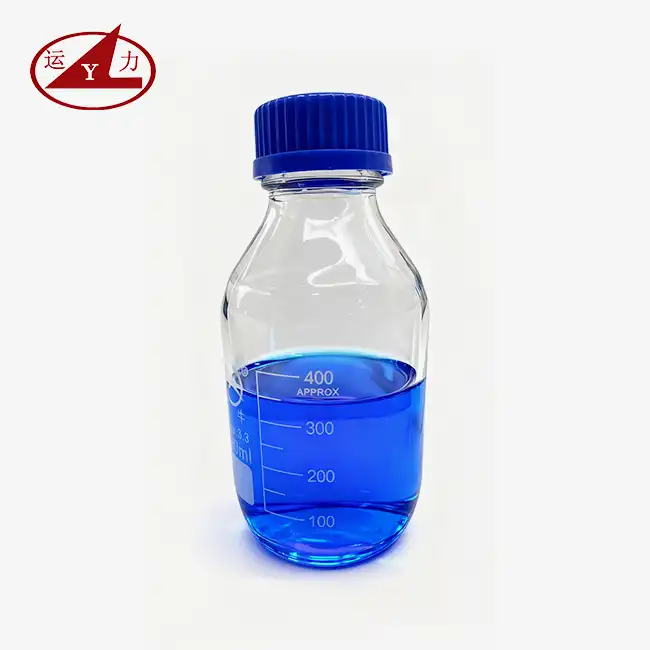
Understanding Copper Nitrate: Properties and Industrial Relevance
The molecular structure of cupric nitrate trihydrate has a direct effect on how it can be used in industry. This chemical is hygroscopic, meaning it easily absorbs water from the air. Its molecular weight is 241.6 g/mol and its melting point is 114.5°C. It can be used in controlled chemical reactions where precise pH control is important because it has a specific density of 2.05 and dissolves easily in acidic water solutions (pH = 4.0). When heated above 170°C, the compound breaks down and releases nitrogen oxides. This property is used to prepare catalysts when thermal transformation into copper oxide is needed.
Safe Handling and Storage Requirements
Because it oxidizes, Copper Nitrate trihydrate needs very strict safety rules. When mixed with organic materials or reducing agents under heat, friction, or contact, the substance can start a fire. Toxic nitrogen dioxide gas is released during thermal decomposition, so production areas need to have good ventilation and respiratory protection.
Because it is acidic and reactive, it irritates the skin when it comes in touch with it. Controlling the relative humidity and keeping temperatures below 25°C are important for storage facilities. To stop deliquescence, which is when crystalline materials melt and make automatic feeding systems less effective, closed, corrosion-resistant containers with desiccants should be used.
Quality Specifications for Industrial Applications
Industrial-grade goods usually have a purity level of at least 98%, while analytical reagent (AR) and American Chemical Society (ACS) grades have levels of 99% to 99.99% purity. Important impurity levels include iron content (≤30 ppm for catalyst uses), chloride levels (<10 ppm to stop metal finishing rust), and solid matter (<0.05%).
These conditions have a direct effect on the results of the process. For example, high chloride levels cause pitting rust in electroplating pools, and high iron levels stop the catalytic activity from working in methanol synthesis. Yunli Chemical uses ICP-MS and atomic absorption spectrometry to make sure that each batch is the same. They also make sure that every shipment meets the stated specs by providing full records of analysis.
Core Applications of Copper Nitrate in Industry
Electroplating and Surface Treatment Solutions
Compared to standard copper sulfate electrolytes, cupric nitrate solutions offer better throwing power in metal finishing processes. Because the nitrate ion is not complex, it is possible to precisely control the concentration of copper ions. This makes it possible to place copper layers evenly across complex shapes, which is very useful in the electronics industry where circuit boards need even copper layers on through-holes and recessed features. Because the compound is very soluble, it is possible to make concentrated plating baths without worrying about precipitation. This means that bath maintenance can be done faster.
Liquid Copper Nitrate versions skip the difficult dissolving step that is needed with crystalline salts, which cuts the time needed for preparation by about 30%. Handling hygroscopic powders can be bad for your health, but pre-dissolved liquids reduce the amount of dust you are exposed to. Cupric nitrate-based formulations that are RoHS-compliant help the industry move away from hexavalent chromium. They provide an eco-friendly option for coatings that are used for function and decoration on auto parts, plumbing fixtures, and consumer electronics.
Pigment and Dye Manufacturing Applications
Copper Nitrate trihydrate is a useful chemical step for making copper-based colors because it reacts with other chemicals. It turns into copper carbonate or copper hydroxide precursors when mixed with carbonates or hydroxides. These precursors then break down into copper oxide, a basic pigment that gives colors ranging from green to black depending on particle size and oxidation state. Because the nitrate dissolves completely in water, it makes sure that the precipitation reactions are uniform. This makes pigment particles with a controlled size distribution and color consistency.
Copper Nitrate is used as a mordant in textile dyeing. It forms coordination complexes with dye molecules that help the fabric stick together and keep its color. Instead of copper sulfate, which adds sulfate ions that can mess up some color chemistry, the nitrate version reacts more easily. Copper Nitrate is used in ceramic glazing to create turquoise and blue tones. The compound's thermal decomposition behavior lets us predict how the color will change during firing cycles. The lack of sulfur impurities stops unnecessary reduction processes that could make the glaze look dull.
Mining and Metallurgical Process Enhancement
Copper Nitrate is used in specific ways in hydrometallurgical extraction, mostly when sulfide ores are leached by oxygen. Its ability to oxidize speeds up the removal of copper from chalcopyrite and other hard minerals that don't dissolve easily in acidic solutions. The nitrate ion restores ferric iron, which keeps the oxidation potential in leach solutions stable without the need for expensive oxidizing gasses. This method lowers the cost of aeration systems and raises the rate of copper recovery from ore bodies that aren't very good or are complicated.
Cupric nitrate is a sulfide mineral activator that helps flotation processes. Small changes made to flotation circuits improve collection adsorption on mineral surfaces, which makes it easier to separate valuable copper minerals from other materials that aren't copper. Because the chemical is easily dissolved, it spreads quickly through pulp slurries and activates all particle populations in the same way. Biological denitrification of nitrate ions is easier than biological denitrification of sulfates in tailings management systems, so nitrate-based chemicals are better for the environment in places with strict sulfate release limits.
Procurement Insights: Sourcing Copper Nitrate for B2B Clients
To choose the right purity grades, you must first match the technical requirements with the needs of the end use. Ultra-low iron grades (≤10 ppm) are needed by catalyst manufacturers to keep the catalysts from poisoning. Higher impurity levels are okay for agricultural fertilizer uses as long as the heavy metal content stays below organic certification thresholds. When electroplating, controlling salt and keeping pH levels stable are the most important things. This means that vendors need to be qualified based on data about how their products vary from batch to batch instead of just one certification.
Yunli Chemical stands out because its product parameters can be changed to fit the needs of different production processes. We offer more than just standard crystalline forms. We also have pH-stabilized solutions, particle size customization (20–80 mesh for best dissolution kinetics), and pre-dissolved liquid concentrates in a range of strengths. Our provincial-level technology center makes it possible to create unique formulations that solve problems that generic suppliers don't see, like low-moisture API-grade material for pharmaceutical synthesis or anti-caking crystals for warm areas.
Evaluating Supplier Reliability and Compliance
Certification depth shows how mature a provider is and how well they can manage risk. Certifications like ISO 9001 for quality management, ISO 14001 for environmental compliance, and OHSAS 18001 for occupational safety show that the manufacturing process is controlled in a planned way, not just when it's convenient.
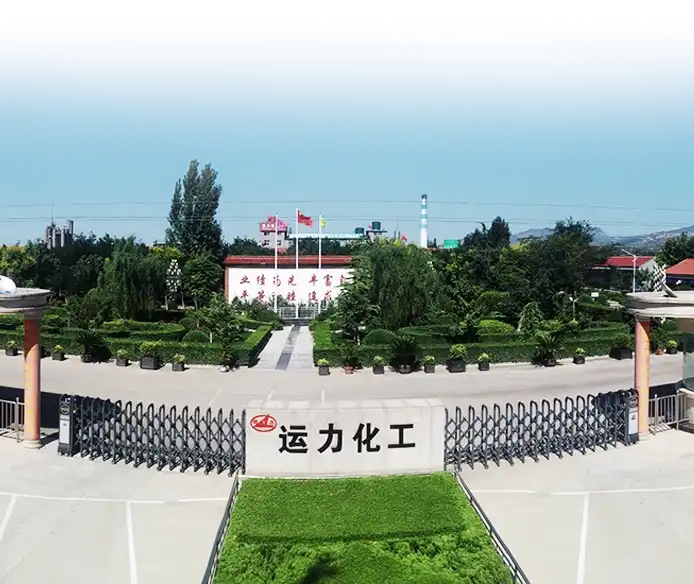
Yunli Chemical has been in business for 20 years and makes RMB 1 billion in sales every year. This shows that the company is financially stable and has a large production scale, which lowers the risk of supply interruptions that smaller businesses face during shortages of raw materials or government enforcement efforts. Copper Nitrate is one of the key products in this stable supply chain, further demonstrating the company’s ability to maintain consistent output even for specialized chemical materials.
Transactional vendors and strategic partners are different in terms of the level of technical support they offer. Troubleshooting can go beyond just replacing a product if you have access to application engineers who know about the chemistry of an electroplating bath, the steps for making a catalyst, or the conditions of a mining process.
Yunli Chemical's team, which is made up of coal-chemical engineers, gives formulation advice for projects that replace imports and try to cut costs. Our labs can do research that is specific to each customer, making sure that the product works well in real-world situations before committing to large-scale purchases.
Packaging and Logistics Considerations
Because Copper Nitrate absorbs moisture, it needs to be packaged in a way that keeps moisture out. For industrial standards, polyethylene-lined woven bags with heat-sealed seals are used. For high-purity types, metal foil vapor shields are also used. Shipping liquids in bulk in HDPE drums or ISO tank containers cuts down on wasteful shipping and makes things easier for people who buy a lot. As a Class 5.1 oxidizer according to UN 1477, it must be kept away from burning materials during shipping and come with the right labels and emergency contact information.
Order quantities that are flexible can accommodate different buying habits. Yunli Chemical doesn't have a minimum order size because they know that research and development projects and test production runs need smaller amounts than regular manufacturing operations. Offering free samples of up to 500 grams lets you do a bench-scale test before deciding to buy. Labels and paperwork that are made just for each customer help them meet the rules in a wide range of markets, from Europe for REACH registration to the US for FDA drug master file documentation for pharmaceutical uses.
Comparing Copper Nitrate with Alternative Copper Compounds
Copper sulfate (CuSO4₄5H2O) is used most often in traditional electroplating because it is easy to work with and doesn't cost as much. But sulfate ions form solid complexes with bath chemicals, which makes it harder to change the composition and limits the freedom of operations. Because cupric nitrate doesn't form complexes, it's easier to manage additives and higher copper concentrations can be used without precipitation. The choice depends on the needs of the production: sulfate is cheaper for high-volume standard plating, while nitrate is better for low-volume custom work because it gives the process more freedom.
Copper chloride (CuCl₂) has better throwing power in some plating tasks, but it can cause substrates and equipment to rust because chloride ions attack them. Nitrate-based systems don't have this problem and still have good deposit spread. Environmental laws are making it harder to release chloride, which makes nitrate options appealing even though they cost more in chemicals. Instead of just looking at chemical unit prices, economic research should also look at how much it costs to clean waste, how long equipment lasts, and how often it needs to be fixed.
Copper oxide (CuO) can be used as a straight colorant and catalyst, but it can't be mixed with water to allow for wet chemical processing. Controlled thermal breakdown of Copper Nitrate to oxide allows for particle size control and morphology improvement that aren't possible when getting oxide directly. Cupric nitrate is expensive because it can be used in a lot of different ways. However, this makes it worth it for companies that need oxides with certain properties, like nanoscale catalysts or pigments with clear crystalline phases.
Best Practices and Future Outlook in Copper Nitrate Applications
Optimizing Process Efficiency and Product Quality
For best results in electroplating, keep the Copper Nitrate bath content between 200 and 300 g/L and keep the pH between 3.5 and 4.2 by adding nitric acid or ammonia in small amounts. Controlling the temperature between 25°C and 40°C strikes a balance between the rate of deposition and the stability of the bath. Gentle stirring stops concentration differences that lead to uneven plating. Carbon cleaning on a regular basis gets rid of organic pollution, which extends the life of the bath and keeps the deposit bright. By using titration or spectrophotometry to measure the amounts of copper and nitrate in a bath, changes can be made before quality problems happen.
Controlled precipitation conditions are good for pigment production. When you add Copper Nitrate solution to carbonate or hydroxide suspensions and keep an eye on the temperature and pH, the particles form evenly. Post-precipitation drying in controlled atmospheres improves the color and crystallinity of the material. Washing methods need to get rid of all amounts of nitrate ions because they change the color when they dry and heat. When washed pigment slurries are dried by spray drying, they turn into free-flowing powders that are easier to mix than oven-dried cakes.
Sustainability and Regulatory Trends
Material choices are being affected more and more by environmental responsibility. In aquatic ecosystems, Copper Nitrate's biodegradable nitrate ion is preferable to alternatives like sulfate or chloride. Biological denitrification in wastewater treatment changes nitrate into safe nitrogen gas. This is better for the environment than sulfate precipitation, which needs to be disposed of as sludge. When biological polishing systems are used with nitrate-based leaching agents, mining activities that are being watched for their effects on water quality can get better discharge profiles.
Closed-loop chemistry management is supported by changes in regulations that lead to circular economy models. Through electrical or chemical oxidation of reduced copper species, Copper Nitrate can be made again from used electrolytes thanks to its oxidizing qualities. Creating these recovery methods cuts down on the use of new chemicals and trash, which is in line with new global standards for extended producer responsibility. As rules get stricter, suppliers who offer expert partnership on process intensification and chemical recycling will be in a better situation.
Conclusion
Copper Nitrate trihydrate dramatically improves performance in electroplating, pigment production, and mining because it dissolves easily, breaks down slowly at high temperatures, and can oxidize. For implementation to go well, purity grades must be matched to application needs, proper handling must be put in place, and suppliers must be able to handle the technology.
As companies focus on being environmentally friendly and improving their processes, cupric nitrate's cleaner chemistry and ability to be mixed in a variety of ways make it a smart material choice. Instead of just looking at unit chemical prices, procurement choices should take into account the total cost of ownership, which includes things like quality consistency, expert support, and regulatory alignment.

FAQ
What safety precautions are essential when handling copper nitrate trihydrate?
Wearing nitrile gloves, safety masks, and lab coats keeps your skin and eyes from coming into contact with this acidic chemical. Work areas need to have enough air flow to get rid of breakdown gasses that might build up if they get too hot. NFPA rules say that Copper Nitrate must be kept away from organic acids, reducing agents, and things that can catch fire. Eyewash stations and safety showers should be placed within 10 seconds of working areas and be part of emergency tools.
How does copper nitrate compare to copper sulfate in electroplating performance?
Cupric nitrate has better throwing power and is easier to manage in the bath because the nitrate ions don't form complexes. This means that higher copper concentrations can be used without precipitation. Copper sulfate is a cheaper raw material, but it forms strong complexes with bath ingredients that make it harder to make changes to the recipe. For tasks that need even deposition on complicated shapes, nitrate systems work best. For high-volume standard plating, sulfate-based electrolytes may work well enough at a lower chemical cost.
What factors influence bulk pricing for industrial copper nitrate?
Base prices are based on purity standards, with catalyst-grade material costing more because it has very few impurities. Unit costs are affected by the number of orders, the type of packaging needed, and the logistics of delivery. Raw material costs are affected by changes in the markets for copper metal and nitric acid. Most of the time, long-term supply agreements get better prices than spot purchases. Customization services, like changing the pH level or specifying the particle size, make the product more valuable, but they cost more per unit than normal commercial grades.
Partner with Yunli Chemical for Reliable Copper Nitrate Supply
Yunli Chemical is ready to help you with your buying needs by providing you with high-purity Copper Nitrate trihydrate. They have been making chemicals for twenty years and have a lot of experience. Our ISO-certified factories in Shanxi Province use advanced quality control methods like ICP-MS and atomic absorption analysis to make sure the products we sell are of the highest quality.
We can also change the particle sizes, concentrations, and purity grades (from 98% to 99.99%). Copper Nitrate makers with provincial technology center accreditation and yearly sales of RMB 1 billion can rely on us to provide consistent batches, stable supply chains, and quick technical support. These are things that mid-sized catalyst producers, electroplaters, and specialty chemical manufacturers count on.
Our model of direct plant supply gets rid of markups for middlemen while keeping high quality standards that meet ASTM and RoHS standards. Whether you need ultra-low iron grades for methanol catalysts, chloride-controlled formulations for precision electroplating, or heavy metal-compliant solutions for water-soluble fertilizers, our team can make it happen. There is no minimum order quantity, and you can get free 500-gram samples for testing your needs. Customized packing and paperwork help you meet the rules in foreign markets.
You can email our procurement specialists at wangjuan202301@outlook.com to talk about your specific application needs, get technical data sheets, or set up shipments of samples. Visit yunlichemical.com to see our full range of more than 60 nitrate compounds and learn how our combined research and development (R&D) can help you with your product creation efforts while lowering the cost of your purchases.
References
1. Smith, J.R., & Thompson, L.K. (2021). Advanced Electroplating Technologies: Copper Deposition Methods and Bath Chemistry. Industrial Coatings Journal, 45(3), 112-128.
2. Chen, W., & Rodriguez, M.A. (2020). Copper Compounds in Pigment Manufacturing: Synthesis, Characterization, and Application. Colorants and Additives International, 18(2), 67-89.
3. Peterson, H.D. (2022). Hydrometallurgical Processing of Copper Ores: Leaching Mechanisms and Oxidizer Selection. Minerals Engineering Quarterly, 34(1), 23-41.
4. International Labour Organization (2019). Safety Guidelines for Handling Oxidizing Chemicals in Industrial Settings. ILO Publications, Geneva.
5. Zhang, Q., Kumar, S., & Williams, P.T. (2023). Comparative Analysis of Copper Salts in Surface Treatment Applications. Journal of Applied Electrochemistry, 53(4), 891-907.
6. Environmental Protection Agency (2020). Best Management Practices for Nitrate Compounds in Industrial Wastewater Treatment. EPA Technical Guidance Series, Report EPA-821-R-20-003.







