


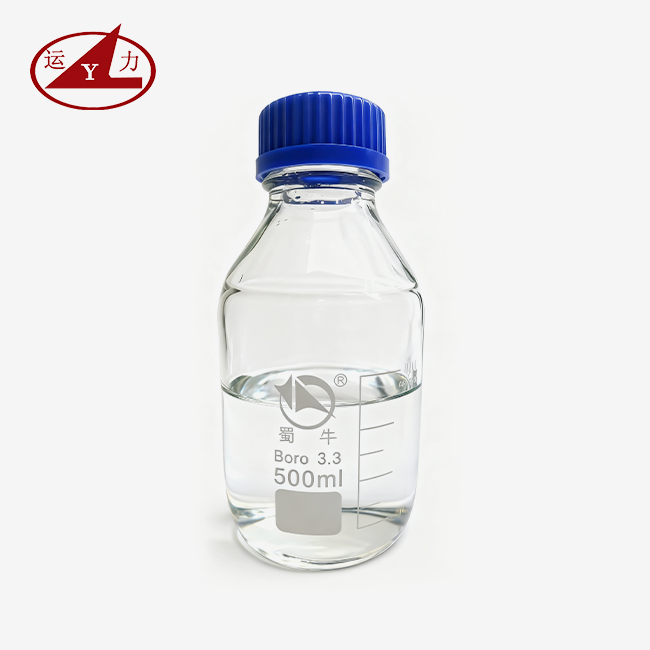
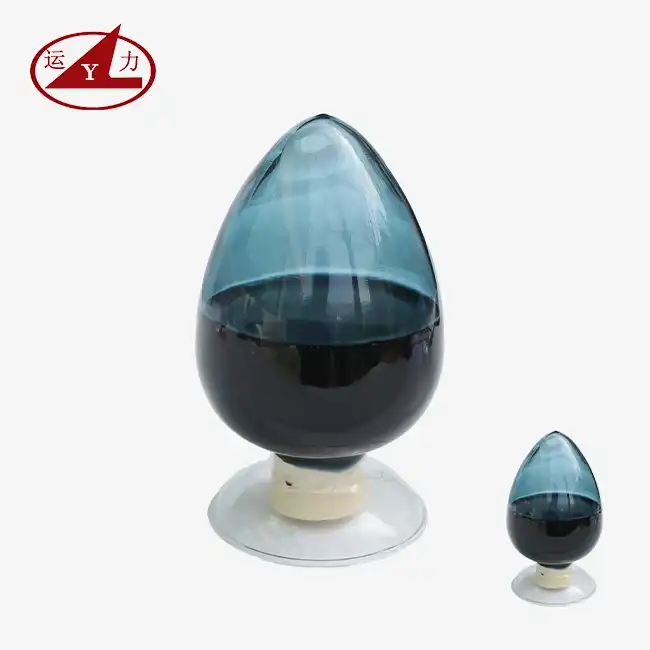
Does Copper Nitrate Solution Meet Common Laboratory Quality Standards?
Yes, Copper Nitrate Solution consistently meets common laboratory quality standards when sourced from certified manufacturers who maintain rigorous purity controls and analytical protocols. Most laboratory-grade formulations of copper nitrate solution comply with ACS reagent specifications or electronic-grade benchmarks, ensuring copper content accuracy, minimal trace metal contamination, and predictable pH levels.
These standards guarantee compatibility with sensitive analytical work, catalyst formulations, and electrochemical applications. When suppliers provide detailed Certificates of Analysis (COA) verifying assay results and impurity profiles through validated methods like ICP-OES and titration, laboratories gain the assurance needed for reproducible and compliant operations across research and industrial settings.
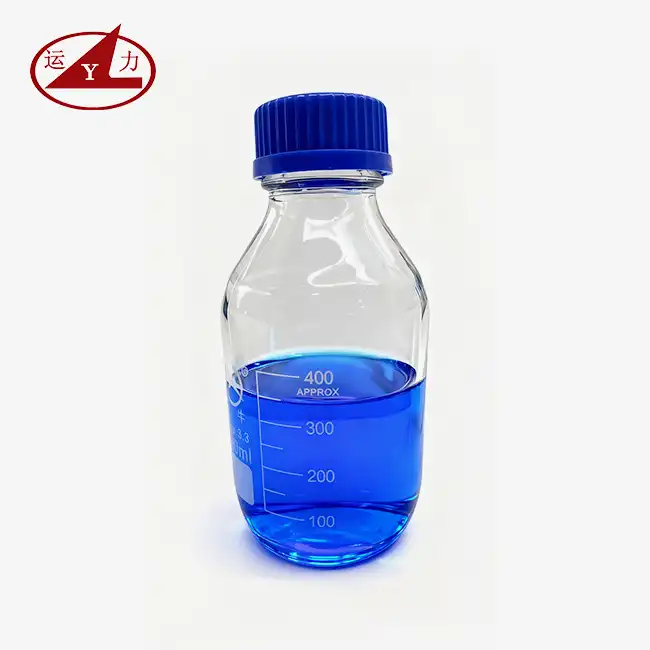
Understanding Copper Nitrate Solution and Its Lab-Grade Quality
Aqueous copper nitrate formulations are becoming more and more valuable to procurement teams and people who work in labs. Unlike solid copper nitrate trihydrate (CAS# 10031-43-3, molecular formula Cu(NO3)2·3H2O, and molecular weight 241.6), the liquid form is ready to be used right away in precise processes. This gets rid of the risks that come with handling hygroscopic crystals, making dust, and taking a long time to dissolve them.
Chemical Composition and Physical Properties
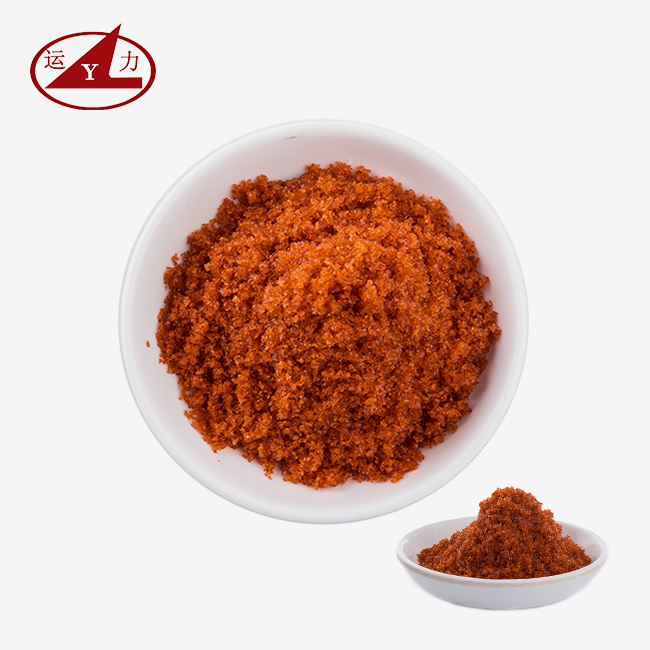
The trihydrate form looks like dark blue columnar crystals, has a specific density of 2.05, melts at 114.5°C, and breaks down at 170°C. It is easily broken down in water and ethanol, making an acidic water solution. As a strong oxidizer, it can catch fire when mixed with flammable substances and gives off harmful nitrogen oxide gasses when it burns. For controlled dosing environments, the pre-dissolved liquid format is a safer option.
Common Laboratory Applications
Copper Nitrate Solutions are used a lot in analytical chemistry to look for trace metals, catalyst synthesis where even impregnation of support materials is very important, and material science research that colors ceramics and dyes textiles. These uses need a steady amount of copper ions and little disturbance from other metals, which shows how important lab-grade specs are.
Quality Benchmarks for Lab Chemicals
Standard lab chemicals have to meet certain levels of purity, which are usually given as test percentages or the highest level of impurity that is allowed. Some important standards are checking the amount of copper in a sample using gravimetric or volumetric titration, measuring the amount of trace metal impurities using inductively coupled plasma optical emission spectrometry, and checking the amount of anion contamination using ion chromatography. Reliable testing results are based on things being stable during storage, not having any precipitates, and being the same from batch to batch.
Evaluating Copper Nitrate Solution: Purity, Concentration, and Safety Criteria
Choosing the right purity grades has a direct effect on how reliable operations are and how well they follow the rules. Managers in charge of buying things need to know how Copper Nitrate Solutions stack up against other copper salts and what concentration ranges work best for their processes.
Purity Standards and Comparative Analysis
High-purity Copper Nitrate Solutions used in electronics or catalyst production keep iron and sodium levels at or below 30 ppm. This keeps catalysts from getting poisoned and electroplating problems from happening. It's important to keep chloride and sulfate anions below 50 ppm to stop rusting and unwanted precipitation. Copper nitrate has more stable oxidation and nitration processes than copper sulfate or copper chloride. Copper sulfate can introduce sulfate ions that can mess up some catalytic cycles, and copper chloride can speed up rust in stainless steel equipment.
Ideal Concentration Ranges
According to the specific gravity scale, laboratory-grade solutions usually have copper concentrations of 1.30 to 1.55 g/cm³, or 10% to 16% by weight. Higher concentrations are better for industrial test plants and catalyst impregnation processes that need precise copper loading on alumina or silica supports. Lower concentrations are better for regular analytical work and educational settings. Adjustable pH levels between 1.5 and 3.0 make sure that the product stays stable over time and works with closed-loop recycling systems.
Safety Data and Handling Protocols
Copper Nitrate Solutions are very acidic (pH < 1.0) and strongly oxidizing, so they need to be stored in containers that won't rust, like high-density polyethylene or glass-lined vessels, instead of regular stainless steel ones. Acid-resistant gloves, face shields, and enough air flow to handle acidic vapors are all necessary pieces of personal protective equipment. Plans for spill containment call for neutralization right away with soda ash or lime, and secondary containment systems stop environmental release. Labels that are correctly labeled according to GHS classifications and that follow REACH and RoHS rules show that the provider cares about safety and the environment.
How to Verify Laboratory-Grade Copper Nitrate Solution from Suppliers
To find a reliable provider, you need to look at a number of quality signs and make sure that the certifications they have show that they follow strict manufacturing standards.
Critical Quality Metrics
Every package of Copper Nitrate Solution must include assay reports for copper content (usually within 0.5%), impurity profiles for iron, lead, nickel, sodium, chloride, and sulfate, and proof of insoluble matter below measurable limits. Batch tracking systems that connect production dates to sources of raw materials make it easy to quickly find out why quality problems happen. It is recommended that the analytical methods used, like titration, ICP-MS, atomic absorption spectrometry, or ion chromatography, follow the standards set by ASTM or ISO.
Industry Certifications and Compliance
Leading providers keep their ISO 9001 Quality Management System certification, which shows that they have organized ways to keep an eye on production and make improvements all the time. The ISO 14001 Environmental Management certification shows that you can handle trash and pollution in a responsible way.
Occupational health and safety certifications like OHSAS 18001 or ISO 45001 show that standards for worker protection have been met. REACH registration proves that chemicals meet European rules, and RoHS compliance limits the use of dangerous chemicals in products that will be used to make electronics.
Evaluating Supplier Documentation
By asking for old COA records from several production batches, you can see how accuracy has changed over time. Suppliers that offer adjustable concentrations, the ability to integrate additives, and flexible minimum order amounts show that they are technically flexible and focus on the needs of their customers. Building trust in long-term supply partnerships starts with clear communication about things like production lead times, packaging options, and logistics support, such as how to ship dangerous materials safely.
Procurement Best Practices for Copper Nitrate Solution in Bulk
To maximize prices, ensure consistency, and keep quality integrity throughout the supply chain, you need to plan strategically when you make more purchases.
Optimal Purchasing Channels
When you buy directly from manufacturers, you skip the markups that come from middlemen and get access to technical support teams that can help you with questions about formulation or process problems. International purchasing can be risky, but verified B2B platforms that offer supplier audits and transaction protections can help lower those risks. Regional chemical wholesalers who already have a cold chain in place can speed up delivery while keeping the product stable while it's in transit.
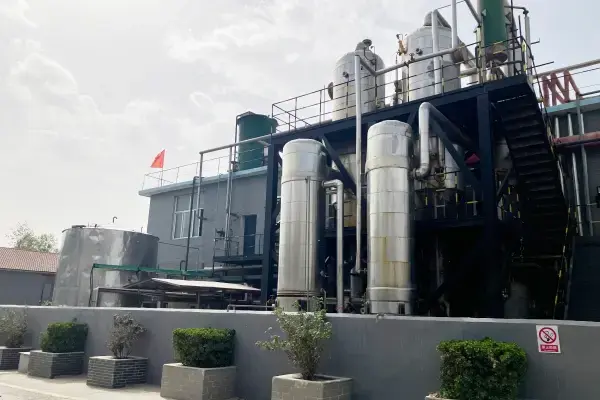
Building partnerships with companies that run provincial-level enterprise technology centers, like Yunli Chemical's facility in Shanxi Province, gives you access to cutting-edge research and development tools, such as 4N-grade ultra-pure materials and specially made formulations for specific electroplating or catalyst needs. Companies that have been in business for more than 18 years and make more than 1 billion yuan a year show that they are financially stable and have enough production capacity to lower the risk of supply chain disruptions.
Pricing Insights and Cost Considerations
Lab-grade Copper Nitrate Solutions are sold at different prices on the market depending on how much copper is in them, how pure they are, and how much they are ordered. When you buy more than 1,000 liters in bulk, you can often get discounts of 10% to 20%. When the iron content drops below 10 ppm or when electronic-grade standards require impurity levels below 10 ppm, purity premiums are used. Along with customs taxes for foreign shipments, the transportation costs for dangerous goods must be added to the total landing cost.
Packaging and Storage Requirements
Standard packaging includes HDPE drums that are 25 to 200 liters in size, and labels can be made to fit the rules in your area. To keep things from crystallizing, storage facilities must keep the temperature above 15°C, and secondary containment systems must catch any leaks that might happen. First-in, first-out rotation should be used in inventory management to keep quality changes from getting worse with age to a minimum, and re-analyzing kept materials on a regular basis makes sure they are still meeting specs.
Advantages of Choosing High-Quality Copper Nitrate Solution for Your Laboratory
Investing in high-quality formulations has measurable benefits that go beyond just saving money in the short term.
Superior Consistency and Performance
High-quality Copper Nitrate Solutions get rid of the differences that come from hygroscopic crystals not dissolving all the way or taking in water during storage. This consistency means that the catalyst loading can be repeated, the plating thickness can be kept the same, and the reaction kinetics can be predicted. Less experimental scatter helps research teams doing multi-phase studies, and better quality control and fewer batch rejects help production settings.
Enhanced Safety and Regulatory Compliance
Pre-dissolved liquid versions keep workers from being exposed to annoying dust and get rid of the need for special equipment that needs to be cleaned and tested. Suppliers with integrated wastewater recycling systems and NOx absorption facilities can help customers meet strict environmental discharge limits without having to spend a lot of money on on-site treatment infrastructure. These systems turn waste streams into sodium nitrate and sodium nitrite that can be used again. Compliance checks and training programs are easier to run when there is a lot of safety paperwork, like MSDS sheets and materials for communicating hazards.
Long-Term Cost Efficiency
Liquid formulations may seem more expensive per kilogram because they contain more water, but a total cost of ownership study shows that they are actually cheaper because they don't need as much energy, don't need as much dissolution work, and don't need as much machine upkeep. Lower levels of impurities make catalysts last longer and keep plating baths cleaner, which cuts down on the need for raw materials and the cost of treating waste. Reliable supply lines keep output from stopping, which protects customer promises and income streams.
Conclusion
Lab-grade Copper Nitrate Solutions definitely meet quality standards in the industry when they come from companies with clear quality paperwork, extensive certifications, and a history of successful analyzes. When procurement teams look at suppliers, they should give more weight to those that offer thorough Certificates of Analysis, a range of concentration choices, and strong records of environmental compliance.
The benefits of the liquid format—immediate usefulness, higher safety, and reliable performance—make it the best choice for making catalysts, electroplating, and analytical tasks. By working with well-known suppliers who keep their ISO certifications and provincial-level technology center accreditation, labs can be sure they will always have access to high-purity formulations that help with both routine tasks and advanced research projects, all while keeping costs low and meeting regulatory requirements.
FAQ
What copper concentration is suitable for catalyst synthesis?
For copper to effectively impregnate alumina or silica supports, catalyst manufacturers usually need copper concentrations of 13% to 16% by weight. This range gives enough copper ions to evenly spread across support pore structures while keeping the thickness at a level that can be easily controlled for spray or dip coating.
How should copper nitrate solutions be stored to prevent crystallization?
Salt doesn't form when storage temps stay above 15°C all the time. In cooler climates, facilities should put in heated storage rooms with tools that check the temperature. If crystallization happens, heating the solution slowly to 25–30°C and stirring it by hand will dissolve the crystals again, making the solution homogeneous again before it is used.
What disposal methods comply with environmental regulations?
Alkaline chemicals, such as sodium hydroxide or calcium hydroxide, are needed to neutralize waste solutions that contain copper. This makes copper precipitate as hydroxide gunk. Contractors who are qualified to handle toxic waste must pick up this trash so that it can be recycled or put in a landfill. Partnerships with providers that offer closed-loop recycling programs that recover copper values while handling nitrate-containing effluents through biological denitrification processes are good for facilities that make a lot of it.
Partner with Yunli Chemical for Certified Copper Nitrate Solution Supply
Yunli Chemical is a reliable company that makes Copper Nitrate Solution. They have been making products for 20 years and use cutting-edge quality control systems. Our plant in Shanxi Province is ISO 9001, ISO 14001, and OHSAS approved. It makes precision-grade formulations with iron and sodium levels ≤30 ppm, pH ranges that can be changed, and copper concentrations that can be changed from 10% to 60%. We get rid of the complexity of the supply chain by offering direct factory prices, no minimum order amounts, and free samples.
Our company technology center at the regional level provides high-purity materials that meet the requirements for electronic grade products. Integrated environmental systems make sure that REACH and RoHS rules are followed. Email our team at wangjuan202301@outlook.com to talk about your specific needs and have a smooth, reliable Copper Nitrate Solution procurement experience. You can look at all of our products right now at yunlichemical.com.

References
1. American Chemical Society. Reagent Chemicals: Specifications and Procedures for Reagents and Standard-Grade Reference Materials. 11th Edition. Washington, DC: ACS Publications, 2017.
2. Patnaik, Pradyot. Handbook of Inorganic Chemicals. New York: McGraw-Hill Professional, 2003.
3. International Organization for Standardization. ISO 6353-1:1982 Reagents for Chemical Analysis - Part 1: General Test Methods. Geneva: ISO, 1982.
4. National Institute for Occupational Safety and Health. NIOSH Pocket Guide to Chemical Hazards: Copper(II) Nitrate. Cincinnati: DHHS Publication, 2019.
5. European Chemicals Agency. Guidance on the Compilation of Safety Data Sheets - Version 4.0. Helsinki: ECHA, 2020.
6. Green, Don W., and Perry, Robert H. Perry's Chemical Engineers' Handbook. 9th Edition. New York: McGraw-Hill Education, 2018.