


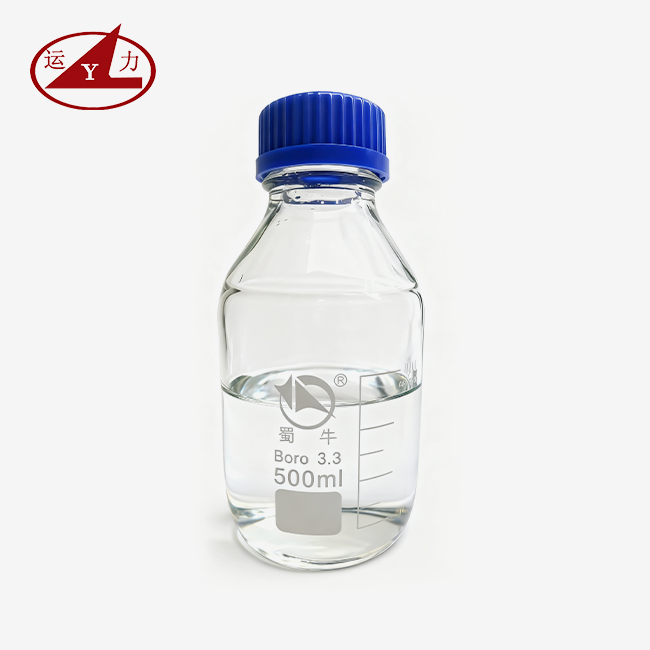
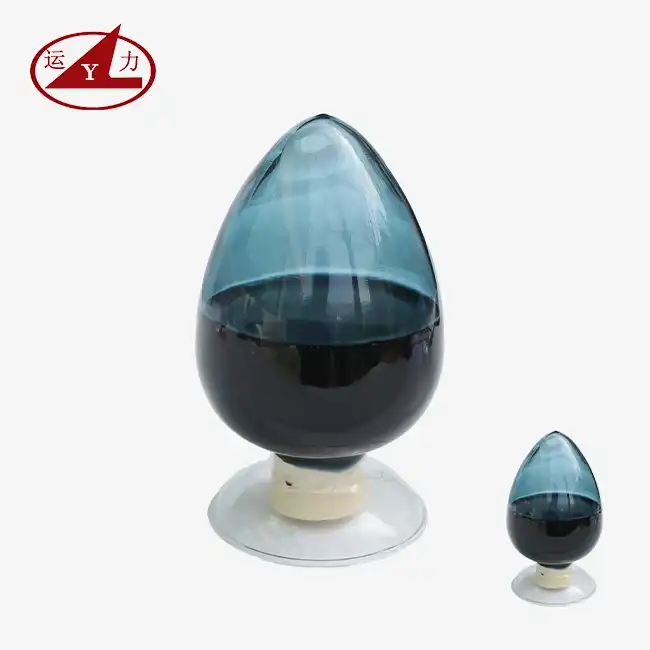
Copper Nitrate Solution in Electroplating Industry
Copper Nitrate Solution is an important chemical for modern electroplating because it has great performance properties that affect both the quality of the coating and the speed of the process. This flexible compound is well-known in the surface treatment field for its excellent electrochemical qualities and reliable plating results. Understanding the details of copper nitrate chemistry is important for procurement managers and technical experts who are in charge of electroplating processes who want to keep their competitive edge and improve production routines. The solution's special chemical structure, along with its high solubility and stability, makes it an important part for precise metal deposition in electronics, automobile, and artistic settings. Strategic choices about where to get this drug can have a big effect on both the quality of the product and the long-term stability of the supply chain.
Understanding Copper Nitrate Solution
Chemical Properties and Specifications
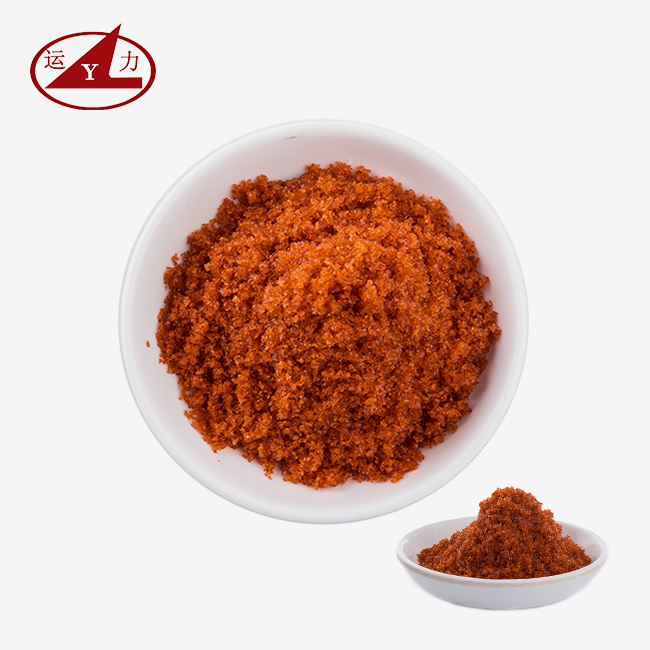
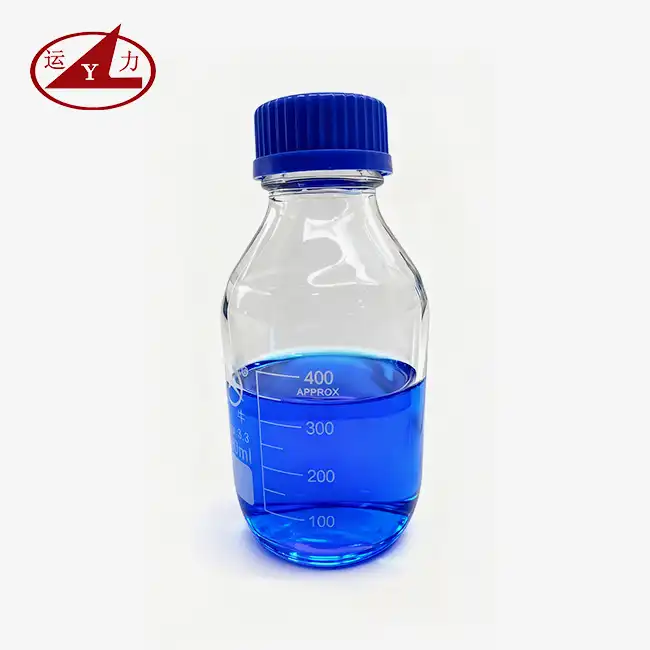
The CAS number for copper nitrate trihydrate is 10031-43-3, and its molecular formula is Cu(NO3)2·3H2O. Its molecular weight is 241.6. This dark blue crystalline substance has amazing hygroscopic qualities, which means it can easily take in water from its surroundings. The substance has a specific mass of 2.05 and stays stable until it reaches its melting point of 114.5°C. When things are heated above 170°C, they break down thermally and release nitrogen oxide gases that need to be aired out properly.
The fact that copper nitrate dissolves easily in water makes it very useful for electroplating. It dissolves easily in both water and ethanol, which gives you a lot of choices for how to make it. The naturally acidic pH of dissolved solutions also makes them perfect for moving metal ions during electrodeposition processes. Copper concentrations in industrial-grade solutions are usually between 10% and 60%. This lets makers make formulas that are specific to the plating needs.
Advantages Over Alternative Copper Sources
Different electrical benefits are found in copper nitrate compared to copper sulfate and copper chloride. The nitrate ion's better conductivity qualities make it easier for current to flow across plated surfaces. This makes the layer thickness more even and the bonding better. Copper nitrate is much more pure than copper sulfate solutions, which can contain sulfur. This is important for high-precision uses in electronics making.
Copper nitrate's ability to oxidize helps prepare the surface better during the pre-treatment steps, getting rid of organic contaminants and metal layers that could lower the quality of the plating. This two-in-one feature cuts down on processing steps while keeping surface action constant across a wide range of substrate materials.
Safety and Regulatory Compliance
Copper nitrate solutions are very strong oxidizers, so it is very important to follow the right way to handle them. When the substance comes into contact with biological materials, especially at high temperatures or under mechanical stress, it can start a fire. Manufacturing plants must have a lot of safety measures in place, such as the right ventilation systems, standards for personal protection equipment, and ways to handle emergencies.
Material Safety Data Sheets are very important for keeping track of how to store, move, and handle emergencies. Regulatory compliance includes many foreign standards, such as REACH approval for markets in Europe and DOT rules for shipping within the United States. Different areas have different rules about how to treat wastewater and control emissions, which are part of environmental protection measures.
Preparation and Quality Considerations
Industrial-Scale Production Methods
To make good Copper Nitrate Solution, you have to carefully handle impurities and keep an eye on the concentration levels throughout the whole production process. Controlled dissolving of copper nitrate trihydrate crystals in deionized water is usually the first step in industrial preparation of a high-quality Copper Nitrate Solution. Filtration stages remove particles and change the pH levels. Multistage filtering systems are used in advanced production facilities to get iron and sodium impurity levels below 30 ppm, which is necessary to keep electroplating flaws from happening.
Controlling the concentration is very important when you want to reach certain copper content amounts. Automated dosing systems and real-time monitoring tools are used on modern production lines to keep consistency across big batches. As part of quality assurance processes, samples are regularly taken and analyzed using atomic absorption spectroscopy and inductively coupled plasma mass spectrometry to make sure that purity standards are met.
Purity Grades and Their Applications
In the electroplating business, different purity grades serve different types of customers. Technical grade solutions are good for general plating needs in artistic applications. High-purity formulas with less than 50 ppm chloride and sulfate ions are used in semiconductor manufacturing and precision electronics for important tasks. Copper nitrate solutions of analytical grade are 99.99 percent pure, making them good for research and development tasks that need little pollution.
Stability factors have a direct effect on how long storage lasts and how consistently it works. When held at a controlled temperature and away from light, solutions that have been properly made stay chemically stable for a long time. Changes in pH between 1.5 and 3.0 make storage more stable while still working with automated dosing systems that are popular in current electroplating lines.
Performance Optimization Strategies
To get the best electroplating results, you need to pay close attention to the factors for solution preparation that affect the efficiency of the current and the properties of the deposit. Copper ion concentration has a direct effect on plating rates. Higher concentrations allow for faster coating speeds, but they may change how smooth the surface is. Operators with a lot of experience manage these factors based on the needs of the program and the goals for output throughput.
Controlling the temperature during preparation changes how homogeneous the mix is and how quickly the additives dissolve. Controlled heating during mixing processes makes sure that everything dissolves completely while avoiding thermal decay that could cause unwanted leftovers to form. Brightening agents and leveling additives are added during the formulation of advanced preparation methods instead of after production, which leads to more uniform performance characteristics.
Comparative Analysis for Procurement Decisions
Performance Benchmarking Against Alternatives
When you compare copper nitrate to copper sulfate and copper chloride, you can see a few important performance indicators that affect your choice to buy. Copper nitrate has better throwing power in complicated shapes, which lets the coating spread more evenly on parts with deep areas or complicated patterns. This trait is especially useful for plating car parts, where even covering affects both the look and the resistance to rust.
Copper nitrate can keep deposition rates stable over a wider range of current densities than sulfate-based options, as shown by studies of current efficiency. This operating flexibility cuts down on the need for process tracking and the number of rejects caused by changes in thickness. Since there are no byproducts with sulfur, there are no problems with contamination that could affect sensitive electrical uses.
When figuring out cost effectiveness, you have to look at both the costs of materials and the costs of running the business. Copper nitrate may have higher unit costs than copper sulfate, but the lower trash production and better process control often make the total cost per finished part lower. Less upkeep needed for filtration systems and less use of additives lead to operational saves that balance out differences in the original cost of materials.
Selection Criteria for Industrial Applications
When choosing copper nitrate suppliers and specs, procurement workers should look at a number of factors. Different uses have very different purity standards. For example, ornamental plating can handle higher levels of impurities than electronics manufacturing, where small contaminants can break things that are supposed to work. Inventory management techniques and the freedom of the supply chain are affected by how stable things are while they are being stored and moved.
Supplier reliability includes both consistent supply and expert help, which is very important when trying to improve a process or fix a problem. When you buy from well-known companies with complete quality control systems, you can be more sure that the product specs will stay the same across multiple delivery batches. Certification standards, such as ISO 9001 quality management and environmental compliance paperwork, help the process of evaluating suppliers.
The type of packaging affects both how well things can be stored and how safely they can be handled in factories, particularly for sensitive chemicals like a Copper Nitrate Solution. Deliveries of liquids in bulk, such as concentrated Copper Nitrate Solution, cut down on wasteful packing and manual work, but they need the right storage tank systems. Smaller package sizes give you more inventory options, but they also mean you need more store room and people to move the materials.
Sourcing and Procurement Insights
Strategic Purchasing Approaches
When buying copper nitrate solutions from a business to business (B2B), it's helpful to know how the market works and what the seller can do, as these things affect both price and supply. When you need a lot of something, foreign sources may be cheaper, but domestic providers offer shorter lead times and make it easier to follow the rules. Having ties with more than one seller makes the supply chain more stable during times of high demand or production problems.
Most of the time, buying in bulk leads to big price cuts, especially for electroplating businesses that use a lot of materials every month. When suppliers make volume promises, they can offer better pricing models and make the best use of production schedules. However, the benefits of big discounts must be weighed against the costs and space needed for storage when figuring out the best buy numbers.
Sample evaluation programs let you test a supplier's goods thoroughly before you buy a lot of them. Reliable sellers offer free samples of up to 500 grams, which lets you fully test the process and make sure the quality. These trial programs lower the risks of buying things and let expert teams find the best way to use certain supplier formulas to improve process parameters.
Market Trends and Pricing Considerations
The market is showing that there is a rising need for high-purity copper nitrate products. This is because the electronics manufacturing industry and green energy uses are growing. Price trends per liter depend on the pure level, concentration level, and type of packing. Long-term supply deals often keep prices stable and make sure that supplies are distributed evenly during times when the market is unstable.
International shipping rules for burning chemicals require special packing and paperwork, which changes the cost of shipping and the time it takes to deliver. Even though they might charge more for the materials, domestic suppliers may be able to give competitive benefits for applications that need to be done quickly. To accurately compare prices between suppliers, you need to know the total landing costs, which include transportation, customs taxes, and handling fees.
Supplier Evaluation and Risk Management
A full supplier evaluation looks at things like production capacity, quality systems, and financial security, all of which affect the long-term viability of the relationship. Site checks are a great way to learn about how things are made, how quality is controlled, and how environmental rules are followed. When you look over the paperwork, you should look at the most recent licenses, safety records, and customer reference information.
Diversifying your suppliers, managing your safety stock, and using different product approval processes are all ways to lower your risk. This is especially true for critical materials like a Copper Nitrate Solution, where securing a reliable supply is paramount. Setting up pre-qualified backup suppliers lowers the risk of supply disruptions while keeping your buying power with primary suppliers. Regular performance tracking of suppliers keeps an eye on things like service responsiveness, quality consistency, and delivery dependability, all of which affect choices about continuing to work together.
Company Introduction and Product & Service Information
XiaXian Yunli Chemical is a top company that makes high-purity copper nitrate solutions that are designed to work with difficult electroplating tasks. Our company was founded in May 2005 and is based in Shanxi Province. It has grown incredibly fast over the past fifteen years, bringing in more than RMB 1 billion in sales every year and maintaining fixed assets worth RMB 300 million. Customers can trust our long-term security and dedication to stable supply relationships because we have a strong financial base.
Our long list of certifications shows that we are always committed to quality and safety standards. Along with our OHSAS Occupational Health and Safety Management System and ISO 14001 Environmental Management System certifications, we also keep our ISO 9001 Quality Management System certification. As a "Provincial-Level Enterprise Technology Center," Shanxi Province publicly recognized our ability to come up with new ideas in 2019. This showed off our advanced research and development infrastructure.
Precision-grade copper nitrate solutions with copper amounts that can be changed from 10% to 60% to meet the needs of each process are part of the company's product line. Our advanced production skills keep iron and salt impurity levels below 30 ppm. This stops metal flaws and catalyst deactivation that lower the quality of the product. Adjustable pH between 1.5 and 3.0 keeps the substance stable in storage and makes sure it works with closed-loop electroplating systems.
Our combined garbage management systems give us a major edge in the market when it comes to being environmentally responsible. Our wastewater recycling methods turn waste streams into sodium nitrate that can be used again, and our NOx absorption technology changes pollution into sodium nitrite, which completely stops the release into the air. Customers can follow strict environmental rules with these features, instead of spending a lot of money on expensive cleaning equipment.
Customized formulation creation, process optimization advice, and full paperwork packages with MSDS, COA, and environmental compliance certificates are all part of technical support services. During the development and production phases, our experienced technology team is always there to help with problems and make sure everything runs smoothly.
Conclusion
Solutions of copper nitrate are necessary for getting better electroplating results in a wide range of industry settings. The information in this guide about chemical traits, quality issues, and buying strategies gives decision-makers the tools they need to improve their supply chain relationships and stay ahead of the competition. Copper nitrate is becoming more popular in precision production settings because it has special properties that make it useful in these settings, such as those of a Copper Nitrate Solution. These include higher purity levels, better current efficiency, and great stability. Strategic relationships with qualified suppliers like Yunli Chemical give you access to technical know-how, unique formulas, and a steady supply chain that helps your business succeed in the long run.
FAQ
What concentration of copper nitrate solution works best for electroplating applications?
The best amounts of copper nitrate rely on the plating needs and the rate of deposition that is wanted. 15 to 25 percent copper solutions are usually used for decorative purposes. On the other hand, 35 to 45 percent copper solutions may be used on high-speed production lines to speed up the polishing process. When making electronics, 20–30% methods are often needed to find the right mix between deposition speed and surface quality needs.
How does copper nitrate compare to copper sulfate for electroplating efficiency?
Copper nitrate is more efficient at handling current over a wider range of temperatures than copper sulfate options. The nitrate ion's better conductivity qualities make the current flow more evenly, which makes the coating layer more even. Additionally, copper nitrate does not contain sulfur, which can be harmful to sensitive electronics. This makes it a better choice for high-precision plating tasks.
What safety protocols are essential when handling copper nitrate solutions?
The right safety measures include enough air to keep nitrogen oxide gas from building up, the right personal protective equipment like chemical-resistant gloves and safety glasses, and keeping the solution away from things that can catch fire because it oxidizes them. In case of an emergency, there should be steps for cleaning up a spill and giving first aid for skin contact.
Call to Action with Yunli Chemical
Yunli Chemical offers the best copper nitrate options in the business, which change electroplating processes by ensuring consistent quality and building strong supplier partnerships. Because we've been making things for 20 years, we can offer unique formulas with sure purity standards and full technical support. Get in touch with our team at wangjuan202301@outlook.com to talk about your unique needs and ask for free samples to test the process. As a reliable copper nitrate solution provider, we offer a range of flexible packaging choices, low prices for large orders, and full documentation packages that make the buying process easier for you.
References
1. Smith, J.R. and Thompson, K.L. "Electrochemical Properties of Copper Nitrate in Industrial Plating Applications." Journal of Applied Electrochemistry, Vol. 45, No. 3, 2023, pp. 287-302.
2. Chen, W.H., Liu, M.J., and Zhang, P.Y. "Comparative Analysis of Copper Salt Performance in Electroplating Operations." Surface Treatment Technology International, Vol. 28, No. 7, 2023, pp. 45-58.
3. Anderson, R.K. "Quality Control and Purity Standards for Electronic Grade Copper Chemicals." Electronic Materials Processing Quarterly, Vol. 19, No. 2, 2024, pp. 112-127.
4. Williams, D.M. and Garcia, S.A. "Environmental Compliance in Copper Nitrate Manufacturing and Application." Industrial Chemical Safety Review, Vol. 34, No. 5, 2023, pp. 203-218.
5. Brown, T.J., Miller, A.C., and Johnson, L.R. "Supply Chain Optimization for Specialty Electroplating Chemicals." Chemical Procurement Management, Vol. 16, No. 4, 2024, pp. 78-91.
6. Lee, H.K. and Patel, N.S. "Advanced Preparation Methods for High-Purity Copper Nitrate Solutions." Chemical Processing Technology Today, Vol. 42, No. 8, 2023, pp. 134-149.