


How to Choose a Reliable Iron Nitrate Supplier
To find a trustworthy iron nitrate provider, you need to carefully look at their quality standards, licenses, and supply chain capabilities. Iron nitrate is an important chemical product used in electroplating, cloth processing, making catalysts, and treating metals. During the selection process, the credentials of the seller, the specifications of the product, and the possibility of a long-term relationship must all be carefully looked at to ensure consistent quality and legal compliance across a wide range of industry uses.
Introduction
Iron nitrate is an important chemical product that is used in many fields, such as gardening, water treatment, electroplating, and specialty manufacturing. This flexible chemical is very important for improving industrial processes and making sure the quality of products in a wide range of settings. If you choose a dependable provider for iron nitrate, you can be sure of consistent quality, legal compliance, and cost-effectiveness, all of which are important for running a successful business-to-business procurement operation.
The way iron nitrate is bought has changed a lot because of rising requests for higher purity levels, strict environmental compliance, and unique solutions. For modern industrial uses, suppliers need to be able to provide not only normal goods, but also formulations that are made to fit special technical needs. This complete guide covers all the difficult issues buying professionals face when trying to find iron nitrate, from comprehending chemical requirements to assessing the potential for a long-term partnership.
Choosing the right suppliers has a direct effect on how well operations run, the quality of the products, and compliance with regulations. Bad supplier choices can have effects that go beyond just saving money. They can affect work plans, quality certifications, and relationships with customers. This guide gives procurement workers useful frameworks for judging suppliers, doing their research, and building long-lasting relationships that work well and support the company's strategic goals.
Defining the Procurement Challenge: What Makes Selecting an Iron Nitrate Supplier Complex?
Understanding Chemical Complexity and Application Requirements
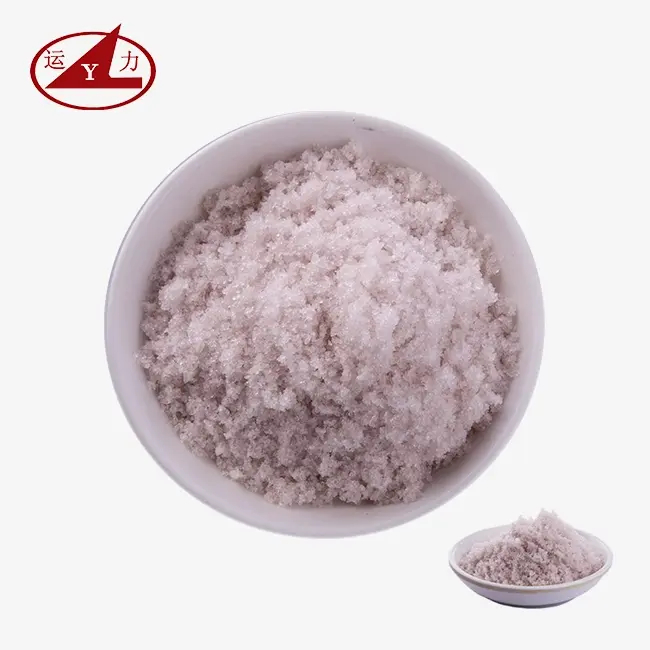
Finding ways to get iron nitrate involves a lot of scientific problems that go beyond buying chemicals. Although the chemical comes in many different forms, ferric nitrate nonahydrate (Fe(NO3)3·9H2O) is one of the most common ones. This purple crystalline substance has unique qualities, such as a melting point of 47.2°C, a density of 1.68, and unique ways of dissolving in water, ethanol, and acetone. When matching supplier offers to application needs, it's important to understand these qualities.
Different fields need different amounts and requirements of cleanliness. When making catalysts, ultra-high purity grades with little heavy metal contamination are needed. Standard market grades may be fine for farming uses. To keep the bath working well, electroplating processes need to keep the chemicals consistent. On the other hand, controlling the chloride level in textile mordants is important to keep the fibers from breaking down. These different needs make the processes of evaluating suppliers and choosing products more difficult.
Regulatory and Safety Considerations
Because iron nitrate oxidizes, it has special handling, transportation, and storage needs that affect the choice of provider. Suppliers with a good reputation must show thorough safety rules, the right way to package the goods, and all the necessary paperwork, such as Material Safety Data Sheets (MSDS), Certificates of Analysis (COA), and environmental compliance certificates. Because the substance might combine with organic materials, sellers have to follow strict separation rules and give clear instructions on how to handle it.
Environmental laws are always changing, especially when it comes to nitrate chemicals and how they might affect the climate. Suppliers need to show that they follow the rules for REACH, RoHS, and local environmental standards. Because of all the rules and regulations, procurement teams have to look at more than just the quality of the products they buy. They have to check the environmental management systems and compliance tracking skills of suppliers.
Market Dynamics and Supply Chain Challenges
Iron nitrate markets have a lot of price changes that are caused by the cost of raw materials, the cost of energy, and changes in the rules. Different suppliers with different cost structures and places set different prices, which makes it harder to make straight comparisons. To properly evaluate suppliers, you need to know the total cost of ownership, which includes the costs of shipping, handling, and keeping goods.
Since recent world problems, supply chain dependability has become more important. Suppliers with a variety of raw material sources, flexible production options, and well-established transportation networks are less likely to have supply gaps. Checking a supplier's financial health, production capacity, and back-up supply plans can lower buying risks and keep operations running smoothly.
Core Criteria for Evaluating Iron Nitrate Suppliers
Product Quality and Technical Specifications
When looking at Iron Nitrate providers, you need to look at their professional skills and product quality standards. Before you can judge a product's quality, you need to know its exact requirements, such as its physical qualities, purity levels, and rules for impurities. Specifications for ferric nitrate nonahydrate usually include a minimum purity of 98%, a fixed iron content, and certain salt levels that depend on the needs of the application. Suppliers must show that they can consistently make things by putting together written quality control procedures and statistical process control data.
Laboratory skills are an important part of the review process because providers must offer full testing and analysis support. Advanced analysis tools, like ICP-MS and atomic absorption spectrometers, make it possible to precisely control impurities and check that batches are consistent. For apps that care a lot about quality, suppliers who offer customizable testing methods, fast analytical services, and thorough reports of analysis are more valuable.
Flexibility in production lets providers meet the needs of a wide range of customers by offering custom formulations, packing choices, and shipping times. Leading sellers offer a range of product grades, custom impurity control, and specialty packing options such as containers that don't absorb moisture and shipping that doesn't require an atmosphere to be present. This adaptability is especially helpful for customers who need unique changes to the product or specs that aren't standard.
Certifications and Compliance Framework
Suppliers who have a lot of certifications show they care about quality and following the rules. Some important certificates are OHSAS guidelines for health and safety at work, ISO 9001 for quality management, and ISO 14001 for environmental management. These certificates show organized ways of keeping quality, caring for the environment, and keeping workers safe at work, all of which have a direct effect on the quality of the products and the dependability of the supply.
Certifications and licenses that are specific to an industry add extra security for particular uses. For pharmaceutical markets, suppliers need to make sure they follow GMP, and for food-grade uses, they need to make sure they have the right food safety approvals. For some uses, electronic materials may need to meet certain cleaning standards and pollution control rules. Looking at the certification scope and maintenance records can help you figure out how committed a supplier is to ongoing growth and following the rules.
Financial Stability and Business Reputation
Supplier financial stability has a direct effect on the long-term success of the relationship and the security of the supply. Credit reports, yearly financial statements, and industry studies can all be used to look at a supplier's financial success and give you information about their security and growth potential. Suppliers that have been around for a long time and have strong finances offer more security against supply problems and build trust for long-term contracts.
To evaluate a business's image, you need to look at things like customer references, market position, and recognition in the industry. Suppliers with a history of happy customers, good reviews, and industry awards have shown that they can do a good job and keep their customers happy. Long-term ties with customers show that a provider is reliable and provides good service that goes beyond delivering the product.
Matching Supplier Solutions to Your Procurement Needs
Industry-Specific Requirements Analysis
For different industrial uses, there are different buying needs that affect the factors used to choose a seller. To keep the bath working well and stop rust, electroplating processes need chemicals that are consistently mixed and have low chloride levels. Suppliers to this market must show they know how electroplating works and offer expert help for bath upkeep and fixing problems.
For making catalysts, you need goods that are very pure and have strict controls on heavy metals. When making catalysts, ferric nitrate needs to have an iron content of less than 30ppm. For important uses, special grades need to have an iron content of less than 10ppm. Suppliers must give a thorough study of the impurities and show that they keep contamination under control during the whole production and packing process.
Controlling salt and keeping the pH stable are important in textile processing to keep fibers from getting damaged during dying. Suppliers need to know what textile handling needs and give goods with chloride levels that are controlled and below 50ppm. Textile buyers get a lot of value from technical help for improving color fastness and dye fixation.
Customization Capabilities and Service Offerings
Leading providers give customers a lot of ways to customize their orders to meet their unique needs. Customizing a product means changing the quality, controlling impurities, changing the crystal size, and keeping the pH stable. There are different physical forms that can be chosen, from normal crystalline goods to pre-dissolved solutions that make handling easier and lower the amount of work that needs to be done by the customer.
Customizing the packaging meets the different handling and storage needs of different customer groups. You can choose from options like moisture-proof packing, packages with an inert atmosphere, and specialized delivery systems. For people who buy a lot of things, bulk packing choices like drums, totes, and ISO tanks save them money and keep the quality of the goods.
Through thorough customer support programs, top suppliers, including those providing essential materials like Iron Nitrate, can set themselves apart with their technical service skills. As part of their services, they offer help with application creation, process improvement, and fixing problems. Technical trips to the site, training programs, and dedicated technical support staff all add value that goes beyond just supplying the product.
Supply Chain Integration and Logistics
For supply chain integration to work, providers must be able to match the business needs of their customers. Customers can get the most out of their working capital and storage needs by using inventory management systems, just-in-time delivery choices, and flexible delivery schedules. Suppliers with various distribution sites and transportation partnerships can cover a wider area and offer more delivery options.
Customers can keep the right amount of stock on hand while lowering their holding costs with inventory management services like vendor-managed inventory and barter programs. For these programs to work, providers need to have strong inventory control systems and service methods that focus on the customer. Advanced planning and predicting tools help companies guess what their customers will want and keep them from running out of stock.
How to Perform Due Diligence and Verify Supplier Reliability?
Comprehensive Credential Verification
The first step in the due diligence method is to carefully check the qualifications and certifications of the supplier. As part of this review, business licenses, environmental permits, and safety certifications will be checked directly with the authorities that issued them. Real sellers make their certification papers easy to find and allow third parties to check their credentials.
Facility checks give a straight look at how well production systems, quality control systems, and safety rules are working. Full audits look at everything from production tools and labs to quality control methods and safety management systems. These visits show practical skills that might not be clear from just reading documents. They also give you a chance to see how committed management is to quality and safety.
As part of your financial due research, you should look at the financial statements, credit scores, and payment histories of each provider. This study helps figure out how stable a supplier's finances are and how well they can keep running when the market changes. When it comes to contract terms, suppliers with strong financial situations are more likely to keep their services available and of good quality.
Product Sample Testing and Validation
Testing samples of a product directly verifies what the seller says about quality and makes sure that production is consistent. Full testing methods should include checking for impurities, figuring out the quality, and making sure the physical properties are correct. Testing in an independent lab using methods chosen by the customer gives a neutral opinion on the quality and regularity of the product.
Performance testing in real-world situations is the best way to figure out if a product is right for the job. For this test, samples from the provider are used in normal business processes at the customer. Application testing results show performance traits that might not be seen with scientific testing alone, and they give you trust in the quality of the supplier's products.
Statistical study of several sample batches helps figure out how consistent production is and how well quality control is working. Suppliers with tight statistical control have better quality management methods and give customers more faith that the products will always be the same. The chemical and physical qualities of several production lots should be looked at in this study.
Supply Chain Transparency and Traceability
Transparency in the supply chain lets you evaluate how suppliers get their materials and keep an eye on quality throughout the whole production process. Suppliers you can trust give you a lot of information about where the raw materials come from, how the products are made, and how quality is controlled. Customers can see possible supply risks and judge total quality assurance programs thanks to this openness.
Traceability tools make it possible to keep track of goods, such as Iron Nitrate, from the time they are made until they are delivered. Full traceability includes batch records, analytical data, and shipping records that let you recreate the whole past of a product. These tools are very important for helping with quality reviews and meeting regulatory standards.
Yunli Chemical: Your Trusted Iron Nitrate Solutions Partner
This is XiaXian Yunli Chemical Co. Ltd. is the best place to get high-quality ferric nitrate nonahydrate and other iron nitrate products. Since its founding in May 2005 in Xia County, Yuncheng City, Shanxi Province, our company has grown into a major chemical producer with more than 20 years of experience in the field. Our yearly sales of more than RMB 1 billion and our fixed assets worth RMB 300 million show that we are financially stable and have the operating scale that procurement professionals look for in long-term supplier partnerships.
Our wide range of certifications guarantees quality and legal compliance that meets the highest international standards. We keep our ISO 9001 Quality Management System, OHSAS Occupational Health and Safety Management System, and ISO 14001 Environmental Management System certifications up to date. These certificates show that we are dedicated to continuous quality improvement, a safe workplace, and being good stewards of the earth in everything we do.
Being named a "Provincial-Level Enterprise Technology Center" by Shanxi Province in 2019 shows that our professional skills and dedication to new ideas are true. Our high-tech lab for analysis has high-tech tools like ICP-MS and atomic absorption spectrometers that help us precisely control quality and make products that fit your needs. We make ferric nitrate nonahydrate that is very pure—≥98% normal purity—and we also have special grades that are up to 99.9% pure for very important uses.
Our range of products includes complete iron nitrate solutions made for a wide range of industry uses. Our main output is ferric nitrate nonahydrate (CAS 7782-61-8), which has the formula Fe(NO3)3·9H2O and a molecular weight of 404.01. This purple solid substance dissolves very well in water, ethanol, and acetone, and its impurity levels are carefully controlled, with iron content of less than 30ppm and chloride content of less than 100ppm. Specialized low-iron types have less than 10ppm iron content and are used to make catalysts.
We stand out in the iron nitrate market because we can customize our products and come up with different ways to package them. We can control the size of crystals from 0.5 mm to 3 mm, provide pre-dissolved liquid solutions, and add special ingredients like anti-caking agents and pH stabilizers. For lab use, you can get 25 kg PE bags, and for industry use, you can get 500 kg drums and ISO tanks. Our knowledge of environmental compliance lets us offer fully compliant OEM production services for catalysts that help customers meet strict regulatory requirements.
Conclusion
To find a trustworthy iron nitrate provider, you need to carefully look at their quality standards, technical skills, and willingness to work with you in the long run. Understanding the unique needs of the application, doing thorough research, and setting clear performance standards are all important parts of successful procurement. Modern industrial applications are very complicated, so providers need to be able to offer customizable solutions, full expert support, and consistent quality performance.
Effective supplier partnerships include more than just delivering the product. They also include ongoing technical help, efforts to make things better all the time, and working together to solve problems. Leading providers show they care about their customers' success by providing flexible services, being open and honest with them, and managing quality in a responsible way. These relationships give businesses a competitive edge by making products work better, lowering managerial risks, and making it easier to follow the rules.
FAQ
What distinguishes ferric nitrate from ferrous nitrate in industrial applications?
The iron in ferric nitrate (Fe(NO3)3) is in the +3 oxidation state, and the iron in ferrous nitrate (Fe(NO2)2) is in the +2 oxidation state. This difference changes how they react chemically, with ferric nitrate having stronger oxidizing qualities that make it useful as a catalyst and in metal cleaning processes. It is better for precise uses because ferric nitrate nonahydrate is more stable and its solubility can be managed.
How can buyers verify iron nitrate quality before bulk purchasing?
To check the quality, you need to ask for thorough records of analysis, have the product tested by a third-party lab, and use representative samples in application trials. Some important factors are pure levels, analyzing impurity content, and checking physical properties. Suppliers with a good reputation give a lot of scientific data and are happy for other people to test their products.
What safety considerations are essential for iron nitrate handling and storage?
Because it oxidizes and might combine with biological materials, iron nitrate needs to be handled with care. Important safety measures include storing things separately from things that can catch fire, wearing the right safety gear, and keeping the temperature stable while storing things. For each grade of product, suppliers should give full safety data sheets and handling instructions.
What packaging options are available for different volume requirements?
Professional sellers give a wide range of packing options, from small containers for labs to large containers for commercial use. Standard choices include 25 kg PE bags, 500 kg drums, and ISO tanks for use with a lot of material. Specialized packaging includes cases that don't absorb wetness, packing with an inert atmosphere, and custom dispensing systems that are made to fit the needs of the handle.
How do environmental regulations affect iron nitrate procurement?
Environmental laws, like following REACH, and local environmental standards affect how suppliers are chosen and what products are made. Suppliers must show that they have complete environmental management systems and show that they are in line with the law. Knowing the rules that govern a product's availability helps keep it on the market and avoids legal risks.
Partner with Yunli Chemical for Superior Iron Nitrate Solutions
With our wide range of products and professional know-how, Yunli Chemical is ready to help you with your iron nitrate buying needs. Our dedication to quality excellence, shown by over 20 years of manufacturing experience and RMB 1 billion in yearly sales, gives procurement workers the dependability and consistency they need. We offer free samples of up to 500 grams, so you can get a good feel for the product before you decide to buy a lot of it.
Our factory-direct supply model cuts out the costs of middlemen while keeping an eye on quality and authenticity of the product all the way through the supply chain. Email our expert team at wangjuan202301@outlook.com to talk about your unique needs and get quotes that are made just for you.
References
1. Chemical Engineering Progress, "Iron Compounds in Industrial Catalysis: Selection and Application Guidelines," American Institute of Chemical Engineers, 2023.
2. Journal of Industrial Chemistry, "Quality Standards and Procurement Best Practices for Inorganic Nitrate Compounds," Industrial Chemistry Society, 2022.
3. Procurement Management Review, "Supplier Due Diligence Frameworks for Chemical Raw Materials," Supply Chain Management Institute, 2023.
4. International Chemical Safety Guidelines, "Handling and Storage Protocols for Oxidizing Chemical Compounds," Chemical Safety Board, 2022.
5. Industrial Purchasing Quarterly, "Risk Assessment Methodologies for Chemical Supplier Selection," Purchasing Management Association, 2023.
6. Chemical Market Analysis, "Global Iron Nitrate Market Trends and Supplier Landscape Assessment," Chemical Industry Research Foundation, 2023.