


Copper Nitrate Solution Liquid vs. Solid: Which Fits Your Process?
If you work in catalyst manufacturing, electroplating, or agricultural chemistry, you've likely faced this question: should I buy copper nitrate solution liquid or stick with the solid crystalline form? The answer depends on your production setup, purity requirements, and logistics capacity. Copper nitrate solution liquid (CAS 10031-43-3) offers direct-feed convenience and precise concentration control, while the solid trihydrate form suits facilities with dedicated dissolution equipment. This guide breaks down the differences so you can make a confident, data-backed choice.

Understanding Copper Nitrate Solution Forms
It helps to know what you're working with on a biological level before you compare the two kinds.
The Solid Form: Cu(NO₃)₂·3H₂O
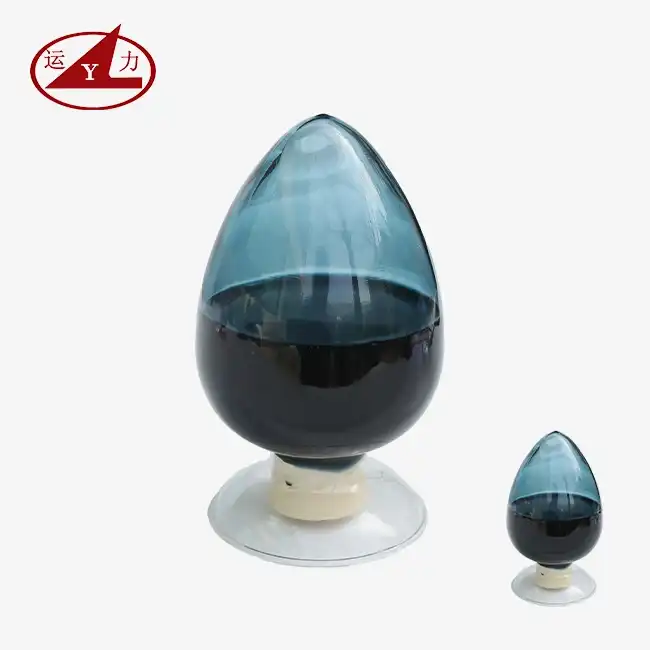
Copper nitrate trihydrate is a columnar, dark blue crystal that has a molecular weight of 241.6 and a specific depth of 2.05. It breaks down when heated above 170°C and melts at 114.5°C. The solid is easily broken down in water and ethanol, and its water-based solution is acidic. As a strong oxidizer, it can catch fire or explode if it comes into contact with materials that can catch fire when heated, rubbed against, or hit. It also gives off poisonous nitrogen oxide gas when burned and hurts skin when it comes in touch with it.
The Liquid Form: Pre-Dissolved Aqueous Solution
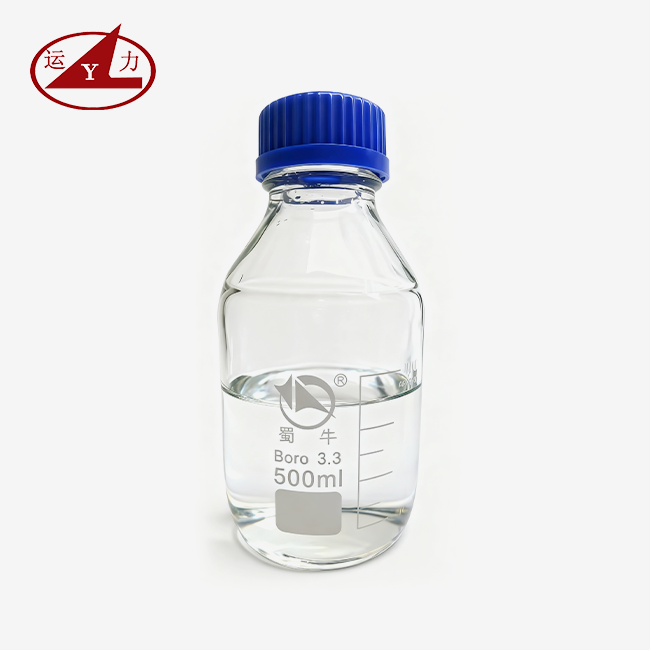
The liquid form is the same chemical that is given in a watery state that is ready to use. It usually looks like a clear, dark blue fluid. The concentration runs from 10% to 60% Cu by weight, and the pH is kept between 1.5 and 3.0 to keep it stable during storage and stop precipitation. Unlike the solid, it doesn't make dangerous dust when it's handled, which takes away a big safety risk on the production floor.
How They Compare to Related Copper Compounds
Copper sulfate is less expensive, but it releases sulfate ions that can damage equipment and stop catalysts from working. For copper oxide to be useful, it needs to be broken down by acid. In closed-loop automated systems, neither of them can match the accuracy of dosing that a copper nitrate aqueous solution that has already been made can offer.
Key Factors to Consider When Choosing Between Liquid and Solid Copper Nitrate
It is not only a chemistry question to choose the right form; it is also an operational question. Your choice should take into account how well the process works, how well it follows the rules, and the total cost of ownership.
Concentration and Purity Control
The liquid form of copper nitrate solution liquid comes with a Certificate of Analysis (COA) that verifies the amount of copper metal, pH, and trace impurity levels. In precise applications, iron levels above 30 ppm can stop catalysts from working, and chloride levels above 50 ppm can lead to plate flaws. Solid crystals need to be dissolved on-site, which can be unpredictable if the water quality or the tuning of the equipment isn't reliable. With the liquid form, that step is completely skipped.
Safety and Handling
Both forms are required by MSDS to be oxidizing hazardous materials. But the solid form has more risks: hygroscopic absorption makes it clump, and dust contact during bag-cutting is a real risk for breathing in and skin inflammation. Because it contains nitric acid, the liquid form needs spill control structures like HDPE tanks or vessels lined with glass. Standard stainless steel will not work with it. Still, soda ash neutralize kits and proper bundling can help clean up liquid spills.
Storage and Shelf Life
Solid copper nitrate trihydrate can be stored for a longer time if it stays dry and cool. To keep the salt from crystallizing, the liquid form must be kept above 15°C. If crystallization happens, mixing and slowly heating the mixture will make it homogeneous again. Liquid storage is easy for places that are in warm or temperature-controlled areas. When doing business in cold places, you need protected storage or warm warehouses.
Procurement Insights: Selecting the Right Copper Nitrate Solution for Your Business
It's not enough to just get the chemistry right. Buying choices also depend on how reliable the seller is, what certifications they have, and how well they can handle logistics.
Evaluating Suppliers by Certification and Track Record
Look for suppliers that have been certified by ISO 9001 for quality management, ISO 14001 for environmental compliance, and a shipping license for hazardous products. A good sign of how disciplined their production is is if they can provide batch-consistent COAs with ICP-OES or atomic absorption spectrometry data.
XiaXian Yunli Chemical was established in 2005 and has been in business for over twenty years, supplying products including copper nitrate solution liquid, making more than one billion yuan a year. It has ISO 9001, ISO 14001, and OHSAS certifications and has been a Shanxi Provincial Enterprise Technology Center since 2019.
Pricing Models and Bulk Purchasing
Because water adds to the weight of shipping, liquid copper nitrate costs a little more per ton than solid. But buyers who think about not having to buy dissolution tools, having less work to do, and not having to build as much infrastructure to control dust often find that the liquid form lowers the overall cost of ownership. When buying between $300,000 and $2,000,000 USD a year, flexible packing choices and different price levels for bulk items make a big difference.
Logistics and Compliance for Hazardous Materials
Both types are considered oxidizing dangerous chemicals. Make sure your supplier knows how to handle cross-border hazmat shipping paperwork, such as making sure it meets REACH and RoHS requirements for export markets. Yunli Chemical lets you export directly from their factory without going through any middlemen. They can also customize the packaging and labeling to meet the rules in the country where the goods are going.

Case Studies & Practical Examples
Seeing real-life production situations can help you figure out which form is best for which task.
Catalyst Manufacturing: Liquid Wins on Consistency
While making catalysts, a medium-sized company in Jiangsu moved from solid copper nitrate to a ready-made liquid solution for impregnating alumina supports. The limited amount of copper in the liquid and its low iron content (Fe ≤30 ppm) made the active-site distribution more even, which increased the catalyst's conversion efficiency by about 8% in hydrogenation tests. Getting rid of on-site breakdown also cut the time it took to prepare each batch by about 40 minutes per cycle.
Electroplating: Liquid Reduces Defect Rates
A plating shop for car parts that used copper nitrate to make plating baths said that surface flaws went down significantly when they switched to a liquid formulation with chloride levels less than 50 ppm. The stable pH (1.5–3.0) cut down on the number of times the bath had to be refilled and made quality control checks easier.
Agricultural Chemistry: Solid Offers Flexibility in Remote Areas
Due to a lack of cold-chain infrastructure, a Southeast Asian fertilizer blending company that needed to find copper micronutrients for water-soluble fertilizers compared solid copper nitrate trihydrate with copper nitrate solution liquid. The longer shelf life and easier transfer of the solid form were more important than the work that went into dissolving it.
Making the Final Decision: Which Form Fits Your Process Best?
Here's a direct difference between them to help you decide:
If your building has automatic dosing systems, needs to control impurities below 50 ppm, or wants to avoid the risks of handling dust, the liquid form is better. It works with closed-loop fertilizer blending lines, electroplating bath controllers, and catalyst impregnation rigs.
The solid form is better when there aren't many ways to get the product to the right place quickly, when the temperature in the storage area drops below 15°C and there aren't any heating systems available, or when your plant already has dissolution tanks and the preparation step doesn't really slow things down.
Here is a choice grid that you can use right away:
- Automated production lines with direct feed systems → Liquid form preferred
- High-purity catalyst or PCB plating applications → Liquid form, verified to Fe <30 ppm
- Agricultural micronutrient blending in warm climates → Either form; liquid offers convenience
- Remote facilities with limited cold storage → Solid form for shelf-life stability
- Facilities with existing dissolution equipment → Solid form may be cost-acceptable
Conclusion
Copper nitrate can be either liquid or solid. Which one you choose depends on your process, how you store it, and your purity goals. Copper nitrate solution liquid is the best choice for industries that need to work with precision and automation because it is easy to feed directly, stays consistent from batch to batch, and has better impurity control. Solid copper nitrate trihydrate is still a good option when there are problems with transportation or facilities. Before you call a provider, make sure you know what your process needs. This will save you time and keep you from making a costly mistake.
FAQ
What temperature should I store copper nitrate solution liquid at?
Keep it somewhere warmer than 15°C (59°F). Copper nitrate salts may crystallize and settle below that point. If this happens, warm the container slowly and stir the solution around until it is again uniform. Then, put it into your process line.
Can copper nitrate solution liquid be used in stainless steel tanks?
No, because the fluid has free nitric acid that breaks down SS304 and SS316 over time. To store and move things, use HDPE, cross-linked polyethylene, or glass-lined containers.
How does copper nitrate differ from copper sulfate in agricultural applications?
Copper nitrate gives plants both copper and nitrate, which are both good for them. Copper sulfate adds sulfate ions to the soil, which can lower its pH and build up over time. When making fertilizer that dissolves in water, copper nitrate usually works better with NPK blends.
What purity grades are available?
Industrial grade usually has a copper percentage of 13–16% w/w and less than 50 ppm of minor elements.
Is the liquid form compliant with international shipping regulations?
Yes, as long as the supplier has the right paperwork to ship dangerous goods. Check that the oxidizer transport meets REACH, RoHS, and destination-country requirements before you place an order.
Request a Sample or Quote from Yunli Chemical — Copper Nitrate Solution Liquid Supplier
XiaXian Yunli Chemical offers high-purity copper nitrate solution liquid with concentrations (10–60% Cu) that can be changed, batch-consistent COAs, and certified hazmat shipping. Our free samples are up to 500 grams, and you don't have to place a minimum order to try them. Get in touch with our team for scientific details, custom formulas, or bulk prices. You can email us at wangjuan202301@outlook.com or go to yunlichemical.com right now to ask for a COA or product data sheet.

References
1. Kirk-Othmer Encyclopedia of Chemical Technology — Copper Compounds, Wiley, 2020.
2. Journal of Catalysis — "Influence of Precursor Chemistry on Copper Catalyst Dispersion," Elsevier, 2019.
3. Industrial & Engineering Chemistry Research — "Impurity Effects in Electroplating Bath Formulations," ACS Publications, 2021.
4. Journal of Agricultural and Food Chemistry — "Copper Micronutrient Sources in Water-Soluble Fertilizers: A Comparative Study," ACS Publications, 2018.
5. Chemical Engineering Journal — "Liquid Precursor Impregnation Techniques for Heterogeneous Catalyst Preparation," Elsevier, 2022.
6. Occupational Safety and Health Administration (OSHA) Chemical Hazard Communication Standard — "Oxidizing Solids and Liquids: Handling and Storage Requirements," OSHA, 2017.