


Does chromium nitrate and hcl form a precipitate?
When combined with hydrochloric acid (HCl) in typical commercial settings, Chromium Nitrate (Cr(NO3)3-9H2O) does not form a sediment. As long as both chemicals are mixed with water, the mixture will stay clear and steady. Nickel ions (NO₃) and chlorine ions (Cl⁻) do not make chromium molecules that don't dissolve. When acidic conditions are used in industry, this chemical reaction is very important. This is especially important for surface cleaning and catalyst preparation, where stable performance and clear solutions are necessary to make sure the product always works the same way.


Understanding the Interaction Between Chromium Nitrate and HCl
Molecular Structure and Chemical Behavior of Chromium Nitrate
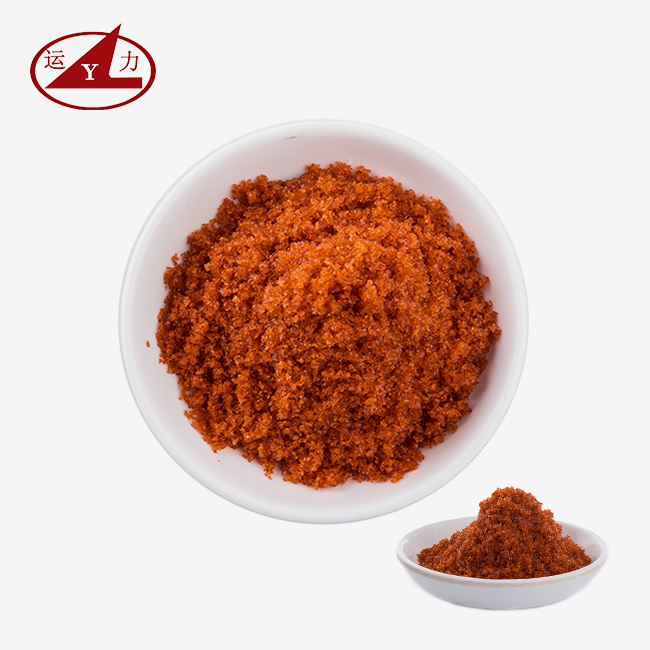
This is Chromium Nitrate that is not a salt. It is made up of dark purple-red crystals and is called Cr(NO₂)₀·9H2O. For every mole, it weighs 400.15 grams. This three-valent chromium molecule dissolves very easily in water, which makes solutions that are acidic. It's deliquescent, which means it can easily take water from the air. In other words, it needs to be stored properly. When chromium(III) ion is broken down, it joins with water molecules to make aqua complexes. They change color in a unique way: they go from green to reddish-purple when they cool down. This change in temperature shows how the chemistry of chromium changes when it is dissolved in water.
Characteristics of Hydrochloric Acid in Industrial Settings
Hydrochloric acid is one of the stronger acids that is most often used to make drugs. It turns into chloride ions and hydronium ions when it dissolves fully in water. This makes the surroundings very acidic. HCl used in industry usually has a strength of 28% to 37%, but solutions that are less concentrated are often used to treat metal. Because it dissolves metal oxides and salts so well, the acid can be used to clean surfaces, change the pH, and make new chemicals. But because it rusts, the right materials need to be used for holding tanks and tools for moving it. Most of the time, metals that don't rust or special coats are needed.
Solubility Analysis and Precipitation Expectations
It's not possible for Chromium Nitrate and hydrochloric acid to stick together when they mix because the ions that are created are very soluble. It is easy to dissolve in water at a wide range of amounts, and it is made by swapping anions. Nitric acid, which is made when nitrate ions move, can also mix fully with water. Some chromium solids, like chromium hydroxide or chromium phosphate, sink to the bottom very easily when certain pH conditions are met. Chromium Nitrate-HCl systems don't precipitate, which makes it easier to control the process when soldering or making catalysts. Solid formation would make tools less useful and the quality of the result worse.
Key Factors Influencing Precipitate Formation in Chromium Salts
Impact of Solution Concentration and Temperature
Even when precipitation doesn't happen, the solution's contents have a big impact on how chromium salt mixes look and act. Very strong Chromium Nitrate solutions (above 50% w/v) get thicker and crystallize in a different way when they cool down. That is because changes in temperature can affect how well things dissolve and how fast they respond. Chromium Nitrate breaks down thermally when heated above 125.5°C, giving off nitrogen oxides and leaving behind chromium oxide. In cold places, on the other hand, the nonahydrate form may solidify from liquids that are fully saturated. Because these things change with temperature, they need to be carefully controlled while being stored and handled so that the solution stays solid and doesn't change phases when it doesn't need to.
The Role of pH in Chromium Chemistry
pH controls speciation, solubility, and reactivity, which are all important parts of the chemistry of chromium salts. Chrome(III) mostly exists as aqua complexes and chloro-complexes when the pH is less than 4, and it stays fully dissolved. When the pH level gets close to 7, chromium hydroxide (Cr(OH)₀) starts to turn into blue-green, rubbery solids. This takes place when the pH is between 5.5 and 6.5. For systems that clean up trash and garbage, this precipitation that changes with pH is something to keep in mind. Solves with Chromium Nitrate lose pH when HCl is added. Making this move guarantees that the Chromium Nitrate is fully broken down and stops hydroxide from forming. In business, this link is used to keep solutions clear during steps like chemical synthesis, finishing metal, and catalyst impregnation.
Comparative Behavior with Other Chromium Compounds
Different chromium salts melt and make precipitates in various ways. Chrome sulfate [Cr₂(SO₄)₀] is hard to dissolve, and it can sometimes turn into double salts or hydrated crystals. Chromium chloride [CrCl₃·6H2O] stays soluble in acidic conditions, just like Chromium Nitrate. But chromium molecules with two-valent anions, such as chromate (CrO₄⁻), behave in a different way. They can mix with heavy metals like lead or barium to make solutions that can't be broken down. The chemistry of chromium(VI) molecules is very different, and they often combine with reducing agents to form colored precipitates. The people who work in buying can pick the best chromium sources based on the effects they want to happen and the needs of processes that come after.

Chromium Nitrate in Industrial Applications — Practical Insights
Applications in Catalyst Manufacturing and Chemical Synthesis
Chromium Nitrate nonahydrate is the best way to start making catalysts that are based on chromium and are used in the hydrogenation and polymerization processes. The lack of chloride in the substance stops catalysts from getting poisoned, which is a big advantage over alternatives that use chromium chloride. A Chromium Nitrate solution soaks into porous supports like alumina or silica while the catalyst is being made. After calcination, the nitrate is broken down, leaving behind finely split chromium oxide species that work very well as catalysts. Very pure types (up to 99.9%) are made at our plant. They have iron levels below 30 ppm, which means they don't get in the way of catalytic sites very much. When catalysts are this pure, they last longer and keep their selectivity even in tough industrial processes.
Chromium Nitrate treatments are used for surface cleaning jobs that involve conversion coating. When going from hexavalent to trivalent chromium systems, rules for the environment are taken into mind, like the RoHS and REACH guidelines. Three-valent chromium passivation keeps aluminum, zinc, and steel surfaces from rusting. It does not cause cancer like chromate treatments do. Our pH-stable formulas (pH 5.0–7.0, ±0.2 tolerance) make sure that the coating works the same way on all production runs. This means that electroplating plants don't have to deal with the quality changes that happen when they swap providers.
Handling and Storage Requirements in Industrial Environments
To keep the quality of Chromium Nitrate, you need to store it in the right way. The compound soaks up water, so it needs to be kept in containers that are sealed and protect against water. We recommend putting them away in climate-controlled buildings where the temperature stays between 15°C and 25°C and the humidity stays below 60%. Acidic weathering shouldn't happen to the materials used to make the containers. Containers sealed with high-density polyethylene (HDPE) or fluoropolymer work well for liquid solutions. For solid crystal forms, moisture-resistant bags with extra storage work well. We offer 25 kg moisture-sealed bags and 1000 L IBC tanks for packing. These are made to keep things safe for a long time and make it easy to move things around in companies that make a lot of things.
Environmental and Safety Protocols for Large-Scale Operations
Care must be taken with Chromium Nitrate because it rusts and oxidizes. Flammable things should be kept away from organic chemicals, reducing agents, and other flammable things because they can start a fire. Gloves that can fight chemicals, safety glasses, and protective aprons should be used when helping people. Nitrogen gas fumes don't build up when something breaks down at high temperatures or when it spills by accident if there is enough air flow. Our detailed Safety Data Sheets (SDS) have first-aid instructions, emergency action plans that are in line with the EPA, and safe ways to get rid of trash. We've been selling chromium compounds for over 20 years, and we can also help you set up safe ways to handle them that are specific to the tools you use for making and processing.
Sourcing and Procurement Considerations for Chromium Nitrate
Essential Quality Certifications and Compliance Documentation
Chromium Nitrate suppliers you can trust offer full proof packages that show how good their products are and that they follow all the rules. An important piece of paper called a Certificate of Analysis (COA) checks the purity levels, impurity content, and physical properties of each production batch. The ISO 9001 certification shows that quality management is planned, and the ISO 14001 certification shows that the ways that things are made are good for the environment. For uses in technology or medicine, you need extra approvals, such as RoHS compliance and REACH registration. These certificates are still valid where we are, and this is backed up by the fact that Shanxi Province has approved our Enterprise Technology Center. These awards show how good our high-tech analysis tools are. For example, ICP-MS and atomic absorption spectrometry help us keep impurities under tight control, which is important for high-performance uses.
Product Purity Grades and Customization Options
There are many different standards for Chromium Nitrate that depend on what it will be used for. Standard grades used in the business are 98–99% pure and can be used to make chemicals and dye materials. Premium types that are 99.9% pure are used to make electrical materials and catalysts, where even small amounts of impurities can have a big impact on how well they work. As well as clarity, customers often need controlled amounts of pollutants such as iron, alkali metals, and chloride ions. They are changed so that they fit the needs of the process when we make unique formulas. The amounts of water in our goods range from 20% to 50% w/v. This means that customers don't have to go through the step of dissolving, which makes it easier to handle. We can do this because we have a research and development team here that can make a lot of different goods and has a lot of practice with nitrate chemistry.
Managing Lead Times and Supply Chain Reliability
Buyers who are in charge of production activities that never stop worry most about making sure there is a steady flow of materials. Because our stores are in the best places and cost RMB 300 million, our plant can make more than 5,000 metric tons of goods every year. Large sales usually have to wait between 7 and 14 days, but people who need it right away can get it shipped faster. We keep extras of grades that are often asked for so that we can quickly adjust to changes in demand. Our sales to the chemical industry bring in more than 1 billion yuan a year. We've been in business for more than 20 years. We always meet shipping dates, even when there are issues in the supply chain, as shown by our past work. Having direct access to the workplace cuts down on delays caused by middlemen. Also, our export section speeds up sending to other countries through established freight partnerships.

Best Practices for Handling Chromium Nitrate and Acidic Chemicals Safely
Interpreting Safety Data Sheets and Regulatory Information
One of the most important tools for dealing with toxic risks is the Safety Data Sheet. According to Section 2, Chromium Nitrate is an oxidizer and a poison that needs extra care when it is being used and kept. Part 7 talks about the right way to do things, such as how to use technology controls like local air circulation and safety gear the right way. Part 10 talks about response and steadiness. It breaks down at high temperatures and doesn't work with reduction agents, as we can see. People whose job it is to buy things should make sure that the SDS files sellers give them follow the most recent GHS coding rules and include regulatory references that are specific to the area. There are forms of our SDS kits that are written in more than one language and are specific to the places they are going. This makes it easy to follow health and safety rules in Asia, Europe, North America, and the Pacific.
Storage Conditions to Prevent Hazardous Reactions
Drugs that don't mix can't react in dangerous ways when they are kept separate. That is, you need to sort Chromium Nitrate from metal powders, living things, sulfides, and ammonia compounds. Building materials that don't catch fire, good fire control systems, and structures for spill containment should all be used in storage areas. There are tools that keep track of temperatures that let workers know when conditions are almost right for thermal breakdown to begin. It's important that the things that are used to store Chromium Nitrate solutions in water don't respond badly with the solutions. Stainless steel (grade 316L) or plastics that don't react with chemicals keep the containers from breaking and the product from getting dirty. When people call our technical support team, they help them plan storage facilities that meet NFPA rules and insurance needs, make the best use of room, and make sure that things are easy to get to.
Safe Mixing Practices and Emergency Response Preparedness
Chromium Nitrate should always be added slowly while the acid is being stirred when it is mixed with hydrochloric acid or other chemicals. It should never be done that way. That way, no exothermic heat is made, and there are no concentration spikes in one place that could cause spattering. More than one batch should be able to cool down with tools that can keep an eye on the temperature. As part of emergency plans, it should be easy to get to eyewash stations, safety showers, and things to clean up messes. People who work for companies should be taught how to give first aid and how to spot signs of contact like rashes, breathing problems, and damage to the eyes. We train customer sites that are starting to use new Chromium Nitrate methods right where they are. For starters, this makes sure that the workers are ready and that the job is done the right way.
Conclusion
When Chromium Nitrate and hydrochloric acid are mixed, they make liquids that don't have any solids in them. This makes it easy to handle and can be used in a lot of business settings. Technical experts and people who work in procurement can make things run more smoothly and legally if they know how these materials combine with chemicals, how they harm the environment, and how to keep people safe. There are some risks in the supply chain when getting unique chemicals. You can lower those risks by buying from sellers who have proven quality systems, expert skills, and reliable delivery performance. This guide gives people who make choices the skills they need to pick out Chromium Nitrate, buy it, and handle it safely in harsh industrial settings.
FAQ
Q1: Will mixing chromium nitrate with HCl cause violent reactions?
A: Adding Chromium Nitrate and hydrochloric acid together doesn't make a big difference. You can keep the heat under control by mixing in the right way. The process makes some heat because of dilution and buffering. There are no bubbles or solids that come out of the mix, and it stays put. This means that it can be used in business as long as the right safety steps are taken.
Q2: What safety precautions are necessary during mixing operations?
A: Everyone should wear safety gear like gloves that can handle acid and chemical splash masks. If you want to get rid of smells, mix things in places with good air flow or under fume hoods. While shaking the acid all the time, slowly add the Chromium Nitrate. This will keep the temperature from rising too much. Keep things that can kill germs and clean up messes close by. In case of an emergency, make sure that things like eyewash machines are always close by.
Q3: Are there alternatives to chromium nitrate that avoid precipitation concerns?
A: In acidic places, Chromium Nitrate doesn't pose much of a risk of precipitation. Chromium chloride dissolves in water in the same way, but it adds chloride pollution that isn't always desired. You could also use chromium sulfate, but it can turn into solid solutions at certain temperatures and concentrations. It's important to find a product that meets all of your needs for stability, cleanliness, and working well with other processes.
Partner with Yunli Chemical for Reliable Chromium Nitrate Supply
Picking the right Chromium Nitrate supplier can affect how well your goods are made, how well they meet the rules, and how quickly you can make them. Yunli Chemical has been making things for over 20 years and has the largest Chromium Nitrate plant in China. Each year, it can make more than the normal amount. We care about worker safety, quality management, and the environment, as shown by our ISO 9001, ISO 14001, and OHSAS standards. This is because we are a Provincial Enterprise Technology Center and a well-known maker of Chromium Nitrate.
The products we send out always meet all the standards. It is easy to judge a relationship with us because our open MOQs start at 1000 kg, our purity grades can be changed up to 99.9%, and we offer free samples of up to 500 grams. We have a technical team that you can email at wangjuan202301@outlook.com to talk about your special needs, get full product specs, or set up test packages to see how reliable we are. yunlichemical.com has a lot of thorough information and different ways to buy things.

References
1. Cotton, F.A., Wilkinson, G., Murillo, C.A., and Bochmann, M. (1999). Advanced Inorganic Chemistry, 6th Edition. John Wiley & Sons, New York.
2. Greenwood, N.N. and Earnshaw, A. (1997). Chemistry of the Elements, 2nd Edition. Butterworth-Heinemann, Oxford.
3. Schweitzer, G.K. and Pesterfield, L.L. (2010). The Aqueous Chemistry of the Elements. Oxford University Press, New York.
4. Dean, J.A. (1999). Lange's Handbook of Chemistry, 15th Edition. McGraw-Hill, New York.
5. American Chemical Ceramic Society (2015). Reagent Chemicals: Specifications and Procedures for Chemicals, 11th Edition. American Chemical Society, Washington DC.
6. National Institute for Occupational Safety and Health (2020). NIOSH Pocket Guide to Chemical Hazards: Chromium Compounds. U.S. Department of Health and Human Services, Centers for Disease Control and Prevention.