


Technical specifications for aluminum nitrate nonahydrate
When technical experts and industrial buying managers look at chemical raw materials, they need to know exact technical specs in order to make good decisions. Aluminum Nitrate Nonahydrate (Al(NO₃)₃·9H₂O, CAS No. 7784-27-2) is a solid salt that is white, tasteless, and able to hold water. Its molecular weight is 375.13 g/mol. The melting point of this combination is 73.9°C, and its breakdown point is 150°C. It dissolves easily in water (64 g/100 mL at 25°C). It is known for its ability to oxidize and make water acidic. It is an important part of making catalysts, dying fabrics, and making aluminum salts. Understanding all of its detailed specs has a direct effect on quality control, following the rules, and the security of the supply chain in the long run.
Chemical and Physical Properties of Aluminum Nitrate Nonahydrate
Molecular Structure and Basic Characteristics
The chemical formula for the combination is Al(NO₃)₃·9H₂O, which shows that it is made up of one aluminum atom, three nitrate groups, and nine water molecules arranged in a crystal structure. This amount of water makes it different from anhydrous versions and has a direct effect on how it is handled, how long it needs to be stored, and how it reacts. The molecular weight of 375.13 g/mol gives us the information we need to do accurate dosing estimates, which are very important when making solutions or keeping track of inventory levels in bulk chemistry operations.
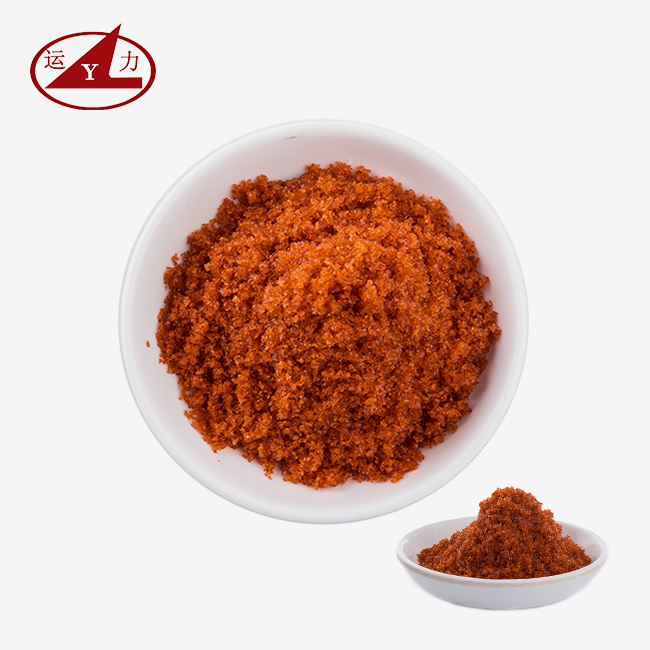
Our observations show that this substance appears in industrial settings as clear to white crystalline solids that have strong hygroscopic properties. The crystals easily soak up water from the air, so they need to be stored in a controlled way to keep their structure. This physical trait is very important when planning the logistics of a building and setting up rules for quality control.
Solubility and Thermal Behavior
In application engineering, solubility is a very important factor. At 25°C, this aluminum salt dissolves in water at a rate of 64 grams per 100 milliliters. This makes it easier to make working solutions that are very concentrated. Because it dissolves so easily in water, it can be easily added to systems that process water without needing complicated dissolving steps or special tools. It also dissolves somewhat in alcohols and ethylene glycol, which makes it useful in a wider range of liquid systems.
The thermal profile shows the limits of operation that affect the working factors. Around 73.9°C, the material passes through its melting point, and around 150°C, thermal breakdown starts. As the substance breaks down, it gives off nitrogen oxides and goes through a number of intermediate states before finally turning into aluminum oxide. These thermal properties help with safe heating and catalyst preparation in situations where controlled thermal treatment creates the alumina structures that are needed.
Safety Profile and Handling Considerations
When mixed with water, this substance forms acidic solutions with pH levels usually falling between 2.0 and 4.0 in 5% solutions. Because of this acidity, storage bins and processing tools need to be made of materials that don't rust, like stainless steel types that don't rust in acidic environments. Because the substance oxidizes, it needs to be kept away from reducing agents and organic materials while it is being stored and moved.
Chemicals that come into contact with skin can irritate it, so you need to wear chemical-resistant gloves, safety glasses, and protective clothes. Material Safety Data Sheets (MSDS) give a lot of information about how dangerous something is and what to do in an emergency. Businesses that use heat or decompose things accidentally should make sure they have good air systems in place to protect workers from breathing in nitrogen gas.
Industrial Applications and Usage Scenarios
Catalyst Manufacturing and Chemical Synthesis
In the petroleum and fine chemical industries, this aluminum combination is used as a starting material to make alumina catalyst supports with a lot of surface area. The heat breakdown route lets the change to gamma-alumina happen in a controlled way, without adding corrosive halide ions that could hurt the performance of the catalyst. In hydrodesulfurization processes, where small amounts of contaminants can stop catalytic sites from working, this purity advantage is very important, especially when using Aluminum Nitrate Nonahydrate as a precursor material.
It is used as a nitrating agent and a Lewis acid catalyst in organic chemistry. Its controlled oxidation qualities make it easier for certain reactions to happen that other aluminum sources can't do as selectively. These precise features are very useful for chemical plants that make pharmaceutical intermediates and specialty chemicals, since reaction control has a direct effect on yield rates and product specs.
Textile Dyeing and Mordant Applications
The textile industry has known for a long time that this chemical works well as a dye mordant for both natural and man-made fibers. When it is put on cotton, silk, or wool, it forms coordination complexes with dye molecules that make the color last longer and be less affected by light. It has better binding strength and even dye distribution across cloth surfaces than standard alum mordants.
Textile makers like that it keeps colors from running during washing processes, which is especially helpful when making high-end fashion fabrics and upholstery for cars. For the mordanting process to work well, the concentration needs to be carefully managed. Based on our experience, solution strengths between 2% and 5% give the best results without damaging the cloth or using too many chemicals.
Water Treatment and Coagulation Processes
Aluminum Nitrate Nonahydrate is being looked at more and more as a replacement coagulant by municipal and industry water treatment plants. Even though aluminum sulfate is still the most common choice, this nitrate version has some benefits in certain water chemistry situations. Because it works well across a wider pH range and adds fewer sulfate ions to cleaned water, it can be used in places where sulfate levels are a problem.
The chemical coagulates by breaking down in water to make positively charged aluminum hydroxide species that cancel out negatively charged particles in the fluid. This flocculation method cleans sewer streams by getting rid of turbidity, organic matter, and phosphorus compounds. When comparing performance to aluminum chloride, it shows similar rates of reducing turbidity while possibly being cheaper, based on where it is available and how bulk prices work.
Synthesis and Quality Specifications
Production Methods and Manufacturing Considerations
There are two main ways that synthesis works on an industrial scale. In the straight neutralization method, aluminum hydroxide or aluminum metal is mixed with nitric acid to make an aluminum nitrate solution. This solution crystallizes when it cools, revealing the Aluminum Nitrate Nonahydrate form. This simple method works well for making a lot of things when the cost of nitric acid is low and there are systems in place to collect waste acid.
Metathesis processes between aluminum sulfate and soluble nitrate salts are used in other ways to make the compound, but they make sulfate byproducts that need to be separated. To get the right hydration state and crystal size distribution, manufacturers have to carefully control the reaction temperatures and crystallization conditions. These process factors have a direct effect on the purity, flowability, and dissolution of the product, which are all things that end users count on for reliable performance.
Purity Standards and Quality Grades
Lab-grade and industrial-grade materials have very different product specs. Lab product grades usually promise purity levels higher than 98.0%, with strict controls on metal impurities like iron (Fe < 0.01%), heavy metals (as Pb < 0.005%), and chloride content (Cl < 0.005%). For analytical purposes and study settings where small amounts of contaminants can affect the accuracy of experiments, these high-purity standards are important.
Industrial-grade specifications combine the need for purity with the need to keep costs low. Depending on the purpose, they usually keep purity above 95–98%. Tighter controls on impurities are needed when making electronic materials and high-performance catalysts. This is especially true for iron content, which can add unwanted color or catalytic interference. Each batch should come with a Certificate of Analysis (COA) that shows that the analysis data has been checked and is accurate. This is done for quality assurance and to show that the company is following the rules.
Comparative Analysis with Related Aluminum Compounds
Procurement teams look at aluminum oxide, aluminum chloride, aluminum sulfate, and different nitrate hydration states when choosing aluminum compounds. Anhydrous aluminum nitrate has more aluminum per unit weight, but it needs to be handled in a certain way because it melts easily and reacts badly to heat. The nonahydrate form is easier to work with and has controlled reaction that works well for most commercial uses.
When aluminum chloride is added, it releases chloride ions that can damage stainless steel systems and make some catalysts useless. Aluminum sulfate is a cheap way to treat water, but it adds sulfate to streams that drain into the environment. The nitrate version gets around both of these problems, but it might cost more per unit based on how the market works in your area. This trade-off study is a key part of making a procurement plan and building long-term relationships with suppliers.
Comparative Analysis to Support Procurement Decisions
Performance Metrics in Water Treatment Applications
Direct studies of the performance of Aluminum Nitrate Nonahydrate and other coagulants show that it has some benefits in some treatment situations but not in others. All three aluminum coagulants—nitrate, sulfate, and chloride—reduced turbidity in laboratory jar tests that were meant to mimic how wastewater from cities is treated. This was seen when the same amount of aluminum was added to each jar. The nitrate version worked best in slightly wider pH ranges, staying coagulative between pH 6.0 and 8.5 compared to the sulfate-based versions' smaller ranges.
When figuring out how cost-effective something is, the different amounts of metal in it must be taken into account. For true cost comparisons, the higher molecular weight of the nonahydrate form needs to be normalized to aluminum content, even though the per-kilogram price may favor aluminum sulfate at first. Regional supply and shipping costs also affect overall landed costs, especially for businesses that need to buy a lot of tons on a regular basis.
Supplier Evaluation and Certification Requirements
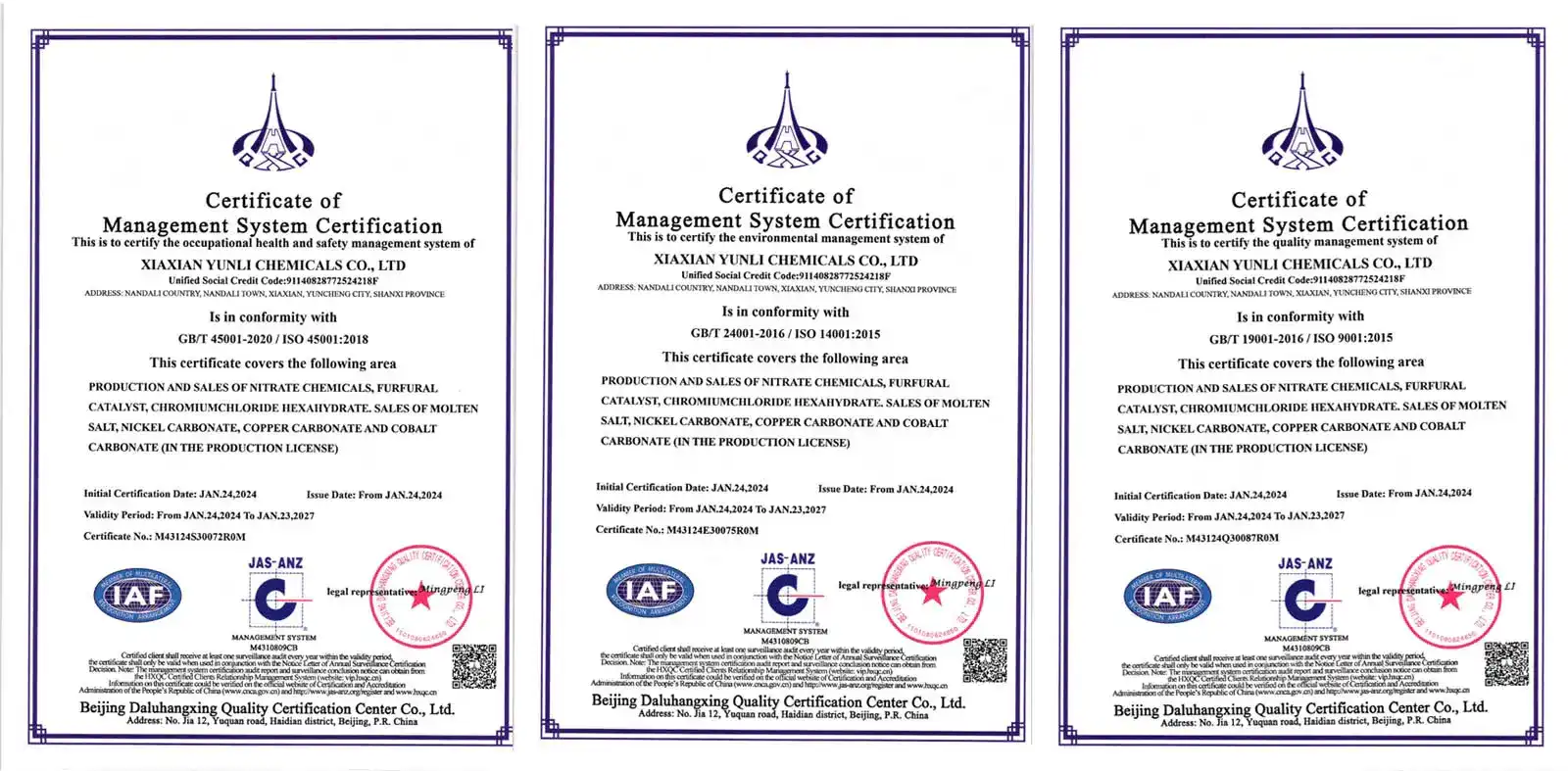
To build trusting relationships with suppliers, you need to carefully look at their professional skills, quality control methods, and ability to follow rules. Getting ISO 9001 certification shows that you are committed to consistent quality management, and getting ISO 14001 certification shows that you are responsible for the environment during all stages of production. OHSAS worker health and safety certification shows that a seller follows safety rules at work, which is linked to operating dependability.
How well a supplier can help with technical issues has a big effect on the value of a long-term relationship. When scaling up new processes or fixing performance problems, organizational risks are lower when vendors offer application engineering help, custom solution planning, and fast technical service teams. Being able to give away free samples of up to 500 grams allows for full testing of validity before committing to large purchases. This lowers procurement risks and makes sure that the product is suitable for specific uses.
Market Trends and Bulk Purchase Strategies
The way the market is moving now shows that demand is stable in the textile processing and catalyst manufacturing sectors, with interest growing in specialty water treatment uses. When planning to buy in bulk, you should think about how demand changes with the seasons and make long-term supply deals if your business needs to keep getting materials. By negotiating flexible delivery plans and keeping smart inventory buffers, you can protect your supply chain from problems and get the most out of your working capital.
When you place a large order of tons, volume-based price models usually offer big cost cuts. Procurement managers should look at the total cost of ownership, which should include different choices for packing, how to move the goods, and the paperwork that needs to be filled out. Suppliers who can offer different types of packing (bags, bins, or large packages) and custom concentration solutions give businesses more operating freedom, which makes managing inventory easier and cuts down on the amount of work that needs to be done.
Best Practices for Handling, Storage, and Procurement
Safety Protocols and Personal Protection
Safe handling starts with giving workers thorough training on chemical dangers and how to handle emergencies. Chemical-resistant gloves, safety glasses with side shields, and protection clothing that covers skin should be worn by workers. When working with dusty materials or at high temperatures, where nitrogen oxide fumes might come out, you need to wear respirators, especially when handling Aluminum Nitrate Nonahydrate, to minimize exposure to harmful substances.
Work areas need to have enough ventilation to keep air moving quickly enough to keep flying particles or breakdown products from building up. Within ten seconds of travel time from working areas, emergency eyewash stations and safety showers must always be easy to get to. Spill reaction kits with reducing agents and absorbent materials should be easy to find, and workers should be trained in the right way to clean up in a way that limits exposure risks and harms the environment as little as possible.
Storage Conditions and Stability Management
Because this material absorbs water, it needs to be kept in sealed cases in climate-controlled areas. The relative humidity should stay below 60% to stop things from absorbing water, which can lead to clumping and slow changes in the hydrated state. Keeping products stable and stopping them from breaking down too quickly is possible by storing them between 15°C and 25°C.
The slightly acidic and oxidizing properties of the substance must not be able to damage the materials used to make the containers. You can use high-density polyethylene containers or covered steel drums, but you should stay away from materials that don't work well together, like organic plastics that are easily oxidized. Following the first-in, first-out rule for product rotation keeps things fresh and lowers the risk of them going bad over long times of keeping.
Protocols for visual review help find problems with steadiness before they hurt the quality of the product. If something changes color, forms a crust, or smells strange, it might be breaking down and needs to be tested in a lab before it can be used. Setting maximum storage times based on the quality of the package and the surroundings helps keep production quality high and cuts down on waste from old materials.
Procurement Best Practices and Documentation
Clear conversation about requirements is the first step to building good buying relationships. On purchase orders, it should be clear what purity grades are needed, how much dirt is allowed, how the goods should be packed, and when they should be delivered. Asking for batch-specific COA paperwork before shipping lets you check the quality and stops expensive production delays caused by materials that don't meet specifications.
Sample review programs make sure that suppliers can do what they say they can do before they sign big contracts. When samples are tested in real production settings, performance traits are revealed that can't be seen in specification sheets alone. This evaluation step is very helpful when looking at different suppliers to find the best ones or when looking for ways to cut costs by switching providers.
In regulated businesses, documentation needs go beyond just COAs. They also need MSDSs, environmental safety certificates, and records of the chain of custody. Suppliers with a lot of experience working with the technology, pharmaceutical, or food-contact industries usually have strong paperwork systems that make it easier to follow regulations and get ready for audits.
Conclusion
Technical specs for Aluminum Nitrate Nonahydrate include its chemical properties, how well it works in different applications, quality standards, and practical handling needs. All of these things help people make smart choices about what to buy. This crystalline substance can be used to make catalysts, process textiles, and treat water, but it needs to be stored safely and with care so that it doesn't lose its flexible properties. For commercial use to work, the right purity grades must be chosen, trustworthy supplier relationships must be built on valid certifications, and thorough handling processes must be put in place. Procurement managers and technical experts can improve the performance of the supply chain, make sure that regulations are followed, and get consistent operating results by knowing these technical aspects and using systematic evaluation criteria.
FAQ
Q1: What distinguishes aluminum nitrate nonahydrate from aluminum sulfate in practical applications?
A: The main difference is the anion that is added to the process systems. Aluminum Nitrate Nonahydrate adds nitrate ions and aluminum sulfate adds sulfate ions. This is important for controlling the amount of wastewater that is released and for managing rusting. On the performance level, both substances work well as coagulants, but the nitrate type stays active over a wider pH range. Aluminum sulfate is usually cheaper than nitrate when treating big amounts of water, but nitrate is better for specific uses that need to minimize sulfate.
Q2: How should this be kept so that it stays in good shape?
A: For storage, containers must be sealed and kept in climate-controlled areas with temperatures between 15°C and 25°C and relative humidity below 60%. Because it is hygroscopic, it clumps when it comes in contact with water and may change how much water it holds. Using coated steel or high-density polyethylene containers keeps chemicals from reacting with each other, and first-in, first-out stocking movement keeps things from being stored for too long, which could affect their stability.
Q3: What kinds of certificates show that a provider is a good one?
A: Systematic quality management is shown by ISO 9001 certification. Environmental responsibility is shown by ISO 14001 certification, and a dedication to safety at work is shown by ISO 45001 (formerly OHSAS) certification. These standards, which are known all over the world, are linked to stable product quality and reliable operations. Also, sellers who offer full technical support, batch-specific COAs, and the ability to test samples before placing large orders build trusting relationships that lower procurement risks.
Partner with Yunli Chemical for Reliable Aluminum Nitrate Nonahydrate Supply
Getting high-quality Aluminum Nitrate Nonahydrate from a reputable supplier has a direct effect on how quickly and consistently you can make your products. Yunli Chemical is a reliable source for technical-grade and high-purity aluminum salts. It was founded in 2005 and has over twenty years of experience in the field. Our business technology center at the regional level and advanced analytical tools make sure that every batch meets the same strict standards for impurities.
We keep our ISO 9001, ISO 14001, and OHSAS certifications, which show that we care about quality management, being good to the earth, and making sure our operations are safe. With more than 1 billion yuan in yearly sales and 300 million yuan in fixed assets, we provide the supply security that medium to large businesses need to keep running. With our factory-direct model, there are no middle-man costs, and we offer a range of flexible packing choices, custom solution concentrations, and free samples of up to 500 grams for testing purposes.
Email our expert team at wangjuan202301@outlook.com to talk about your exact purity needs, shipping times, and prices for large orders. Whether you need normal industrial grades or high-purity materials for making catalysts, our skilled staff can help you with your application and make your process run more smoothly. You can benefit from working with a qualified aluminum nitrate nonahydrate company that wants to do good work together for a long time.

References
1. Smith, J.R. and Anderson, T.L. (2019). "Industrial Applications of Aluminum Salts in Water Treatment Technologies." Journal of Environmental Engineering Chemistry, Vol. 45(3), pp. 234-251.
2. Chen, W. and Rodriguez, M. (2020). "Comparative Analysis of Aluminum-Based Coagulants: Performance and Economic Considerations." Water Research and Technology Review, Vol. 12(2), pp. 87-104.
3. Thompson, K.E. (2021). "Catalyst Support Materials: Synthesis and Characterization of High-Purity Alumina Precursors." Industrial Catalysis Quarterly, Vol. 28(4), pp. 156-173.
4. Patel, S. and Nguyen, D.H. (2018). "Textile Mordants: Chemical Properties and Application Methods for Enhanced Dyeing Performance." Textile Science International, Vol. 36(1), pp. 45-62.
5. Williams, R.A. (2022). "Safety and Handling Protocols for Oxidizing Chemical Compounds in Industrial Settings." Chemical Process Safety Journal, Vol. 51(6), pp. 301-318.
6. Liu, Y. and Kowalski, P. (2020). "Quality Specifications and Analytical Methods for Industrial Aluminum Nitrate Products." Analytical Chemistry in Manufacturing, Vol. 33(5), pp. 412-429.