


Does Cobalt Nitrate Solution Liquid Require Special Shipping Rules?
Yes, Cobalt Nitrate Solution Liquid requires special shipping rules due to its classification as a hazardous chemical. The liquid form, derived from cobalt nitrate hexahydrate (CAS# 10026-22-9), possesses oxidizing properties and corrosive characteristics that mandate strict compliance with international transport regulations. Depending on concentration levels and free acid content, shipments typically fall under UN 3082 (Environmentally Hazardous Substance) or UN 3264 (Corrosive Liquid, Acidic, Inorganic). Proper documentation, specialized packaging, and adherence to ADR, IMDG, and IATA standards become non-negotiable requirements for safe transit across borders.


Understanding Cobalt Nitrate Solution Liquid
The cobalt nitrate solution is an important raw material used in many industries, from making catalysts to making advanced batteries. This water-based version gets rid of the problems that come with solid cobalt salts, especially the hexahydrate form's ability to absorb water, which leads to clumps and uneven doses. The liquid version speeds up automated production lines by letting more material be poured directly into reactors without first dissolving it.
Chemical Composition and Properties
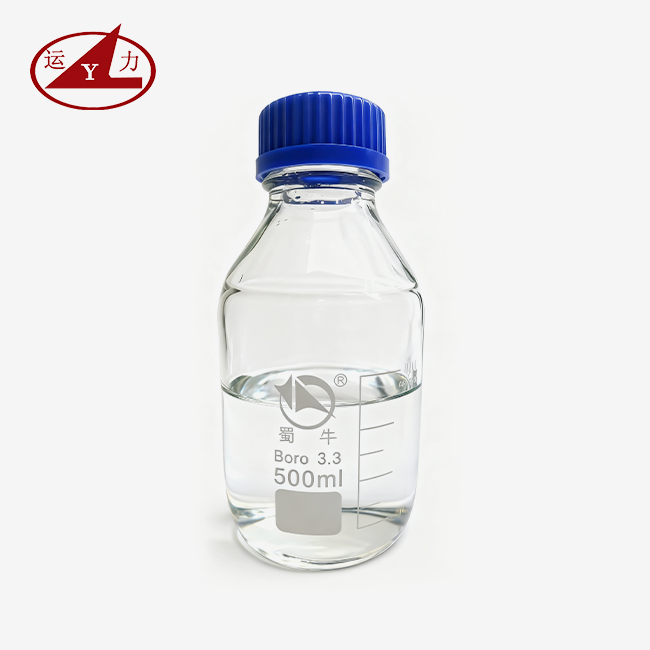
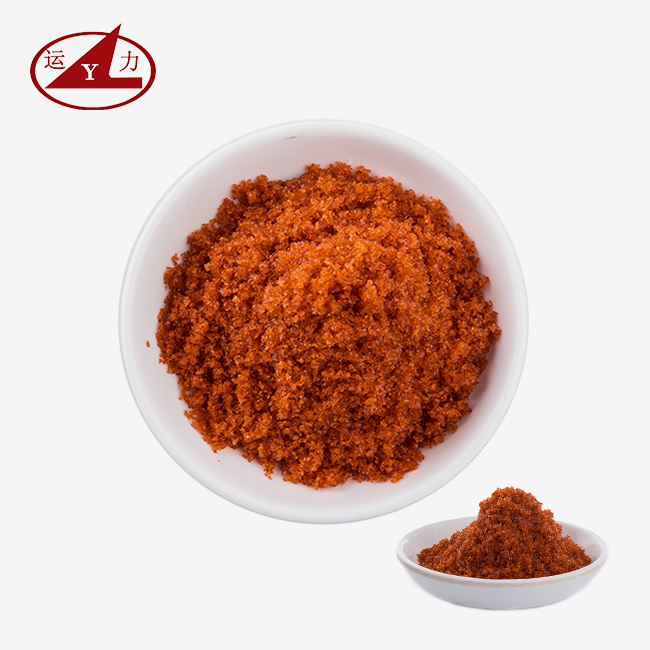
The hexahydrate form, with a molecular weight of 291.03, is shown by the formula Co(NO₂)₂·6H2O. When cobalt nitrate solution is dissolved, it usually looks like a clear, red to brownish-red fluid with a specific gravity of 1.25 to 1.45 g/ml at 20°C. Concentrations used in industry range from 10% to 15% cobalt by weight, depending on the needs of the product. The acidic nature of the solution comes from the nitric acid that was used in the production process, as shown by its pH level staying between 2.0 and 4.0.
It's important to understand these properties because concentration has a direct effect on both how the application works and how it is classified by regulators. When solutions have concentrations above a certain level, they are labeled as more dangerous, which increases the cost of shipping and makes it harder to organize. The nitrate anion's oxidizing property makes it hard for organic materials to mix with it. If stored incorrectly, this could cause burning or explosion reactions.
Industrial Applications and Purity Requirements
Catalyst makers need cobalt nitrate solutions to make hydrodesulfurization (HDS) catalysts, which are used to refine oil. When it's liquid, it can go deep into porous alumina supports, spreading the active metal out evenly, which is important for getting rid of sulfur effectively. Companies that make battery materials use this solution in co-precipitation processes to make nickel-cobalt-manganese (NCM) precursors. Atomic-level mixing determines the energy density and thermal stability of these precursors for use in electric vehicles.
In these situations, purity standards are very important for telling things apart. Excess iron lowers the catalytic activity and shortens the operating lifetime of advanced catalyst systems, so the iron level must be less than 30 ppm. Similarly, levels of sodium higher than 50 ppm poison the catalysts in hydrogenation reactions, and levels of chloride higher than 10 ppm put stainless steel reactors at risk of rusting. Ceramic glaze makers want the cobalt content to stay the same so that the color intensity can be predicted. They also want the stability of each batch to be within ±1% of the previous batch.
Safety and Handling Protocols
Material Safety Data Sheets (MSDS) say that cobalt nitrate liquids are dangerous when ingested, breathed in, or touched on the skin. Because it oxidizes, it needs to be kept away from reducing agents, flammable organics, and combustible materials while it is being stored. Chemical-resistant gloves, safety shields, and good ventilation systems to reduce vapor contact are all examples of the right personal protective equipment.
High-density polyethylene (HDPE) drums or 316L stainless steel tanks are the most common types of storage containers that can handle acidic solutions like Cobalt Nitrate Solution Liquid without rusting. During the winter, keeping an eye on the temperature is very important because solutions can crystallize anywhere from 0°C to 5°C, depending on their concentration. Insulated or warming ISO tanks keep solutions uniform throughout the supply chain by stopping precipitation during transport in cold weather.

Regulatory Overview: Shipping Rules for Hazardous Chemicals
Transporting cobalt nitrate solutions across international borders is governed by a complicated set of rules that are meant to keep people and the environment safe. Standardized classification systems, packaging rules, and documentation protocols that work across national borders are set up by these frameworks. This makes global trade possible while managing risks.
UN Numbers and Hazard Classifications
The UN gives dangerous goods unique identification numbers that make them easy to find on all types of transportation. Cobalt nitrate solutions are usually labeled under UN 3082 when they are highly harmful to the environment, especially when they are water-based and don't contain a lot of free acid. On the other hand, UN 3264 is used when the corrosive effects of too much nitric acid go beyond what is allowed by law. This makes corrosivity the main concern instead of environmental issues.
Adding packing groups to danger classes improves risk assessment even more. Cobalt nitrate solutions are usually in Packing Group III, which is for relatively low-risk chemicals. However, their exact placement relies on their concentration and pH levels. This classification changes the rules for packing, marking, and the largest amount that can be transported in a single unit.
Global Transport Regulations
European road transport follows the ADR (Accord Dangereuses Route) standards, which say how tanks should be built, what signs should be used, and how drivers should be trained. IMDG (International Maritime Dangerous Goods) codes govern maritime shipments. These codes cover things like where to store dangerous goods in relation to other types of cargo and how to handle emergencies on board a ship. The International Air Transport Association (IATA) sets rules for air freight that include strict number limits and packing performance standards to reduce pressure differences caused by altitude.
The UN Model Regulations serve as a basis for all of these governing systems, but they are not the same in how they are put into action. When compared to air freight, which has stricter limits for passenger safety, ocean freight allows for larger container loads. Knowing these differences helps procurement managers choose the best mode of transportation based on time constraints, cost concerns, and the number of packages being sent.
Essential Documentation
Shipments that are compliant must include complete paperwork packages with each shipment. The Safety Data Sheet (SDS) is a standard 16-section document that gives thorough information about hazards, first aid, and how to handle an emergency. Dangerous Goods Declarations confirm that packages follow the rules, and shippers are legally responsible for making sure they are correct.
Certificates of Analysis (CoA) check that Cobalt Nitrate Solution Liquid meets the terms of the deal by measuring pH, cobalt content, and impurity levels. REACH registration papers show that you follow European chemical rules, and TSCA certifications show that you follow the rules set by the US Environmental Protection Agency. When paperwork is missing or not complete, it causes delays at customs, storage fees, and maybe even fines from the government, which stops the supply chain from running smoothly.

Practical Tips for B2B Procurement and Logistics Managers
Finding answers for cobalt nitrate problems requires planning that balances quality control, following rules, and lowering costs. Systematic evaluation frameworks that look at a supplier's skills beyond price alone are helpful for procurement professionals.
Selecting Certified Suppliers
Reputable suppliers show that they have good track records by getting quality management certifications and regulatory approvals. Getting ISO 9001 certification means that you have standardized your quality control processes, which lowers the differences between batches that make it harder to plan your production. ISO 14001 environmental certifications show a dedication to environmentally friendly manufacturing methods, such as managing waste water and exhaust gasses, which are important for businesses that have to go through strict environmental audits.
When judging a supplier, you should look at their analytical skills by looking at their lab accreditation and portfolios of instruments. Advanced sellers keep ICP-MS and atomic absorption spectrometers in-house, which lets them quickly profile impurities and check quality in real time. This technical infrastructure makes it possible to customize requests for different levels of purity or pH levels without having to wait a long time.
Balancing Bulk Purchases with Compliance
Larger order volumes usually lead to better prices through economies of scale, but they also make logistics more difficult and regulatory scrutiny stricter. When shipping in bulk, you may need to provide more paperwork or use special transport equipment, such as ISO tanks with heating jackets to keep the liquid from freezing. When procurement managers look at the total landed costs, they should include not only the unit price but also freight surcharges, handling fees, and possible demurrage charges from delayed clearances.
Requesting samples is a good way to lower your risk during the initial seller selection process. Before committing to large-scale orders, technical specifications are checked by testing small amounts. Reliable sellers give away free samples of up to 500 grams, which lets you compare two or more goods side by side in your own lab or in small-scale tests.
Transport Mode Comparisons
Sea freight is cheaper for packages that don't need to be delivered right away, especially when the amount is more than 5,000 liters. Shipping containers allows for flexible scheduling and the chance to combine items, but transit times of 25 to 40 days mean that inventory planning needs to be changed. When compared to smaller air freight packages, maritime transport allows for bigger individual containers, which lowers the cost of handling each unit.
When speed is worth the extra cost, air travel is best for urgent needs or smaller numbers. Transit times usually last between 5 and 7 days, which keeps production going even when there are problems with supplies or sudden rises in demand. But IATA rules may mean that bigger orders have to be sent in more than one package, which increases the cost of handling and paperwork.
Ground transportation is the best way to get goods from one region to another within continental zones. Truck delivery is convenient because it can go from door to door without using container changes. This lowers the risks of handling and makes the chain of responsibility simpler. This mode is especially helpful for buyers who live close to manufacturing hubs because it cuts down on costs and damage to the environment by cutting down on transport distances.
Risk Management: Avoiding Shipping and Compliance Pitfalls
Proactive risk management keeps procurement operations safe from disruptions that cost a lot of money, legal problems, and damage to their reputation. Common mistakes include not paying enough attention to regulatory details, not checking out suppliers enough, or not having enough internal compliance processes in place.
Common Shipping Errors
Mislabeling is a common violation that can have serious effects. It happens when signs don't match up with real UN numbers or danger class names. These kinds of mistakes cause shipments to be turned back at inspection points, which costs money in holding fees and faster re-labeling. Even worse, mislabeled dangerous materials pose real safety risks during emergencies when first responders don't have the right information about the chemical's properties.
When you use containers that aren't allowed or fill them past their maximum size, you're not properly packaging your goods. Performance-based packing standards are set by regulations and can be checked through drop tests, pressure tests, and stacking compression evaluations. Containers that don't have UN approval marks are automatically turned away, and drums that are too full run the risk of pressure building up when temperatures change, which could lead to leaks or breaks during transport.
Customs delays happen when paperwork isn't complete, even if the goods themselves meet all safety standards. Shipments can be held up if the SDS translations into the languages of the destination country are missing, the REACH registrations have expired, or the Dangerous Goods Declarations have not been signed. These administrative problems make wait times longer than expected, which messes up production plans that depend on just-in-time delivery models.
Internal Compliance Strategies
Regular internal audits make sure that the way purchases of Cobalt Nitrate Solution Liquid are made is in line with current regulatory standards, which change over time as rules are amended and updated. As part of the auditing process, sample paperwork packages should be looked at, logistics staff should be asked about recent shipments, and knowledge recall about danger class determination should be tested. Finding holes before regulatory inspections lets you fix things without risking getting fined.
Staff training programs make sure that people who work in purchasing, receiving, and running warehouses know what their roles are in terms of compliance. The training should teach people how to spot hazards, deal with emergencies, and properly handle paperwork. Every year, refresher classes keep people up to date, especially when team members leave and new ones come on board who don't know much about the specific logistics needs for chemicals.
Working with experienced freight forwarders takes the stress of dealing with laws off of you and puts it on partners who deal with foreign rules every day. Qualified forwarders keep up with the latest rules for each country, prepare the necessary paperwork, and work with customs dealers to speed up processes. This partnership model lets internal teams focus on their main procurement tasks, while expert oversight makes sure that transport rules are followed.
Environmental and Emergency Considerations
Environmental risk studies look at what might happen if something spills, leaks, or a container breaks during transport. The results of the assessment are used to make backup plans, such as finding cleanup companies, setting up ways for environmental agencies to be notified, and figuring out what kind of holding equipment is needed. Planning ahead reduces damage to the environment and shows that you did your homework when regulators look into accidents.
There are specific steps that should be taken in different types of emergencies, from small leaks to big spills or car accidents. Plans should name the people who are responsible, set up ways for people to talk to each other, and include information on how to reach chemical reaction teams. Regular drills make sure the plan works and teach staff what to do in an emergency. This cuts down on response times and the severity of incidents by ensuring quick, coordinated action.
Conclusion
When shipping Cobalt Nitrate Solution Liquid across international and domestic borders, it is very important to follow strict rules about dangerous materials, use the right classification systems, and keep lots of records. Because this chemical oxidizes and corrodes, it needs special packaging, trained people to handle it, and shipping processes that are unique to each mode under the ADR, IMDG, and IATA frameworks. To be successful in procurement, you need to choose providers with a track record of following the rules, strong quality systems, and the technical skills to meet your needs for customization. Strategic mode selection for transportation combines need for speed with cost-effectiveness, and proactive risk management through internal checks, staff training, and partnerships with freight forwarders keeps operations safe from fines and supply chain problems. Understanding these complicated issues turns compliance from a problem to a competitive advantage, making it possible to reliably get the chemicals needed to make catalysts, batteries, and other specialty chemicals.
FAQ
What concentration triggers stricter hazardous shipping classifications?
When solutions have more than 0.5% free nitric acid, they are usually moved from the UN 3082 classification to the stricter UN 3264 corrosive classification. Cobalt content above 15% may also raise environmental hazard ratings, which could change the need for warning signs and transportation restrictions. Verification through pH testing and acid titration makes sure that the classification is correct before the shipment is made.
Can cobalt nitrate solution ship via air freight to the United States?
IATA rules still allow transfer by air as long as the amounts stay within the limits set, which are usually 5 liters or less per package for Packing Group III drugs. Shipments need Dangerous Goods Declarations, the right packaging with absorbent materials, and approval from the carrier ahead of time. Although it costs more than ocean transport, expedited air freight is good for orders that need to be delivered quickly.
Which documents should procurement managers verify before ordering?
Current Safety Data Sheets that meet GHS standards, Certificates of Analysis that confirm cobalt content and impurity specifications, and regulatory compliance certificates (REACH for Europe and TSCA for the USA) are all important pieces of paperwork. Suppliers with ISO 9001 certifications and licenses to move dangerous materials can show that their operations are legal and follow the rules.
Partner with a Trusted Cobalt Nitrate Solution Liquid Manufacturer
Yunli Chemical has been making high-purity cobalt nitrate solutions for over 18 years. These solutions are used for catalyst synthesis, battery material precursors, and precise industrial purposes. Our ISO 9001-certified factory strictly controls impurities, keeping iron below 30 ppm, sodium below 50 ppm, and heavy metals below 10 ppm. This makes sure that your important processes work at their best. We take care of all the complicated rules and regulations, giving you UN-certified packaging, full SDS paperwork, and REACH/TSCA safety certifications that make your purchasing process easier. By buying directly from the factory, you avoid the markups that come from going through middlemen. Plus, we can customize the concentrations, pH levels, and viscosities to meet your exact technical needs. Get free samples from our team by emailing wangjuan202301@outlook.com. Learn how our partnership with a Cobalt Nitrate Solution Liquid supplier can help you save money, make your products more consistent, and streamline your global supply chain operations.
References
1. United Nations Economic Commission for Europe. (2021). UN Recommendations on the Transport of Dangerous Goods: Model Regulations, 21st Revised Edition. United Nations Publications.
2. International Maritime Organization. (2020). International Maritime Dangerous Goods (IMDG) Code, 2020 Edition. IMO Publishing.
3. International Air Transport Association. (2023). Dangerous Goods Regulations, 64th Edition. IATA Publications.
4. European Agreement Concerning the International Carriage of Dangerous Goods by Road. (2023). ADR 2023: Volumes I and II. United Nations Publications.
5. Occupational Safety and Health Administration. (2019). Hazard Communication Standard: Safety Data Sheets. U.S. Department of Labor.
6. European Chemicals Agency. (2022). Guidance on Requirements for Substances in Articles under REACH Regulation. ECHA Publications.