


OEM Chromium Nitrate Solutions for Research Applications
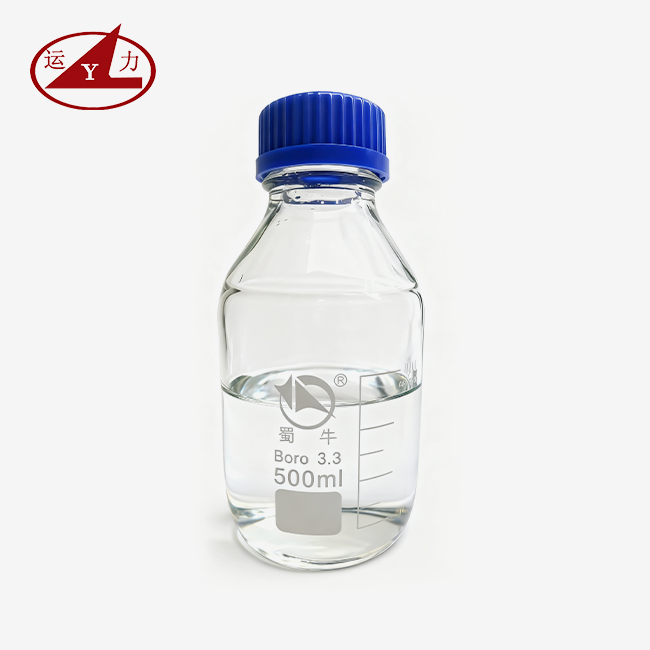
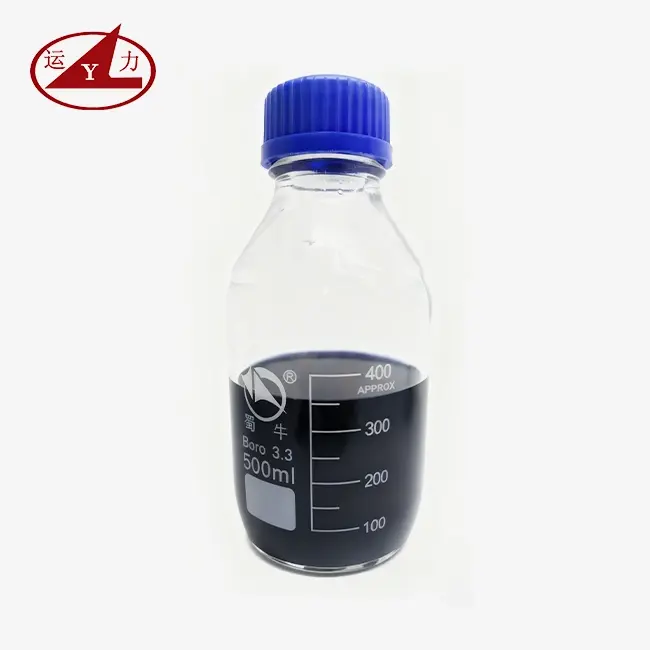
OEM chromium nitrate solutions provide research laboratories and industrial R&D centers with customizable, high-purity trivalent chromium compounds designed for catalysis, surface treatment, and specialty chemical synthesis. At Yunli Chemical, our Chromium Nitrate Nonahydrate (CAS 7789-02-8) delivers consistent batch performance with ultra-low iron content (≤30ppm), adjustable pH ranges, and flexible solid or liquid formulations. With over 18 years of manufacturing expertise, we address the stringent purity requirements and regulatory compliance demands that research applications mandate.
Understanding Chromium Nitrate: Properties and Research Applications
Chemical Formula and Molecular Characteristics
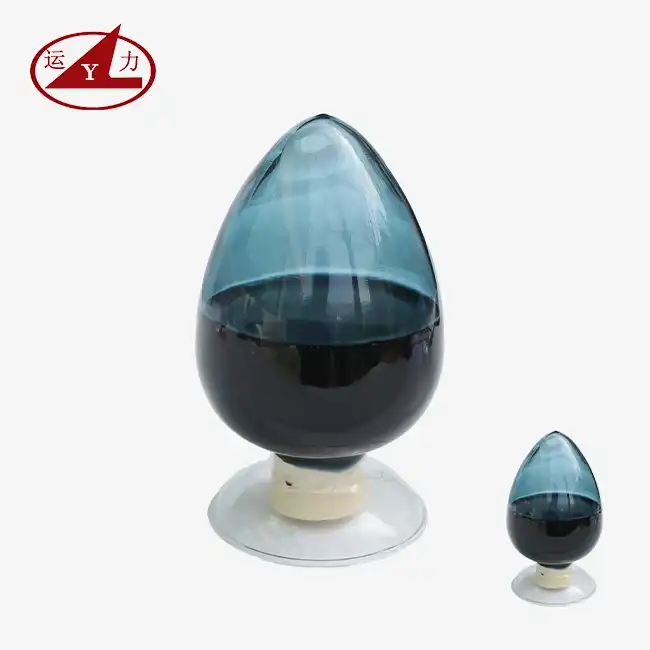
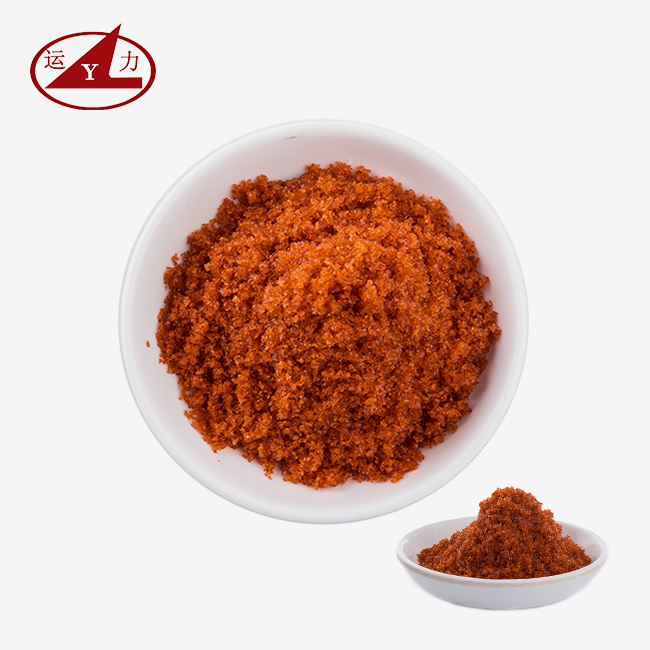
With a molecular weight of 400.15 g/mol, Chromium Nitrate Nonahydrate has the chemical formula Cr(NO3)3-9H2O. This deep purple-red crystalline compound dissolves very easily in water (about 81g/100ml at 20°C), ethanol, acetone, and inorganic acids. Its water-based solutions have a unique color change that goes from green when heated to reddish-purple when cooled. This can be used to see how sensitive it is to temperature changes. The compound melts at 60°C and breaks down at 125.5°C. These properties affect both how it is stored and how it is used.
Core Physical Properties for Laboratory Use
Because this material absorbs water, it needs to be handled carefully. Crystals can deliquesce, or turn into liquids, when they come into contact with moisture in the air. Because of this quality, the materials need to be packed in plastic bags that keep the air out. This is especially important for research-grade materials where concentration accuracy is very important. Our factory at Yunli Chemical uses moisture-barrier packing as normal, which keeps the integrity of the materials from the factory to the lab bench.
Research Applications Across Multiple Disciplines
Chromium Nitrate is mostly used by research institutions in three areas. The chemical is mostly used in catalyst production, where it is used as a precursor to coat alumina or silica supports in order to make hydrogenation catalysts. The nitrate base breaks down completely during calcination, leaving only pure Chromium(III) oxide (Cr₂O₀) active sites and not adding any poisonous ions like chloride or sulfate. Trivalent chromium solutions are used in surface treatment studies to make conversion coatings that are RoHS-compliant for aircraft aluminum alloys. It is used as a mordant in textile chemistry labs to get better dye fastness in acid dye uses. Its complexing property makes sure that the color is evenly absorbed in automatic dying systems.
Comparing Chromium Nitrate with Other Chromium Salts: Making the Right Choice
Why Nitrate Base Matters in Research Chemistry
Choosing Chromium Nitrate over other options like chromium chloride or chromium sulfate has a big effect on the results of experiments. Chromium chloride adds chloride ions that can damage stainless steel reactor parts and make it hard to make accurate readings in spectroscopy. Chromium sulfate leaves behind sulfate contaminants that can damage some catalytic systems and make it hard to work with precipitates in formulations. Chromium acetate is compatible with organic materials, but when it breaks down at high temperatures, it leaves behind carbon residues that make the catalyst less pure.
These problems are solved by Chromium Nitrate. When heated, the nitrate anion breaks down into nitrogen oxides and oxygen, leaving only the chromium oxide phase that is wanted. It can't be replaced when making high-surface-area chromium catalysts for petrochemical study because of its clean breakdown profile. Yunli Chemical's analytical-grade product always has sulfate levels below 0.05% and chloride levels below 0.01%. Ion chromatography checks each production batch to make sure the standards are met.
Purity Grades and Their Research Implications
Chromium Nitrate used in research is usually between 98.0% and 99.9% pure. In sensitive situations, the difference is very important. To meet USP/EP trace metal standards, pharmaceutical API synthesis needs less than 0.1% leftover nitric acid. According to studies from the electronics industry, glass and ceramics must have an iron level below 10ppm so that they don't turn colors. Low levels of alkali metal impurities (<50ppm Na/K) help catalyst development but shorten the catalyst's useful life otherwise.
Yunli Chemical runs a technology center at the regional level that has ICP-MS and atomic absorption spectrometers. This lets them make 4N-grade materials that are 99.99 percent pure. This feature helps study groups that need materials that meet the strict requirements for semiconductors, where even small amounts of contamination can ruin testing data.
Procurement Guide: How to Buy Chromium Nitrate for OEM and Bulk Research Use?
Evaluating Supplier Credentials and Certifications
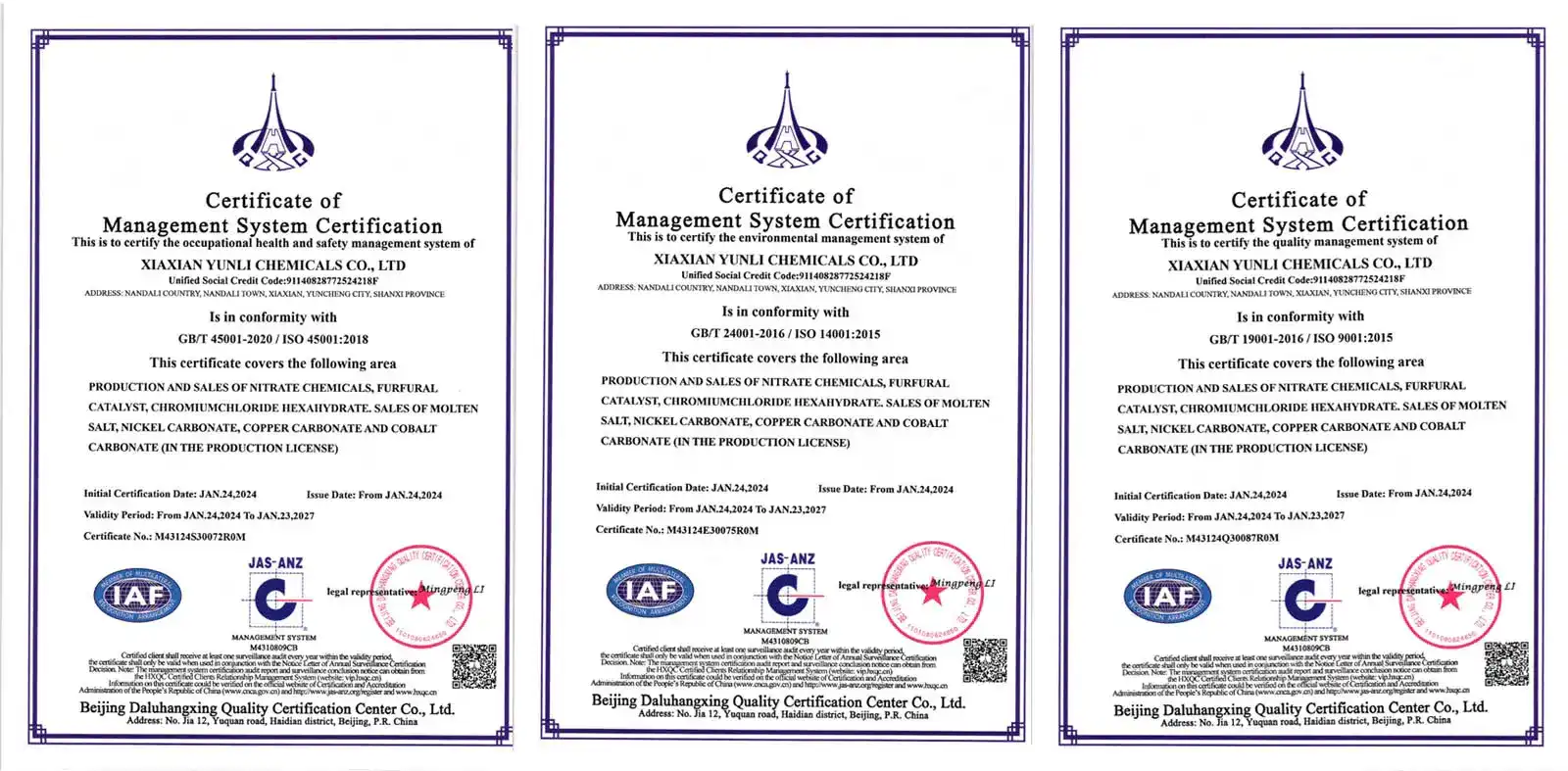
Qualifying suppliers is the first step in effective procurement. ISO 9001 certification means that quality management systems are in place, and ISO 14001 certification means that environmental rules are being followed. This is especially important for chromium, which is closely regulated. REACH and RoHS certifications show that a product meets European chemical safety standards, which is important for research institutions that work with other institutions around the world.
In our first ten years of business, Yunli Chemical got ISO 9001, OHSAS 18001, and ISO 14001 certifications. Being named a Shanxi Provincial Enterprise Technology Center in 2019 shows that we have kept investing in our R&D infrastructure and quality control tools. When procurement managers look at long-term buyer partnerships, these qualifications mean less risk in the supply chain.
Understanding Pricing Models and MOQ Flexibility
Prices for bulk Chromium Nitrate are usually set in tiers according to order size and pure grade. Standard material that is 98% pure costs more than analysis grade material that is 99.5% pure or high-purity material that is 99.99% pure. When you know these differences, you can avoid cost overruns that happen when requirements go beyond what is needed for research.
Our facility has a flexible minimum order quantity that starts at 1,000 kg, and we offer free samples of up to 500 grams for quality control. This easy-to-use model lets research schools check the performance of materials before they commit to bulk purchases. With direct manufacturer prices, there are no markups for distributors, and our own export business lowers the costs of doing business for buyers in other countries.
Logistics Considerations for Chemical Stability
Specific shipping procedures are required because Chromium Nitrate is classified as an oxidizer (UN 2720, Class 5.1). Safety Data Sheets and statements of hazardous materials are examples of proper paperwork. Transporting food in temperature-controlled containers keeps it from going bad too quickly, and moisture-barrier packing keeps the product's specs while it's in transit.
We work with certified logistics partners who know how to transport dangerous chemicals safely, so we can make sure that deliveries are made on time in North America, Europe, and the Asia-Pacific region. Custom packing choices, such as 25 kg moisture-resistant bags and IBC tanks for liquid solutions, can be made to fit the storage and shipping needs of a wide range of research facilities.
OEM Chromium Nitrate Solutions: Tailored for Research Efficiency and Reliability
Customization Options for Specific Research Protocols
OEM Chromium Nitrate solutions go beyond what's in the catalog. For research purposes, it is common to need particular amounts, pH changes, or impurity profiles. Our technical team works with client labs to come up with solutions that meet the exact needs of the experiments. Adjustable pH levels (5.0–7.0 ±0.2) keep tools from rusting and make sure that processes that are sensitive to pH can be repeated. Customizable levels of iron and chloride deal with specific problems that arise during analysis or meet the needs of catalysis.
One catalyst maker worked with us to make a low-sodium version (<20ppm Na) that made their hydrogenation catalyst last 30% longer. For spray application systems, another group of researchers studying surface treatment needed liquid Chromium Nitrate at a 50% concentration along with ingredients that made it more stable. These custom mixtures show how OEM relationships make research more efficient than just using off-the-shelf goods.
Quality Assurance and Batch Traceability
Every production batch goes through a lot of tests, such as redox titration to confirm the sample, ICP-OES to measure the amount of impurities, and measurement of insoluble matter. Each package comes with a Certificate of Analysis (COA), which lists the test results for each batch and shows where the raw materials came from. This paperwork meets the needs of regulatory audits and lets research teams connect important differences with the results of experiments.
Our quality management system keeps batch retention samples for 24 months. This way, if research problems show up later, they can be analyzed. This level of traceability is very helpful for multi-year research projects where consistency in materials has a direct effect on the validity of the data.
Technical Support Throughout the Research Lifecycle
As part of an OEM partnership, technical advice is given. Our engineers, who have backgrounds in coal and chemical engineering, can help you with things like moving materials, making the best use of storage space, and fixing problems with applications. When a textile research institute had problems with precipitation in their mordant bath, our team found that the pH of the solution wasn't right, so they had to change it to keep the chromium complexation stable. This kind of group problem-solving cuts down on material waste and speeds up study timelines.
Safety, Storage, and Handling Best Practices for Chromium Nitrate
Personal Protective Equipment and Exposure Prevention
The corrosive nature of Chromium Nitrate necessitates the use of the right PPE. Safety glasses with side covers protect your eyes from splashes, and nitrile gloves keep chemicals from touching your skin, which could cause burns. Lab coats and shoes with closed toes add to the barrier protection. Putting on respirator masks is necessary when working with powders that can make dust, but good ventilation is usually enough for small-scale lab work.
Material Safety Data Sheets list the limits of contact and how to handle an emergency. Some of the symptoms of acute exposure are skin irritation and inflammation of the respiratory tract. Knowing about these risks helps researchers put in place the right controls and handle unexpected situations in the best way possible.
Optimal Storage Conditions for Material Integrity
Controlled storage environments are needed to keep Chromium Nitrate's chemical stability. Temperatures should stay below 25°C to keep things from breaking down too quickly and to slow down the deliquescence process. To keep moisture uptake as low as possible, relative humidity must stay below 50%. Because the compound is an oxidizer, storage areas should be kept away from things that can catch fire. Reactions with organic materials can start fires.
We suggest keeping containers that haven't been opened in their original packaging that keeps moisture out. Moving any leftovers to airtight containers with desiccant packs after opening them increases the time they can be used. Our packaging comes with humidity indicator cards that show if the storage conditions are right and let users know if moisture is getting in before the material breaks down.
Spill Response and Waste Disposal Protocols
The first step in responding to a spill is to secure the area and stop the material from spreading. Putting neutral materials (like vermiculite or sand) that can soak up spilled crystals and keep the danger inside while keeping organics away from them. Chromium Nitrate can be changed into less mobile chromium carbonate by neutralizing it with a sodium carbonate solution. However, large spills need to be cleaned up by professionals who handle hazardous waste.
Local environmental rules about chromium compounds must be followed when getting rid of them. Many places don't allow drain disposal because they're afraid it will pollute water. Getting qualified chemical waste handlers to do the disposal makes sure that the rules are followed and that the earth is cared for. Our team includes disposal advice paperwork with every package. This makes it easier for research sites to follow the rules when they have a lot of chemicals to keep track of.
Conclusion
Choosing the right OEM Chromium Nitrate provider has a huge effect on the quality and speed of study. High-purity formulas with confirmed low amounts of impurities keep equipment and experimental artifacts from happening. When a supplier can customize, guaranty quality, and offer technical support, chemical procurement changes from a transactional relationship to a strategic research partnership. Yunli Chemical has been making chemicals for 20 years, has been named a state technology center, and has a wide range of chromium salts. This makes us a trusted partner for research institutions that need to meet stricter purity standards and environmental compliance requirements. Our dedication to quality control, adaptable buying methods, and ongoing expert cooperation helps with all kinds of study application problems.
FAQ
What purity level is required for catalyst research applications?
When making catalysts, the minimum purity level needs to be 98.5%, and the iron content needs to be less than 30ppm, and the alkali metal impurities need to be less than 50ppm Na/K. Higher pure grades (99.5%+) are better for uses where small amounts of contaminants can change the selection or lifetime of the catalyst. Based on your catalytic system and performance needs, our expert team can help you choose the right types.
How does chromium nitrate compare to chromium chloride for electroplating research?
Chromium Nitrate stops the introduction of chloride ions, which keeps stainless steel equipment from stress corrosion cracking and keeps chloride from interfering with analytical testing. Trivalent chromium plating study is moving toward nitrate-based systems more and more for RoHS/REACH compliance. These systems have the same corrosion protection as hexavalent chrome without the risk of cancer.
What are typical lead times for OEM customized solutions?
Standard items are sent out 7–10 days after an order is confirmed. When custom formulas need specific changes to the concentration or pH, the process usually takes 15 to 20 days, including formulation development, analytical proof, and production. Based on current production plans, we can handle rush orders. Please call our sales team for faster times.
Can batch-to-batch variability affect research reproducibility?
Of course. Changes in impurities between runs can cause problems in experiments, especially in analytical chemistry and catalysis. Our quality system keeps strict standards (usually ±0.5% on assay) and keeps full records for each batch. Buying more from a single production batch makes sure that the quality stays the same over long research programs.
Partner with Yunli Chemical for Your Chromium Nitrate Supply Needs
Yunli Chemical is one of the biggest companies that makes Chromium Nitrate. They work with research centers and industrial R&D centers in North America, Europe, and the Asia-Pacific region. Our Xia County facility has fixed assets worth 300 million yuan and makes over 1 billion yuan in sales every year. This gives us the production security and financial power that long-term research partnerships need. As a provincially recognized Enterprise Technology Center, we offer both analytical and flexible OEM services.
We can make concentrations, packaging, and technical support that are specific to your research protocols. Whether you need analytical-grade materials for making drugs or high-purity versions for developing catalysts, our team can help. We can improve the reliability of your experiments and cut down on the time it takes to find new things. You can email our technical sales team at wangjuan202301@outlook.com to talk about your Chromium Nitrate supplier needs, get free samples, or set up a video tour of our site.

References
1. Smith, J.R. & Thompson, K.L. (2021). Trivalent Chromium Compounds in Modern Catalysis: Properties and Applications. Journal of Industrial Chemistry, 45(3), 287-304.
2. Anderson, M.P. (2020). Comparative Analysis of Chromium Salts for Surface Treatment Applications. Surface Engineering Quarterly, 38(2), 112-129.
3. European Chemicals Agency (2022). Guidance on Safe Handling of Oxidizing Inorganic Compounds in Research Laboratories. ECHA Publications, Helsinki.
4. Williams, D.H. & Chen, L. (2023). Quality Specifications for Research-Grade Chromium Nitrate: Impact on Catalyst Performance. Materials Science and Engineering Reports, 52(1), 45-68.
5. International Organization for Standardization (2021). ISO 14001:2021 - Environmental Management Systems for Chemical Manufacturers. ISO Standards Database, Geneva.
6. National Institute for Occupational Safety and Health (2022). Chemical Safety Guidelines: Chromium Compounds Handling and Storage Protocols. NIOSH Technical Report Series, Publication No. 2022-147.