


Is Ferric Nitrate Suitable for Etching, Catalysts, or Other Uses?
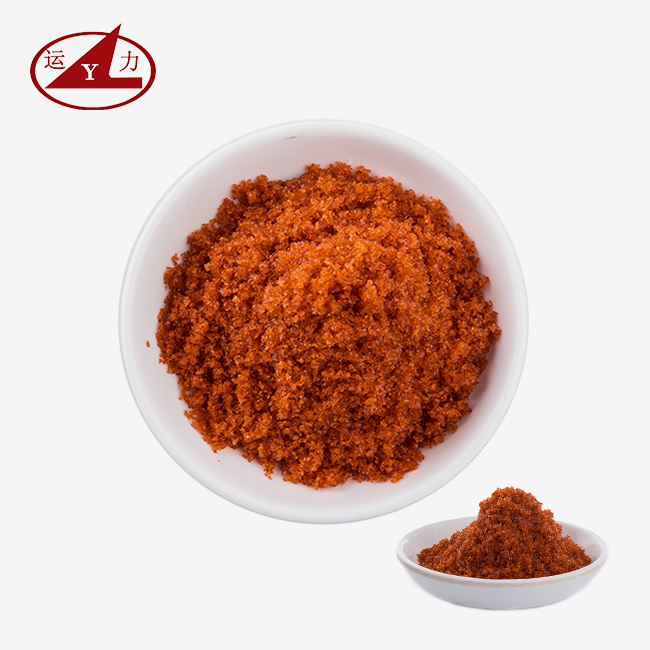
Ferric Nitrate, chemically represented as Fe(NO₃)₃·9H2O, demonstrates exceptional versatility across metal etching, catalyst manufacturing, water treatment, and specialty chemical synthesis. This purple crystalline compound offers precise oxidizing properties suitable for electronics etching and catalyst preparation, while its high solubility and controlled reactivity make it valuable for industrial water treatment and corrosion inhibition. With over two decades of production experience, we have witnessed how this iron-based compound solves critical manufacturing challenges for procurement managers seeking reliable, high-purity materials for demanding applications.
Understanding Ferric Nitrate: Chemical Properties and Safety Considerations
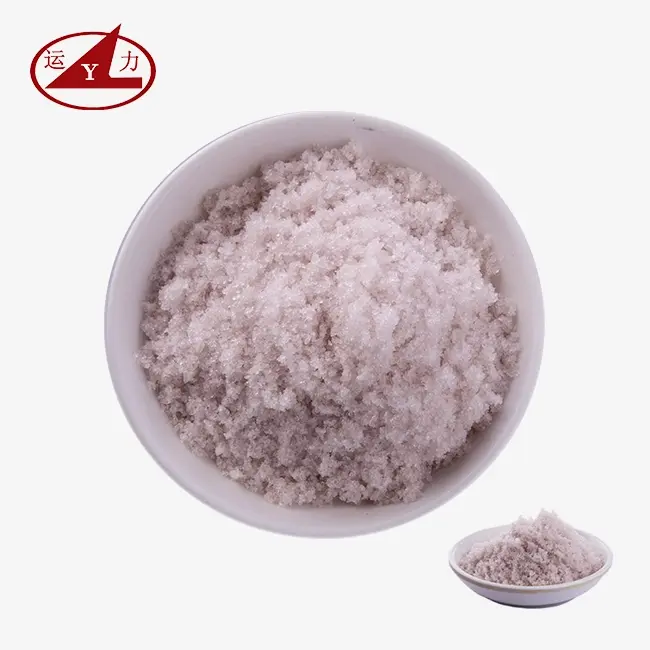
Ferric Nitrate Nonahydrate (CAS 7782-61-8) has unique physical properties that make it useful in industry. The compound is purple crystals that melt easily. Its molecular weight is 404.01 g/mol and its specific density is 1.68. It is different from many industrial salts because its freezing point is only 47.2°C. However, it starts to break down at 125°C, so it needs to be carefully controlled at that temperature while it is being processed and stored.
Solubility and Reactivity Profile
The chemical is easily broken down in water, ethanol, and acetone, making solutions with pH levels between 1.5 and 2.5 at a 10% concentration. This great solubility makes it possible for the material to be spread out evenly in etching baths and processes that impregnate catalysts. However, because they are deliquescent, they need to be stored in places with controlled humidity to keep the crystals from dissolving too soon and to keep their integrity throughout the supply chain.
Oxidizing Characteristics and Handling Precautions
This substance makes it easier for organic substances to burn because it is a Class 5.1 oxidizer (UN 1466). There is a big risk of fire and explosion when you come into contact with reducing agents, flammable materials, or organic solvents. Industrial handling rules say that things must be stored separately from materials that don't work with them, in containers that won't rust (HDPE or glass-lined vessels), and with enough air flow to get rid of decomposition gasses while they're being processed.
Regulatory Compliance for Industrial Use
DOT, IMDG, and IATA rules say that dangerous things must be transported and stored in a certain way. Shipments must come with paperwork like Safety Data Sheets (SDS), handling directions, and emergency reaction plans. Procurement teams should make sure that suppliers follow REACH, RoHS, and local environmental rules. This is especially important when looking for suppliers for making electronics or pharmaceutical intermediates, where strict contamination limits apply.
Ferric Nitrate Applications in Industry: Etching, Catalysts, and More
The compound's unique ability to oxidize, dissolve, and have a low halide content makes it useful in industry. Real-world applications show performance gains in many fields, ranging from environmental engineering to precise electronics.
Metal Etching for Electronics Manufacturing
Iron nitrate solutions are very good at etching silver and silver alloys, which is used to make printed circuit boards (PCBs) and do precise metalworking. The substance, unlike harsh mineral acids, has a smooth, even surface without any pits, which is very important for keeping circuits in high-density connection boards working properly.
You can change the etching rate by controlling the concentration (mostly 20–40% solutions), the temperature, and the pH. Ferric Nitrate is the primary active component in our etchant, and its purity directly affects performance. One big electronics company cut the number of defects by 35% after switching from chloride-based etchants to our low-chloride grade (<100ppm), which also stopped corrosion problems in the plating steps that came after.
Catalyst Synthesis and Support Impregnation
Catalyst makers like this stuff because it can be used to make iron oxide catalysts that are used in Fischer-Tropsch reactions, selective catalytic reduction (SCR) systems, and the production of methanol. The substance breaks down completely into iron oxides and nitrogen oxides during calcination, leaving no halide or sulfate leftovers that could poison catalytic sites.
Our ultrahigh pure grade (≤10ppm heavy metals) keeps the active surface area and stops the catalyst bed from hardening, which extends its life. A European catalyst maker got 12% higher conversion efficiency when they used our material instead of recovered iron salts. This was because our material had better impurity control and a more even spread of particle sizes.
Water and Wastewater Treatment Solutions
Iron nitrate is used in municipal treatment plants to do two things: ferric ions clump together solids in the water and form phosphates, and nitrate ions provide electron acceptors that stop sulfide formation in areas without oxygen. This stops hydrogen sulfide from breaking down concrete drains and lowers complaints about smells.
One city facility that treats 50,000 cubic meters of wastewater every day switched from ferric chloride to our product. This cut the cost of replacing stainless steel pipes by 40% over three years because chloride-induced pitting corrosion was no longer happening. The treatment also made getting rid of sludge easier because biosolids that had been treated with nitrates met standards for farm recovery without needing any extra work.
Specialty Applications in Textiles and Coatings
This chemical is used as a mordant by textile makers to keep colors on natural and man-made fibers for good. Our chloride-controlled formulation (<50ppm) stops fiber breakdown during high-temperature dying, so the cloth stays strong and the color stays true through industrial wash cycles. The substance can be used instead of trivalent chromium in conversion coats for steel to make them anti-corrosion. It meets environmental standards and gives the same level of rust protection. Coating formulators like that the crystal sizes can be changed from 0.5 mm to 3 mm, which affects how fast the coating dissolves and how evenly the thickness is spread out.
Comparing Ferric Nitrate with Other Iron Salts: Making the Right Choice
To choose the best iron compounds, you need to know how to balance performance, clarity, cost, and the needs of the product. When procurement professionals are trying to balance technical needs with budget limits, side-by-side comparisons make it easier to make decisions.
Ferric Nitrate vs. Ferric Chloride
Because it costs less to make, ferric chloride is the most popular etching material. However, it releases chloride ions that damage stainless steel tools and contaminate electronic parts. Remains of chloride get in the way of later plating steps, which means more rinse steps are needed, which uses more water and costs more to treat waste.
Our nitrate-based alternative gets rid of these problems while still providing the same etching rates. The higher price (about 15–25% more) is balanced out by longer machine life and lower waste handling costs. Industries that have strict rules about halides, like making semiconductors and medicines, can't do without the chloride-free character.
Performance Against Ferrous Sulfate
Although ferrous sulfate is less expensive, it doesn't have as much oxidizing power and adds sulfate ions that combine with calcium to make insoluble compounds that scale heat exchangers and pipes. In wastewater tests, the ferric (Fe³⁺) oxidation state of iron nitrate makes it better at coagulation at lower doses, which cuts the amount of sludge by 20–30%. For catalyst uses, the nitrate form is better because it doesn't contain sulfate, which can block active sites on zeolite and alumina supports. This is why it costs more to buy.
Considerations for Alternative Nitrates
Because of its balanced reactivity, iron content (about 13.8%), and breakdown profile, Ferric Nitrate is the best choice for uses that need clean decomposition paths and moderate oxidation strength. Aluminum nitrate dissolves more easily than other chemicals, but it doesn't have any magnetic qualities that are useful for making magnetic nanoparticles. Copper nitrate is better at burning things, but it also adds heavy metals that aren't allowed in food-contact uses or drinking water treatment.
Procurement Insights: How to Source High-Quality Ferric Nitrate Efficiently
Strategic sourcing mixes meeting technical requirements with evaluating a supplier's skills. When managing this market, procurement teams should put quality security, stable supplies, and the ability to customize above all else.
Quality Specifications and Testing Standards
Material for industry is usually at least 98% pure, and material for reagents is at least 99% pure. Important factors include the amount of iron (≤30ppm for catalysts and ≤10ppm for other uses), chloride (<100ppm for most uses and <50ppm for applications that are sensitive to rust), and solid matter (<0.005% for clear solutions).
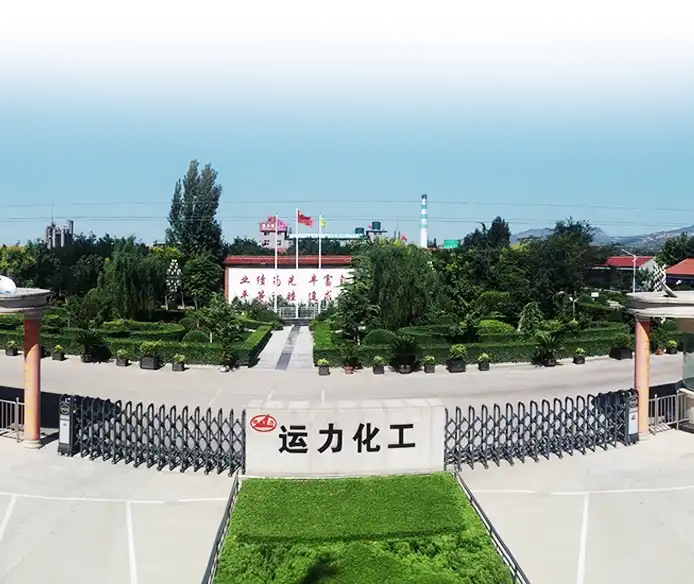
Reliable sellers include a Certificate of Analysis (CoA) with every batch that shows the results of the ICP-MS or atomic absorption spectroscopy. At Yunli Chemical, our provincial-level technology center keeps up-to-date testing tools like ICP-MS and high-precision spectrometers. This way, we can do our own testing instead of sending things to outside labs, which takes longer.
Packaging Options and Logistics Considerations
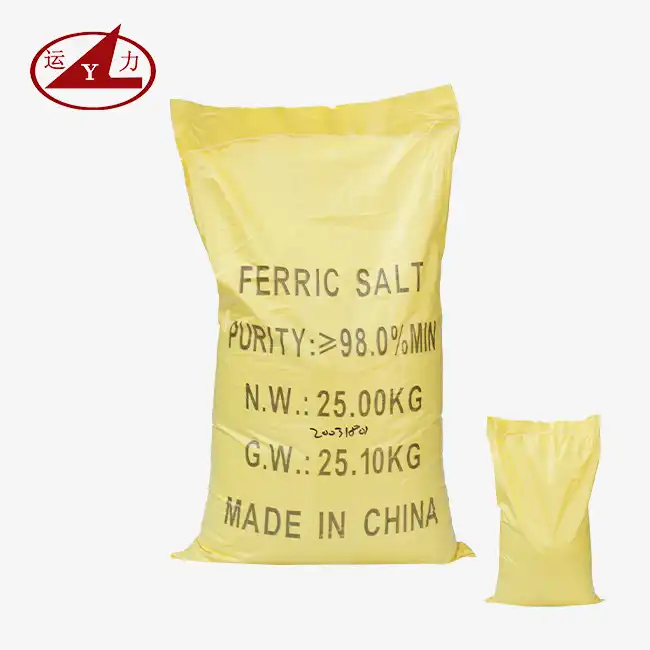
Standard packaging includes 25 kg polyethylene bags with liners that keep out moisture, 500 kg fiber drums, and ISO tanks for large amounts of liquid solutions. Because it melts easily, the material needs to be hermetically sealed. If it's not, it will take moisture from the air while traveling and arrive as a liquid instead of crystals.
Temperature-controlled shipping keeps things from melting too quickly in the summer. We can make custom labels that follow the rules of the destination country, and we can also provide pre-dissolved liquid concentrations (30–45%) that save customers time and exposure at work by eliminating the need for them to dissolve the product themselves.
Supplier Evaluation Criteria
Check the supplier's production capacity, quality management systems, and technical support skills in addition to the product specifications. ISO 9001 certification shows that process control is consistent, and ISO 14001 certification shows that environmental management skills are up to par, which is very important for customers who are going to be audited for supply chain sustainability. Long-term supply stability is important for planning production.
Manufacturers with dedicated production lines and backward integration into nitric acid supply chains are better able to handle changes in the prices of raw materials than traders. Ferric Nitrate production, in particular, benefits from this vertical integration because nitric acid is its direct precursor, so stable acid supply directly stabilizes output and cost. Companies that have been around for more than 20 years, like Yunli Chemical, which makes more than 1 billion yuan a year, show that they are financially stable, which lowers the risk of supply interruptions during economic cycles.
Cost Optimization Strategies
When you buy in bulk (1–5 tons), you usually get 8–12% off of small-lot prices. Annual contracts with supplies every three months keep budgets stable when product prices change, and they also keep inventory levels reasonable. Some suppliers offer toll manufacturing services for custom formulations that combine iron nitrate with co-catalysts or additives. These services simplify procurement and make supply chains more efficient. Specification mismatches that cause expensive production delays or quality failures are kept to a minimum by sample testing programs (we offer free samples of up to 500g).
Environmental and Safety Considerations When Using Ferric Nitrate
Safe working conditions and caring for the environment are both parts of responsible chemical management. Understanding danger profiles and ways to reduce risks saves the health of workers and makes sure that regulations are followed and the community accepts the project.
Occupational Health Hazards
Because it is acidic and can oxidize, the chemical irritates skin when it comes into direct touch with it. Inhaling dust while handling it can irritate the lungs, and getting it in your eyes can damage the lens. To protect yourself while handling powder, you need chemical-resistant gloves made of neoprene or nitrile, safety goggles with side shields, and dust masks that are at least N95. Decomposition fumes are spread out in working areas with enough ventilation (at least 10 air changes per hour). Within 10 seconds of work areas, emergency eyewash stations and safety showers must be easy to get to.
Environmental Release Prevention
The oxidation of organic matter in soil and the contamination of groundwater by nitrate leaching happen when things are spilled. Protocols for containment require secondary containment that can't be broken through (110% of the largest container volume) and spill kits with neutralizing agents like sodium carbonate or calcium hydroxide. Usually, effluent limits are set at less than 2 mg/L of total iron and less than 10 mg/L of nitrate-nitrogen.
To meet these limits, wastewater with dissolved iron nitrate needs to have its pH changed and go through precipitation treatment before it can be released. Our factory has mature wastewater treatment systems that can handle nitrate-rich waste water. We can offer this service to OEM users who need to make legal catalysts without having to invest in their own treatment infrastructure.
Sustainable Procurement Practices
Getting products from companies that use closed-loop nitric acid recycling systems and crystallization methods that use less energy lowers the carbon footprint of those products. Suppliers with environmental management certifications show that they are committed to doing more than just following the rules. It's important that packaging can be recycled.
HDPE bags and steel drums can be recycled in normal industry streams, but composite materials need to be thrown away in a special way. Regional buying makes transportation more efficient because it cuts down on shipping lengths and the pollution that comes with them compared to importing from other continents.
Conclusion
In metal etching, catalyst manufacturing, and water treatment, iron nitrate nonahydrate has been shown to work well. Its purity, controlled reactivity, and chloride-free composition make it stand out. Ferric Nitrate is the core active species in this compound, and its strong oxidizing properties, good solubility, and clean breakdown properties drive its versatility across these applications. Buyers should compare the starting cost of an item to its total ownership costs, taking into account how long the item will last, how much it will save on trash treatment, and how consistent the quality is.
Working with well-known manufacturers that offer technical support, the ability to customize products, and well-documented quality systems can lower supply chain risks and help improve processes. As businesses try to be more environmentally friendly and improve their performance, getting high-purity iron nitrate from dependable sources becomes more important to stay ahead of the competition.
FAQ
What makes iron nitrate preferable to ferric chloride for etching applications?
The chloride-free mix keeps stainless steel processing equipment from rusting and keeps halides from getting into sensitive electronics manufacturing. Even though ferric chloride is cheaper at first, iron nitrate is more cost-effective in the long run when you consider the cost of replacing equipment, doing more rinses, and treating waste in chloride-sensitive situations.
Can this material be used in food-grade applications?
Iron nitrate made for industry is not approved for direct touch with food. However, catalyst-grade material (with less than 10ppm of heavy metals) can be used as a starting point for iron oxide pigments that are used in food packaging and pharmaceutical coatings after it has been properly cleaned and approved. For certain food-grade uses, you need to talk to government experts.
How should bulk quantities be stored to prevent degradation?
Keep in buildings that are climate-controlled so that the temperature stays below 30°C and the relative humidity stays below 50%. To keep the ground from absorbing water, put sealed HDPE drums or moisture-barrier bags on pallets. To keep the crystal shape and stop it from melting, material that has been opened should be eaten within 30 days or resealed using heat-sealing equipment.
Partner with Yunli Chemical for Reliable Ferric Nitrate Supply
Yunli Chemical makes high-quality Fe(NO₃)₃·9H₂O that is between 98% and 99.9% pure, has custom impurity profiles (iron content ≤10-30ppm), and comes in different forms that can be chosen, such as crystals and solutions that are already dissolved. Our history of 20 years of production, ISO 9001/14001/OHSAS certifications, and designation as a provincial technology center ensure the quality and supply stability that large manufacturers need.
We don't have minimum order sizes and offer free 500g samples, so you can try our products thoroughly before committing to a full order. Without the markups that distributors add, our direct factory model keeps a lot of inventory on hand so that orders can be sent out quickly. Coal-chemical engineering-based technical teams work together to improve processes and lower the cost of catalysts, which helps customers make more money.
You can email our experts at wangjuan202301@outlook.com to talk about your needs, ask for certificates of analysis, or set up shipping of samples. You can look at our full range of nitrates and find technical information at yunlichemical.com, which will help you make smart purchasing choices.
References
1. Smith, J. R., & Thompson, L. M. (2021). Industrial Applications of Iron Salts in Modern Chemical Processing. Academic Press.
2. Chen, W., et al. (2020). Comparative Study of Iron-Based Oxidants in Metal Surface Treatment. Journal of Applied Electrochemistry, 50(4), 445-458.
3. Environmental Protection Agency (2022). Guidelines for Nitrate Compounds in Industrial Wastewater Management. EPA Technical Report Series.
4. Anderson, K. P. (2019). Catalyst Preparation Methods: Precursors and Support Materials. Wiley-VCH.
5. International Association for Water Quality (2023). Iron Coagulants in Municipal Treatment: Performance and Cost Analysis. Water Science & Technology, 87(2), 234-249.
6. Martinez, R. D., & Lee, S. H. (2022). Chemical Safety in Manufacturing: Handling Oxidizing Agents and Corrosive Materials. Springer.