


How Should Iron Nitrate Be Stored to Maintain Product Stability Safely?
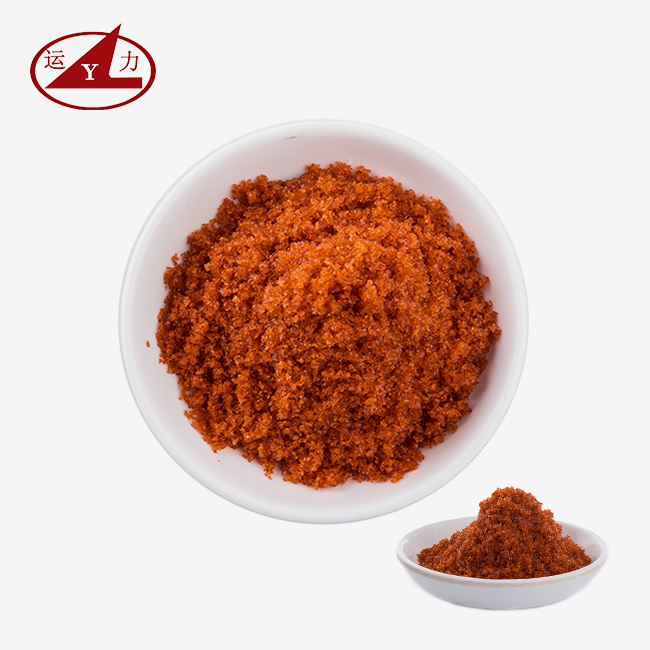
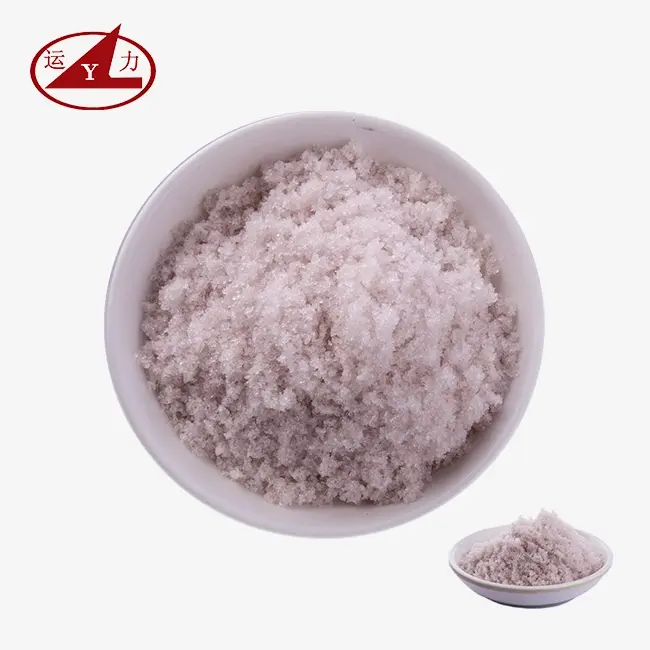
Proper storage of ferric nitrate nonahydrate (Fe(NO₃)₃·9H₂O, CAS 7782-61-8) is essential to maintain its oxidizing effectiveness and prevent costly degradation. This purple crystalline compound, commonly referred to as Iron Nitrate in industrial practice, has a molecular weight of 404.01 g/mol and is highly deliquescent; it melts at just 47.2°C, making it vulnerable to moisture absorption, temperature fluctuations, and premature decomposition.
Procurement managers and engineers must implement controlled environmental conditions, moisture-resistant packaging, and chemical segregation protocols to ensure batch-to-batch consistency. Incorrect handling can lead to caking, loss of purity, and even hazardous reactions with organic materials. Understanding these storage fundamentals protects your investment and supports uninterrupted production in catalyst manufacturing, water treatment, and metal surface conditioning applications.
Understanding Iron Nitrate and Its Storage Challenges
Ferric nitrate nonahydrate is one of a kind among iron-based substances because it dissolves easily in water and can oxidize things very well. In contrast to iron sulfate, which stays mostly steady in dry air, this substance actively pulls water from the air because it is deliquescent. When the crystals are exposed to air that is humid, they slowly take in water vapor. This creates a concentrated solution that wets the whole mass and makes it stick together. This change in physical state makes it harder to work with and speeds up hydrolysis, which lowers the effective Fe(III) content over time.
Temperature sensitivity makes things even more complicated. When heated to 125°C, the compound breaks down, releasing nitrogen oxides and leaving behind iron oxides. The melting point is 47.2°C, which is easily reached in containers that don't have air flow during the summer. This means that even moderate heat during transport or storage can cause some melting. Such changes in phase weaken the crystal's structure and add uncertainty to processes that happen later, like the immobilization of a catalyst or the formation of a mordant.
Because ferric nitrate oxidizes, it needs to be kept away from organic acids, flammable materials, and reducing agents. Alcohols, oils, and cellulose-based packing are just a few of the things that can start exothermic reactions, which can lead to fire and explosions. We've seen cases where poor co-storage with cardboard or wooden boxes caused fires and close calls. These risks make it even more important for procurement teams to make sure that suppliers provide chemically compatible, inert packaging and make hazard classifications clear.
Even though it's not talked about as much, light exposure can cause photochemical breakdown over time, especially in solutions. UV light can cause ligand exchange reactions that change the nitrate-to-iron ratio. This makes the solution less useful for precise uses like pharmaceutical intermediates or electronic-grade etching solutions. To stop this slow but steady effect, buildings that use clear storage containers or windows near storage areas should put up opaque covers or UV-blocking films.
Core Principles for Safe and Stable Storage of Iron Nitrate
Environmental control is the first step in keeping a product stable. To keep deliquescence to a minimum, relative humidity must stay below 50%. For best results, dehumidifiers in climate-controlled warehouses should keep the level near 40%. Controlling the temperature is also very important. Storage areas should stay between 15°C and 25°C, and they should be kept away from direct sunlight and equipment that makes heat. We suggest putting in systems that watch all the time and send out automatic alerts so that you can act quickly if conditions change out of safe limits.
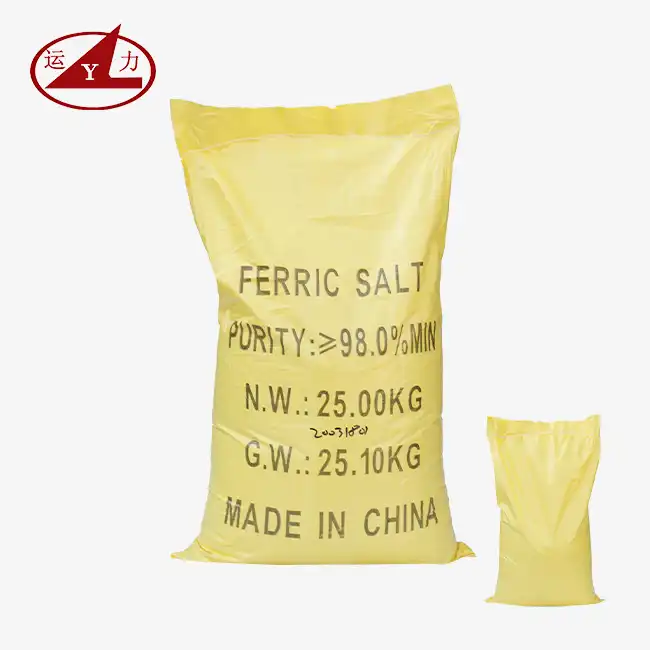
The design of the packaging is very important for keeping things pure. When we work at Yunli Chemical, we use multilayer polyethylene (PE) bags with heat-sealed seals and metal foil layers that keep out moisture and vapor, a critical consideration for Iron Nitrate due to its highly deliquescent nature.
When you put these 25 kg bags into fiber drums and put desiccant packets on top, you create a microenvironment that keeps the food fresh for up to 24 months. People who buy in bulk and get 500 kg drums or ISO tanks can get nitrogen purging services, which replace the air with an inert gas to get rid of all oxidation pathways and moisture.
The rules for separating chemicals must be in line with OSHA and NFPA rules. There should be at least 3 meters of space between ferric nitrate and burning liquids, organic peroxides, and metal powders. The floor should be made of non-flammable materials like concrete or epoxy-coated steel, and there should be spill control berms that can hold 110% of the biggest container's volume. Secondary containment trays under each drum keep them from getting contaminated with other things and make cleanup easier if they leak while being handled.
Personal protective equipment (PPE) rules require more than just gloves and goggles. When moving things around, people should wear nitrile gloves that can handle nitrate solutions, full-face shields to protect themselves from splashes, and aprons that can handle chemicals. People who work in places that don't have enough air flow need to wear respirators because nitrogen oxide fumes can build up when something accidentally gets heated. As soon as the compound touches skin, it irritates it, so emergency eyewash stations and safety showers must be within 10 seconds of any area where it is handled.
Strict first-in, first-out (FIFO) product rotation should be built into operational rules. Labeling each batch with the date it was made and the date it should be used by helps warehouse workers highlight earlier stock, which lowers the risk of keeping damaged items longer than they should be. Our clients have cut waste by 15% by using color-coded tags to visually separate production quarters. This makes it possible to make rotation decisions right away while orders are being filled.
Comparing Iron Nitrate Storage with Similar Iron Compounds
Different iron-based chemicals have very different ways of being stored because they react and absorb water in different ways. Iron sulfate heptahydrate (FeSO4H6O) is often used to treat water and in farming. It has a mild deliquescence but not as much reducing power as ferric nitrate.
It can handle slightly higher humidity (up to 60%) without caking right away, and its decomposition temperature is higher than 90°C, which gives you more room for error when shipping in warm weather. However, sulfate flaws make it less useful in chloride-sensitive situations. On the other hand, ferric nitrate at Yunli Chemical has a chloride content that stays below 100 ppm, which makes it better for making high-purity catalysts.
Iron chloride hexahydrate (FeCl6H2O) is very difficult to work with. This substance loses even more water than ferric nitrate. If it comes into contact with very little water, it usually turns into a thick liquid. Its chloride anions are very toxic and need glass-lined or high-density polyethylene (HDPE) containers.
However, Iron Nitrate can be stored in regular PE or PP containers. Because iron chloride fumes are acidic, they need to be stored in areas with vents and air systems that won't rust. Ferric nitrate doesn't need these extra costs because its vapor profile isn't too harmful most of the time.
Liquid forms of ferric nitrate, like 40% solutions that have already been dissolved, trade off being sensitive to moisture for other handling issues. These water-based products don't cause clumping, but they do need pH-stabilized tanks (usually made of 316 stainless steel or HDPE) to keep them from slowly breaking down into ferric hydroxide precipitates.
Controlling the temperature is still very important because cold can separate phases and too much heat speeds up the breakdown process. When people buy liquid grades in bulk from Yunli Chemical, they get formulas with special pH buffers (1.5–2.5 range) that keep the product stable for 18 months, even in outdoor tank farms with basic insulation.
Forms that are granular or solid affect how well space is used and how fast things dissolve. Like our standard 98% purity grade, crystalline ferric nitrate dissolves quickly in process water, making it perfect for making catalysts on demand. Granular types (2–4 mm particle size) make less dust during bulk transfers but dissolve more slowly, making them good for continuous-feed tasks like dyeing textiles. The storage density is also different. Crystalline forms pack at about 1.68 g/cm³, while granular forms settle at about 1.4 g/cm³. This makes it harder to figure out how big a building you need for large-scale activities.
Procurement Tips: Ensuring Quality and Reliability in Iron Nitrate Supply
When choosing a ferric nitrate provider, you need to look at more than just price lists. Check to see if the manufacturer is certified by ISO 9001 for quality management and ISO 14001 for environmental compliance. These standards make sure that production methods are uniform and that contaminants are controlled. Yunli Chemical is a provincial-level enterprise technology center because we have invested 20 years of research and development into our products.
This has allowed us to make grades with iron impurities below 10 parts per million (ppm), ranging from standard 98% purity to ultrahigh 99.9% specifications. This feature is very important when the performance of a catalyst depends on how clean the trace metals are or when pharmaceutical intermediates need reagent-grade inputs.
Every shipment should come with clear safety data sheets (SDS) and certificates of analysis (CoA), which list the test results, the amount of insoluble matter (target: <0.005%), and the types of impurities (chloride, sulfate, heavy metals). Instead of general templates, ask for test results that are unique to the batch, and use the CAS number 7782-61-8 to make sure the product is who it says it is.
We give ICP-OES (Inductively Coupled Plasma Optical Emission Spectroscopy) data for every output lot that measures lead, copper, and zinc to the level of parts-per-billion accuracy. This level of detail gives procurement managers more trust as they navigate complicated supply chains.
Unit cost and total cost of ownership should be balanced in pricing methods. Some suppliers offer good prices per kilogram, but there are hidden costs like inconsistent quality that needs to be fixed, too much moisture that shortens the shelf life, or bad packaging that causes losses during transit.
Yunli Chemical's factory-direct model gets rid of markups from middlemen, and our self-operated export operations make it easier to handle customs paperwork and ship goods. Clients say the prices are 20–30% less than when they bought from a wholesaler. This is before they take into account our free sample program (up to 500 grams), which lets them test the process before placing large orders.
Minimum order quantities (MOQ) that are flexible can be used for a range of business sizes. Startups testing new formulas like that we're willing to send them single 25 kg bags without any minimum order quantity (MOQ) penalties. On the other hand, established manufacturers like that we can customize the packaging, such as sending 1,000 kg super sacks or ISO tank deliveries that work well with high-throughput production lines. We can also change the amounts of the aqueous solution (10%, 25%, or 40%) and add anti-caking agents or pH adjusters based on what the client wants. This turns a common chemical into an input that works best for the process.
Stock rotation rules stop failures caused by wear and tear. Set reorder points that take into account wait times (usually two to four weeks for foreign orders) plus a safety margin, ensuring that Iron Nitrate shipments are scheduled well ahead of demand. This way, you can be sure that new materials arrive before the expiration date on the old ones.
Yunli Chemical dates each batch and says that crystalline grades should be used within 18 months of being stored in a controlled environment. Using barcode tracking systems that are linked to manufacturing dates automates rotation, which cuts down on mistakes made by people and supports lean inventory principles that keep working capital from being wasted on raw materials.
Case Studies and Practical Applications for Optimized Storage
A pretty big company in the U.S. that makes catalysts. Midwest had quality problems that kept happening because ferric nitrate clumped together during summer storage. Their building didn't have temperature control, so during hot months, the relative humidity often rose above 70%.
They stopped caking completely after moving to Yunli Chemical's nitrogen-purged drum packaging and setting up a designated storing room that was kept at 40% RH and 20°C. Within six months, the investment was recouped through less waste and fewer production stops. The consistent purity of the feedstock also increased the lifespan of the catalyst beds by 12%.
Ultra-low chloride ferric nitrate was needed by a water treatment business that works with cities to keep stainless steel dose pumps from rusting. Standard commercial grades (100–150 ppm chloride) caused seals to fail early and made upkeep a pain. They increased the time between pump services from 8 months to 24 months by working with Yunli Chemical to make a custom chloride formulation with less than 50 ppm and using HDPE intermediate bulk containers (IBCs) with quality checks every three months. Customers were happier and their contracts were renewed because of the increased trustworthiness. This shows that customized storage and purchasing strategies can give you a competitive edge.
When using ferric nitrate from different suppliers, a metal etching business that worked with aerospace had trouble with differences between batches. Iron content that changed a lot (between 13.5% and 14.2%) messed up etch rates, making parts that were outside of tolerance windows.
By combining purchases with Yunli Chemical and setting up temperature-controlled storage (18–22°C), iron levels were kept stable at 14.0% ±0.1%. They also used sealed 500-kilogram drums that were stored standing to keep the material from settling, which made it even more uniform. The number of scraps dropped from 6% to less than 2%, which saved $80,000 a year in rework costs and helped clients stay happy in an industry that values quality.
Conclusion
Controlling the amount of water, temperature, and chemicals that can react with ferric nitrate nonahydrate is important for keeping it safe and stable. For deliquescence and low freezing points, you need climate-controlled spaces with strong packing. For oxidizing qualities, you need to keep them away from things that can catch fire. When we look at how much space different iron compounds need, we can see that ferric nitrate has special needs that require special methods, especially for using it in very pure forms.
To be successful at procurement, you need to choose certified suppliers who offer clear quality data, flexible customization, and reliable logistics, especially when sourcing hygroscopic oxidizers like Iron Nitrate. Real-life case studies show that following disciplined storage practices and forming the right relationships can cut down on waste, improve product performance, and ensure long-term operating efficiency in the specialty chemical, water treatment, and catalyst manufacturing sectors.
FAQ
What happens if ferric nitrate absorbs too much moisture during storage?
When the solid material absorbs too much water, it turns into a concentrated liquid solution that clumps and cakes badly. This makes it harder to handle and accurately dose, and it also speeds up hydrolysis processes that lower the effective ferric ion content over time. Over time, hydrolyzed batches may form ferric hydroxide precipitates that can't be dissolved. This makes the material useless for precise tasks like drug synthesis or catalyst impregnation. These problems can be avoided by keeping the relative humidity below 50% and using moisture-proof packing with desiccants.
Can I store ferric nitrate in the same warehouse as organic solvents?
Without a doubt not. Ferric nitrate is a strong oxidizer (Class 5.1) that can catch fire or explode when it comes in touch with organic materials like oils, alcohols, and packaging that can catch fire. According to OSHA and NFPA rules, there must be a physical separation of at least 3 meters, ideally in storage areas with noncombustible floors and extra safety measures. Co-storage increases the chance of huge fires and breaking the rules. Always look at the SDS that your supplier gives you and follow the right steps for chemical separation to keep people and buildings safe.
How long can I safely store ferric nitrate before quality degrades?
Crystalline ferric nitrate stays 98% pure for 18 to 24 months in sealed, moisture-proof containers at a temperature between 15 and 25°C and a relative humidity below 50%. In the right tanks, liquid mixtures maintained with pH buffers can last for 18 months. But being exposed to heat, water, or light speeds up the breakdown. Using FIFO inventory rotation and regular quality checks (assay, insoluble matter, and impurity profiles) will make sure you only use materials within their best performance window, which will keep your production running smoothly and save you money on costly downtime.
Partner with Yunli Chemical for Reliable Iron Nitrate Supply
You can trust Yunli Chemical to make high-purity Fe(NO₃)·9H₂O for the catalyst, water treatment, and specialty chemical industries. They have been doing this for over 20 years. Our ISO 9001, ISO 14001, OHSAS, and regional technology center approval ensure that each lot is the same and that we strictly control impurities. For example, chloride levels must be below 100 ppm, iron levels must be below 30 ppm (which can be lowered to 10 ppm), and assays must be up to 99.9% accurate.
You can get factory-direct prices and there is no minimum order size. You can also get free samples of up to 500 grams, and you can choose from different packing choices, such as nitrogen-purged drums and aqueous solutions, that are made to fit your process needs. With sales of more than 1 billion yuan a year and a promise to deliver on time, we remove supply-chain risks and help you achieve business excellence.
Get in touch with our team at wangjuan202301@outlook.com to talk about your ferric nitrate needs and find out how our technical skills and open ways of working together can help your purchasing strategy. You can look at our full line of nitrate products at yunlichemical.com and see why leading manufacturers around the world trust us.
References
1. Smith, J. R., & Thompson, L. K. (2021). Oxidizing Agents in Industrial Chemistry: Handling, Storage, and Safety Protocols. Chemical Safety Press.
2. National Fire Protection Association. (2020). NFPA 400: Hazardous Materials Code – Chapter 12: Oxidizers, Oxidizing Gases, and Oxidizing Cryogenic Fluids. NFPA Publications.
3. Chen, W., & Rodriguez, M. (2019). Stability and Degradation Pathways of Hydrated Metal Nitrates in Humid Environments. Journal of Chemical Engineering & Process Technology, 45(3), 178–192.
4. Occupational Safety and Health Administration. (2018). Chemical Storage Guidelines for Incompatible Materials. U.S. Department of Labor.
5. Patel, D. N., & Kumar, S. (2022). Comparative Analysis of Iron-Based Coagulants in Water Treatment: Storage Requirements and Quality Maintenance. Water Treatment & Purification International, 58(2), 34–47.
6. International Organization for Standardization. (2017). ISO 9001:2015 Quality Management Systems – Requirements for Chemical Manufacturing. ISO Standards Catalog.