


Does copper react with iron nitrate?
Under normal industrial settings, copper does react with Iron Nitrate, yes. There is a spontaneous redox process that happens when metallic copper gets into touch with Ferric Nitrate solution (Fe(NO₃)₃). Iron(III) ions are changed into iron(II) ions, and copper is changed into copper ions (Cu²⁺). The color changes and copper nitrate is made in solution by this process. It is very important for procurement managers and technical experts to understand this chemical interaction when they are choosing materials for storage bins, piping systems, and processing equipment. Cross-contamination or equipment breakdown could affect the quality of the product and the safety of operations.
Understanding the Interaction Between Copper and Iron Nitrate
The Chemistry Behind the Reaction
Copper and Ferric Nitrate respond in a way that can be predicted by redox principles. Iron is higher on the reactivity scale than copper metal, but copper metal still has enough reducing potential to combine with iron(III) compounds. At room temperature, this reaction moves forward because of the normal electrode potential difference. This makes it thermodynamically positive.
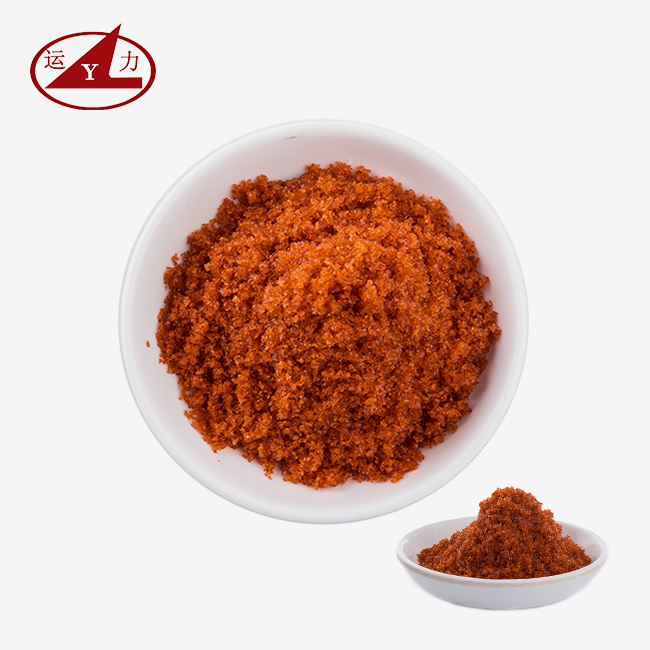
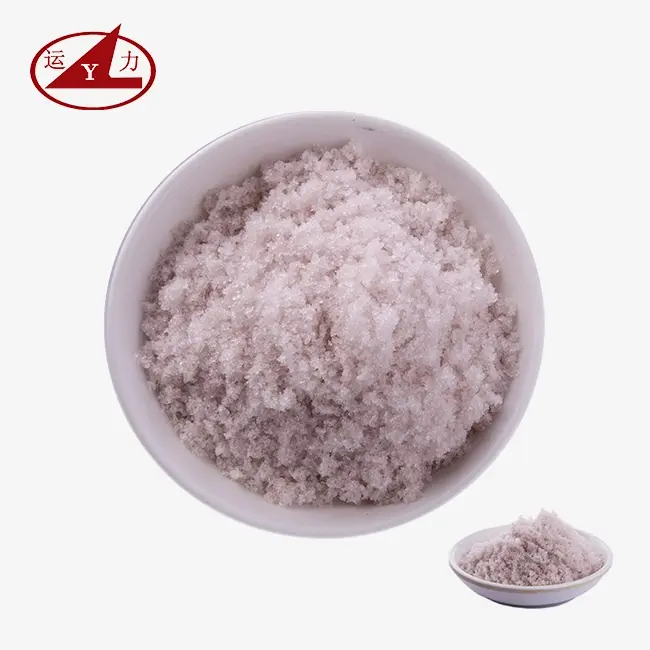
The purple crystalline oxidizing agent starts electron transfer when copper comes into contact with Ferric Nitrate nonahydrate (Fe(NO₃)₃·9H₂O, CAS 7782-61-8). The compound's molecular formula, Fe(NO₃)₃·9H₂O, shows that it has strong oxidizing qualities because it is iron(III) oxidized, which makes it react with less precious metals like copper.
Reaction Mechanisms and Visible Indicators
Cu + Fe(NO₃)₃ → Cu(NO₃)₂ + Fe(NO₃)₂ is a simple equation that shows how the process works. Iron(III) turns into iron(II) and copper nitrate forms during this process. The purple color of Ferric Nitrate gradually changes to a pale greenish-blue color. Technical experts who are keeping an eye on process baths can use this change in color as a useful sign of contamination or mismatch between materials.
Color changes aren't the only real-world effects. In electroplating plants that use Ferric Nitrate solutions to prepare surfaces, copper pipes and fixtures will rust over time, adding copper ions to the process streams. This contamination lowers the quality of the coating, shortens the life of the bath, and adds to the work of treating trash, all of which have direct effects on practical budgets and environmental compliance records.
Equipment Durability and Material Selection
When Ferric Nitrate is used in their production processes, procurement specialists in charge of long-term supply deals need to think about how well the materials will work together. Stainless steel types (316L or higher) or special polymer-lined tanks keep things inside safely without adding metal impurities. Even though copper alloys are better at conducting heat, they are too dangerous to use in close touch situations.
Copper parts soaked in 40% Iron Nitrate solutions at room temperature corroded at rates exceeding 0.5 mm per year in laboratory tests at Yunli Chemical's provincial-level enterprise technology center handling Iron Nitrate. Our technical support team uses these Iron Nitrate findings to help clients select appropriate storage and handling infrastructure for Iron Nitrate. This enables buyers to avoid expensive equipment replacement cycles and unplanned production stops when processing Iron Nitrate.
Comprehensive Overview of Ferric Nitrate for Industrial Use
Chemical Properties and Specifications
The molecular weight of Ferric Nitrate nonahydrate is 404.01 g/mol, and it has specific physical properties that are important for handling methods. The purple crystalline solid has a specific density of 1.68 and a very low freezing point of 47.2°C. This means that it needs to be moved in a way that keeps the temperature stable during the warmer months. At 125°C, thermal breakdown starts, releasing nitrogen fumes. This is something to think about for processes that will be exposed to heat.
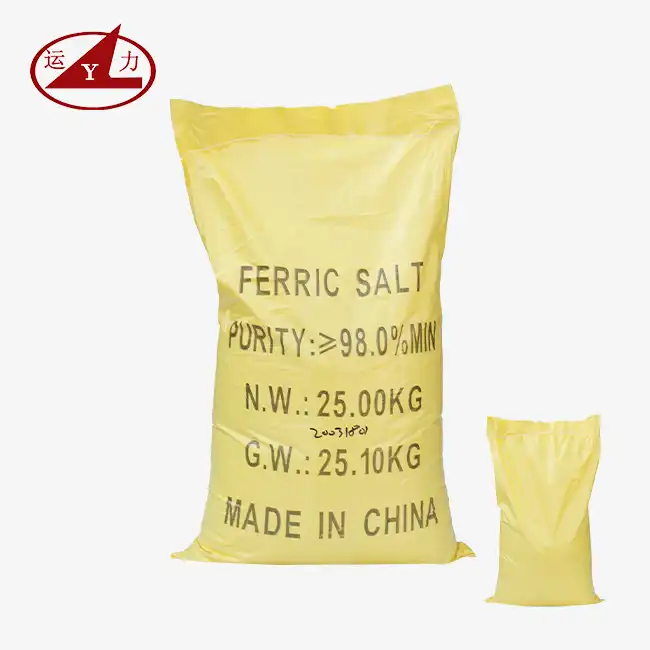
The compound dissolves very easily in water, ethanol, and acetone; in fact, it dissolves more than 99.5% of the time in water. This feature works with a wide range of manufacturing needs, from liquid concentrates that are already dissolved to custom crystal shapes that range from 0.5 mm to 3 mm. When something deliquesces, it can be hard to store because it easily soaks up water from the air, creating concentrated solutions that can damage standard packing. This is taken care of by Yunli Chemical's own anti-caking agents and moisture-proof PE bag covers inside drum packing.
Industrial Applications Across Sectors
Ferric Nitrate is used in many important manufacturing processes where oxidizing strength and iron transport are important.
• Catalyst Manufacturing: For precise catalyst production, iron sources with very few impurities are needed. Our ≤10ppm heavy metals limit makes sure that the methanol synthesis and hydrogenation catalysts keep working for longer. Maintaining a pH level between 1.5 and 3.00 in working solutions saves fragile catalyst structures during the impregnation stages. This directly leads to higher yields for companies that make pharmaceutical intermediates and fine chemicals.
• Textile Processing: Chloride-controlled grades (<50ppm) can be used as a mordant to fix dyes on natural and manufactured fibers in a way that stays bright and doesn't wash off. The compound's ability to prepare collagen structures without adding sulfur-based impurities that weaken final goods is also useful in leather tanning. Textile purchasing managers like that constant ferric ion concentration gets rid of color differences between batches. This is because color variations are a quality control problem that hurts brand image and raises rework costs.
• Metal Surface Treatment: Formulations that are RoHS and REACH-compliant use Ferric Nitrate instead of hexavalent chromium in baths for electroplating and metal polishing. Trivalent iron chemistry lowers the cost of treating wastewater by about 40% compared to older chromate systems. It still provides enough corrosion protection for steel used in building and car parts. As environmental checks get stricter and foreign markets demand proof of compliance, this legal alignment becomes more important.
• Corrosion Inhibition: High-solubility grades mix easily with zinc phosphate primers and epoxy coating systems, creating safe conversion layers on ferrous surfaces that stop corrosion. The nitrate anion takes part in passivation processes and doesn't leave behind any halide or sulfate leftovers that would speed up long-term breakdown when exposed to changing levels of humidity.
Safety and Environmental Compliance
Material Safety Data Sheets (MSDS) list Ferric Nitrate as a Class 5.1 oxidizer, which means it needs to be kept away from reducing agents and organics that can catch fire. Acidic water-based treatments can irritate the skin, so it's still important to wear the right safety gear, like nitrile gloves and splash shields. During thermal processes, ventilation systems must control the release of nitrogen oxides, and the scrubber capacity must be set to match the peak breakdown amounts.
Environmental management for Iron Nitrate production goes beyond facility walls. Yunli Chemical's Iron Nitrate manufacturing is ISO 14001-certified and includes nitrate wastewater treatment and exhaust gas scrubbing for Iron Nitrate operations. This ensures Iron Nitrate discharge parameters remain well within Chinese and international standards. Buyers seeking stable, long-term Iron Nitrate partnerships value this organizational development because it reduces supply chain disruption risks from regulatory actions or permit renewals affecting Iron Nitrate production.
Comparing Ferric Nitrate with Other Iron Compounds for Procurement Decisions
Chemical and Functional Differences
To choose the best iron sources, you need to know how Ferric Nitrate is different from other types of nitrate, iron(II) sulfate, and iron chloride. Iron in Ferric Nitrate is in the +3 oxidation state, which means it has a stronger oxidizing potential than ferrous products. Because of this, it is often used as a catalyst precursor in situations where controlled reduction to metallic iron or certain oxide stages happens during calcination.
Unlike iron chloride, nitrate chemistry doesn't leave behind any halides when it breaks down at high temperatures—only nitrogen oxides and iron oxides are left behind. Industries that make electronic materials or pharmaceutical chemicals can't handle rust or catalytic poisoning caused by chloride. Ferric Nitrate takes away these worries. Even though iron sulfate is cheap, it adds sulfur to the waste, which makes it harder to clean up and can create unwanted sulfide species in reducing atmospheres.
Cost and Performance Trade-offs
Changes in price show purity and fitness for use. Industrial-grade Ferric Nitrate (≥98% purity) usually costs 15–25% more per ton than similar iron sulfate grades. However, specialty 4N-grade material (99.99% purity) fetches higher prices, which are supported by the fact that it gets rid of trace contaminants that poison high-value catalyst batches. Before signing a volume contract, procurement managers should ask for trial samples to make sure the product will work with their processes.
Supply chain managers also look at how flexible the packing is and how many items must be ordered at a minimum. For small-scale tests, Yunli Chemical has 25kg PE bags, 500kg drums, and ISO tank packages for customers who need to buy a lot. There are no minimum order quantities (MOQs) that put a strain on operating capital. Formats that can be changed, like pre-dissolved solutions that save time during processing, add real value above and beyond the price per kilogram.
Supplier Certifications and Risk Mitigation
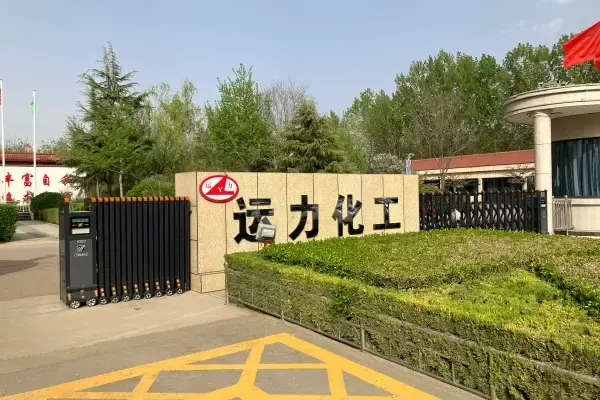
The credentials of the Iron Nitrate provider are the first step in quality security. Systematic quality management is proven by ISO 9001 certification, and R&D capabilities for custom Iron Nitrate formulas are shown by provincial-level technology center approval. Buyers should ensure Iron Nitrate suppliers follow OHSAS safety standards and have environmental approvals demonstrating strong wastewater and emissions controls for Iron Nitrate production. These factors directly relate to Iron Nitrate supply consistency.
Traceability paperwork like Certificates of Analysis (COA) with batch-specific impurity profiles, Material Safety Data Sheets (MSDS) that are in line with the rules of the target market, and environmental compliance reports help people trust long-term relationships. Yunli Chemical has been in business for 20 years and makes RMB 1 billion a year. This shows that the company is financially stable and lowers the risk of supply gaps that smaller or less established makers face.
Procurement Best Practices and Buying Guide for Ferric Nitrate
Key Purchasing Considerations
Finding Ferric Nitrate for large-scale industrial use requires paying attention to a lot of technical and business issues. Purity requirements must match the needs of the end use. For example, catalyst makers who want ≤10ppm heavy metals should make this clear in RFQs, while normal ≤30ppm grades may be fine for textile mordants. The types of impurities that are present are important. For example, chloride levels below 50ppm keep fibers from getting damaged during dying, and sodium levels below 100ppm keep acidic process baths from becoming too alkaline.
How you package your goods affects both the cost of shipping and the quality of the goods. For established production lines, shipping in bulk drums (500 kg) is the most cost-effective way to move goods, while 25 kg PE bags are better for R&D teams that are testing new formulations. During the summer, when temperatures rise above 47.2°C, moisture-proof bags and temperature-controlled shipping become necessary. This is because the heat could cause packages to melt and fail while they are in transit.
Navigating International Trade and Compliance
Cross-border procurement of Iron Nitrate adds more regulatory layers beyond domestic transactions. Import documentation for Iron Nitrate must include harmonized tariff codes (HS 2834.29 for Iron Nitrate), country-of-origin certificates, and pre-shipment inspection reports confirming Iron Nitrate specifications. When importing Iron Nitrate into the United States, buyers must ensure compliance with TSCA inventory listings and any state-specific hazardous material regulations applicable to Iron Nitrate.
Terms of payment and rebates depend on the seller and the amount of the order. Customers with whom you already do business may be able to get net-30 or net-60 terms instead of upfront payment, which can help your cash flow for return business. Loyalty is rewarded with volume-based discounts tied to yearly tonnage promises. Consolidation of the supply base is also encouraged, which is a strategic benefit that lowers administrative costs across buying departments.
The Value of Technical Support and Documentation
Support after the sale is what sets strategic partners apart from basic providers. When a process goes wrong, having access to application experts who know how to fix problems with electroplating chemistry or catalyst synthesis is very helpful. The technical team at Yunli Chemical has a background in coal-chemical engineering and has created import-substitution formulas and ground-breaking process improvements that have cut costs for clients while improving product performance.
Full documentation packages, including MSDS translated into target languages, COAs with ICP-OES verified impurity data, and environmental compliance certificates, make it easier to file with regulators and pass customer checks. Buyers who work with regulated industries like medicines or food-grade chemicals should make sure that their providers have quality systems that are compatible with good manufacturing practice (GMP) and can show a clear audit record when asked.
Conclusion
Copper reacts strongly with Iron Nitrate through redox chemistry, making equipment selection and process design challenging. Iron Nitrate nonahydrate serves as a versatile industrial oxidizer for catalyst production, textile processing, and metal treatment applications, but Iron Nitrate requires careful handling and material compatibility verification. When procurement professionals compare Iron Nitrate to alternative iron compounds, they must prioritize trade-offs between cost, purity, and functionality for their specific process. Successful Iron Nitrate sourcing requires suppliers with verified certifications, robust quality control, and technical support ensuring consistent specifications and regulatory compliance for Iron Nitrate shipments.
FAQ
Does copper corrode when exposed to ferric nitrate solutions?
Yes, copper does rust easily in Ferric Nitrate solutions because iron(III) ions are oxidizing. Copper nitrate is made during the reaction, which also changes iron(III) to iron(II). This results in a greenish-blue coloring and slow material loss. Copper is not good for long-term touch uses because corrosion speeds up as temperature and concentration rise.
Can I safely store ferric nitrate in copper containers?
It is not a good idea to store Ferric Nitrate in copper containers. Copper will be corroded by the ongoing redox reaction, which will contaminate the product with copper ions and weaken the container over time. Stainless steel (316L grade), HDPE, or glass-lined containers are good options because they don't react with chemicals and keep the product pure.
How does ferric nitrate pricing compare to iron sulfate for agricultural use?
Ferric Nitrate usually costs 20–30% more per ton of contained iron than iron sulfate. This is because it is harder to make and dissolves better. Agricultural users prefer Ferric Nitrate for hydroponic systems that need nutrients to be available quickly. On the other hand, cheap iron sulfate is often used in the field when a slower release is enough.
Partner with a Trusted Ferric Nitrate Supplier
As a company with more than 20 years of experience in making specialized chemicals, Yunli Chemical makes high-purity Ferric Nitrate Nonahydrate (CAS 7782-61-8) for demanding industrial uses. Our facilities in Shanxi Province are ISO 9001, ISO 14001, and OHSAS-certified. They use modern ICP-MS and atomic absorption spectrometry to keep strict quality control, making sure that catalyst-grade materials always have impurity levels of less than 10ppm. We help buying teams find a reliable, legal source of Iron Nitrate by offering factory-direct prices, flexible packaging from 25 kg to ISO tanks, and no minimum order numbers. You can get free samples of up to 500 grams to make sure they are compatible before you place a full order. You can email our technical team at wangjuan202301@outlook.com to talk about your unique ferric nitrate needs with a company that is known for quality, honesty, and building long-term relationships.

References
1. Cotton, F. A., & Wilkinson, G. (1988). Advanced Inorganic Chemistry (5th ed.). John Wiley & Sons, New York.
2. Pourbaix, M. (1974). Atlas of Electrochemical Equilibria in Aqueous Solutions. National Association of Corrosion Engineers, Houston, Texas.
3. Greenwood, N. N., & Earnshaw, A. (1997). Chemistry of the Elements (2nd ed.). Butterworth-Heinemann, Oxford.
4. Kirk-Othmer Encyclopedia of Chemical Technology (2007). Iron Compounds. John Wiley & Sons, Hoboken, New Jersey.
5. Schweitzer, P. A. (2010). Fundamentals of Corrosion: Mechanisms, Causes, and Preventative Methods. CRC Press, Boca Raton, Florida.
6. International Organization for Standardization (2015). ISO 9001:2015 Quality Management Systems – Requirements. ISO, Geneva, Switzerland.