


What is the use of copper nitrate trihydrate?
Copper Nitrate Trihydrate is a strong oxidizing agent and catalyst precursor that is used in many fields, from making catalysts to treating metal surfaces. This solid copper salt, which has the chemical formula Cu(NO₃)₂·3H2O and the CAS number 10031-43-3, works very well in situations where it needs to dissolve easily, break down slowly at high temperatures, and be very pure. Industrial users like it because it can be used to make copper oxide catalysts, patinas for metal surfaces, and vitamin fertilizers that dissolve in water. It's necessary for electroplating, organic synthesis, and making advanced materials because sulfates or chlorides would make the products less good. It breaks down easily at normal temperatures and dissolves completely in both water and ethanolic solutions.
Introduction
Chemical compounds that meet strict safety and environmental standards and consistently work well are needed in many modern businesses. Copper Nitrate Trihydrate has become an important substance in this context, with uses that range from old-fashioned ones in farming to cutting-edge ones in electronics and catalyst technology. This guide answers the practical questions of purchasing managers, technical experts, and chemical distributors who want to find reliable buying strategies and information that is specific to their needs.
Our goal is to give you clear information about this useful copper salt, from its basic qualities to the best ways to buy it. This guide helps you make smart choices that combine quality needs with working efficiency, whether you're looking at suppliers for making a lot of catalysts or comparing copper salts for specific surface treatments. We use years of experience in the field and checked technical data to make sure you can safely add this material to your supply chain.
Chemical and Physical Properties of Copper Nitrate Trihydrate
Molecular Structure and Basic Characteristics
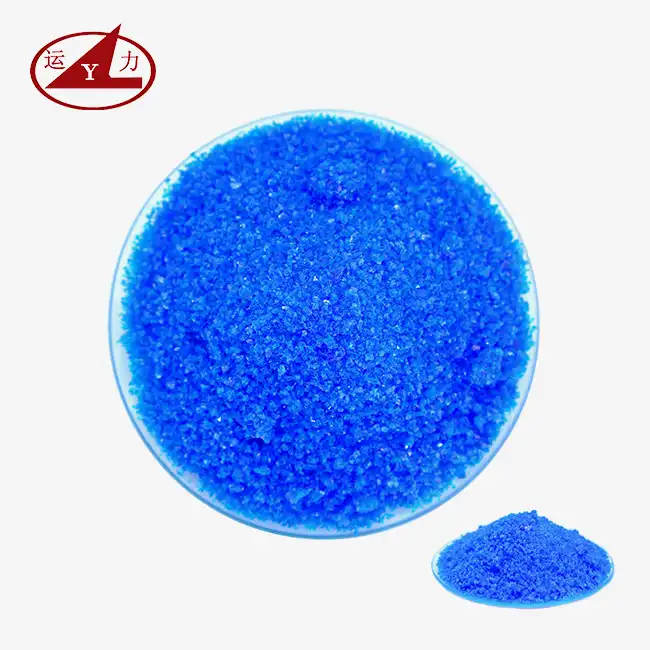
With a molecular weight of 241.6 g/mol, Copper Nitrate Trihydrate appears as dark blue columnar crystals. The trihydrate form is different from the anhydrous or hemipentahydrate forms because it has three water molecules per copper nitrate unit. This substance has a specific mass of 2.05 and melts at 114.5°C. It starts to break down at about 170°C. Because it is hygroscopic, it easily draws water from the air. This affects both how it should be stored and how it should be handled. Its solid structure makes it work reliably in situations where controlled breakdown or dissolving is needed.
Solubility and Reactivity Profile
The substance is very easily dissolved in water; at 0°C, it dissolves about 137.8 grams per 100 milliliters. As the temperature rises, it dissolves even more. It also dissolves easily in ethanol and ammonia, which gives formulators more options. Aqueous liquids act acidic when the pH level is around 4.0, which affects how well they mix with other materials in mixed formulas. As a strong oxidizing agent, it combines strongly with things that can catch fire when heated, rubbed together, or hit. Because of how reactive it is, it needs to be handled carefully while being shipped and stored, but it can also be used as a cleaner in controlled industrial processes.
Safety Considerations and Handling Requirements
Industrial users need to know that the substance is a Class 5.1 oxidizer according to UN 1477. When it burns or breaks down, nitrogen oxide fumes are released that are harmful to the lungs. Because chemical contact irritates the skin, the right personal protection equipment is needed, such as gloves that are resistant to chemicals, safety glasses, and protective clothes. Material Safety Data Sheets list how to handle substances safely, such as keeping them away from reducing agents, biological materials, and substances that don't mix. Proper ventilation systems and spill control methods keep workers and buildings safe from harm. Knowing these safety factors will help you follow OSHA rules and keep accidents at work to a minimum.
Laboratory and Industrial Applications of Copper Nitrate Trihydrate
Copper Nitrate Trihydrate is used in both laboratories and factories. The molecule is very useful because it has a unique mix of solubility, heat behavior, and oxidizing ability. There are many industrial applications in different fields, and each one uses different qualities to solve its own technical problems. The parts that follow talk about how this information is used by different types of businesses to reach their working goals.
Catalyst Manufacturing and Chemical Synthesis
One of the most difficult uses for Copper Nitrate Trihydrate is in the making of catalysts. Through controlled heat breakdown, it is used by manufacturers to make copper oxide catalysts. The trihydrate form is better than copper sulfate or chloride because it doesn't leave behind any sulfur or halide leftovers that could damage active catalyst sites. The chemical is very soluble, which lets it go deep into porous support materials like alumina or silica during impregnation processes. In this way, the copper species are spread out evenly throughout the catalyst structure, which makes the reaction work better and last longer. Premium types have very little iron, which is very important for petrochemical plants because iron impurities can make methanol catalysts and hydrogenation systems less stable.
Metal Surface Treatment and Electroplating
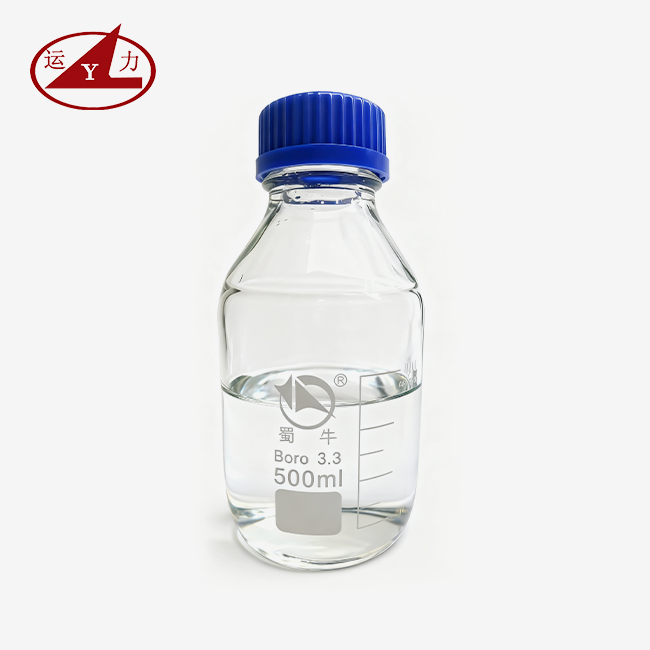
Copper Nitrate Trihydrate solutions are used in the metal finishing business for specific surface processes that need to be carefully controlled to avoid oxidation reactions. When applying an antique finish to copper and brass building elements, nitrate formulas give more consistent outcomes compared to acetate-based patination chemicals. The substance keeps the bath's conductivity while avoiding the staining and uneven coloration that come with chloride-containing alternatives, which is useful for electroplating. With liquid formulas, you don't have to do the time-consuming steps of dissolving that are usually needed in production settings. This cuts down on processing time and labor costs. For environmentally friendly plating, facilities that are trying to follow RoHS regulations can use nitrate-based systems that work with trivalent chromium replacements.
Agricultural Applications and Micronutrient Delivery
Agricultural experts know that copper is an important micronutrient for plant growth, especially in soils that don't have enough zinc. Copper Nitrate Trihydrate is added to NPK mixes by companies that make water-soluble fertilizer because it mixes easily and doesn't cause precipitation problems. Because the substance is completely soluble, it can be spread evenly through watering systems and sprays on the leaves. Heavy metal levels in premium agricultural grades stay below 10 parts per million (ppm), which meets the standards set by certification groups for organic farming. When compared to copper sulfate options that aren't as soluble, farmers who work with specialty crops like how reliable the nutrient release patterns are. The nitrate part also gives off nitrogen, so the molecule has two health benefits in one.
Advanced Materials and Electronics Manufacturing
The chemical is used in new materials science uses because it can be used to make nanomaterials and conductive coatings. Scientists make copper oxide nanoparticles by carefully letting nitrate solutions precipitate and then heating them up. This lets them get particle sizes that can't be achieved with other copper salts. High-purity grades with less than 0.002% iron and little potassium contamination are valuable to the electronics business. These rules keep photosensitive resistance materials and luminous powder formulas from interfering with each other. For making bismuth nitrate and other intermediate compounds, pharmaceutical companies use API-grade material with a moisture content below 0.07%. This is because water content in these compounds could mess up the process stoichiometry.
Procurement and Sourcing: What Purchasing Managers Should Know?
Evaluating Supplier Credentials and Product Quality
When choosing a Copper Nitrate Trihydrate manufacturer, it's important to look closely at their professional skills and quality control methods. Leading providers keep both ISO 9001 and ISO 14001 environmental management certifications, which shows that they are committed to consistent production standards. Buyers should ask for Certificates of Analysis that show the results of ICP-MS tests for important elements like iron, potassium, and salt. Companies that are designated as regional or national technology centers often have better research and development facilities that allow for customizing levels of purity, particle sizes, and solution ratios. Make sure that any possible sellers can give you all the paperwork you need to make sure they are following the rules. This should include MSDS sheets, transportation classes, and environmental permits. Established makers with yearly sales of more than $100 million usually have a better track record of keeping supplies going when the market is down.
Understanding Pricing Structures and Minimum Order Quantities
Industrial-grade material costs between $2,000 and $3,500 per metric ton on the market, based on the quality requirements and the size of the order. Products made for ACS reagents are usually priced 40 to 60 percent more than normal industrial grades. Different providers have very different minimum order numbers. Some need full container loads, while others are okay with partial shipments for testing purposes. Smart procurement teams get bulk savings by signing yearly deals to buy things that keep supplies stable and lower unit costs. Custom formulas, like aqueous liquids that are already dissolved or specific particle size distributions, may have development fees, but they can save money on handling costs later on. Instead of just looking at prices per kilogram, compare the total landing costs that include freight, taxes, and handling.
Certification Requirements and Documentation
Professional suppliers are different from commodity traders because they have full paperwork sets. Certificates of Analysis that are specific to a batch and prove its chemical makeup, purity percentages, and physical qualities are important papers. The safety data sheets you use must be in line with current GHS guidelines and list all the types of hazards that apply to your area. Environmental compliance badges show that the ways a product is made follow the rules for how much garbage and air pollution can be released. Suppliers should provide GMO-free certificates and claims of suitability for planned use for uses in the food or pharmaceutical businesses. Ask for examples from current customers in related fields, and make sure the manufacturer can keep specs the same across multiple production batches.
Comparing Copper Nitrate Trihydrate with Alternative Copper Salts
Performance Differences Versus Copper Sulfate
Copper sulfate pentahydrate is still the most common copper salt used in farming and some industry settings, but Copper Nitrate Trihydrate has its own benefits in some situations. The sulfate form costs about 30 to 40 percent less per unit of copper, but it adds sulfur to processes where it could be harmful. Manufacturers of catalysts stay away from sulfates because they contain sulfur molecules that are harmful to platinum group metals and make hydrogenation processes less efficient. Nitrate solutions keep their lower viscosity at the same copper ratios, which makes the spray application more even and the flow rates better. Nitrates break down neatly into copper oxide when heated, and they don't release sulfur dioxide that needs to be cleaned up. When sulfur content could affect chemistry further down the line or environmental permits, the higher price of the nitrate option is worth it.
Advantages Over Copper Chloride
Copper chloride gets a lot of attention because it is cheaper, but it has big problems in uses that need to avoid rust. Chloride ions attack stainless steel tools with a lot of force and make small pits appear on metal surfaces when finishing. The nitrate form keeps tools in good shape and makes surface processes more even. Chloride pollution can cause unwanted side effects in organic synthesis, but nitrates are more choosy in the reactions they take part in. Treatment of waste also favors nitrates because chloride-containing waste needs extra processing to keep the environment safe. Industries with strict rust management rules always choose nitrate formulas, even though they cost more to buy, because they lower upkeep costs and make equipment last longer.
Distinguishing Between Hydration States
Copper Nitrate Trihydrate that is not hydrated or in a trihydrate form is easier to work with than copper nitrate that is not hydrated. Anhydrous material is very hygroscopic and doesn't work well in damp places, which can be dangerous at work and make keeping difficult. The fixed water content of the trihydrate gives formulators a way to predict the copper content of finished goods. There are different kinds of hemipentahydrate, but they are not all the same across sources, so there is variation from batch to batch. Thermogravimetric research confirms the exact amount of water in quality-controlled trihydrate goods, which lets you plan the reaction correctly. Specifications for purchases should clearly state the trihydrate form so that different hydration states aren't sent, which could make the process less repeatable.
Best Practices for Handling, Storage, and Safety
Storage Conditions and Container Selection
To keep the purity of the product, environmental controls and packing materials need to be carefully chosen. Copper Nitrate Trihydrate should be kept in HDPE drums or containers with tight lids that keep moisture out. To keep caking and decline to a minimum, temperatures in the warehouse should stay below 25°C and the relative humidity should be below 60%. Use chemical compatibility guides to separate oxidizers from flammable materials, organic substances, and reducing agents. Use FIFO inventory movement to get rid of old stock before it loses quality from being stored for too long. In order to keep chemistry specs, high-purity grades usually don't have any anti-caking agents. This makes proper sealing even more important. Regular checks should be done to make sure the container is still solid and look for signs of water absorption or physical damage.
Personal Protective Equipment and Exposure Controls
Chemical-resistant gloves rated for nitrate compounds, safety masks with side shields, and protective hoods or lab coats are needed for people who work with this stuff. Protection for your lungs is needed when working with powders or cleaning up after a spill. Particulate screens approved by NIOSH are good for most tasks. Set up places just for handling things that have local exit ventilation to catch dust and keep the air from getting contaminated. Within 10 seconds of working areas, emergency eyewash stations and safety showers must be easy to get to. Training programs should stress that the chemical oxidizes things and doesn't work with things that can catch fire. Written standard operating procedures cut down on exposure events and make sure that safety methods are always followed, even when staff changes or shifts happen.
Transportation Compliance and Waste Management
Copper Nitrate Trihydrate is a dangerous item that must be shipped according to the rules for UN 1477, Oxidizing Substances. Labeling correctly with Class 5.1 signs and paperwork makes sure that transport is legal and lets rescue workers know about possible dangers. Pick movers who have experience moving oxidizers and who keep up with training and the right tools. Federal and state toxic waste rules must be followed when getting rid of trash. Usually, reduction and precipitation processes are used to change copper into forms that are less mobile. When soldering or preparing catalysts, used solutions may need to be treated at approved facilities away from the site. Keeping records of what you throw away shows that you care about the earth and helps with sustainability reporting efforts. Work with waste management companies that can give you proof that the trash was thrown away properly for your records.
Conclusion
Copper Nitrate Trihydrate is very useful for making catalysts, finishing metals, making farming formulas, and making new materials. Different copper salts can't fix some problems because they don't have the right mix of solubility, thermal qualities, and oxidizing ability. To do good procurement, you need to check the identities of suppliers, know what quality standards are, and follow the right handling procedures that protect workers and the purity of the products you're buying. When looking for this important industrial chemical, it's best to buy from companies that have strong quality systems, lots of documentation, and expert help that goes beyond just delivering the product. Strategic relationships with dependable sources lower business risks and let you come up with new ways to make things.
FAQ
How does copper nitrate trihydrate differ from copper sulfate in fertilizer applications?
As a fully water-soluble form, Copper Nitrate Trihydrate gives plants both copper and nitrogen. This makes it perfect for fertigation systems and hydroponic growth. Copper sulfate doesn't dissolve as easily as nitrate, and sulfur shouldn't be added to grounds where it could mess up pH control. Agricultural businesses that want to give high-quality micronutrients prefer nitrate formulations, even though they are more expensive, because they work well with current watering technology and require less work to apply.
What storage precautions prevent caking and quality degradation?
Keep containers in temperature-controlled spaces below 25°C with humidity below 60%, and make sure the airtight locks keep damp out. Because the substance is hygroscopic, it clumps together when it comes in contact with humidity in the air. This makes it hard to handle and dose correctly. Using materials within the suggested storage times and following the right sealing methods keeps them in a free-flowing state that is necessary for automatic handling systems.
Can I obtain small sample quantities before committing to bulk orders?
Reputable makers know that technical review needs samples that are representative of the whole. Many well-known suppliers offer free samples of up to 500 grams, which lets your lab check to see if it works with current processes and make sure the analytical specs meet your needs. This method lowers the risk of buying and builds trust before bigger purchases are made.
Partner with Yunli Chemical for Reliable Copper Nitrate Trihydrate Supply
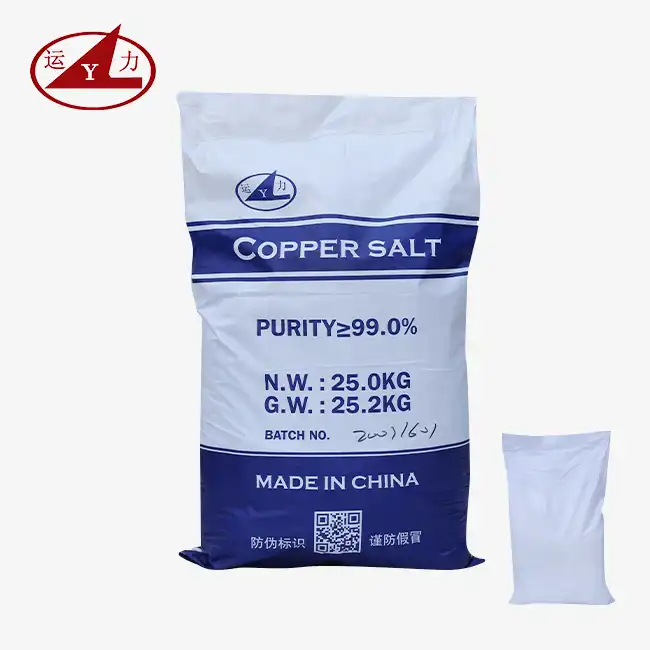
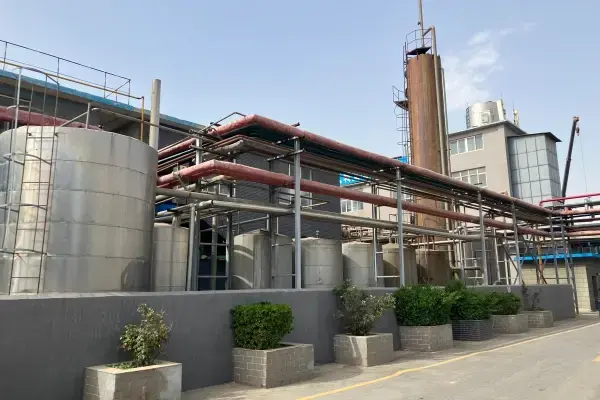
You can rely on Yunli Chemical's more than 20 years of experience making nitrate compounds to meet your business needs. Our Copper Nitrate Trihydrate stays as pure as required, ranging from normal industrial grade to 99.99% ultra-pure. It comes with full batch paperwork, such as ICP-MS analysis reports. We are a manufacturer that is approved by ISO 9001, ISO 14001, and OHSAS, and our provincial technology center is recognized. This means that we can give procurement managers the quality guarantee and expert help they need.
Our direct factory supply cuts out middlemen and guarantees consistent specs, whether you need standard crystalline material, custom particle size ranges, or liquid solutions that are already dissolved. We offer a variety of packing choices, don't have a minimum order size, and provide free samples to help you make your decision. Email our technical team at wangjuan202301@outlook.com to talk about your unique application needs and get full product specs. Streamline your supply chain by working with a reliable Copper Nitrate Trihydrate provider that will help your manufacturing business succeed by providing on-time delivery, low prices, and helpful customer service.

References
1. Greenwood, N.N. and Earnshaw, A., "Chemistry of the Elements," Butterworth-Heinemann, 2nd Edition, discussing copper nitrate properties and industrial applications.
2. Perry, R.H. and Green, D.W., "Perry's Chemical Engineers' Handbook," McGraw-Hill, 8th Edition, covering handling and storage requirements for oxidizing compounds.
3. American Chemical Society, "Reagent Chemicals: Specifications and Procedures," ACS Publications, establishing purity standards for laboratory-grade copper nitrate trihydrate.
4. Patnaik, P., "Handbook of Inorganic Chemicals," McGraw-Hill Professional, detailing physical properties, safety data, and commercial applications of copper compounds.
5. Kirk-Othmer, "Encyclopedia of Chemical Technology," John Wiley & Sons, 5th Edition, examining copper nitrate uses in catalysis and surface treatment industries.
6. United Nations, "Recommendations on the Transport of Dangerous Goods: Model Regulations," addressing proper classification and shipping requirements for oxidizing substances including copper nitrate