


Does copper react with zinc nitrate
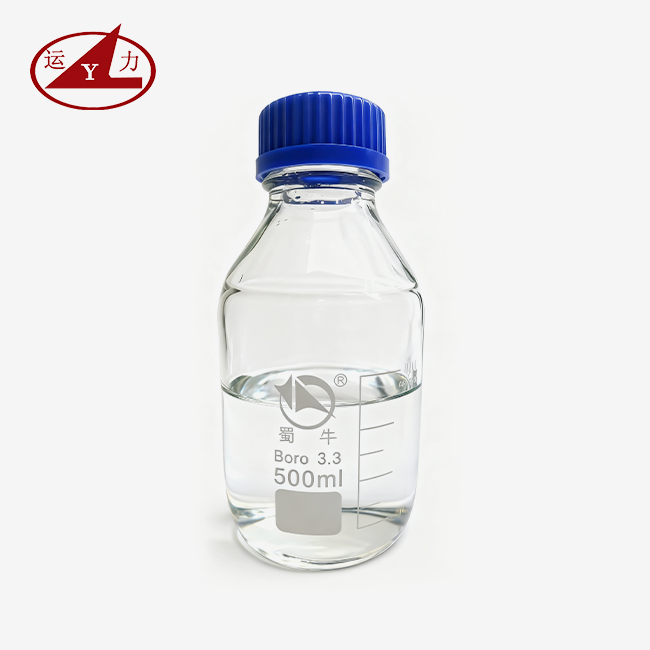
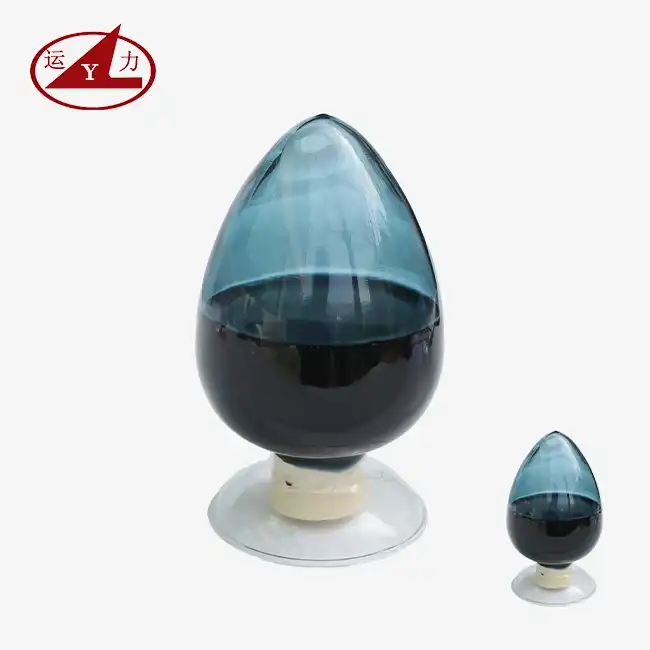
Zinc Nitrate hexahydrate (Zn(NO₃)₂·6H₂)·6H₂O, CAS# 10196-18-6) doesn't react much with copper metal. As a metal, copper is not reactive because it is not as reactive as zinc. This means that copper can't take zinc ions out of liquid Zinc Nitrate solutions under normal business conditions. This is important for purchasing managers and technical engineers to know because they work with these materials in places like electroplating, surface treatment, and catalyst preparation. In these areas, corrosion of equipment and breakdown of materials directly affect how well the products are made and how well they work.
Introduction
Zinc Nitrate and copper are both very important in many fields today. Much of the equipment used in electricity, heat exchange, and coating is made of copper alloys and parts. Zinc Nitrate hexahydrate, on the other hand, is a key ingredient in many foods, medicines, and metal treatments. In companies that make batteries, electroplating, and fine chemicals, people who work in buying often have to deal with these chemicals being in the same production lines, storage areas, or waste treatment systems.
If metals and oxidising salts come together, you should be worried about rust, process contamination, and the long-term durability of the equipment. When people have the wrong idea about what might happen, it can lead to unnecessary costs for replacing things or safety rules that are too strict and make operations less flexible. This guide helps supply chain managers and quality control engineers find good sources of copper and Zinc Nitrate by using evidence-based analysis to explain the science behind it. You'll know how to look at supplier specifications, make sure materials work with each other, and use cost-effective ways to get materials that don't risk safety or compliance.
Understanding the Basics of Zinc Nitrate
Chemical Composition and Physical Characteristics
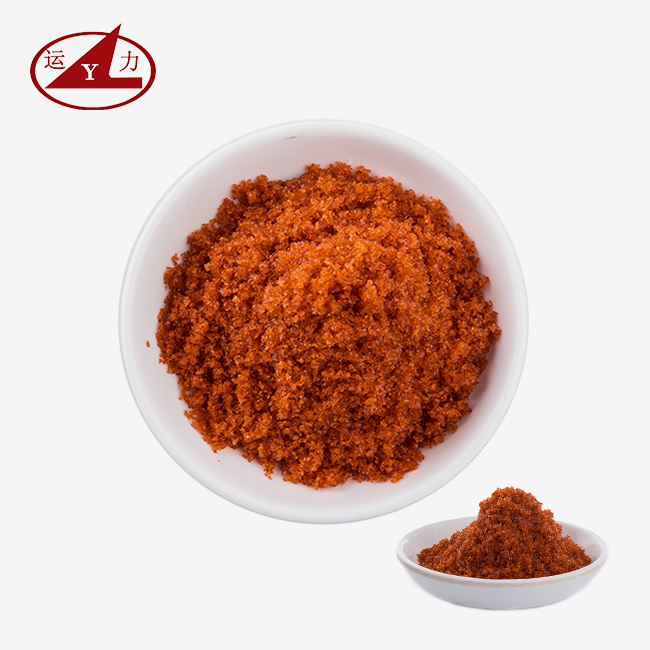
These crystals of Zinc Nitrate hexahydrate have a molecular formula of Zn(NO₃)₂·6H₂O and a molecular weight of 297.47 g/mol. They are white and have six sides. The compound is very hygroscopic, which means it easily takes in water from the air. This is important for keeping the product's integrity when storing it in airtight containers. At 36.4°C, the substance changes phases, losing the water that makes crystals and changing into Zinc Nitrate that doesn't have any water in it. This trait changes how it is used when it's hot outside or when the factory is warm. The substance is 2.065 g/cm³ dense and dissolves fully in both water and alcohol. The pH of these solutions is usually between 3.5 and 4.5, which means they are acidic.
People need to be careful when they store or move Zinc Nitrate because it oxidises. As a Class 5.1 oxidiser (UN 1514), it makes fires stronger when it comes in contact with things that are already on fire. It needs to be kept away from organic materials and reducing agents because of this. These things have a direct effect on how the building is set up, the package type picked, and the shipping papers' accuracy.
Industrial Applications Across Manufacturing Sectors
In industrial chemistry, Zinc Nitrate hexahydrate is crucial for a variety of reasons. Phosphating agents are made from this chemical. These are used to coat steel and iron parts in the construction and auto industries so that they don't rust. Zinc Nitrate is used in galvanising baths at electroplating plants. How well the layer sticks and how strong it is depend on how many zinc ions are present. As a dye mordant, zinc ions and organic dyes work together to make it easier for colours to stick. This is why the textile and leather industries use it.
Zinc Nitrate is used by pharmaceutical firms to make intermediates by treating them with acid. It is also needed as a gelling agent in emulsion polymerisation methods. To correct zinc deficiency in high-value crops like oranges, rice, and soybeans, Zinc Nitrate solutions for foliar sprays and hydroponic systems are being used more and more in agriculture. Since the material is fully soluble, it doesn't have to be filtered like zinc oxide or zinc carbonate, which are less soluble. Making catalysts is another area that is growing. In processes like hydrogenation and methanol synthesis, the quality of trace metals (iron level ≤30 ppm) affects how well the catalyst works and how long it lasts.
Safety Protocols and Handling Requirements
Zinc Nitrate is a thin material that gets sticky and cakey when it comes in contact with more than 60% humidity. This means that managers of warehouses have to be very careful about keeping moisture under control. It's also important to keep an eye on the temperature. Places where things are stored should stay below 30°C so that they don't dry out too quickly or break down in an exothermic way. You need to wear nitrile gloves, safety glasses, and a dust mask when working with crystalline forms. When moving liquid solutions, you need to wear masks and face shields that can handle acid.
If concentrated treatments get on your skin by accident, you should be able to flush the area with water right away and for 15 minutes. Because the treatments are acidic, they can burn the skin with chemicals. The fire department needs to learn more about how this material breaks down. Foam or carbon dioxide extinguishers shouldn't come into direct contact with large amounts because the gases may change quickly. Water-based extinguishers still work. Suppliers' Material Safety Data Sheets (MSDS) and Certificates of Analysis (COA) must make it clear which heavy metals are present. The amount of arsenic should not be more than 3 ppm and the amount of lead should not be more than 50 ppm for pharmaceutical-grade uses. This is to make sure that the EU and FDA rules are obeyed.
Exploring the Reaction Between Copper and Zinc Nitrate
Metal Reactivity Series and Displacement Principles
Take a look at the reactivity series of metals to get an idea of whether displacement reactions happen between metals and metal salt liquids. This list sorts metals by how often they lose electrons and make positive ions, based on facts from real life. Magnesium and aluminium, which change very quickly, are at the top. Gold and platinum, which are very expensive, are at the bottom. Zinc is above copper in this list. This means that zinc atoms oxidise more easily than copper atoms do in normal electrochemical conditions.
A more reactive metal comes into touch with a less reactive metal's salt solution. The more reactive metal moves the less reactive metal out of the complex by moving its electrons to it. If you want displacement to happen in thermodynamics, the free energy change has to be negative. The most important thing to know is that metals higher on the reactivity scale can take metals lower on the scale out of bonds. Because zinc is more important than copper, zinc metal can take copper out of copper sulphate or copper nitrate acids. This process is shown a lot in science classes. On the other hand, the opposite happens, which goes against this idea.
Why Copper Does Not React with Zinc Nitrate Solutions
Copper metal can't change zinc ions into metallic zinc because its standard reduction potential is higher than zinc's, which is -0.76 V. Thermodynamics says that the process would need energy to happen instead of giving off energy on its own. Tests done in factories show that this is true: copper tubes, copper heat exchanger parts, and alloys made of copper often move or touch Zinc Nitrate solutions without any rusting or zinc buildup being seen.
To test things in the lab, clean copper strips are put into strong Zinc Nitrate solutions and left there for weeks or months, both at room temperature and up to 60°C. The amount of copper ions in the solution doesn't change, and zinc metal doesn't stick to the copper surface, as shown by atomic absorption spectroscopy. When zinc metal comes in touch with copper nitrate liquids, things change in a very different way. Copper plating and solution discolouration can be seen in just a few minutes.
Practical Implications for Manufacturing Environments
This chemical stability is very useful for processes. In Zinc Nitrate electrolyte baths, electroplating plants can use copper busbars and electrical lines without having to worry about leaks or equipment wearing out faster. Processors for drugs that have copper-lined heat transfer surfaces can work with Zinc Nitrate intermediates without adding copper ions that aren't needed for the process. Storage tank builders don't have to worry about galvanic rusting when they use copper alloy parts like brass valves in Zinc Nitrate transfer systems, as long as the pH is kept in check and no galvanic cells with different metals form.
Care should still be taken when working with copper metals that have zinc in them, like brass or bronze. As Zinc Nitrate is acidic, it doesn't combine with pure copper. However, alloys can selectively release in these solutions, where zinc parts dissolve more quickly than other parts. Over time, this makes the system less strong. It is important to think about the exact alloy make-up and solution concentration when picking a material. It is possible for copper to work with high-concentration or high-temperature materials, but stainless steel (316L grade) or titanium are generally better value for money.
Comparing Zinc Nitrate with Related Zinc Compounds
Chemical and Physical Property Distinctions
There are some chemistry similarities between zinc sulphate heptahydrate (ZnSO₄·7H₂O) and Zinc Nitrate, but they don't dissolve or heat-stable in the same way. Zinc sulphate can only be used in high-concentration liquid forms because of its lower solubility (about 54 g/100 mL at 20°C compared to 184 g/100 mL for Zinc Nitrate). The sulphate counterion adds sulphur that isn't needed in catalytic processes because the molecules of sulphur are poisonous. This is the reason Zinc Nitrate is better for making base materials for catalysts. Zinc Nitrate gives nitrogen in addition to zinc in crops, while sulphate forms provide both zinc and sulphur nutrition. Based on how poor the soil is, this difference changes how fertiliser blends are made.
Even more water-attractive than Zinc Nitrate is zinc chloride (ZnCl₂). When it is concentrated, it makes solutions that are very acidic (pH 2), which makes it harder to work with and makes people worry that it will rust common building materials. Zinc Nitrate works better with more materials than zinc chloride, which can't be used to process metals as much because the chloride ion is bad for stainless steels. While zinc oxide (ZnO) does not dissolve well in neutral water, it does dissolve well in acidic water. Zinc oxide works well in rubber vulcanisation and ceramic glazes because it doesn't dissolve easily, but Zinc Nitrate performs better in liquid fertiliser systems or electrolyte uses that require quick dissolution.
Application Suitability and Procurement Considerations
The people who work in surface treatment have to think about what the process needs when they choose between these materials. Zinc Nitrate wears away metals, which makes it better for phosphating baths that need to control metal rust to make coats. Most of the time, zinc chloride is used as a flux in galvanising and soldering because it cleans well. When farmers compare the prices of different kinds of zinc, zinc sulphate is usually the least expensive way to improve the soil. Zinc Nitrate costs more when put on plant leaves, though, because it speeds up the plant's uptake through stomatal routes.
Another important part of the buying process is the purity specifications. With iron levels below 30 ppm and lead levels below 50 ppm, Zinc Nitrate used in industry is typically 98% pure. This is enough for most ways to treat metals and make fertiliser. Higher grades, which are at least 99% pure and have arsenic amounts below 3 ppm, are used to make additives in medicine and catalysts for electronics. Different amounts of purity exist for zinc sulphate and zinc chloride. However, it is usually easier to get to the purest level of purity with nitrate salts because they can recrystallise more readily. This could save money for uses that need to keep impurities under tight control.
Pricing Trends and Supply Chain Dynamics
Zinc alloys' prices on the market change based on how much zinc metal costs and how much material is available. Because zinc oxide or zinc metal is mixed with nitric acid to make Zinc Nitrate, the cost and supply of nitric acid are important. When ammonium nitrate fertiliser production competes for nitric acid supplies during farming's busiest times, global factors that affect ammonia production (the precursor to nitric acid) can occasionally affect Zinc Nitrate availability. These changes in sources should be taken into account by sellers when they talk about long-term supply contracts.
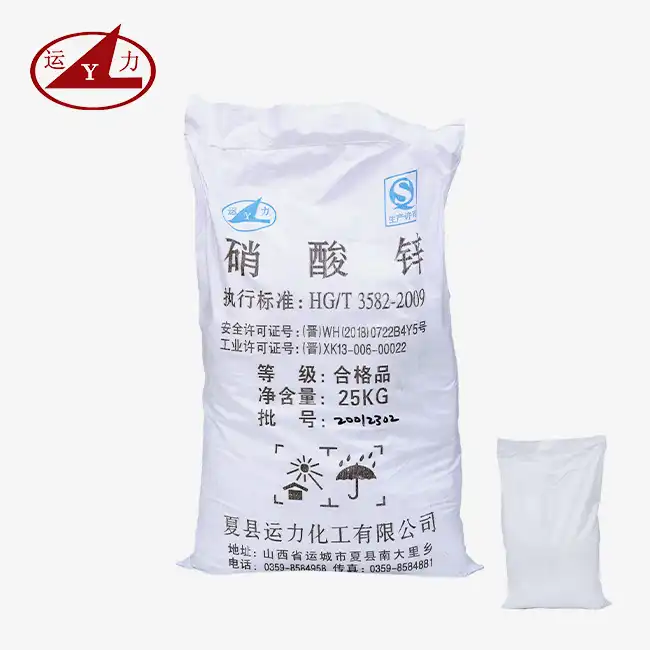
Changing how things are packed also changes how much it costs to land. Multiwall paper bags that weigh 25 kg and have plastic covers work well for small to medium-sized batch operations. IBC totes (1000 L size) and bulk truck delivery are cheaper per kilogram for people who use them a lot, but they need the right places to dump and store their waste. If you use liquid Zinc Nitrate solutions that are 40–50% w/w, you don't have to do any dissolution steps in continuous processes. This could make up for the higher price per zinc unit by saving time and work. The total cost of ownership, not just the price per kilogram, is what you need to look at to weigh these trade-offs. This is an approach that more and more sophisticated procurement teams are taking.
Procurement Guide for Zinc Nitrate and Associated Chemicals
Identifying Reputable Suppliers and Evaluating Quality Standards
You should do more than just check prices when you need Zinc Nitrate hexahydrate for big projects. You need to look into each seller very well. A well-known company should have ISO 9001 certification for quality management systems, ISO 14001 certification for environmental management, and OHSAS 18001 or ISO 45001 certification for health and safety at work. This proof shows that controls for production are standardised, which means that there isn't much difference between batches. This is very important for processes that are affected by changes in the levels of impurities or the amount of water present. Any company that is called a regional or national technology center will likely have advanced labs that can give you more information than just a Certificate of Analysis.
Providers you can trust will usually give you up to 500 grams of sample batches for free. Test them yourself to make sure they are right. In addition to the pH of standard solutions, it is important to use ICP-OES to find out how much zinc is in the sample, how much water is solid, and to screen for heavy metals like lead, cadmium, and arsenic. If there are discrepancies between a seller's COA data and the outcomes of separate tests, the seller should be disqualified or given more time to prove their claims. Don't just trust company data if you need very little iron (for example, to make catalysts) or arsenic amounts that are safe for medicinal use. Instead, get test reports from approved third-party labs that are specific to each batch.
The supplier's history of making things and their financial health are very important. Companies that have been around for 15 to 20 years and make more than $150 million a year show that they are stable enough to handle changes in the prices of raw materials and have enough cash on hand to keep a lot of inventory on hand in case there are problems in the supply chain. There are markups when you buy through middlemen, but not when you deal directly with manufacturers. You can also get a better idea of production plans and inventory levels than when you work with companies that buy from more than one producer.
Documentation, Compliance, and Sample Testing Protocols
There should be a lot of papers with every shipment. As well as basic COAs, you should also ask for Material Safety Data Sheets that follow the Globally Harmonised System (GHS) rules. This is very important when taking something into the US or EU, because OSHA and REACH rules say that certain structures and details must be given. Before the goods can be exported, they need to have the right UN hazard rating (UN 1514, Oxidiser 5.1), the right shipping names, and emergency response information that fits the material's risk profile.
Quality disputes can be avoided by making sure that samples are tested before big contracts are signed. Usually, 1 to 5 kg of samples are sent in and then cut up into pieces for immediate testing, accelerated ageing studies (in which samples are kept at high temperatures and humidity to mimic storage conditions), and retention samples that will be used later. It's important that the test conditions match those in the real process. For instance, putting samples in process water instead of deionised water might show issues with how well they work with the water chemistry in the area. When samples are heated to process temperatures, they can break down or precipitate in strange ways.
Ask for proof that the provider can handle trash and follow environmental rules if you work in a regulated industry. For nitrate wastewater treatment, special methods are needed to make sure that rules about environmental release are not broken. Because of changes in government that could affect your supply chain, it is less likely that production will have to stop if your suppliers have good environmental infrastructure.
Logistics Considerations and Storage Management
Zinc Nitrate is an oxidiser, so it needs to be transported according to the rules set by the International Maritime Dangerous Goods (IMDG) codes for ocean freight and the US Department of Transportation (DOT). Make sure the sellers give you the right signs, labels, and records so that customs doesn't hold up or reject your goods at the port of entry. You should think about these prices when you compare wholesalers from around the world. For instance, hazmat costs are generally higher for air freight and there are stricter rules about how to package it than for ocean or road freight.
When building a storage area, the material's ability to absorb water and react with oxygen must be taken into account. The humidity level must be less than 50% and the temperature must be between 15°C and 25°C in warehouses with climate control. So, things don't get hard and break down. As per the rules of the National Fire Protection Association (NFPA), reducing agents, organic substances, and flammable materials should be kept at least a certain distance from each other. FIFO (first-in, first-out) rules for moving inventory and regularly checking packages for damage help keep product quality high while they are being stored.
Buyers should talk about these things when they set clear shipping rules. The cost, insurance, and goods (CIF) terms shift the risk to the port of destination, while the buyer is in charge of all logistics with EXW terms. Finding out who is at fault in transportation crashes changes the total risk and the amount of insurance that is needed. Having back-up sellers in different parts of the world keeps the supply chain safe in case something goes wrong in one place. However, selecting multiple sources costs money for testing and confirmation that smaller buyers might not be able to afford.
Conclusion
Copper metal stays chemically stable when Zinc Nitrate solutions are present. This is because of basic electrochemical rules that govern how metal reaction works. This means that copper parts can be used safely in systems that deal with Zinc Nitrate, and there is no need to worry about bad reactions happening in shared processing areas. When looking to buy Zinc Nitrate hexahydrate, you need to think about a lot of things. These include making sure the purity meets the needs of the application, making sure the supplier has quality systems in place to make sure consistent production, having detailed paperwork to show that you're following the rules, and being able to transport the oxidiser safely.
There are some ways that Zinc Nitrate is different from other zinc compounds that make it better for some industrial or farming jobs. Some of these differences are how pure the chemicals can be, how well they dissolve, and how they combine with other things. The people who work in procurement would be able to deal better, be clearer about what they need, and avoid having to make expensive material substitutions because they don't have enough knowledge.

FAQ
Q1: Will copper equipment corrode when processing zinc nitrate solutions?
A: At temperatures up to 60°C and standard industrial pH ranges (3.5–5.5), copper and copper alloys (but not brasses that contain zinc) don't rust in Zinc Nitrate solutions. There is no galvanic rust that breaks down the material because copper metal and zinc ions don't combine with each other. To make copper tubes, fittings, and heat exchanger surfaces last longer in places that do chemical processing and soldering, Zinc Nitrate is added to them. It is important to check the pH of a solution to stop acidic shift that can speed up rusting that isn't related to Zinc Nitrate.
Q2: What safety precautions apply when handling both materials together?
A: Copper Nitrate and Zinc Nitrate don't mix, so normal ways of treating chemicals are enough. Zinc Nitrate naturally oxidises, so keep it away from things that can catch fire, move things with tools that won't spark, and make sure there is enough air flow to get rid of any nitrogen oxide vapours that might form when it breaks down at high temperatures. When copper is present, these basic safety steps stay the same.
Q3: How can I identify reliable zinc nitrate suppliers for industrial purchasing?
A: Suppliers who have been in business for more than ten years, have ISO 9001/14001 certifications, and are willing to offer free samples with full COA documentation should be given more weight. This company meets the requirements because it has been making chemicals for more than 18 years, sells directly from the plant (no middlemen), and has high quality control standards because it is a state technology center. Check that the company's paperwork on environmental issues is up to date and ask for batch-specific testing data for important impurities. You can also see how stable its finances are by looking at its assets and revenue, which show that it can keep providing supplies.
Partner with Yunli Chemical for Reliable Zinc Nitrate Supply
As of 2005, Yunli Chemical has worked with chemical distributors and manufacturers in industry. It is well known that they always provide pure Zinc Nitrate hexahydrate for a lot of different demanding uses, like creating catalysts and medicinal intermediates. Our factory in Shanxi Province is certified by ISO 9001, ISO 14001, and OHSAS. It also has full environmental cleaning systems that make sure there is a steady supply even if rules get stricter. We provide different levels of purity, from normal industrial specs of 98% to ultra-pure formulas of 99% with iron levels kept below 30 ppm. For buying managers who need a Zinc Nitrate producer that can meet both standard and unique needs, this makes us the best choice.
Our direct plant supply model cuts out the middlemen and their fees. We also have engineers who can help you with technical issues who are very knowledgeable in the chemical and nitrate chemistry of coal. Whether you need 25 kg bags, IBC totes, or large trucks, we can handle it all. As long as the order is at least a certain amount, you can place it. You can try a free 500-gram sample to see if our high standards of quality meet your needs. You can email our buying team at wangjuan202301@outlook.com to learn more about how our 20 years of experience making high-quality goods can make your supply chain more steady.
References
1. Greenwood, N.N., and Earnshaw, A. (1997). Chemistry of the Elements (2nd ed.). Oxford: Butterworth-Heinemann.
2. Cotton, F.A., Wilkinson, G., Murillo, C.A., and Bochmann, M. (1999). Advanced Inorganic Chemistry (6th ed.). New York: Wiley-Interscience.
3. Pourbaix, M. (1974). Atlas of Electrochemical Equilibria in Aqueous Solutions (2nd ed.). Houston: National Association of Corrosion Engineers.
4. Lide, D.R., ed. (2004). CRC Handbook of Chemistry and Physics (85th ed.). Boca Raton: CRC Press.
5. Kirk-Othmer (2007). Encyclopedia of Chemical Technology (5th ed., Vol. 26). Hoboken: John Wiley & Sons.
6. Mellor, J.W. (1965). A Comprehensive Treatise on Inorganic and Theoretical Chemistry (Vol. IV: Zinc and Cadmium). London: Longmans, Green and Co.