


Is nickel carbonate more soluble in ammonia or hcl
Process engineers and supply managers need to know how solubility works in order to choose the right solutions for processing Nickel Carbonate basic (CAS# 39430-27-8). Nickel Carbonate basic dissolves more easily in hydrochloric acid (HCl) than ammonia due to fundamental changes in reaction chemistry. At room temperature, HCl quickly neutralizes acids and bases, making nickel chloride and carbon dioxide gas within minutes.

To get the same dissolution rates, you need to control the pH and use higher amounts of ammonia to form coordination groups. This difference has a direct effect on how well catalysts are prepared, how electroplating baths are made, and the total costs of running businesses in fields like making batteries and treating surfaces.
Introduction
Nickel Carbonate basic is an important part of modern production processes because it connects the supply of raw materials to high-value uses in electroplating, advanced ceramics, and catalysis. The compound's unique chemical behavior—specifically, how well it dissolves in acidic and alkaline solvents—determines whether a process can be done and whether it will be profitable in a production setting.
The people who are in charge of getting this stuff are at a technical crossroads: they have to choose between ammonia and HCl solutions while taking dissolution efficiency, impurity management, safety measures, and total ownership costs into account. This guide helps you make decisions by looking at the basics of chemicals, figuring out how to measure changes in solubility in real-world situations, and turning lab data into US market-friendly buying plans.
Understanding Nickel Carbonate and Its Chemical Properties
Molecular Structure and Physical Characteristics
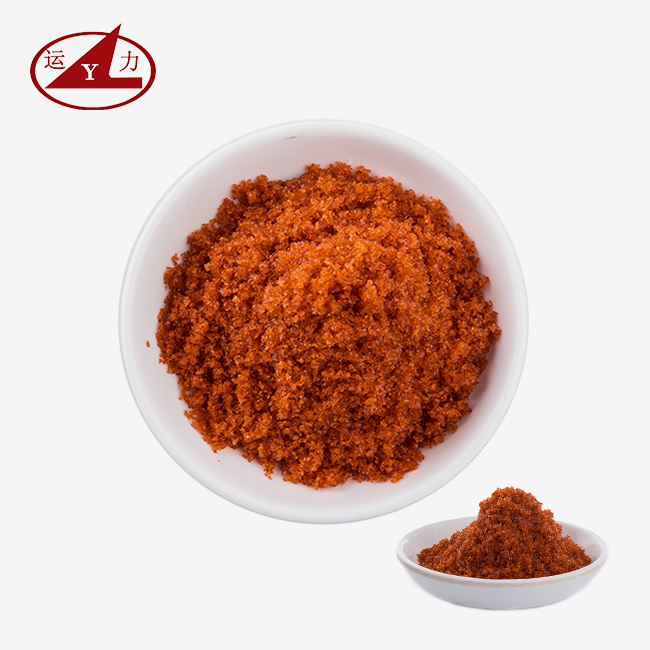
With a molecular weight of 376.17 g/mol, the industrial-grade output is made up of NiCO3·2Ni(OH)2·4H2O. This grass-green powdery crystal has a bulk density of 0.25 to 0.45 g/cm³, which makes it easy for it to spread quickly in liquids. This base form is different from simple carbonate salts because it has both carbonate and hydroxide groups. This makes more than one reacting site that changes how the salt dissolves. The compound stays stable below 300°C and only breaks down into nickel oxide and carbon dioxide above that temperature. This trait is used in calcination methods to make catalyst precursors.
Solubility Profile Across Solvents
Nickel Carbonate basic doesn't dissolve very well in pure water because its solubility product constant is low. The substance dissolves more easily in acidic conditions, where protons cancel out the carbonate and hydroxide groups, letting nickel ions dissolve. When the concentration goes above 2 M, ammonia solutions make a different path through coordination chemistry.
They make hexaammine nickel complexes that can dissolve. Both processes speed up when the temperature goes up, but acid dissolve rates change more dramatically than ammonia complexation rates. When building batch reactors or continuous processing systems, people in the industrial world need to take these changes in kinetics into account.
Safety and Handling Protocols
According to the MSDS, this substance is a possible respiratory sensitizer and a probable carcinogen. This means that it needs to be handled with designed ventilation and personal safety equipment. To keep things from caking up because of wetness, storage needs to be done in dry, cool places with sealed cases. Workers melting the material in acids need to wear splash guards because CO2 is being released quickly. Nickel compounds are considered top pollutants by environmental laws. In most US areas, wastewater treatment systems must be able to achieve release levels below 0.5 ppm nickel content.
Comparative Analysis: Solubility of Nickel Carbonate in Ammonia vs HCl
Ammonia-Based Dissolution Mechanism
Ammonia and Nickel Carbonate basic react with each other through ligand exchange reactions instead of just adding a proton. When the amount of ammonia in the solution gets to about 10 to 15 percent by weight, hexaammine nickel(II) complexes, which are shown as [Ni(NH3)6]²⁺, form.
There is a deep blue color to this coordination combination that makes it very stable in water. Maintaining a pH level above 9.5 is very important for dissolution rates, and heating slowly to 50–60°C is needed for full conversion in two to four hours. The process doesn't release many gases, which is good for closed reactors but needs exact doses of ammonia to keep the precipitate from re-forming.
Hydrochloric Acid Reaction Pathway
HCl quickly neutralizes Nickel Carbonate basic, which breaks down according to the stoichiometry: 3NiCl2 + 5H2O + CO2↑ from NiCO3 + 2Ni(OH)2 + 8HCl. At 25°C and 10–20% HCl solutions, the reaction is complete in 15–30 minutes, with strong fizzing showing that the carbonate is breaking down. When high-purity acid is used, the nickel chloride solution that is made has very few impurities. Controlling the rate at which acid is added is how operators handle exothermic heat release and foam creation. The faster speed of this road directly leads to more equipment being used at once in work settings.
Quantitative Solubility Comparison
In controlled lab tests, 10 grams of Nickel Carbonate basic dissolves fully in 150 mL of 6 M HCl in 20 minutes at 25°C, which means that it dissolves 98% of the time. The same amount needs 250 mL of a 25% ammonia solution heated to 55°C for 90 minutes in order to dissolve the same amount. When the temperature rises to 80°C, the time it takes to process ammonia drops to 40 minutes, but more ammonia is lost through volatilization.
Because HCl has a better kinetic profile, it is better for high-volume operations where processing speed limits plant capacity. On the other hand, ammonia routes work better for situations that need chloride-free nickel salts for specific catalyst formulations.
Practical Applications & Procurement Insights Based on Solubility
Catalyst Manufacturing Scenarios
When making nickel solutions for impregnation onto alumina or silicon supports, hydrogenation catalyst makers often choose ammonia dissolution. The absence of chloride keeps acid-sensitive support materials from getting poisoned and keeps the nickel spread even. A company in the Midwest that makes catalysts said that moving from nitrate precursors to Nickel Carbonate dissolved in ammonia made the active site spread 12% better for methanol synthesis catalysts. On the other hand, companies that make nickel oxide pigments use HCl dissolving to save money. They don't mind the presence of chloride because calcination removes halide impurities.
Electroplating Bath Formulation
Nickel Carbonate basic is used as a pH buffer and nickel replenisher in high-speed sulfamate nickel plating processes. By dissolving the material in diluted sulfamic acid, which acts chemically like HCl, the bath balance is kept without adding sulfate anions, which make the coats more stressed on the inside. PCB makers who work with 500 to 1000 square meters of material every day need breakdown systems that can make 200 liters of replacement solution every shift. The fast HCl dissolution route lets bath maintenance go on all the time without stopping output.
Supplier Selection Criteria
When purchasing teams look at Nickel Carbonate providers, they should make sure that the purity standards match the dissolution requirements. For catalyst uses, the metal needs to have at least 45% nickel, with cobalt levels below 0.05% and sodium levels below 0.02% to avoid harming the catalyst. Electroplating grades can handle a little more flexibility in the requirements, but acid insolubles must be less than 0.05% to keep the filter from getting clogged.
When compared to normal 20-40 µm grades, suppliers that offer customizable particle size ranges between 1 and 10 µm allow for faster dissolution kinetics, which cuts processing time by 20 to 35 %. For European export compatibility, certification paperwork should include quality systems based on ISO 9001 and REACH.
Decision Support for B2B Buyers: Choosing Between Ammonia and HCl Solvents
Industrial Requirement Assessment
The three main things that process engineers should think about when choosing a solution are the end product's chloride tolerance, the amount of time that can be spent on processing, and the safety infrastructure that can be used. Applications that can't handle chloride, like some pharmaceutical intermediates and electronics-grade chemicals, need ammonia lines, even though they take longer to process.
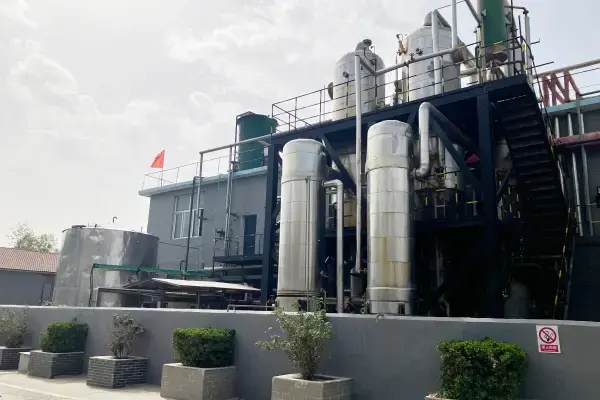
When chloride traces are removed in later steps of processing, high-throughput processes focus on how quickly HCl dissolves. Nickel Carbonate is sometimes used as a precursor or neutralizing agent in these systems, and its compatibility with ammonia-based chemistry must be verified. Facilities that don't have strong acid smoke cleaning systems may find that ammonia's lower vapor pressure is easier to handle under current environmental permits.
Cost-Effectiveness Evaluation
When it comes to direct material costs, HCl solutions are usually 40–50% cheaper per mole than concentrated ammonia. When working ammonia needs to be heated continuously for 60 to 90 minutes compared to HCl's operation at room temperature, energy costs change the equation.
A thorough total cost study for a situation where 5 tons of Nickel Carbonate are used every month showed that HCl routes had 18% lower processing costs per kilogram when labor and equipment wear and tear were taken into account. The higher prices of ammonia routes were only justifiable when the product specs said that chloride contamination above 10 ppm was not allowed.
Alternative Nickel Compound Comparison
When it comes to solubility, Nickel Sulfate and nickel hydroxide are not the same. Nickel Sulfate dissolves quickly in water without acid, but it adds sulfate anions that aren't good for some catalyst systems. Nickel hydroxide needs about the same amount of acid as Nickel Carbonate basic, but it doesn't make CO2, which makes designing reactors for activities that need to be sensitive to pressure easier. The basic carbonate form still has benefits in pH balancing situations where slow acid neutralization stops localized pH jumps that hurt sensitive substrates.
Conclusion
To choose between ammonia and HCl as a solvent for Nickel Carbonate basic dissolving, you have to weigh the technical performance against the practicalities of the situation. In situations where chloride is okay, HCl dissolves things faster and costs less, while ammonia ways keep the product pure for catalytic and electrical uses that are more sensitive. Solubility chemistry and source capability verification are two important parts of good buying strategies.
These include making sure that purity requirements are met, particle size is controlled, and compliance paperwork is kept. The US market puts a lot of importance on quality stability and following the rules. For long-term business success, it's important to have supplier relationships with proven technical support and flexible customization.
FAQ
What safety measures are critical when handling nickel carbonate basic?
To avoid breathing in harmful chemicals during weighing and dissolving processes, make sure there is local air ventilation. When working with strong acid or ammonia solutions, you should wear rubber gloves that are rated for chemical protection and full-face shields. Keep the chemical in sealed containers in areas marked for chemical storage that have systems in place to prevent spills. As required by OSHA nickel compound rules, facilities should keep emergency eyewash stations within 10 seconds' walk of working areas and do exposure tracking once a year.
Can we dissolve nickel carbonate simultaneously in both ammonia and HCl?
When you mix ammonia and HCl, they neutralize right away, making ammonium chloride without really breaking down the Nickel Carbonate. By dissolving in HCl, neutralizing, and then adding ammonia in a certain order, complicated salt mixes are made whose precipitation behavior is hard to predict. In industry, solvent separation is maintained, and one route is chosen based on the needs of the next step in the process. Hybrid approaches, which hurt both dissolve efficiency and product quality, are not tried.
How do I locate certified bulk suppliers for procurement?
To make sure uniform quality and reliable logistics, give priority to sellers who have ISO 9001 certification and well-established US delivery networks. Ask for reports of analysis that show impurity data for each batch for iron, copper, and sodium, along with proof of nickel presence. Before signing multi-ton contracts, look at providers who give free samples of up to 500 grams for pilot-scale testing. Check the paperwork for environmental compliance, especially the proof that the facility can treat garbage. The level of environmental control in a process has a direct effect on the quality of the products that are made.
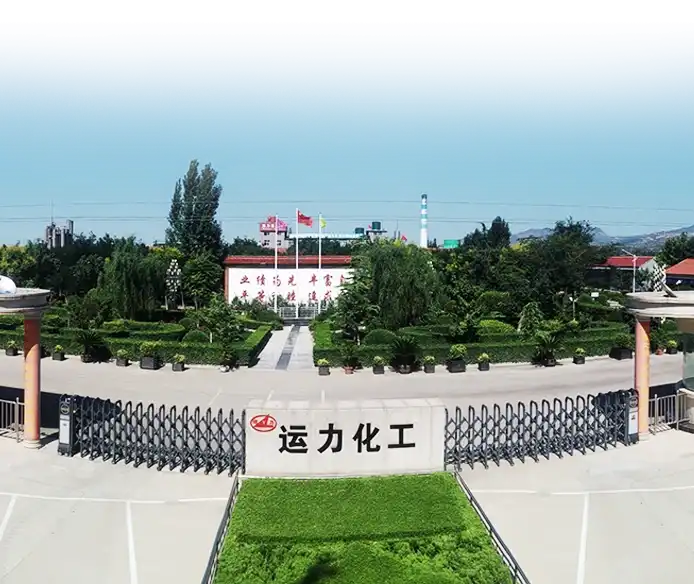
Partner with Yunli Chemical for High-Purity Nickel Carbonate Supply
Yunli Chemical has been making specialized chemicals for more than 20 years and can help North American buying teams find a reliable Nickel Carbonate basic source. Our provincially approved technology center makes sure that the nickel content stays at ≥45% and that the impurities are kept to the tightest catalyst-grade standards, with iron levels below 30 ppm, sodium levels below 50 ppm, and sulfur levels below 10 ppm. We have special production lines that are designed to make particles of any size between 1 and 10 µm. These lines directly meet the breakdown rate needs of both the ammonia and HCl routes.
We provide the quality assurance paperwork that US buyers need for legal compliance and supply chain checks. Our work is backed by ISO 9001, ISO 14001, and OHSAS certifications. Because we can ship directly, there are no markups for middlemen, and you can place orders in any amount, from 25 kg for research and development to 50 tons for production. There are no minimum order requirements. Email our technical team at wangjuan202301@outlook.com to get your free 500-gram sample and full technical data package, which includes MSDS, COA, and dissolution rates data. Let our tech support help you choose the best solvent and set the right process settings so that your business runs as efficiently as possible.

References
1. Cotton, F. A. and Wilkinson, G. (1988). Advanced Inorganic Chemistry, 5th Edition. Wiley-Interscience.
2. Greenwood, N. N. and Earnshaw, A. (1997). Chemistry of the Elements, 2nd Edition. Butterworth-Heinemann.
3. American Society for Testing and Materials (2021). ASTM B483-20: Standard Specification for Nickel Carbonate Sintering Powder.
4. National Institute for Occupational Safety and Health (2019). NIOSH Pocket Guide to Chemical Hazards: Nickel Compounds.
5. Perry, R. H. and Green, D. W. (2008). Perry's Chemical Engineers' Handbook, 8th Edition. McGraw-Hill Professional.
6. Schweitzer, P. A. (2009). Metallic Materials: Physical, Mechanical, and Corrosion Properties. CRC Press.