


Does iron nitrate react with magnesium?
Yes, Iron Nitrate and magnesium metal respond very strongly with each other in a way called displacement reaction. Because magnesium is higher in the reactivity series than iron, it pushes iron out of the way when it comes into touch with Iron Nitrate solution (Fe(NO₃)₃·9H2O). This redox process gives off heat and makes magnesium nitrate and metallic iron settle. In industrial settings where these two chemicals are present, it is important to understand how they combine with each other because it can affect the safety of the process, the quality of the products, and the integrity of the tools used in electroplating, catalyst production, and metal surface treatment.
Understanding Iron Nitrate and Magnesium: Chemical Properties and Reactivity
Chemical Structure of Ferric Nitrate Nonahydrate
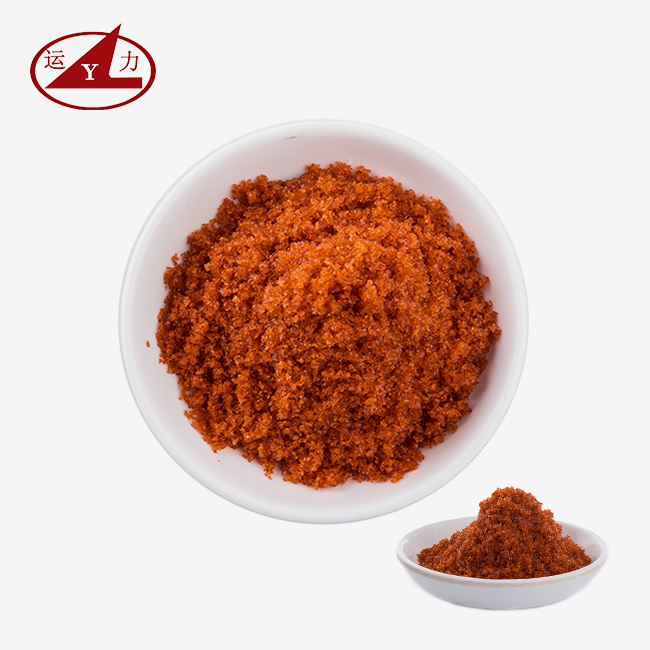
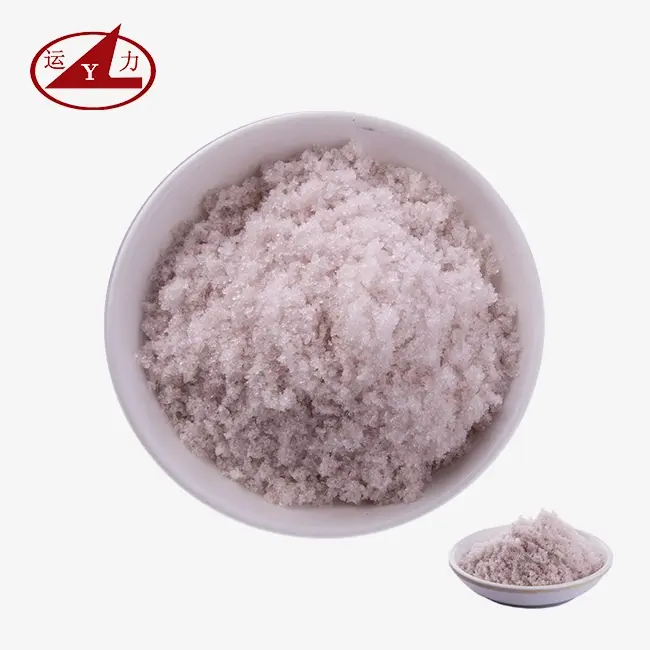
It is called Iron Nitrate Nonahydrate (Fe(NO₃)₃·9H2O, CAS 7782-61-8) and it comes in the form of purple, melt-able crystals with a molecular weight of 404.01 g/mol. This chemical is very good at dissolving in water, ethanol, and acetone, which makes it useful in many industries. It has a specific density of 1.68 and a freezing point of 47.2°C. When temperatures hit 125°C, thermal breakdown takes place. Because this substance oxidizes, it needs to be handled carefully, especially near organic materials that could catch fire. Because it has nine water molecules in its solid structure, it is hygroscopic. This means that it needs to be stored in a certain way so that it stays stable throughout the supply chain.
Magnesium's Metallic Properties and Industrial Relevance
Magnesium is one of the metals that reacts most quickly with other materials. This metal is very light and has a high electrical potential, which puts it above iron in the reactivity series. The qualities of magnesium are used in industries to make structure parts, alloys, and chemicals. Because it can remove metal ions from liquids, it is very useful in industrial processes. When buying teams look at how well something works with oxidizing agents like Iron Nitrate, they need to think about how easily magnesium can give electrons. This trait causes displacement responses that, based on the program, can either help certain processes or make them harder to run.
Redox Principles Governing Metal Displacement
Basic redox chemistry describes how Iron Nitrate and magnesium react with each other. The standard electrode potential for magnesium is -2.37V, and the standard electrode potential for iron(III)/iron(II) is +0.77V. Because of this big difference in reduction potential, magnesium reduces ferric ions on its own when they come into touch with them. In the process of electron transfer, magnesium ions become Mg²⁺ ions while Fe³⁺ ions become reduced. Kinetics of a process are greatly affected by temperature, concentration, and the pH of the fluid. When engineers plan processes that use both substances, they have to think about these thermodynamic factors in order to figure out how fast reactions will happen, how much energy will be released, and what byproducts will be made. These factors affect the choice of tools and safety rules.
Does Iron Nitrate React with Magnesium? Reaction Mechanism and Practical Implications
Balanced Chemical Equations and Reaction Conditions
Three magnesium ions and two Iron Nitrate ions react to form three magnesium nitrate ions and two ferric ions. This equation shows that two moles of iron are moved out of the nitrate solution by three moles of magnesium. Strong boiling, rising temperatures, and the creation of a reddish-brown iron precipitate are all signs that can be seen. As ferric ions change into solid iron, the color of the solution goes from purple, which is what Fe³⁺ ions look like, to white. The rate of the reaction speeds up as the temperature and quantity of Iron Nitrate rise. In factories, keeping these factors in check stops exothermic processes that get out of hand and hurt equipment or put workers in danger. The residue magnesium nitrate stays soluble, but the metallic iron rests as a solid that needs to be separated.
Industrial Case Studies and Laboratory Observations
Facilities that handle both materials have written down a number of real-life examples. When magnesium metal parts were mixed with Iron Nitrate baths by mistake during electroplating operations, they corroded quickly and iron was introduced without meaning to. By adding magnesium powder to weak Iron Nitrate solutions in a nitrogen atmosphere, a catalyst maker used this reaction on purpose to make iron nanoparticles with controlled shapes. Studies in the lab show that the reaction is complete in minutes at room temperature when normal 98% pure Iron Nitrate Nonahydrate is used. These results show how important it is to check for material compatibility during the process design and tool specification stages.
Equipment Integrity and Materials Handling Best Practices
Processing equipment is at risk because this displacement effect is so strong. If reaction heat builds up in certain areas, stainless steel tanks may experience limited corrosion. Facilities should set up spatial separation routines to make sure that magnesium-containing materials and Iron Nitrate solutions stay physically separate while they are being stored and moved. Glass-lined or specialized polymer reactors are good ways to keep reactions contained when they are meant to be used for production. If Iron Nitrate goes through secondary breakdown, ventilation systems need to be able to handle the release of nitrogen dioxide. Safety data sheets from approved providers like Yunli Chemical list specific handling instructions that help procurement teams choose the right containment materials and emergency reaction gear.
Iron Nitrate Versus Other Iron Salts: Reactivity and Application Comparison
Reaction Rate Differences with Magnesium
When common iron compounds are compared, they show different reactions when they come in touch with magnesium. Ferric chloride combines with Iron Nitrate in the same way that Iron Nitrate does, but it also adds chloride ions, which may make stress corrosion cracking more likely in some metals. The kinetics of ferrous sulfate are slower because the Fe²⁺ oxidation state needs fewer electron transfers. For uses requiring the least amount of ionic pollution, Iron Nitrate is preferred because of its clean decomposition profile, which produces nitrogen oxides rather than halide or sulfate residues. This trait is especially useful when making catalyst precursors, since sulfate or chloride impurities can damage active sites. Ultra-low chloride content (<100ppm) requirements in procurement standards help makers keep product performance in sensitive applications.
Agricultural and Industrial Application Advantages
Iron Nitrate Nonahydrate is used in both farming and making things. It works better than sulfate forms to treat iron shortage in alkaline soils as a source of micronutrients because it dissolves more easily. The nitrate part adds extra nitrogen, which lowers the total amount of fertilizer needed. Its oxidizing ability is used in industrial settings to prepare metal surfaces, color textiles, and make rust inhibitors. Unlike chloride-based options that speed up the breakdown of metal, Iron Nitrate solutions that are made correctly make coatings last longer. Yunli Chemical's formulas can be changed to fit the needs of any process, whether it's precision electroplating or farming sprays. The crystal size, purity levels (≥98% to 99.9%), and anti-caking agents can all be changed.
Selection Criteria for Optimal Iron Compound Procurement
There are a lot of technical things to think about when choosing between iron salts. Magnesium in the process stream requires either separating areas or managing reactions on purpose. If you want to keep rust to a minimum, you should use nitrate forms instead of chloride forms. If you are on a tight budget, you might want to look at ferrous sulfate, which has slower reaction rates but works better for etching and oxidation because it has a higher oxidation state. Quality certificates are very important. For example, ISO 9001 certification and provincial technology center approval show that the product meets uniform standards. When suppliers offer free samples of up to 500 grams, laboratories can test them before making large purchases. This lowers the approval risks for procurement managers.
Procurement Guide: Sourcing Quality Iron Nitrate for Industrial and Agricultural Use
Supplier Evaluation and Quality Certifications
To find dependable Iron Nitrate suppliers, you need to look closely at their production records and quality control methods. Established companies, like Yunli Chemical, which has been around since 2005 and makes more than 1 billion yuan a year in sales, show that they are financially stable and can make enough goods. Certifications like ISO 9001, ISO 14001, and OHSAS prove that there is organized quality control, environmental compliance, and management of workplace safety.
Being named a Shanxi Provincial Enterprise Technology Center means that the company has advanced research and development (R&D) skills that allow it to make high-purity grades (4N-level) and unique formulas. People who want to buy something should ask for a Certificate of Analysis (COA) that shows the levels of impurities, especially iron (≤30ppm normal; ≤10ppm for catalysts), chloride (<100ppm), and sodium (<100ppm). These factors have a direct effect on how well the next application works, and they should match the process requirements before the provider gives their approval.
Logistics Considerations and Flexible Ordering Options
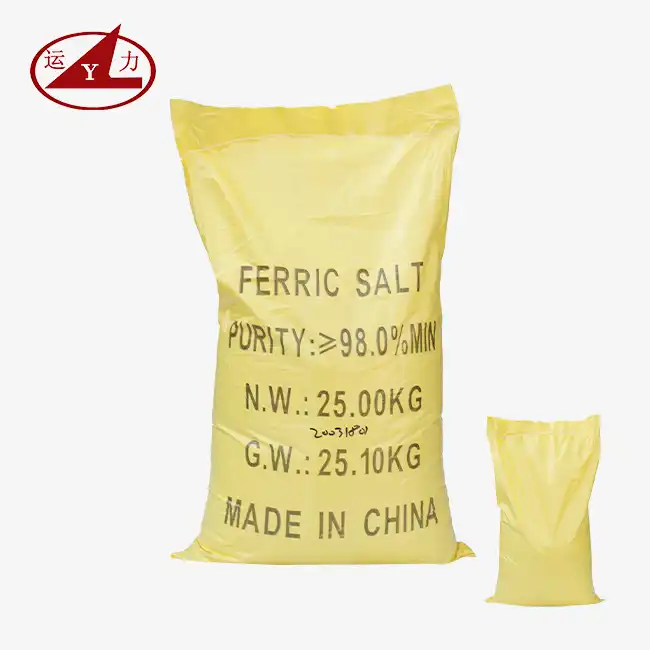
When you buy something internationally, you have to deal with minimum order amounts, delivery dates, and complicated shipping. Leading makers meet the needs of a wide range of buyers by getting rid of minimum order quantities (MOQs) and offering flexible packing, such as 25 kg PE bags for small businesses, 500 kg drums for medium-sized users, and ISO tanks for large buyers. Factory-direct export gets rid of markups on goods in between and makes sure that the products can be tracked. Customization goes beyond just the packing.
It also includes pre-dissolved liquid solutions that cut down on processing time, crystal sizes that can be changed from 0.5 mm to 3 mm, and pH buffers that are used in certain situations. Reliable delivery comes from supply chains that are well-established and well-managed goods. Buyers should check wait times during qualification, especially for special purity grades that need extra steps in the finishing process.
Pricing Strategies and Compliance Documentation
When buyers buy Iron Nitrate Nonahydrate in bulk, they can save a lot of money, but they have to weigh the volume savings against the costs of keeping stockpiles and the product's shelf life. Because Iron Nitrate melts easily, it needs to be stored in a climate-controlled area, which raises the total cost of ownership. Competitive pricing takes into account the costs of raw materials, the amount of energy used in production, and the costs of following the rules. Suppliers who are open and honest will give you thorough SDS documents that include handling warnings, emergency response procedures, and standards for environmental dumping.
Documentation that shows compliance with REACH and RoHS is very important for clients in the European and technology industries. Yunli Chemical's full compliance profile, which includes mature wastewater and exhaust treatment systems, lowers regulatory risks for buyers who have to follow strict environmental rules. To get true cost comparisons between possible suppliers, make sure you ask for thorough quotes that list product specifications, packaging, freight, and paperwork.
Practical Applications and Safety: Using Iron Nitrate in Environments with Magnesium
Strategic Applications Leveraging Controlled Reactions
The Iron Nitrate-magnesium reaction is used on purpose in some industrial processes. Metallurgical labs use magnesium powder to separate very pure iron from Iron Nitrate solutions. This makes fuel for the creation of new alloys. In some water treatment plants, magnesium compounds are used to change the pH level before Iron Nitrate is added to get rid of phosphate. Agricultural experts have looked into when to apply magnesium and Iron Nitrate together to get the most micronutrients into the soil without causing reactions to start too early in storage tanks.
For these uses to work, the process needs to be carefully managed, with temperature readings, step-by-step addition instructions, and constant stirring to keep the heat from escaping. Before going live on a large scale, technical teams should try the reaction kinetics on a smaller scale using free samples from the provider. This will make sure that the reaction works as expected.
Comprehensive Safety Protocols and Personal Protection
Extreme safety steps must be taken when working with Iron Nitrate near magnesium. The oxidizing property of Fe(NO₃)₃·9H2O and the volatility of magnesium make it dangerous for materials to touch suddenly and catch fire or explode. Chemical-resistant gloves, safety masks with side covers, and protective aprons must be worn by workers to keep Iron Nitrate from touching their skin, which could cause irritation or burns. Nitrogen oxide fumes are released during reactions or thermal breakdown. Good air gets rid of these fumes.
Plans for what to do in an emergency should include steps for containing a reaction with dry chemical extinguishers that can put out Class D metal fires. Clear labels on separate storage areas keep things from getting mixed up by chance. Employees learn how to spot signs of a reaction and take quick action through training programs. Safety managers can make site-specific practices that are in line with OSHA guidelines when suppliers provide full SDS documentation and expert support.
Environmental Sustainability and Waste Management
Using chemicals responsibly also means having as little of an effect on the earth as possible. Before they can be discharged, spent Iron Nitrate solutions need to be neutralized and the metal recovered. Magnesium nitrate waste from displacement reactions can be used as fertilizer, which could help recover resources and lower the cost of removal. In modern factories, closed-loop devices collect nitrogen oxides so that they can be turned back into acid or into harmless nitrogen gas.
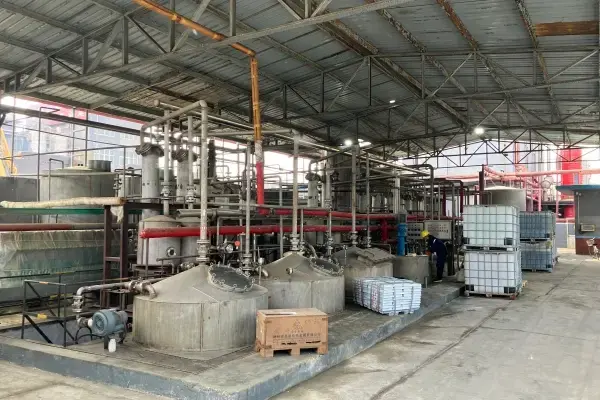
Yunli Chemical's investment in environmental cleanup facilities, such as specialized nitrate wastewater processing and exhaust scrubbing, is a great example of how to be environmentally friendly. When buyers work with environmentally friendly sellers, they lower their own regulatory load and raise the sustainability image of their companies. Forward-thinking procurement teams look at the total cost of ownership, which includes the costs of getting rid of waste, the possible fines for not following the rules, and the damage to the brand's image that comes with environmental events.
Conclusion
A basic chemistry reaction between Iron Nitrate and magnesium has big effects on how factories work. Because magnesium has a higher electrical potential, this displacement reaction happens on its own. It creates magnesium nitrate and solid iron while giving off a lot of energy. By studying how reactions work, comparing different iron salt options, and following strict safety rules, makers can either stop harmful interactions or use this chemistry for specific purposes. To do good procurement, you need to work with certified suppliers who can provide regular quality, full paperwork, and expert help. When product purity, legal compliance, and workplace safety all come together, it's clear how important it is to choose a seller carefully in order to manage the opportunities and risks that come with these reactive chemicals.
FAQ
Does iron nitrate corrode magnesium metal surfaces?
Yes, Iron Nitrate does degrade magnesium by moving the redox potential around. As soon as they touch, the process starts, with magnesium dissolving into solution as Mg²⁺ ions and iron forming crystals. How bad the corrosion is based on the amount of Iron Nitrate present, the temperature, and how long it is exposed for. In industrial settings, this kind of contact is stopped by protective layers or physical separation.
Can magnesium and iron nitrate be mixed in agricultural formulations?
It's not a good idea to mix chemicals directly because random reactions can create heat and change the chemical makeup. For agricultural uses, magnesium fertilizers and Iron Nitrate foliar sprays must be applied one after the other. On the other hand, controlled-release formulations with physical walls make co-formulation possible while keeping the reaction from starting too early during shipping and storage.
What storage precautions prevent hazardous reactions?
Keep magnesium products and Iron Nitrate stocks completely separate from each other. To keep Iron Nitrate Nonahydrate from going bad, store it somewhere cool and dry in a container that won't let water in. Separate areas should be used to store magnesium, and fire control systems should be put in place. Clear labels, training for staff, and regular inventory checks all help lower the risk of mixing things up by mistake in the building.
Partner with Yunli Chemical for Reliable Iron Nitrate Supply
Yunli Chemical is a reliable company that makes Iron Nitrate. They offer high-quality Iron Nitrate Nonahydrate (CAS 7782-61-8) that is guaranteed to be 98% pure and has impurity profiles that can be changed to fit catalyst, electroplating, and specialty chemical uses. Our stable supply of ultra-low impurity formulations (<30ppm iron content and <100ppm chloride) is backed by our 20-year history of business, recognition as a local technology center, and ISO-certified quality systems. We get rid of minimum order quantities, offer free samples up to 500 grams, and can package your goods in a variety of ways, from 25 kg bags to ISO tanks.
Your buying process will be easier if you can get prices directly from the factory, full compliance documentation, and quick expert help. Our skilled team can help you find the best product requirements for your magnesium-containing or magnesium-free processes, whether you need normal industrial grades or high-purity catalyst precursors. Get in touch with wangjuan202301@outlook.com right away to talk about your Iron Nitrate needs and get specific quotes.

References
1. Cotton, F. A., & Wilkinson, G. (2018). Advanced Inorganic Chemistry: Iron Compounds and Their Reactivity. Academic Press.
2. Housecroft, C. E., & Sharpe, A. G. (2020). Inorganic Chemistry: Redox Reactions and Displacement Series. Pearson Education.
3. Shreir, L. L., Jarman, R. A., & Burstein, G. T. (2019). Corrosion: Metal-Environment Interactions in Industrial Systems. Butterworth-Heinemann.
4. Greenwood, N. N., & Earnshaw, A. (2017). Chemistry of the Elements: Transition Metal Nitrates and Their Applications. Elsevier.
5. Smith, W. F., & Hashemi, J. (2021). Foundations of Materials Science and Engineering: Metal Reactivity and Surface Treatment. McGraw-Hill Education.
6. Patnaik, P. (2020). Handbook of Inorganic Chemicals: Properties, Reactions, and Industrial Applications. Industrial Press.