


What is ferric nitrate solution used for?
Ferric Nitrate Solution, a potent aqueous compound of iron(III) nitrate that is usually made in concentrations between 40% and 50%, is used as an important oxidizing agent and iron source in a variety of industry sectors. This chemical solution solves important problems in electroplating, treating metal surfaces, making catalysts, making medicines, and cleaning up the environment. Precision metal etching for printed circuit boards (PCBs), mordant uses in the textile and leather industries, catalyst precursor synthesis, corrosion inhibition, and wastewater treatment for odor control are some of its main uses. It always does a good job in situations where quality and purity have a direct effect on production outcomes.
Understanding Ferric Nitrate Solution
Molecular Identity and Chemical Properties
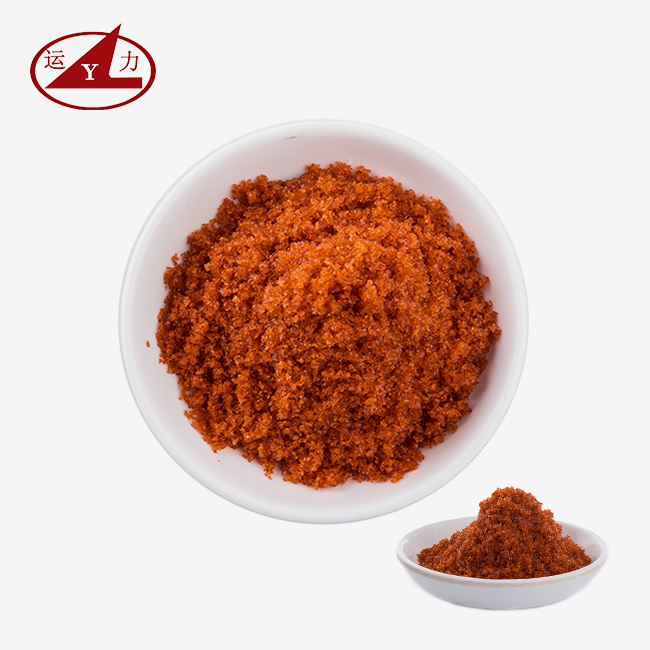
Ferric Nitrate Nonahydrate has the formula Fe(NO3)3·9H2O and a molecular weight of 404.01. Its CAS number is 7782-61-8. The crystalline solid has a unique purple color and a melting point of 47.2°C. Its specific density is 1.68 g/cm³. Thermal breakdown happens when something is raised to 125°C, so it is important to keep an eye on the temperature while storing and handling it. The chemical is hygroscopic, which means it dissolves easily in water, ethanol, and acetone to make acidic solutions.
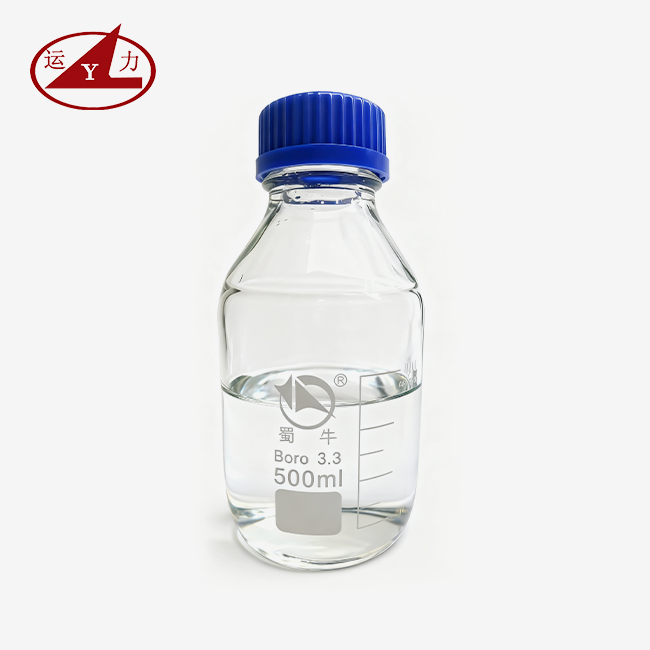
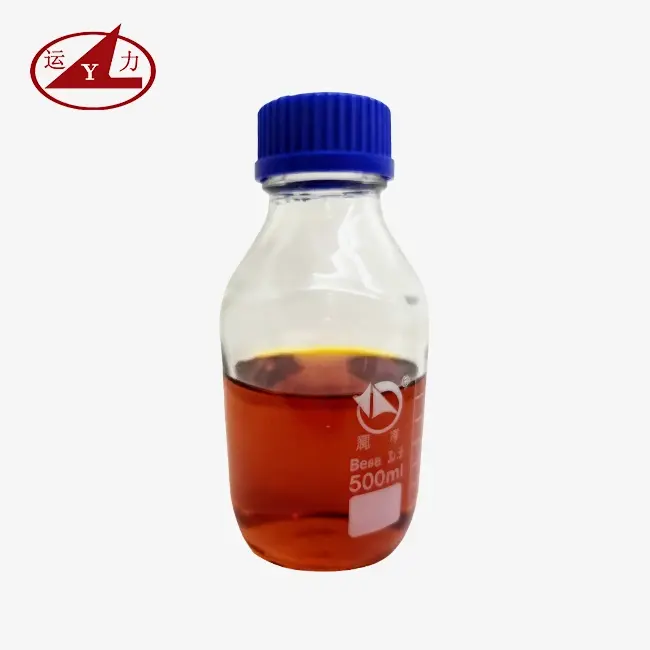
The water-based form, which is usually called Ferric Nitrate Solution, is a clear, reddish-brown to dark purple liquid. We keep the iron content at our plant between 6% and 10.5% by weight, and we carefully control the specific gravity so that it stays between 1.25 and 1.45 g/cm³ at 20°C. This chemical is very reactive because it can oxidize, especially when it comes into touch with organic materials. Because of this, it needs to be handled and stored with great care.
pH Stability and Storage Considerations
Our formulas keep the pH level between 3.0 and 3.5, which is just the right level to stop iron hydroxide from precipitating and keep the solution stable for long periods of time. Free acid content, which is usually kept between 0.5% and 2.0% as Nitric Acid, does two things: it stops the hydrolysis of ferric ions and keeps the etching speed needed for precise welding tasks. This careful balancing act is what sets lab supplies apart from high-quality industrial-grade solutions.
Because the solution is acidic and oxidizing, ferric nitrate solution can irritate the skin and even cause chemical burns. Rinsing thoroughly with lots of water for at least 15 minutes while taking off infected clothing is part of immediate first aid. Eye exposure needs to be treated right away with water and medicine. Procedures for responding to spills stress the importance of containing the problem using harmless absorbents, neutralizing it with sodium carbonate or lime, and getting rid of it properly by following the rules for toxic waste. Our technical team gives thorough handling training and paperwork to make sure that processes are safe in all situations.
Safety Protocols and Handling Requirements
Material Safety Data Sheets (MSDS) list this chemical as both an oxidizer (Class 5.1) and an acidic substance (Class 8), but the exact classification depends on how it is made and the rules in the area. Personal safety equipment (PPE) like chemical-resistant gloves (nitrile or neoprene), splash-proof masks, face shields for transfer work, and acid-resistant aprons or suits are needed for tasks that involve moving people. When working in small areas or during bulk moves where mist is likely to form, you need to wear respiratory protection.
Because the solution is acidic and oxidizing, it can irritate the skin and even cause chemical burns. Rinsing thoroughly with lots of water for at least 15 minutes while taking off infected clothing is part of immediate first aid. Eye exposure needs to be treated right away with water and medicine. Procedures for responding to spills stress the importance of containing the problem using harmless absorbents, neutralizing it with sodium carbonate or lime, and getting rid of it properly by following the rules for toxic waste. Our technical team gives thorough handling training and paperwork to make sure that processes are safe in all situations.
Industrial and Laboratory Uses of Ferric Nitrate Solution
Metal Etching and Surface Treatment
Ferric Nitrate is used a lot in the electronics industry to remove silver layers precisely from copper surfaces and for fine sterling silver work. Ferric Chloride often leaves chloride leftovers that make later steps harder to do. Our solution, on the other hand, etches more cleanly and makes less smut. When making printed circuit boards with fine line definitions below 100 micrometers, this difference is very important because residue contamination leads to flaws and lower output rates.
In etching, pure silver is slowly turned into liquid silver nitrate while inhibitors carefully chosen keep the copper base metal from being attacked too strongly. Controlling the amount of free acid and finding the best concentration of ferric ions lets you remove only the material you want while keeping the dimensions precisely, which is something that straight cutting can't do cost-effectively. These properties help companies that make decorative silver items, electrical connections, and reflective surfaces make designs and shapes on the surface that would be hard to make with machines.
When you compare Ferric Nitrate and Ferric Chloride, you can see that they work in very different ways. Ferric Chloride is a cheaper way to get raw materials, but it releases chloride ions that speed up galvanic corrosion, pollute wastewater streams, and make it harder to collect valuable metals. Our Ferric Nitrate formulations get rid of problems caused by chloride, making working areas cleaner and waste treatment processes easier. These benefits lead to a lower total cost of ownership, even if the unit prices are higher.
Catalyst Manufacturing and Chemical Synthesis
Catalyst production is another important area where quality requirements have a direct effect on how well the product works. Iron oxide nanoparticles are used in heterogeneous catalysis, battery anode materials, and magnetic uses. Ferric Nitrate is the main ingredient used to make them. The liquid version lets you precisely control the hydrolysis conditions during sol-gel processing. This directly controls the particle size distribution, which is a key factor that affects the activity and specificity of the catalyst.
Even distribution of iron in copper-based catalyst matrices lowers the risk of poisoning and increases the catalyst's lifetime in the production of methanol and hydrogenation catalysts. Our strict impurity control—iron ≤30 ppm, sodium ≤50 ppm, and heavy metals ≤5 ppm—makes sure that small amounts of impurities don't stop expensive noble metal parts from working or cause unwanted side effects during chemical production campaigns. This level of cleanliness is especially helpful for pharmaceutical intermediates and fine chemical synthesis, where even small flaws can hurt the quality of the product or make it harder to follow the rules.
When used as an oxidizing agent in organic synthesis, Ferric Nitrate is better than Ferric Sulfate because it is more specific to the process. Compared to sulfate, the nitrate anion doesn't take part in as many side reactions. This means that reaction profiles are better and product processing is easier. These traits are important to research and development labs that are coming up with new ways to make chemicals or improving current processes so they can be used on a larger scale.
Environmental Applications and Wastewater Treatment
Ferric Nitrate Solutions are used by municipal and industry wastewater treatment plants to get rid of the smell of hydrogen sulfide (H2S) in sewer networks and treatment plants. The substance works in two ways: ferric ions quickly oxidize sulfur, and nitrate serves as an alternative electron acceptor for bacteria. This stops smells right away and keeps collection systems from becoming septic. Biological treatments take days to start working, but chemical oxidation works right away when people are complaining about smells and need help quickly.
The oxidation process changes dissolved sulfides into elemental sulfur or soluble sulfates. This gets rid of the harmful and destructive H2S gas that hurts concrete structures and puts maintenance workers' health at risk. At the same time, ferric ions settle down phosphorus molecules, which lowers the chance of eutrophication in the water they enter. Because it can do more than one thing, Ferric Nitrate Solutions is very useful for places that have to follow strict release limits for many factors.
The perks of environmental regulations go beyond just getting rid of smells. If you treat Ferric Nitrate properly, you'll get less sludge than if you used Ferric Chloride at the same treatment level. This is because chloride ions don't add to the conductivity, which makes it harder to reuse water. This operational benefit fits with the company's goals for sustainability while still following the rules, which is something that environmental partners are asking for more and more.
Comparing Ferric Nitrate Solution With Alternatives
Technical Performance Differentiators
When procurement workers look at oxidizing agents, they have to consider a lot of technical and financial factors in order to get the best performance and lowest total cost of ownership. Ferric Nitrate stands out because it has higher purity levels, especially for electronic-grade uses where chloride pollution below 50 ppm stops problems with galvanic corrosion while PCBs are being made. At this level of precision, controlled synthesis processes and quality control steps are needed to tell the difference between providers of industrial-grade chemicals and those of common chemicals.
The way oxidizers react with other things is also significantly different between groups. While Ferric Sulfate is cheaper, it adds sulfate ions that can mess up some analysis methods and make it harder to get valuable metals out of etching baths. The sulfate anion likes to form solid complexes with different metal ions, which can get in the way of later separation steps. This can make the whole process more expensive, even though the prices of the chemicals used are cheaper. These problems aren't a problem with our Ferric Nitrate formulas because they use better chemistry that makes controlling the process and dealing with waste easier.
Another important thing to think about is concentration improvement. Standard concentrations for mixtures are between 40% and 50%, but unique concentrations may work better for some uses. Lower concentrations lower the risk of crystallization during shipment and storage in cold weather, while higher concentrations reduce the amount that needs to be shipped and diluted at the place of use. Our technical team works with clients to find the best specs that balance logistics costs with application needs. This makes sure that the given goods fit right into existing processes.
Certification and Quality Assurance
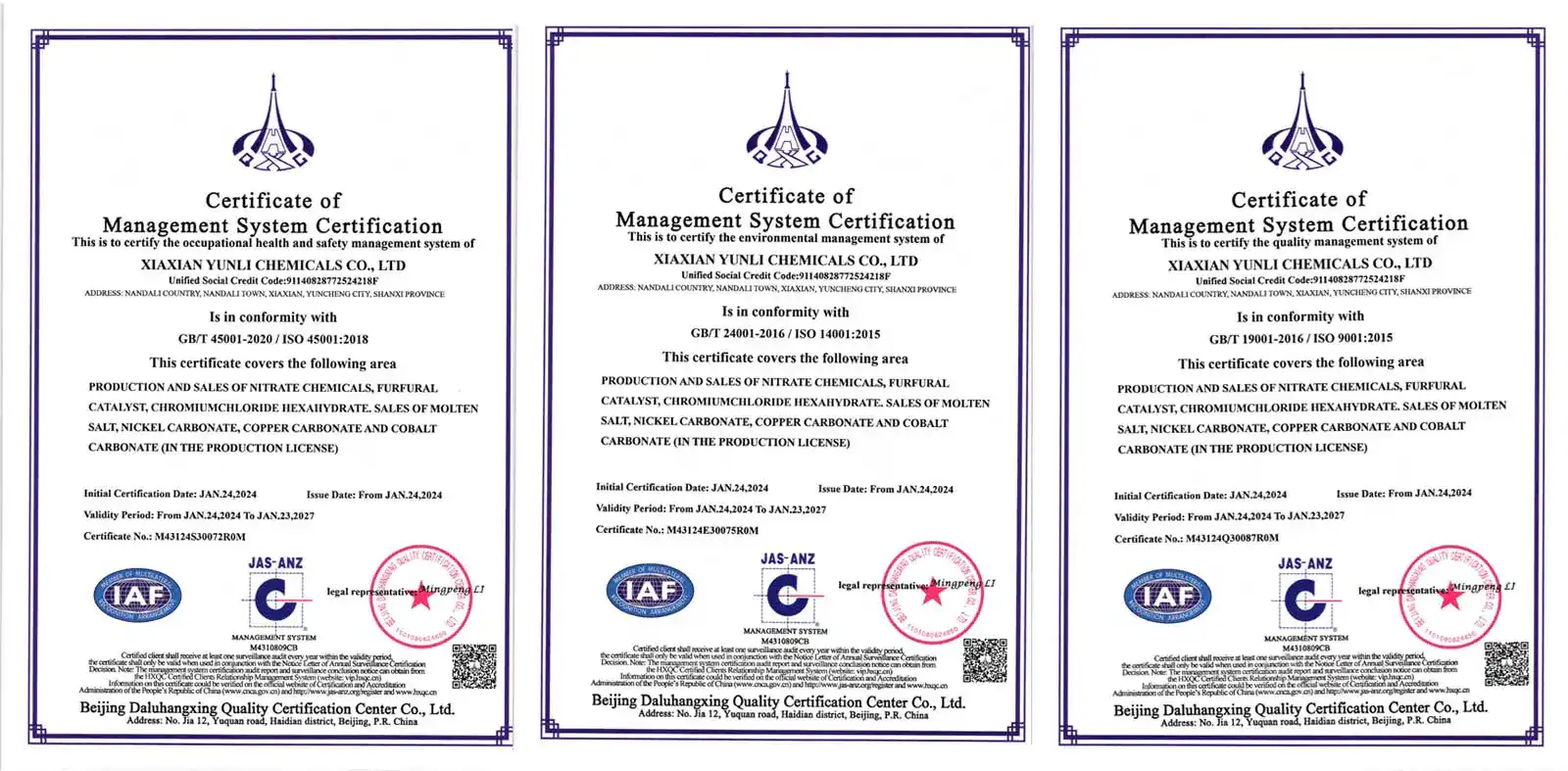
Supplier validation includes more than just science requirements. It also includes quality control systems, environmental compliance, and the dependability of the supply chain. Our ISO 9001 Quality Management System approval shows that we use standard procedures to control every step of the production process, from getting the raw materials to checking and releasing the finished product. This methodical technique ensures stability from batch to batch, which cuts down on process changes and scrap rates during customer operations.
Our dedication to environmentally friendly production practices, such as fully treating wastewater, limiting emissions, and making the best use of resources, is shown by our ISO 14001 Environmental Management System certification. These investments in the environment protect supply lines from actions by regulators that could stop rivals who aren't following the rules. The OHSAS workplace health and safety certification is more proof that our business is mature. It protects both our employees and customer employees who are getting technical help on-site.
Being named a Shanxi Provincial Enterprise Technology Center shows that we can do good research and development. Our quality control labs use high-tech analytical tools like ICP-MS and atomic absorption spectrometers to check not only that products meet standard specs but also that new formulas are made to solve specific customer problems. This level of technical detail makes it possible for people to work together to solve problems, going beyond simple supply ties and forming real partnerships that help both sides succeed.
Procurement and Logistics of Ferric Nitrate Solution
Supplier Selection Strategies
There are many places to get chemicals on the global market. International reagent providers like Sigma-Aldrich, Merck, and Fisher Scientific offer lab-grade materials, while regional makers and distributors offer large quantities at reasonable prices. Laboratory suppliers are great at providing full paperwork and high-purity specialty grades, but they usually can't meet the needs of large orders at a low cost. When you buy a lot of things from the same industrial manufacturer, you can save money, but the quality and technical help can change a lot.
Direct factory buying gets rid of the middlemen and gives you access to production freedom for changes in concentration, custom packaging layouts, and formulations made just for your purpose. Our self-operated export operations get rid of the hassles of middlemen, making it easier for expert teams to talk to each other and for tasks to be coordinated. This system is good for foreign customers who want reliable supply lines backed by manufacturing know-how instead of trading relationships that could be harmed.
Evaluation of samples is the first and most important step in qualifying a seller. We offer free samples of up to 500 grams of our products so that customers can see how well they work in their own production settings before deciding to buy in bulk. This trial-and-approve process lowers the risks of qualification while showing that the product works well in all kinds of situations—not just passing the requirements but also giving real-world results.
Logistics and Regulatory Compliance
Transporting dangerous goods requires strict adherence to rules and regulations to ensure safe arrival and avoid customs delays. Depending on their exact make-up, Ferric Nitrate Solutions are classified under UN classification 3264 (Corrosive liquid, acidic, artificial, n.o.s.) or similar names. Compliant foreign shipments start with the right labels, UN-rated packaging, and all the necessary paperwork, such as an MSDS, a Certificate of Analysis (CoA), and a statement of dangerous goods.
We have different types of packaging to meet the needs of our customers. For example, 25 kg drums are good for lab work and small-scale production, IBC tanks are good for medium-volume uses, and dedicated tanker trucks or ISO tank containers are good for large-scale industrial users. Corrosion-resistant covers used in packaging materials are suitable for acidic reactive solutions. This keeps containers from breaking down while they are being stored or transported. Custom labeling meets the unique needs of each customer for managing supplies and making sure safety rules are followed.
Reliable delivery comes from long-term transportation relationships and production planning systems that are in sync with how customers usually buy things. Long-term supply deals allow for production schedules that protect against changes in raw material prices while keeping stockpiles moving. Because we are in Shanxi Province, we have easy access to China's extensive train and trucking networks. We also have established export routes through major ports that serve markets in North America and Europe. This infrastructure makes sure that deliveries happen on time, which is important for factory businesses that need to keep making things.
Ensuring Safe and Environmentally Responsible Use
Operational Safety Best Practices
To keep accidents at work to a minimum, you need safety management systems that cover everything from designing tools to teaching employees and making sure that procedures are followed correctly. When automated dosing systems are used for regular tasks, they remove the need for human handling. This lowers the risk of exposure while increasing the accuracy of dosing. When doing things by hand isn't an option, batch transfer procedures stress secondary control, spill kits placed at transfer points, and buddy systems that make sure help is available right away in case of an emergency.
Eyewash stations and safety showers should be placed within 10 seconds of handling areas as part of emergency reaction plans. Every month, their functioning should be tested and written down in safety logs. Neutralizing products, like sodium carbonate or hydrated lime, are still easy to get in large enough amounts to deal with plausible spill scenarios. In training, employees are taught about the most important things to do right away, like containing the problem to keep it from spreading to other areas, cleaning up oneself, and following the rules for alerting others so that more help can be sent to bigger problems.
The layout of a storage area takes chemical compatibility into account by keeping oxidizers, flammables, organic materials, and reducing agents separate. Good air systems keep vapor from building up, and keeping an eye on the temperature lets workers know when conditions could lead to crystallization or too much evaporation. Regular inventory checks keep track of how things are used and look for unusual trends that could mean that the process isn't working as well as it should or that losses have been hidden and need to be looked into.
Environmental Stewardship and Waste Management
When Ferric Nitrate Solutions are used for etching, they dissolve metals that need to be recovered or thrown away properly according to rules for toxic trash. A lot of places use closed-loop systems that collect metal values through electrochemical recovery or chemical precipitation. These systems lower the costs of both raw materials and getting rid of trash. Our technical support team helps customers build these systems by using their decades of experience in nitrate chemistry to get the best results for recovery and solution renewal.
The ways that trash is thrown away must follow the rules set by the Resource Conservation and Recovery Act (RCRA) in the US or similar foreign rules for managing hazardous garbage. Characterization, manifesting, and choosing the right carrier and disposal center are all important parts of following the rules and defending the company's image. As part of our customer technical support services, we give full trash profiles and disposal suggestions. This makes it easier for building environmental managers to meet compliance requirements.
Sustainability efforts are focusing more and more on reducing damage to the environment by using chemicals more efficiently, handling things in a way that uses less energy, and following the principles of the cycle economy. Concentration optimization lowers pollution from transportation by lowering the amount of water that needs to be moved. Process optimization lowers the amount of reagents needed for each unit of output, which lowers prices and has a positive effect on the environment. These projects make economic and environmental goals more aligned, showing that being a good caretaker improves business success instead of holding it back.
Conclusion
Ferric Nitrate Solution can be used in many different ways, such as to treat metals, make catalysts, clean up the environment, and make specific chemicals. Procurement pros can make smart buying choices that balance quality, dependability, and cost-effectiveness by knowing the chemical properties, performance characteristics that are special to the application, and how to handle it properly. When choosing a supplier, it's important to look at their quality certifications, expert help, and the logistics system that makes sure they can keep to their delivery dates. To make things work, people must be committed to following safety rules and taking care of the environment, while also making sure that regulations are followed. All of these things affect whether Ferric Nitrate Solutions offer the value they claim or cause problems with operations.
FAQ
What concentration of ferric nitrate solution works best for PCB etching?
The best etching rates for making printed circuit boards are found in solutions that have 40% to 42% Ferric Nitrate by weight. These solutions balance reaction speed and process control. Higher amounts speed up the etching process but also raise the risk of undercutting, which makes it harder to see fine lines. Lower amounts make the bath last longer, but they slow down the flow. Controlling the temperature between 45°C and 50°C makes etching even better across all panel surfaces.
How does ferric nitrate compare to ferric chloride for industrial applications?
Ferric Nitrate cleans up the chemistry without adding chloride, which is important for making electronics and other uses that need to recover valuable metals. Ferric Chloride is less expensive per unit of weight, but it makes rusting more difficult and makes treating wastewater more difficult. Total cost of ownership research often favors Ferric Nitrate even though it costs more, especially when handling costs and yield effects are taken into account.
What certifications should buyers verify when selecting suppliers?
Certification in the ISO 9001 Quality Management System guarantees reliable production methods that don't change from batch to batch. The ISO 14001 Environmental Management System certification proves that industrial methods are sustainable and that the supply chain is stable. Certifications that are specific to an industry, like REACH compliance for European markets or similar regional standards, show that you know about the rules. Ask for a Certificate of Analysis (CoA) to prove that each delivery batch meets the requirements.
Partner With Yunli Chemical for Reliable Ferric Nitrate Solution Supply
Yunli Chemical has been specializing in nitrate chemistry for more than 18 years and has full quality certifications, including ISO 9001, ISO 14001, and OHSAS. This makes sure that every batch meets strict international standards. Our Ferric Nitrate Solution maker can make standard 40–50% concentrations as well as special high-purity formulas with impurity control down to parts-per-million. They can do this with the help of resources from the local technology center and advanced analytical instruments. When you buy directly from a plant, you don't have to pay the middlemen, and our self-run export operations make foreign shipping and paperwork easier.
We offer a range of packaging options, from 25 kg drums to big trucks, and there is no minimum order quantity. We also provide free samples of up to 500 grams for testing purposes. Our expert team has decades of experience working in production in the petroleum, electronics, and pharmaceutical industries, so they can help with application support, waste management, and formulation optimization. You can email us at wangjuan202301@outlook.com to get technical specs, price quotes, or to set up a meeting where we can talk about your specific procurement needs and process improvement goals.

References
1. Chen, L., Smith, J.R. (2021). How ferric compounds are used in industry in modern manufacturing. Press for Chemical Engineering.
2. Anderson and K.M. (2020). "Comparative Analysis of Metal Etchants for Electronic Circuit Board Production." Journal of Surface Treatment Technology, 45(3), 178-192.
3. Williams, P.T., and Rodriguez, M. (2022). Oxidizing Agents in Wastewater Treatment: Chemistry and Application. Environmental Science Publishing.
4. National Institute of Standards and Technology (2023). "Ferric Nitrate: Chemical Properties and Safety Data." NIST Chemistry WebBook.
5. Zhang, H., Kumar, S., and Thompson, R. (2021). "Catalyst Precursor Synthesis Using Ferric Nitrate Solutions." Catalysis Today, 367, 224-238.
6. International Chemical Safety Cards (2022). "Ferric Nitrate Nonahydrate - Safety and Handling Guidelines." ICSC Database, Card No. 1406.