


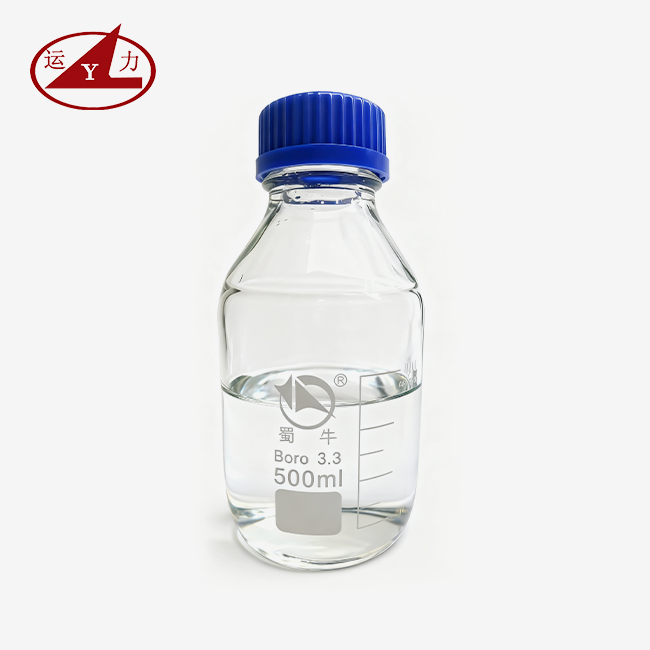
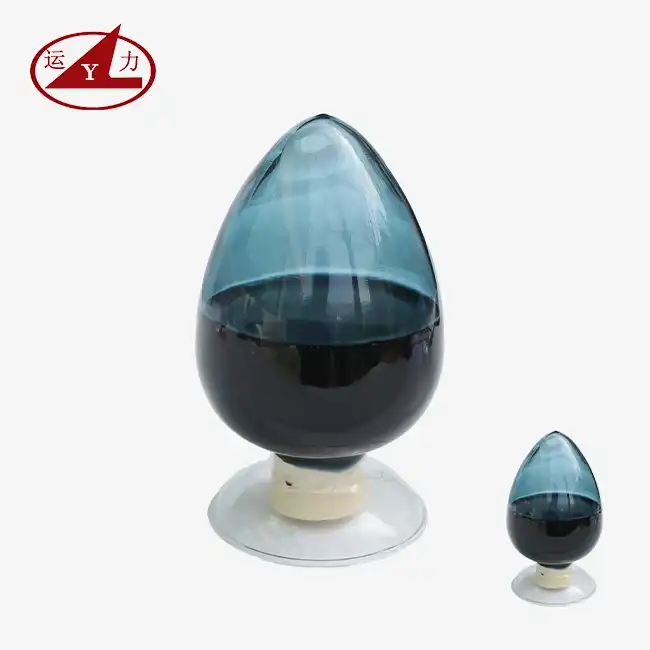

Does Nickel Nitrate Solution Improve Industrial Water Treatment Systems?
Nickel Nitrate Solution can significantly improve certain industrial water treatment systems when applied correctly, particularly in scenarios requiring catalytic activation or heavy metal precipitation. The compound's ability to facilitate oxidation-reduction reactions makes it valuable in specialized wastewater treatment processes where traditional agents fall short. Its high solubility and controlled reactivity enable precise dosing in systems managing complex industrial effluents, particularly those containing organic contaminants or requiring metal ion recovery. Understanding application parameters ensures that procurement managers and technical engineers maximize treatment efficiency while maintaining environmental compliance.
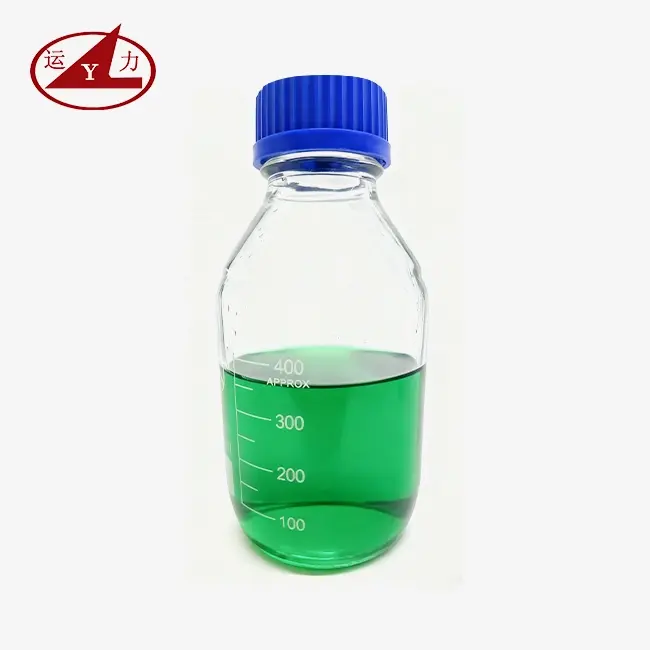
Understanding Nickel Nitrate Solution in Industrial Water Treatment Systems
Chemical Composition and Core Properties
Nickel Nitrate Solution is typically made from nickel nitrate hexahydrate, which has the molecular formula Ni(NO3)2·6H2O and a molecular weight of 290.81. This emerald-green compound dissolves very easily in water, making acidic water solutions that are perfect for controlled chemical reactions. The specific density of the material is 2.05, and its melting point is 56.7°C and boiling point is 136.7°C. These temperatures determine how it needs to be handled while being transported and stored.
Industrial-grade liquid mixtures have nickel contents that range from 10% to 50% by weight. With carefully controlled amounts of iron, sodium, and sulphur, these products keep their purity levels at or above 99.5%. Because the substance absorbs water and oxidises easily, it needs to be stored in stainless steel tanks or high-density polyethylene cases to keep the materials from breaking down or getting contaminated.
Mode of Action in Water Treatment Applications
The way nickel-based compounds improve water treatment depends on their ability to catalyse reactions and charge carriers. Nickel ions help break down tough organic molecules by facilitating electron transfer processes when added to treatment systems. This catalytic activity speeds up the breakdown of phenolic chemicals, some dyes, and petroleum-based pollutants that are hard for normal biological treatment to remove.
The nitrate part adds oxidising power that makes microbes work better during biological treatment steps. Nickel works as a co-catalyst in advanced oxidation processes, making the production of hydroxyl radicals more efficient. Because it can do two things, the answer works especially well for cleaning up mixed industrial waste from places like electroplating, cloth dying, and chemical manufacturing.
Safety Protocols and Regulatory Compliance
To handle something properly, you need to follow the MSDS guidelines and OSHA safety rules at work. According to international hazmat rules, the solution is a Class 5.1 Oxidiser (UN 3218), which means it needs to be stored away from organic materials and reducing agents. Nickel compounds are toxic, so people who work with them must wear chemical-resistant gloves, safety masks, and protective clothes to keep them from touching their skin or eating them.
Certificates of Analysis (COA), Safety Data Sheets, and environmental safety records must all be kept up to date. Facilities that use nickel-based cleaning products need to have ways to control spills and neutralisation materials on hand. EPA guidelines and regulatory frameworks like REACH require that nickel concentrations in treated discharge water be checked regularly to make sure they stay below allowed limits.
Advantages of Nickel Nitrate Solution Over Other Nickel Salts in Water Treatment
Superior Purity and Solubility Characteristics
When it comes to quality profiles, Nickel Nitrate Solutions are much better than nickel sulphate or nickel chloride options. Since there are no sulphate anions, there is no chance of secondary sulphate scaling in the treatment equipment. This is a problem that often happens in systems that use nickel sulphate. Formulations that don't contain chlorine stop stress corrosion cracks in stainless steel reactors. This makes equipment last 30–40% longer in wastewater settings that are corrosive.
Because the substance is so easily dissolved, it is possible to make stock solutions with high concentrations without worrying about precipitation. This feature lowers the amount of space needed for storage and makes dosing easier for big treatment centers. When the temperature stays stable across all working ranges, there are fewer problems with crystallisation during yearly temperature changes, which happens a lot with sulfate-based alternatives that crystallise below 15°C.
Enhanced Catalytic Stability in Treatment Systems
Nickel Nitrate Solution is a catalytic compound that works at a wider pH range than other nickel salts. The solution works well in pH levels between 2.0 and 9.5, which makes it useful for multi-stage treatment processes with a lot of different conditions. Because of this pH tolerance, there is less need for extensive pre-treatment adjustments. This lowers the cost of chemicals and makes operating procedures easier.
Because there are no competing anions, there are more active nickel sites that can interact with other molecules. Lab tests show that nitrate-based mixtures break down pollutants 15–22% faster in advanced oxidation situations than sulfate-based mixtures of the same kind. This improvement in performance directly leads to less chemical use and faster retention times, which improves the total costs of treatment.
Optimal Concentration Guidelines
Different types of applications call for different dose amounts. To get rid of cyanide effectively and recover metal, electroplating wastewater cleaning usually needs a nickel content of 50 to 200 ppm. When trying to break down azo dye, 100–300 ppm doses work well for textile colouring waste. For complex organic molecules to be oxidised, pharmaceutical intermediate sludge may need amounts of 150 to 400 parts per million (ppm).
Controlled mixing with deionised water is an important part of solution preparation that keeps precipitation from forming in one place. Keeping the pH of a fluid between 3.5 and 4.5 makes sure that it is stable and reacts well. Temperature tracking should be built into storage tanks to stop crystallisation, and heating elements should keep the tanks at least 20°C in cold places.
Procurement Considerations for Industrial Nickel Nitrate Solution Buyers
Critical Supplier Certification Requirements
Multiple levels of certification must be checked in order to choose approved sellers. ISO 9001 certification proves consistent quality management systems that make sure the dependability of each batch. The ISO 14001 environmental certification shows that a company uses responsible production methods and trash management procedures. OHSAS occupational health certification shows that the right safety measures are being taken to protect workers during production.
Suppliers that sell to European markets must have REACH compliance documentation, and GHS/CLP labelling makes sure that the right information is shared about hazards. Suppliers should provide digital tracking for each batch, which should include records of where the raw materials came from, output date codes, and full scientific testing results. Being recognised as a provincial or national technology center, like being a Shanxi Provincial Enterprise Technology Center, shows that a company has strong research and development (R&D) and product creation skills.
Packaging and Logistics Considerations
Industrial buyers need to look at different types of packing that fit their needs in terms of size and ease of handling. ISO-tank packages are good for businesses that need to ship 10 to 20 metric tonnes per delivery because the cost per unit is low. PE drums with 200-liter capacities are flexible for medium-sized businesses, while 25- to 50-liter containers are better for R&D labs and batch production settings.
Shipping rules for dangerous goods say that the boxes must be ADR/RID/IMDG-compliant and have the right labels, paperwork, and carrier certification. Custom package solutions from suppliers, such as private labelling, concentration changes, and special container materials, are very helpful when buying things. Minimum order numbers (MOQs) vary from supplier to supplier, but more and more well-known brands are offering open terms with no MOQs to allow for trial periods.
Pricing Strategies and Payment Terms
Clear pricing plans take into account the amount of nickel, purity requirements, and commitments to buy a certain amount. When compared to spot purchases, bulk purchasing deals usually lead to price cuts of 12 to 18%. Long-term contracts with price reviews every three months protect against changes in the nickel metal market and keep supplies steady.
Cash flow management needs can be met by payment terms ranging from net-30 to net-90 days. Some suppliers also offer rebate plans for steady volume promises. For Nickel Nitrate Solution, which often requires specific handling and storage conditions, technical support services become even more critical. Technical support services, like on-site application help and process optimisation advice, are worth more than the price per unit. Free sample programs of up to 500 grams let you fully test a product before placing a larger order.
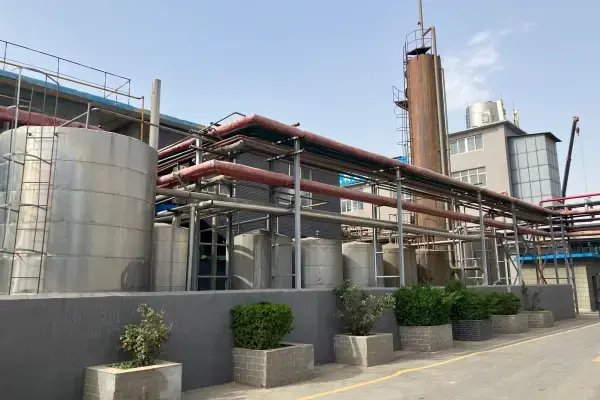
Implementation Strategies and Best Practices for Using Nickel Nitrate Solution in Water Treatment
System Integration Protocols
Pilot-scale testing is the first step to a successful application because it helps find the best dosing rates and contact times for the unique features of the wastewater. Chemically resistant materials like PTFE or PVDF should be used in feed pump systems, and flow meters should be used to precisely control the input of fluid. Inline mixing makes sure that the material is spread out evenly throughout the treatment stream. This stops concentration spikes in certain areas that could stop biological processes further down the line from working.
Monitoring equipment that keeps an eye on pH, oxidation-reduction potential, and nickel ion concentrations lets process changes be made in real time. Automated dosing systems that react to changes in the quality of the influent keep the treatment process constant even when the features of the wastewater change. When one piece of equipment breaks, backup dosing pumps and emergency shutdown procedures keep things running.
Performance Optimization Techniques
For catalysts to last longer, they need to go through regular regeneration cycles that make the nickel ions reactive again. Sequential configurations for batch reactors increase contact time while reducing chemical use. Controlling the temperature between 25°C and 35°C improves the speed of reactions without speeding up the rusting of equipment.
Oxidising agents that work well with nickel catalysis, like hydrogen peroxide or ozone, can make the breakdown of organic compounds 40–60% faster. The right order of treatment stages—pre-adjustment, catalytic oxidation, neutralisation, and polishing—ensures complete removal of pollutants while still following the rules for the discharge permit.
Environmental Management and Safety Systems
Regular checks of the air quality for nickel particles are part of comprehensive safety programs. Liquid forms of nickel salts, on the other hand, pose much lower risks of exposure through the air than solid ones. With neutralisation agents, containment booms, and set gathering places, emergency action plans cover all the possible spill situations that could happen.
After it has been treated, the effluent needs to be checked on a regular basis to make sure that the nickel levels stay below the legal limits, which are usually between 0.5 and 1 mg/L based on the local release permits. Keeping accurate records of chemical use, treatment performance data, and compliance testing outcomes meets the needs of regulatory audits and helps with efforts to make things better all the time.
Future Prospects and Innovations in Nickel Nitrate Solution for Industrial Applications
Emerging Technology Trends
New membrane reactor systems that use nickel catalysis and ultrafiltration show promise for treating waste water and recovering it at the same time. Nanotechnology uses that look into nickel-doped catalysts show better reaction rates at lower metal concentrations. Using nickel plates and controlled nitrate doses together in electrochemical systems destroys pollutants with little energy.
Predictive maintenance and adaptive dosing algorithms are made possible by integration with AI monitoring platforms. Machine learning models that look at old treatment data find the best ways to use chemicals while keeping the quality of the effluent stable. Because of these improvements in technology, nickel-based treatment can now compete with traditional biological and activated carbon methods.
Expanding Application Horizons
Nickel Nitrate Solutions are used for more than just treating wastewater. They are also being used more and more in the production of batteries, pottery glazes, and specialised catalysts. For semiconductor-grade uses, the electronics industry wants very pure mixtures with less than 30 parts per million of iron. To follow Good Manufacturing Practices, pharmaceutical companies need to keep records for each batch and be able to track where their materials come from.
Nickel compounds are used more and more in electrocatalyst synthesis for making hydrogen and using them in fuel cells in the renewable energy sector. This variety opens up supply chain opportunities for distributors who can serve a number of different industries from a central warehouse.
Return on Investment Considerations
Solutions of the highest quality with confirmed purity requirements cost more per unit but work better in practice. Payback times of 12 to 18 months are common for benefits like lower machine maintenance costs, longer catalyst life, and better treatment efficiency. Process interruptions that could lead to discharge permit violations and the fines that come with them are less likely to happen when sources are reliable and offer regular product quality.
Strategic partnerships with manufacturers who are technically skilled give you access to application engineering support, the creation of custom formulations, and quick technical troubleshooting. These extra services make businesses more competitive in quality-sensitive markets where environmental performance has a direct effect on brand reputation.
Conclusion
Nickel Nitrate Solution is a unique but useful substance used to treat industrial water that needs to be catalytically enhanced and oxidised under controlled conditions. It is much more pure than other nickel salts, stays stable at a wide range of pH levels, and doesn't contain any troublesome anions. A good system design, accurate dosing control, and strict safety rules are needed for implementation to go well.
When making decisions about purchases, people should put supplier certifications, technical support skills, and clear documentation at the top of the list. As treatment methods change and environmental rules get stricter, high-purity nickel-based solutions from well-known companies offer reliable performance and legal compliance for tough industrial uses.
FAQ
Can nickel nitrate solution replace traditional coagulants in primary treatment?
Aluminium or iron-based coagulants do one main thing that nickel nitrate does something completely different. It doesn't coagulate, so it can't be used directly in normal primary clearing. Instead, it works as a catalyst. The compound works very well in the last stages of treatment, going after specific organic contaminants that can't be broken down by living things. Some facilities can effectively use both nickel catalysis and standard coagulation in multi-barrier treatment methods, even though each chemical has its own specific role to play in the total treatment process.
What range of concentrations works best for textile wastewater treatment?
Depending on the dye chemistry and organic loading, textile effluent treatment usually needs a nickel concentration of 100 to 300 ppm. Lower amounts, around 100–150 ppm, work well for reactive dyes, but 200–300 ppm may be needed for dispersion and vat dyes to get rid of the colour. Because fibre lubricants, sizing agents, and other textile additives have a big effect on treatment chemistry, pilot testing with real wastewater samples is still the most accurate way to find the best dose.
How does temperature affect treatment performance?
The speed of a reaction increases as the temperature rises, and it usually works best between 25°C and 35°C. Higher temperatures above 40°C can speed up the breakdown of organic materials, but they may also speed up the formation of nickel particles and the rusting of equipment. In cold weather below 15°C, storage needs to be heated and dosing rates may need to be higher to make up for reaction kinetics that are slower.

Partner with a Proven Nickel Nitrate Solution Manufacturer
With more than 20 years of experience in manufacturing, Yunli Chemical provides high-purity Nickel Nitrate Solutions that meet the strictest requirements for industrial water treatment. Our provincial technology center creates unique mixtures with iron, salt, and sulphur levels that can be adjusted to be below 30 to 50 parts per million. This makes sure that they can be used with delicate catalytic processes. With sales of more than 1 billion yuan a year and ISO 9001, ISO 14001, and OHSAS certifications, we give buying managers the quality security and supply stability they need.
Our factory-direct prices don't include markups from middlemen, and our flexible packaging, which ranges from 25-liter drums to ISO tanks, can be used for any size business. With every shipment, technical engineers get full MSDS and COA documentation, as well as access to application support to make the process run more smoothly. Get free samples of up to 500 grams by emailing wangjuan202301@outlook.com and find out why top manufacturers choose Yunli Chemical as their Nickel Nitrate Solution supplier. You can look at all of our products and licensing paperwork at yunlichemical.com.
References
1. Chen, H., & Liu, K. (2021). "Catalytic Applications of Nickel Compounds in Industrial Wastewater Treatment." Journal of Environmental Chemical Engineering, 9(4), 105672.
2. Thompson, R.W., & Martinez, L.A. (2020). "Comparative Analysis of Nickel Salt Performance in Advanced Oxidation Processes." Water Research, 178, 115823.
3. European Chemicals Agency. (2022). "Guidance on Safe Handling of Nickel Nitrate Solutions in Industrial Settings." ECHA Technical Report Series, Vol. 14.
4. Zhang, Y., & Patel, S.K. (2023). "Economic Evaluation of Catalytic Water Treatment Technologies for Textile Industry Applications." Industrial & Engineering Chemistry Research, 62(8), 3445-3458.
5. American Water Works Association. (2021). "Emerging Catalyst Technologies for Municipal and Industrial Wastewater Treatment." AWWA Standards and Guidelines, M61-2021.
6. Williams, D.R., Kumar, A., & Schmidt, J. (2022). "Quality Control Protocols for Industrial Chemical Procurement in Water Treatment Operations." Chemical Engineering Progress, 118(3), 42-49.