


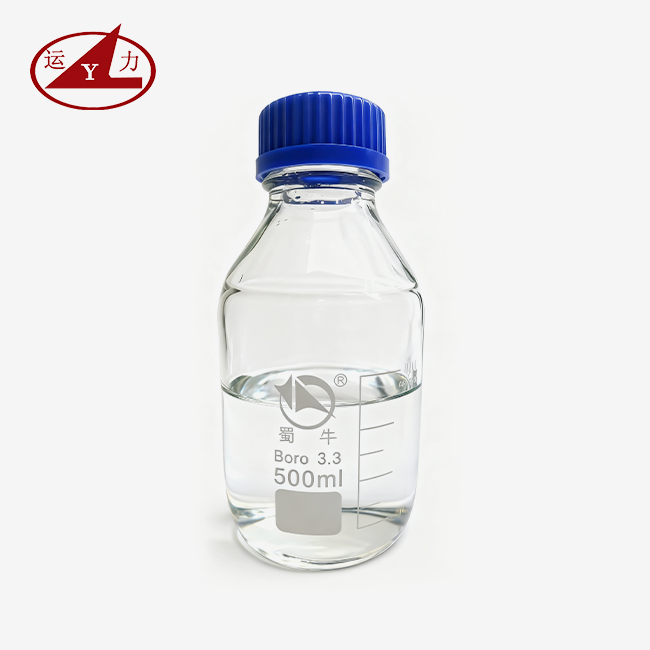
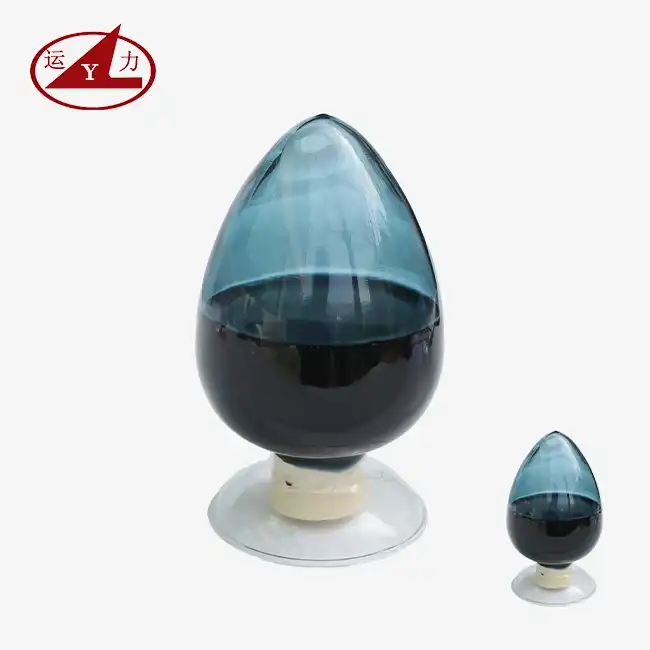
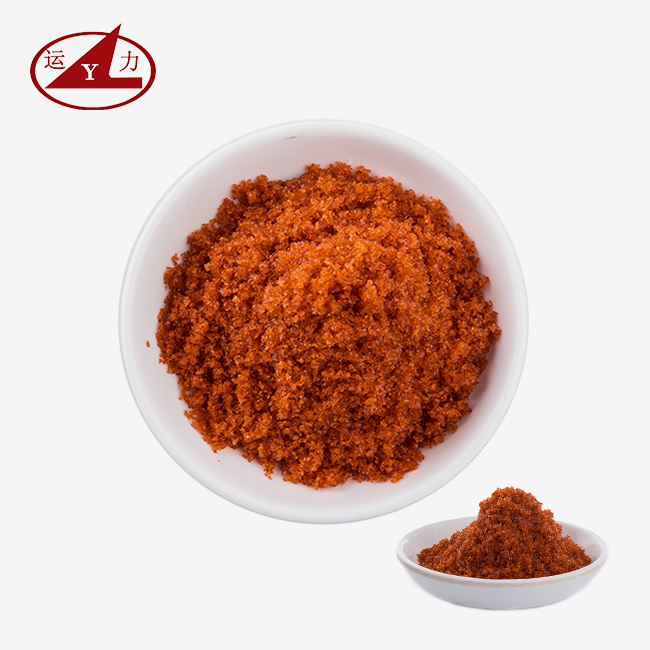
Does nickel react with copper nitrate solution?
Nickel and Copper Nitrate Solution do mix with each other. Due to the difference in electrochemical potential between the two metals, when metallic nickel is added to a liquid Copper Nitrate Solution, a spontaneous displacement reaction happens. Because nickel is more reactive than copper, it pushes copper ions out of the solution. This makes nickel nitrate and deposits copper on the nickel surface. This redox reaction happens a lot in the electroplating, catalyst manufacturing, and surface treatment industries. It is important to understand this chemical behavior when choosing materials for process tools and coming up with industrial uses.
Understanding Copper Nitrate Solution and Its Properties
Chemical Composition and Core Characteristics
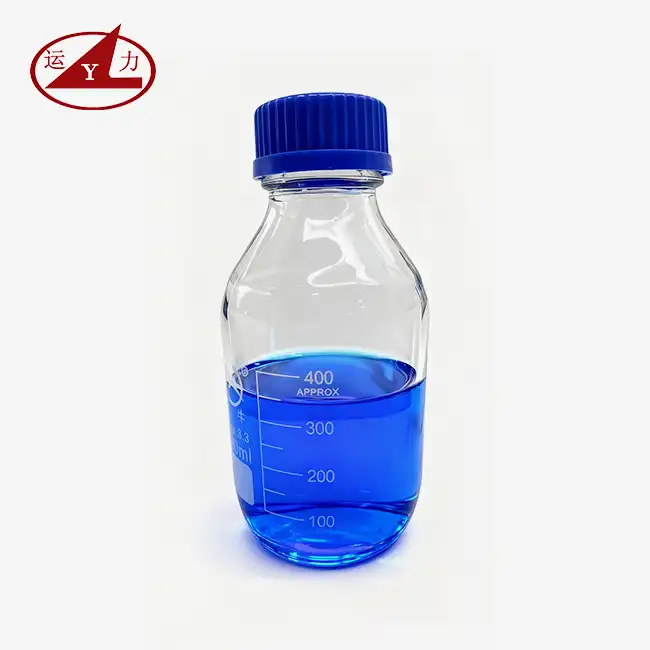
Copper Nitrate Solution is an important chemical used in industry. It is made from copper nitrate trihydrate (CAS# 10031-43-3) and has the formula Cu(NO3)2·3H2O and a molecular weight of 241.6 g/mol. The solid trihydrate looks like dark blue columnar crystals that can easily take in water from the air. It is widely used in many industrial fields because it dissolves in water or ethanol to make a deep blue acidic solution.
The combination has a specific density of 2.05 and melts at 114.5°C. When raised to 170°C, it breaks down. This material's heat sensitivity is especially important for businesses that work with hot materials. The water solution is very acidic (pH below 3.0), which makes it a strong oxidizing agent. It can start a fire or an explosion when it comes into contact with flammable materials under conditions of heat, pressure, or impact. When it burns, nitrogen oxide fumes are released, which are poisonous and very unpleasant.
Industrial Applications Across Multiple Sectors
Copper Nitrate Solution is used for many different things, such as making catalysts, soldering, making farming formulas, and making specialty chemicals. It is used to make catalysts and as an impregnation agent for car catalytic converters. The precise spread of copper ions on alumina or silica supports improves the efficiency of NOx conversion. The liquid form makes sure that it gets deep into the support holes, which is important for making uniform active sites for petrochemical hydrogenation processes.
Copper Nitrate Solutions is used by the electroplating and surface treatment businesses to make copper coatings on electronic and car parts that are free of flaws. As a replenisher in soldering baths, the solution keeps the concentration of copper ions steady without adding insoluble particles that lower conductivity. In farming, it makes copper micronutrients easy to get for water-soluble fertilizers, which helps with copper shortage in alkaline soils. As an oxidizing agent, it is used to make pharmaceutical intermediates and photosensitive resistance materials, both of which need to have controlled oxidation processes.
Reactivity of Nickel with Copper Nitrate Solution
Understanding the Displacement Reaction Mechanism
Nickel and Copper Nitrate Solution combine in a way that is consistent with basic electrochemistry rules. Copper has a standard potential of +0.34V, while nickel has a standard potential of -0.25V. This 0.59V difference sets off the spontaneous redox process that makes copper ions gain electrons and nickel atoms lose electrons. This is shown in the chemistry equation as:
Ni(s) + Cu(NO3)2(aq) → Ni(NO3)2(aq) + Cu(s)
The nickel surface slowly dissolves into the fluid as nickel nitrate, and a reddish-brown layer of copper metal forms on top. Rate of reaction relies on how concentrated the fluid is, how hot it is, and how much surface area it has access to. When normal industrial-grade solutions with 13–16% copper content are used at room temperature, noticeable copper deposition usually starts within minutes.
Practical Implications for Industrial Processes
This responsiveness has big effects on choosing the right tools and designing the process. Copper Nitrate Solution storage tanks, pumps, and pipe systems must stay away from metals that contain nickel. SS304 and SS316 types of stainless steel, which contain nickel, rust when they are exposed to acidic Copper Nitrate Solutions for a long time. Low pH (usually less than 1.0) and oxidizing copper ions work together to speed up the removal of nickel from the metal matrix.
Electroplating plants that work with both nickel and copper layers have to carefully plan their order of operations to keep them from getting contaminated. If nickel-plated parts touch Copper Nitrate Solution by mistake, the nickel layer dissolves, leaving surface flaws and adding nickel ions to the copper solution. Also, companies that make catalysts and use nickel-based reactor vessels to handle Copper Nitrate Solution risk having their equipment break down if they don't use the right materials, such as HDPE, cross-linked polyethylene, or containers lined with glass.
Comparing Copper Nitrate Solution with Other Copper Salts for Metal Reactions
Performance Analysis Against Alternative Copper Compounds
To choose between Copper Nitrate Solution and other copper salts, you need to know how they combine with different substances. Copper sulfate (CuSO4) is the most common option. It is used a lot in electroplating because it is cheaper and reacts with base metals more slowly. Sulfate ions, on the other hand, can make it hard for some formulas to precipitate and can poison catalysts in petroleum processing applications. Copper nitrate is better for high-purity catalyst production because it has cleaner reaction patterns and doesn't contain sulfate.
Copper chloride (CuCl2) is another choice, especially when it comes to etching printed circuit boards. The chloride method makes copper form more quickly, but it also pollutes the catalyst active sites with chloride, which damages them and leads to pitting corrosion in electroplated surfaces. The low chloride level (<50ppm) of quality Copper Nitrate Solutions takes away these worries, which is why they are more expensive for sensitive uses.
Copper acetate has a mild reactivity that makes it good for organic synthesis, but it doesn't have the reducing strength that some industrial processes need. Due to its higher cost and restricted solubility, it is not widely used in industry. Copper Nitrate Solution fills in the blanks by having strong oxidizing properties, great solubility, and the ability to work with closed-loop manufacturing systems that need exact doses.
Application-Specific Selection Criteria
The decision grid for choosing a copper salt takes into account more than just how it reacts. Catalyst makers focus on impurity profiles, and iron and sodium pollution below 30ppm keeps the active site from getting blocked. To keep the thickness of the coating regular, electroplating processes need a stable pH and a steady supply of copper ions. Agricultural formulators want compounds that stay soluble even when the pH level of the soil changes. Copper Nitrate Solution's total water miscibility is a good property for this.
The total cost of ownership is another cost that needs to be thought about along with the unit price. Copper Nitrate Solution in liquid form removes the need for dissolution tools, cuts down on the work needed to handle hygroscopic solids, and limits exposure to dangerous dust. These operating efficiencies often make up for higher raw material prices, especially for plants that process a lot of tons every month.
Handling, Storage, and Safety Guidelines for Copper Nitrate Solution
Storage Protocols to Maintain Chemical Integrity
Crystallization, pollution, and container decay can be avoided by storing things in the right way. Temperatures above 15°C are needed for Copper Nitrate Solution because lower temperatures cause salt to form in concentrated solutions. Crystallization doesn't change the chemicals, but materials need to be gently heated and mixed before they can be used. To make sure that products always work well, storage spaces should keep the temperature between 15°C and 25°C.
Because the solution is acidic and polluting, the container you choose is very important. Standard stainless steel tanks rust, letting out iron and chromium ions that make the solution dirty. High-density polyethylene (HDPE), cross-linked polyethylene, polypropylene, or glass-lined tanks are all good choices for materials. These materials don't dissolve in acid and stop metal from dissolving in unwanted ways. Keeping things in sealed containers stops water from evaporating, which raises the quantity and speeds up the hardening process.
Safety Measures and Environmental Compliance
Personal safety equipment that must be worn when working with concentrated solutions includes gloves that can withstand acid, splash masks, and protective aprons. Solid crystals make dangerous dust, but the liquid form doesn't pose any inhalation risks but does need strong spill control procedures. Spills of liquid move quickly across surfaces, so containing dikes and neutralize agents like soda ash or lime need to be used right away.
Transportation is regulated by rules for dangerous chemicals, which are usually put into the UN 3141 category (Oxidizing Liquid, Corrosive). Labels for Class 5.1 (Oxidizer) and Class 8 (Corrosive) are needed for shipments, along with special chemical shipping paperwork. Legal cross-border movement is made possible by following REACH, RoHS, and area environmental standards. At Yunli Chemical, we take care of all the export paperwork and include Material Safety Data Sheets (MSDS) and Certificates of Analysis (COA) with every package. This makes it easier for foreign customers to buy from us.
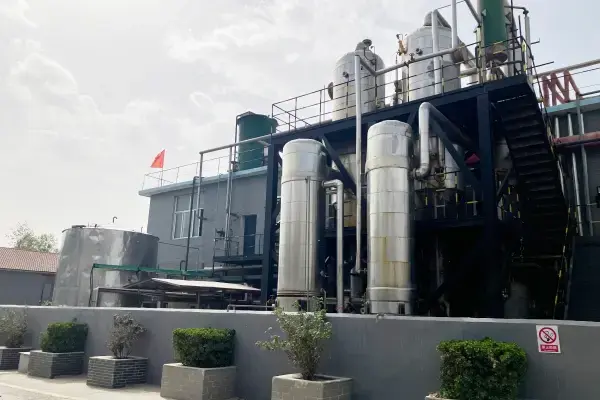
Our combined environmental management system takes care of a lot of things related to garbage and exhaust fumes. Nitrate-containing rainwater is recycled and turned back into sodium nitrate that can be used again. NOx gas fumes from production are taken in and changed into sodium nitrite, so there is no release into the atmosphere. Because we've been doing this for 20 years and gotten better at it, we can help clients who have to follow strict environmental rules without making them buy expensive treatment equipment.
Procurement Insights: How to Source High-Quality Copper Nitrate Solution?
Evaluating Quality Metrics and Supplier Capabilities
When looking for Copper Nitrate Solutions, procurement teams have to look at a number of quality factors. The type of application determines the purity grade. Standard industrial grades have 10–50ppm of impurities, which are fine for general electroplating and farming. For electronic uses, pollution amounts must be less than ppm, especially for iron, sodium, chloride, and sulfate. By asking for detailed Certificates of Analysis (COA), you can directly compare providers and make sure they meet process standards.
For practical effectiveness, solution concentration flexibility is important. If a supplier lets you choose the copper amount between 10 and 60%, you don't have to dilute or change the percentage on-site. Formulations with pH levels that can be changed (1.5 to 3.0) work better with current process systems. Adding additives, like brighteners for electroplating or EDTA for farming formulas, makes buying easier by bringing together sellers in one place.
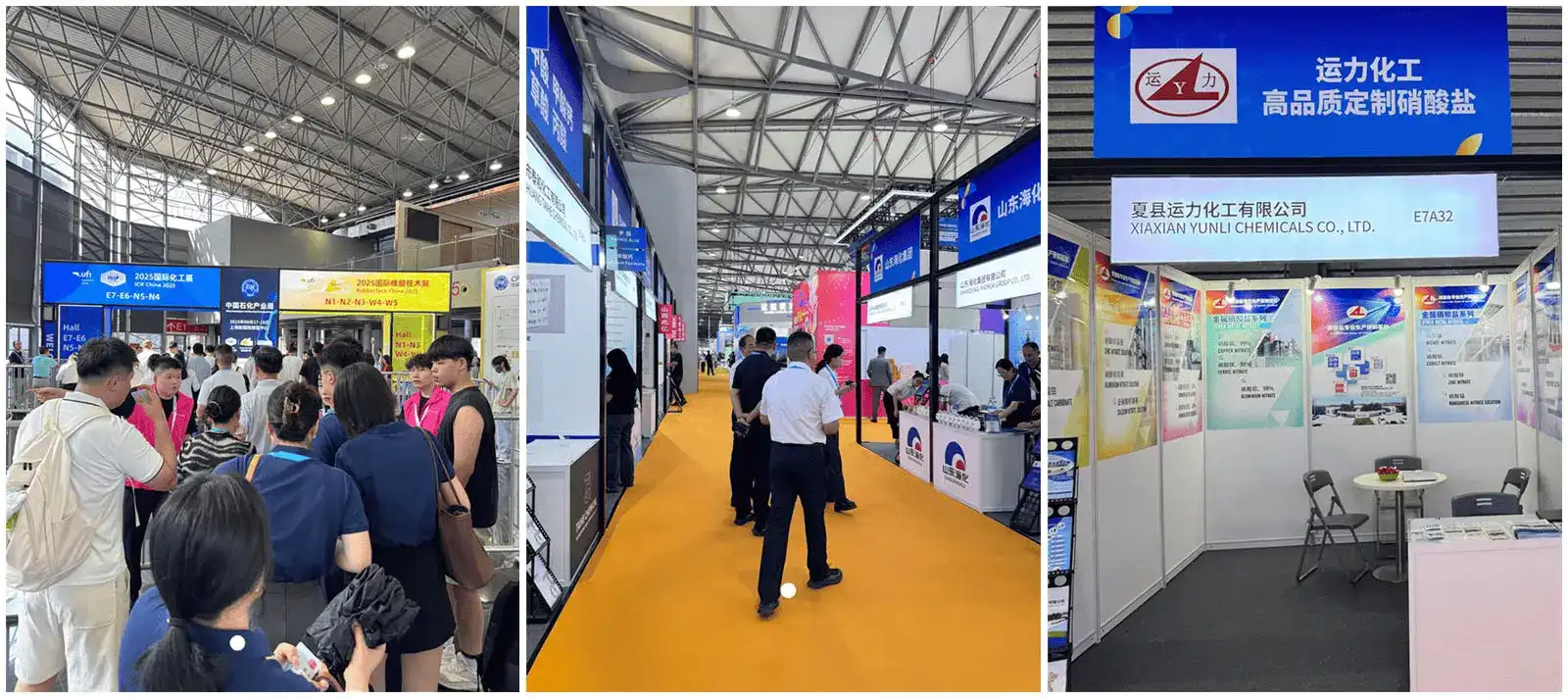
Verification of certification ensures that factory standards are always met. Strong process controls are shown by ISO 9001 Quality Management, ISO 14001 Environmental Management, and OHSAS Occupational Health standards. Yunli Chemical has been recognized as a provincial or national technology center since 2019. This shows that they have advanced research and development skills for making custom formulas. Suppliers who have their own analysis labs with ICP-MS and atomic absorption spectrometers can quickly check that products meet standards and fix quality problems.
Logistical Considerations and Pricing Dynamics
The unit price is only one part of the total cost of acquisition. Freight costs for liquid chemicals are based on their water weight, which makes regional buying more cost-effective when freight is a big part of the cost. However, the higher shipped costs are often worth it because the liquid form saves money on operations by getting rid of dissolve tanks, heating energy, and dust control systems. Minimum order numbers (MOQ) affect the cost of keeping inventory on hand. Suppliers who offer low or no MOQ and sample quantities as small as 20 liters make it easier for new uses to be tried.
Working capital needs are affected by payment terms and volume refund arrangements. Established sellers with strong finances, like those with yearly sales of more than RMB 1 billion, usually offer flexible payment terms that work with customers' cash flow cycles. Long-term supply deals with fixed prices protect against changes in the prices of raw materials and make sure that supplies are distributed when the market is tight.
Making sure deliveries happen on time keeps work going. Suppliers who also make their own goods escape the delays that come from middlemen and keep extra stock on hand to speed up delivery. Yunli Chemical's self-operated export powers get rid of the contact delays and customs problems that come with using a third-party trading company. Our factory-direct model, which is backed by RMB 300 million in fixed assets and 20 years of experience, gives big industrial users the supply security they need.
Conclusion
Copper Nitrate Solution and nickel combine in a way that is important to understand in many fields, from electroplating to making catalysts. To keep the process equipment from getting contaminated or causing a safety issue, the spontaneous displacement reaction needs careful material choice and careful handling. Copper nitrate is more pure, completely soluble, and has better reaction profiles than other copper salts, which makes it a good choice for demanding uses. Safe and effective operations are guaranteed by storing toxic materials properly in the right places, following safety rules, and following the laws about dangerous materials. Focusing on seller certifications, analytical skills, and logistical dependability during strategic procurement builds relationships that support long-term organizational success.
FAQ
Can nickel-containing stainless steel tanks be used to store copper nitrate solution?
Is it possible to store Copper Nitrate Solution in stainless steel tanks that contain nickel? Copper Nitrate Solution shouldn't be stored in metals that contain nickel, such as SS304 and SS316. Because the atmosphere is acidic (pH <1.0) and copper ions are strong oxidizers, nickel slowly wears away from the metal matrix. This weakens the tank and adds nickel ions to the fluid, making it less effective. HDPE, cross-linked polyethylene, or glass-lined containers that are resistant to acid attack and rust are all good choices for keeping.
How does temperature affect the stability of copper nitrate solution?
What effect does temperature have on how stable Copper Nitrate Solution is? Copper nitrate from concentrated liquids can crystallize at temperatures below 15°C when it is stored. Crystallization doesn't change the chemical make-up, but the salts that have formed must be gently warmed and stirred before they can be used. Keeping the storage between 15°C and 25°C stops this problem. In normal storing settings, higher temperatures don't lead to decomposition. However, heating above 170°C during handling does lead to degradation and the release of nitrogen oxide gas.
What impurity levels are acceptable for catalyst manufacturing applications?
How many impurities are okay for using in catalyst manufacturing? To make catalysts, strict impurity control is needed, especially for iron, sodium, chloride, and sulfate ions. To keep catalysts from getting poisoned and active sites from getting blocked, iron and sodium levels should stay below 30ppm. It is important that chloride and sulfate levels stay below 50ppm so that catalyst supports don't corrode or deposit. For electronic-grade uses, pollution amounts below ppm may be needed. Making sellers provide full COA paperwork helps make sure that these important standards are met.
Partner with Yunli Chemical for Reliable Copper Nitrate Solution Supply
At Yunli Chemical, we know that buying choices aren't just based on price. They also take into account things like quality control, supply reliability, and expert support. We are a well-known Copper Nitrate Solution source with more than 20 years of experience in the business. We work with demanding industries like specialty agriculture, catalyst synthesis, and car electroplating. Our ISO 9001, ISO 14001, and OHSAS certifications show that we have strict quality control systems that make sure that every batch of our products meets the same standards.
We can customize amounts between 10 and 60% copper, make formulas with iron and sodium levels below 30ppm, and let you order as little as 20 liters for testing purposes. Our factory-direct export model cuts out delays caused by middlemen, and our province technology centers allow for quick changes to formulations. Environmental compliance is a big part of what we do. For example, closed-loop wastewater treatment and zero NOx pollution can help you reach your sustainability goals.
You can email our technical team at wangjuan202301@outlook.com to talk about your unique needs, ask for product samples, or set up a facility check. You can learn how our Copper Nitrate Solution maker services can help you improve your production processes and lower supply chain risks. We give you more than chemicals; we give you a reliable relationship that helps your business grow in the long run.

References
1. Smith, J.R., & Anderson, K.L. (2019). Electrochemical Principles of Metal Displacement Reactions in Industrial Aqueous Systems. Journal of Applied Electrochemistry, 49(6), 587-602.
2. Chen, W., & Thompson, M.E. (2020). Copper Salt Selection Criteria for Heterogeneous Catalyst Synthesis. Catalysis Today, 358, 245-259.
3. Rodriguez, P., Martinez, F., & Lee, H. (2018). Corrosion Mechanisms of Stainless Steel Alloys in Acidic Oxidizing Environments. Corrosion Science, 134, 112-125.
4. National Institute for Occupational Safety and Health. (2021). Handling and Storage Guidelines for Inorganic Nitrate Solutions. NIOSH Publication No. 2021-142.
5. Williams, D.A., & Kumar, S. (2022). Comparative Analysis of Copper Compounds in Electroplating Applications: Performance and Environmental Considerations. Surface and Coatings Technology, 428, 127891.
6. International Maritime Organization. (2020). Transport of Dangerous Goods: Classification and Packaging Requirements for Oxidizing Corrosive Liquids. IMO Dangerous Goods Code, Amendment 40-20.