


Why is ferric nitrate added to the aspirin solution?
Ferric Nitrate is an important part of the process of analyzing and checking the quality of aspirin. Its main job is to find flaws in salicylic acid by using a unique colorimetric reaction. Aspirin solutions that have small amounts of salicylate ions in them, either because they are breaking down or because the manufacturing process isn't finished, react with Fe(NO₃)₃·9H₂O and create a violet-colored iron(III) salicylate complex. This response is a sensitive quality sign that procurement managers and technical engineers use to check the quality of different batches of pharmaceutical-grade aspirin. Knowing how this inorganic substance reacts with the chemistry of aspirin makes it easier to choose a supplier, check the quality of a product, and make sure that the process is the same everywhere that drugs are made and chemicals are distributed.
Understanding Ferric Nitrate and Its Properties
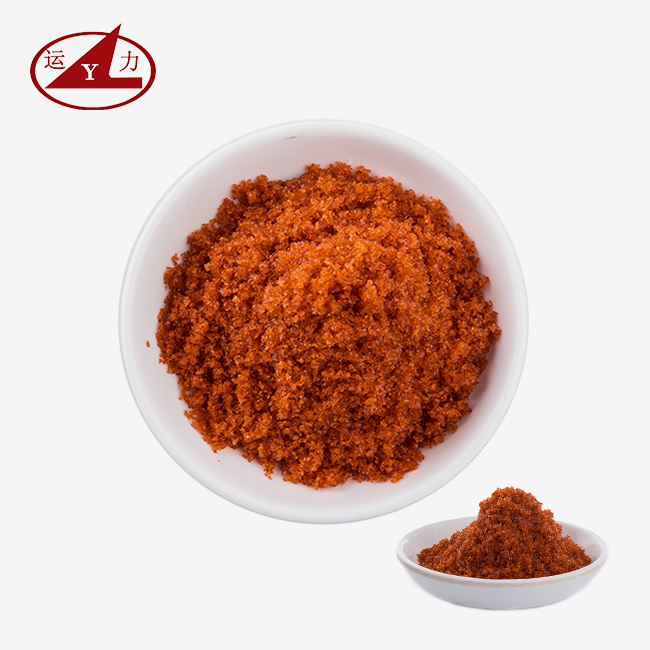
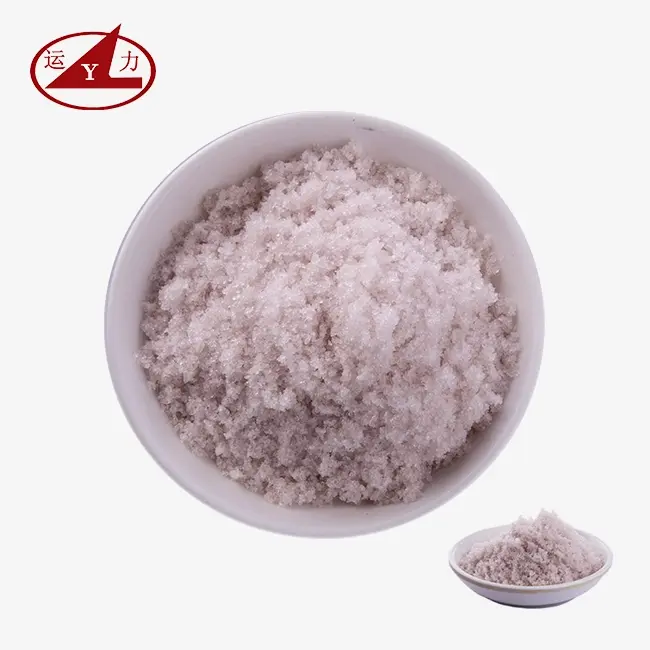
With a molecular weight of 404.01 g/mol and a molecular formula of Fe(NO₃)₃·9H₂O, Ferric Nitrate Nonahydrate (CAS 7782-61-8) is a purple solid powder. The substance dissolves very easily in water, ethanol, and acetone. At room temperature, it dissolves fully in minutes, making clear solutions that are perfect for analytical processes. It has a specific mass of 1.68 and melts at 47.2°C. However, it starts to break down at 125°C, releasing nitrogen fumes.
Chemical Reactivity Profile
The substance works as a Class 5.1 oxidizing agent and can strongly take electrons. This ability to oxidize is useful in controlled laboratory settings, but it needs to be handled carefully when it is kept near organic solvents or reducing agents. The substance is deliquescent, which means it easily absorbs moisture from the air. Because of this, it needs to be stored and shipped in sealed containers to keep the accuracy of the analysis.
Industrial Versatility Beyond Pharmaceuticals
Aspirin testing is one specific use of this iron salt, but it is also useful for making catalysts for petrochemical processes, getting mordants ready for dying fabrics, and treating metal surfaces to make them smoother. Its high purity and reliable reactivity are used in chemical synthesis labs to make iron-based nanomaterials and custom coatings. Because it doesn't leave behind many bromide or sulfate ions when heated, it's better than ferric chloride for uses that need iron sources that are free of pollution.
Why Ferric Nitrate Is Added to Aspirin Solution: Mechanism and Benefits
The Salicylate Detection Mechanism
Acetylsalicylic acid can break down into salicylic acid and acetic acid while aspirin is being made or stored, especially when it is wet or hot. When Ferric Nitrate comes into touch with solutions that have even very small amounts of salicylate ions, iron(III) ions link to the hydroxyl and carboxyl groups of salicylic acid. This makes a very bright purple-violet complex that can be seen with the human eye at amounts as low as 0.01%. Its maximum absorbance is near 540 nm.
Because of how sensitive the reaction is, quality control labs can quickly test batches without having to buy expensive equipment. A quick eye check against standard color charts can show which lots are worrisome and need more research. Spectrophotometric counting gives accurate salicylate concentration readings between 0.005% and 0.5%, which is the range of impurities usually listed in drug literature.
Quality Assurance Advantages
This colorimetric test has a number of practical perks for drug companies. As little as soaking crushed pills in ethanol or water is needed to prepare a sample for testing, and the results can be seen in two to five minutes. Unlike chromatographic methods, which need special tools and trained experts, the Ferric Nitrate test can be done by people working on the production floor while the product is still being made.
The test is reliable because Ferric Nitrate stays chemically stable when kept properly. High-purity grades (≥98%) from approved makers give uniform reactivity across runs, which gets rid of the problems that come up with less stable reagents that give different results. When the reagent is of pharmaceutical diagnostic grade and has a chloride content of less than 100 ppm and a heavy metal content of less than 30 ppm, it doesn't cause much trouble in subsequent confirmation tests.
Preservation Properties in Formulation
In addition to being used for analysis, Ferric Nitrate helps kill microbes in some liquid medicinal products. Because it oxidizes, it makes it hard for bacteria to grow without the safety worries that come with heavy metal stabilizers like mercuric compounds. In order to increase shelf life, some aspirin solution formulas include trace amounts of Ferric Nitrate (0.001–0.005%). This is especially true in tropical markets where cooling is less reliable.
Comparing Ferric Nitrate with Other Nitrates and Salts in Aspirin Solutions
Ferric Chloride: The Common Alternative
Some laboratories use ferric chloride (FeCl3) instead of Ferric Nitrate because it makes a violet complex with salicylates that is similar. Chloride ions, on the other hand, cause big problems. When chloride-containing solutions are put on stainless steel tanks that are often used in the pharmacy industry, they rust more quickly. This is especially true when the pH level is acidic, like when aspirin is being analyzed. Over its useful life, ferric chloride is less cost-effective because it costs a lot to replace equipment and can pollute the environment with rust leftovers.
Also, leftover chloride can make it hard to use some methods used later in the analysis process. Some electrochemical detection methods, like ion chromatography, give off false signs when chloride ions are present. This makes it harder to test for multiple substances at once. When heated or acidified, the anion of Ferric Nitrate breaks down completely into gaseous products, leaving behind no unwanted byproducts.
Ferrous Salts: Insufficient Oxidation State
It is not possible for ferrous nitrate or ferrous sulfate to fully form a salicylate complex because they are not strong enough at reacting. When compared to Fe³⁺, the Fe²⁺ ion has weaker coordination bonds with aromatic molecules. This means that colors are pale yellow instead of the characteristic violet color. Because the sensitivity of detection drops by about 80%, ferrous salts can't be used for the minor impurity analysis that is needed by pharmacopoeial standards.
Aluminum and Copper Salts: Cross-Reactivity Issues
Other metal ions, such as aluminum nitrate or copper sulfate, can mix with salicylates to make colors, but they are not very specific. Aluminum complexes give off colors that range from pale yellow to red, based on the pH and other parts of the solution. This makes the data unclear. Copper ions respond with many pharmaceutical ingredients besides salicylates, creating fake results that make the test less reliable.
Because Ferric Nitrate only reacts with phenolic substances that have carboxyl groups that are orthogonally positioned, which is exactly how salicylic acid is built, it provides more accurate results in analyses. This chemical precision cuts down on both false negatives (missed contamination) and false positives (unnecessary batch rejects), which has a direct effect on how well products are made and how often they meet regulatory requirements.
Procurement Considerations for Ferric Nitrate in Pharmaceutical Applications
Purity Grades and Specifications
For quality control purposes in pharmaceuticals, diagnostic lab grade Ferric Nitrate that is at least 98% pure is needed. Important particle requirements include iron levels below 30 ppm (as solid iron), chloride levels below 100 ppm, sodium levels below 100 ppm, and heavy metals like lead, mercury, and cadmium levels below 5 ppm. These limits keep interference from happening in sensitive analysis equipment that is used for confirmation tests.
For making catalysts and using electronic materials, even stricter requirements may be needed, like ultra-high pure grades that reach 99.9% with imperfections in the single digit ppm range. Procurement teams should choose grades based on what they will be used for. This way, extra costs are avoided and the products are fit for purpose.
Packaging and Storage Requirements
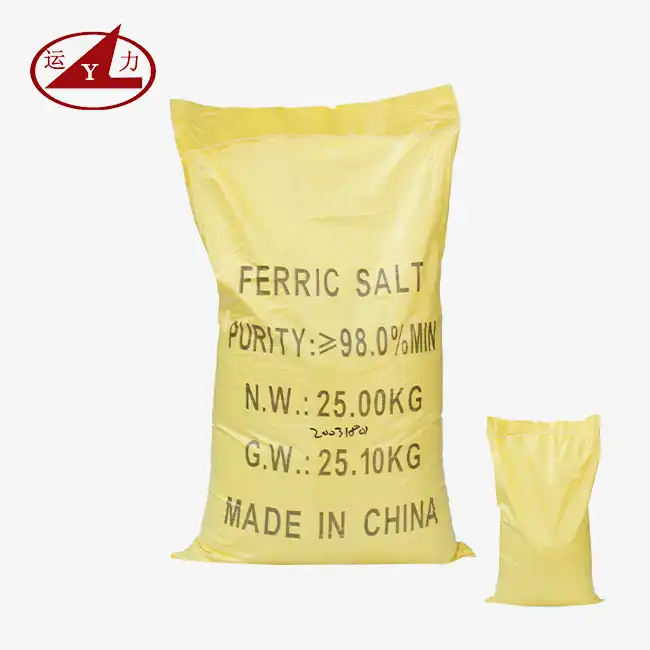
Because the substance melts easily, it needs special packing. Standard items include 25 kg polyethylene bags with metal foil layers that have been heat sealed, 500 kg fiber drums with multiple inner barriers, and ISO tank containers for large amounts greater than 10 metric tons. Smaller amounts for laboratories come in amber glass bottles with PTFE-lined caps to keep out moisture and light, which can break down the chemicals.
To keep things from melting too quickly, storage sites must keep the temperature below 25°C and the relative humidity below 50%. Once the cases are opened, the contents should be moved to desiccator cabinets so that they can be used every day. The working quantities should not be more than what is needed for one week. Guarantees of shelf life should be written into procurement agreements. Usually, empty packages kept properly for 24 months is the maximum shelf life.
Supplier Qualification Criteria
Verification of seller certification is the first step in building trusting sourcing relationships. The ISO 9001 quality management certification shows that production is controlled in a planned way, and the ISO 14001 environmental certification shows that industrial methods are environmentally friendly. In addition, pharmaceutical providers should give GMP facility paperwork and regulatory filing support materials, such as Certificates of Analysis (CoA), Material Safety Data Sheets (MSDS), and Drug Master Files (DMF), if needed.
Another important rating factor is production ability. Suppliers whose yearly output is more than 5,000 metric tons usually keep a spare stock and backup production lines to lower the risk of supply disruptions. Companies that have been around since at least 2005 have been through many governmental changes and economic cycles. This shows that they are resilient as a business, which is something that procurement workers who manage long-term supply chains value.
Total Cost Analysis
While unit price gets the most attention right away, a full cost analysis looks at a lot of different factors. With Yunli Chemical's factory-direct approach, there are no distributor fees. This means that the cost per kilogram is 15–25% less than with multi-tier supply chains. Customized packing choices, such as pre-dissolved liquid solutions at certain concentrations, get rid of the need for preparation work to be done in-house and lower the safety risks of handling, which more than makes up for the slightly higher costs of materials.
Free sample programs of up to 500 grams let you test the process before making large purchases. This keeps you from having to pay a lot of money to redo the recipe if the material doesn't work the way you thought it would. There are no minimum order quantities (MOQs) needed for pilot projects or yearly changes in demand, so there are no extra costs for keeping supplies on hand.
Safety, Environmental Impact, and Regulatory Compliance
Occupational Health Protocols
Chemical-resistant gloves (nitrile or neoprene), safety masks with side covers, and lab coats are necessary when handling Ferric Nitrate in the workplace. When the chemical comes into direct touch with skin or mucous membranes, it irritates them and causes redness and pain that go away after rinsing with lots of water. Dust that is breathed in during weighing operations can irritate the lungs. This is why local exit air is needed during bulk transfers.
Emergency procedures should include eyewash stations within 10 seconds' travel time and drenching showers within 30 seconds. To clean up a spill, inert absorbents like vermiculite or sand are used, and contaminated materials are put in covered cases to be thrown away as toxic waste. Mixing flammable or organic solvents creates a risk of fire and explosion. According to NFPA rules, storage areas must follow strict segregation practices.
Environmental Stewardship
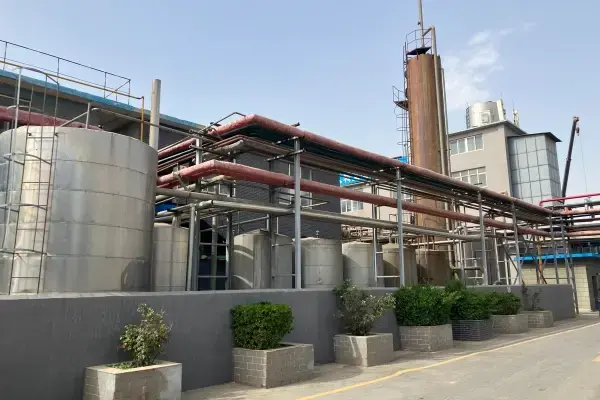
Before it can be released, wastewater that contains Ferric Nitrate needs to be pH neutralized. This turns the dissolved iron into solid hydroxide precipitates that can be removed by settling or filtering. Local emission standards for nitrate ions must be met. In the US, these limits are usually 10 mg/L as nitrogen because of the Clean Water Act. Closed-loop water treatment systems are used by Yunli Chemical to remove over 95% of nitrates from waterways through biological denitrification. The systems also collect iron that can be used again in production.
Atmospheric emissions from thermal breakdown stay low as long as the right temperature controls keep reactions from getting out of hand. Scrubber systems in modern factories collect nitrogen oxide fumes and use catalytic reduction to turn them into safe nitrogen gas and water.
Regulatory Landscape
Ferric Nitrate trade is governed by international chemistry laws. The nonahydrate form is registered under EC number 233-899-5 for REACH in Europe. Tonnage bands determine the data needs for continued market access. U.S. companies that make medicines for other countries have to follow the FDA's current good manufacturing practice (cGMP) rules, which can be found in 21 CFR Part 211. These rules cover things like building facilities, making sure processes work, and keeping records of the quality system.
According to the International Maritime Dangerous Goods (IMDG) code, export packages are UN 1466 (Ferric Nitrate), Packing Group III, Class 5.1 oxidizers, which means they need to be properly labeled and kept away from other cargo that isn't suitable. Professional transportation companies that know the rules for transporting dangerous goods can avoid costly shipping delays and possible fines.
Conclusion
Due to its unmatched sensitivity, selectivity, and ease of use, Ferric Nitrate continues to be the gold standard reagent for identifying salicylate impurities in aspirin production. When making a purchase choice, it's important to compare purity standards to application needs, give priority to providers with strong quality systems and production capacity, and think about the total ownership costs, which include handling safety and following all the rules. The compound can be used for more than just pharmaceutical quality control. It can also be used to make catalysts and specialty chemicals, which makes it an important material for a wide range of chemical processes. When you work with well-known makers that offer customization, expert support, and reliable logistics, you get a competitive edge in terms of quality control and business efficiency.
FAQ
Can ferric nitrate detect aspirin degradation in finished tablets?
Yes, but to get salicylic acid into solution, pills need to be dissolved in ethanol or water that has been acidified. The test can find breakdown products as low as 0.005%, which is much lower than the USP limit of 0.15% salicylic acid for aspirin pills. This test is usually done once a month during rapid aging studies as part of routine stable testing programs using Ferric Nitrate.
What shelf life can I expect from pharmaceutical-grade material?
For 24 months, unopened packages kept below 25°C and dry will still have full chemical reactivity. Once it's been opened, move the rest of the food to dry storage and eat it within 6 months. Check the behavior of the reagent on a regular basis using standards for salicylic acid. The color strength should stay the same with new material.
How does ferric nitrate compare in cost to ferric chloride?
Compared to ferric chloride, Ferric Nitrate usually costs 20–40% more per kilogram. But better analytical stability, longer equipment life due to less corrosion, and no chloride influence in multi-analyte tests often make the extra cost worth it in pharmaceutical and electronics settings where quality is more important than cost.
Partner with Yunli Chemical for Reliable Ferric Nitrate Supply
Yunli Chemical makes pharmaceutical-grade Fe(NO₃)₃·9H₂O that meets the strict requirements of modern chemical synthesis and quality control for aspirin. Our factory in Shanxi has ISO 9001, ISO 14001, and OHSAS certifications, which means that the quality of our products is always the same and that we have full CoA documentation and expert help to back it up. As a direct producer of Ferric Nitrate with more than 20 years of experience, we don't have to pay markups to middlemen. We also offer customizable purity standards (98%–99.9%), flexible packaging from 25 kg bags to ISO tanks, and free 500-gram samples for process validation.
Our provincial-level technology center has ICP-MS and atomic absorption spectrometers that provide ultra-low impurity profiles (<10 ppm iron for catalyst uses). There are no minimum order quantities, so we can do both trial projects and production runs of several tons. You can email our technical team at wangjuan202301@outlook.com to talk about your unique Ferric Nitrate needs, ask for proof papers, or set up shipping of samples to your plant.

References
1. United States Pharmacopeial Convention. "Aspirin Tablets Monograph." United States Pharmacopeia 44 – National Formulary 39, 2021.
2. Remington, Joseph P., and Paul Beringer. Remington: The Science and Practice of Pharmacy, 22nd Edition. Pharmaceutical Press, 2012.
3. Skoog, Douglas A., Donald M. West, F. James Holler, and Stanley R. Crouch. Fundamentals of Analytical Chemistry, 9th Edition. Brooks/Cole, 2014.
4. International Conference on Harmonisation. "Validation of Analytical Procedures: Text and Methodology Q2(R1)." ICH Harmonised Tripartite Guideline, 2005.
5. Bauer, Hans H., Gary D. Christian, and James E. O'Reilly. Instrumental Analysis. Allyn and Bacon, 1978.
6. Lund, Walter, ed. The Pharmaceutical Codex: Principles and Practice of Pharmaceutics, 12th Edition. Pharmaceutical Press, 1994.