


How Calcium Nitrite Prevents Concrete Steel Corrosion
Calcium nitrite is one of the most proven anodic corrosion inhibitors used in reinforced concrete today. When mixed into concrete as an admixture, it reacts directly with iron ions at the steel surface to form a stable ferric oxide (Fe₂O₃) passive layer. This protective film raises the chloride ion threshold needed to trigger active corrosion, significantly extending the service life of embedded rebar. For infrastructure projects in marine zones, cold-climate highways, or saline soils, this chemical mechanism delivers measurable protection that surface coatings alone cannot match.

Understanding the Problem of Steel Corrosion in Concrete
Concrete's tensile strength comes from the steel that is used to strengthen it. However, this steel is chemically weak when it is mixed with alkaline concrete. The natural passive film on rebar is broken down over time by two main forces:
Chloride Ion Infiltration
Chloride ions from salts used to melt ice on the road, seawater, or salty soils can get into the cracks of pavement and attack steel's passive oxide layer. When the amount of chloride on the surface of the rebar goes over a certain point, pitting corrosion starts. According to ASTM G109 testing guidelines, this is the main reason why reinforced concrete fails before it should around the world.
Carbonation-Induced Corrosion
When carbon dioxide from the air reacts with calcium hydroxide in concrete, the pH inside drops from about 13 to below 9. It is not possible for the passive film on steel to fix itself at this lower alkalinity stage. Corrosion caused by carbonation is a problem that is often found in older buildings and thin concrete cover parts.
Why Traditional Methods Fall Short
Epoxy coatings, galvanized rebar, and surface sealers can act as physical barriers, but they break down when put under mechanical stress or small cracks. A lot of standard chemical inhibitors are based on nitrate compounds, which don't work very well in small amounts.
When procurement managers look at lifecycle costs, they are becoming more aware that chemical admixture inhibitors that are mixed directly into the concrete mix offer more consistent and long-lasting protection than barrier methods that are applied from the outside.
Calcium Nitrite Basics: Chemical and Physical Properties
The first step in responsible shopping is to understand the stuff you are buying. This is what makes Ca(NO₂)₂ different from other chemicals used in mixing.
How the Chemistry Works
As an anodic inhibitor, calcium nitrite works. Iron ions (Fe²⁺) on the steel surface are changed into ironic ions (Fe³⁺), which then form a thick, solid Fe₂O₂ passive film. Ions of chloride can't get to the steel because of this film. It's a competitive process, so the more nitrite ions there are compared to chloride ions, the better the defense. According to a study released in the journal Cement and Concrete Research, the corrosion current density goes down when the NO₂⁻/Cl⁻ molar ratio goes up.

Physical Form and Handling
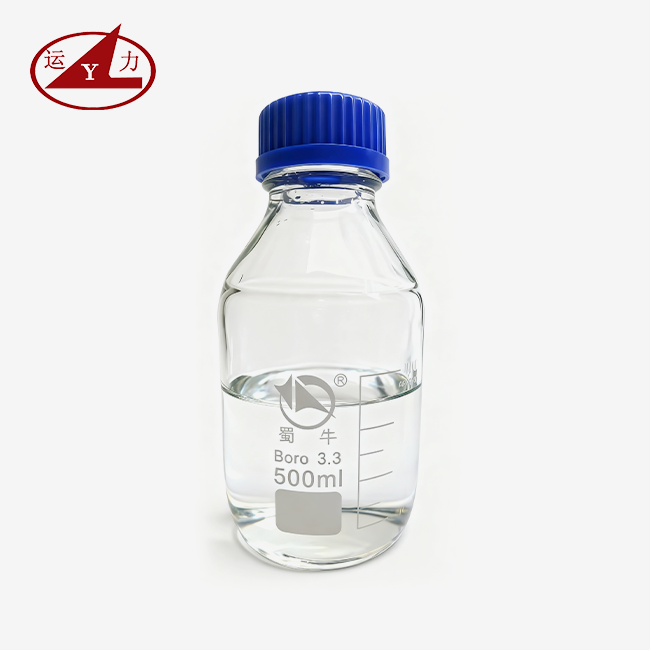
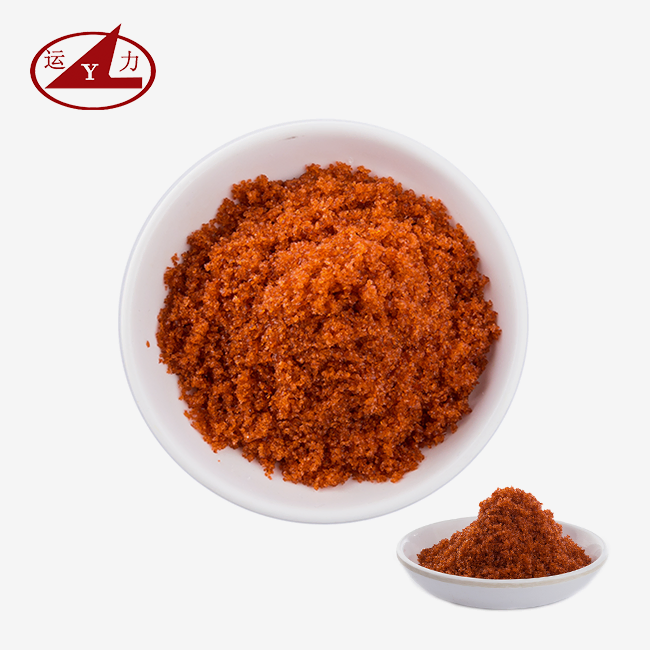
Calcium nitrite comes in two different forms that can be bought in stores: a 30% water solution and a dry powder. The solution form (Ca(NO₂)₂ at a 30% concentration by weight) mixes evenly in wet concrete and is used a lot in plants that make ready-mix concrete. When it comes to logistics, powder forms are better because they are lighter to ship, don't freeze during winter transport, and last longer when stored in sealed, moisture-proof containers in a cool, dry warehouse.
Safety, Storage, and Regulatory Compliance
Due to its oxidizing properties, calcium nitrite is considered a dangerous substance and must be transported with certified paperwork. When you do responsible sourcing, you make sure that your suppliers have the right paperwork to ship dangerous goods. Things that can catch fire should not be kept in storage places. The amount of chloride ions in the product should not be more than 0.1% so that the corrosion-inhibiting effect doesn't work against it. This can be confirmed using standard redox titration and ICP-MS analysis.
Comparing Calcium Nitrite with Alternative Corrosion Inhibitors
Procurement teams often evaluate several inhibitor options before committing to a supplier. The comparison below covers the most common alternatives.
Here are the key performance and safety differences between calcium nitrite and its main competitors:
- Sodium nitrite: Effective as a corrosion inhibitor in isolation, but presents higher acute toxicity to aquatic organisms and stricter disposal requirements. It also introduces sodium ions, which can contribute to alkali-silica reactivity in certain aggregate types, creating a secondary durability risk.
- Calcium nitrate: Provides a mild accelerating effect but functions primarily as a cathodic inhibitor with weaker overall corrosion suppression compared to calcium nitrite. Long-term field data shows less reliable performance in high-chloride environments such as coastal bridge decks.
- Organic inhibitors (amino alcohols): Work through vapor-phase migration and adsorption, making dosage control less precise. Their performance varies significantly with concrete porosity and temperature, and independent verification of long-term efficacy remains limited in peer-reviewed literature.
- Calcium chloride: Widely used as a set accelerator but actively promotes chloride-induced corrosion. Its use in reinforced concrete is restricted or prohibited by most major building codes, including ACI 318.
These differences make the procurement decision clearer. Calcium nitrite delivers a proven anodic inhibition mechanism, avoids the toxicity profile of sodium-based alternatives, and carries a strong track record validated by ASTM G109 testing. For bulk purchasing decisions on infrastructure projects, this combination of performance data and regulatory acceptance reduces procurement risk significantly.
How to Incorporate Calcium Nitrite into Concrete for Optimal Corrosion Protection
How well the inhibitor works over its 50-year design life depends on how well the dosage and mixing process are done.
Recommended Dosage Guidelines
Usually, between 2% and 4% calcium nitrite by weight of the cementitious material is what is used. The exact dose is based on the level of chloride exposure expected. 4% is a common amount for bridge decks in cold places where a lot of de-icing salt is used. 2% to 3% is usually enough for below-grade foundations in moderately salty soils. The numbers in this table are in line with the ACI 222R-01 standards for protecting concrete from erosion.
Mixing and Dispersion Best Practices
When the 30% liquid solution is used, it is mixed with the measuring water before it is mixed together. For powders, mixing them with mix water or dry pebbles first makes sure they are spread out evenly and stops concentration zones from forming in certain areas. It is suggested to test for compatibility with polycarboxylate superplasticizers (PCE) because calcium nitrite may need to change the PCE dose to keep the goal workability.
Field Performance Evidence
A study on marine bridge piers in Southeast Asia found that structures made with an admixture of calcium nitrite had no rebar corrosion after 20 years, while control structures needed to be fixed within 12 years. Manufacturers of precast concrete also say that formwork turnover cycles are better because calcium nitrite has a mild effect that speeds up the setting process. This means that early stripping time is cut by 15% to 20% at normal curing temperatures.
Procurement Considerations for Global B2B Clients
Finding a large supply of a dangerous chemical additive requires more than just finding the cheapest price. It needs trust in the supply chain.
Supplier Qualification Criteria
A good provider of calcium nitrite should have ISO 9001 certification for quality management, ISO 14001 certification for environmental management, and current qualifications for transporting dangerous goods. For quality checks, you must have Certificates of Analysis (COA) that are specific to each batch and include nitrite test data and chloride ion content results. Suppliers who have their own analysis labs with atomic absorption spectrometers or ICP-MS are better at guaranteeing quality than those who only use third-party testing.
Logistics, Customs, and Lead Times
When shipping goods internationally, buyers should make sure that the seller has a self-managed export section. This cuts out the need for a middleman and avoids delays and paperwork mistakes. For well-known relationships, project supply cycles usually last one to two weeks per batch. It usually takes two to four months for the first time qualification processes to finish. These include confirming specifications, testing samples, and placing trial orders. This time frame should be included in procurement planning.
OEM and Customization Options
Each market has different project needs. Suppliers who offer different concentrations (custom solution strengths above 30%), customized packaging formats, and private-label options are valuable to distributors and people who make admixtures. This freedom is most important for businesses that serve multiple area markets with different standards for specifications.
Conclusion
Steel rust is the main reason why concrete infrastructure around the world fails early. By creating a stable passive film on rebar, raising the chloride barrier, and increasing the structure service life by decades, calcium nitrite solves this chemical issue. Compared to other inhibitors, it has a well-documented performance profile that is backed by ASTM standards and data from the field.
It is just as important for procurement teams in charge of building projects to select a reliable source of calcium nitrite, with stable production capacity, pure products that have been tested, and services that are in line with regulations as it is to choose the right product standard.
FAQ
Does calcium nitrite affect concrete workability?
At standard dosages of 2% to 4% by cementitious weight, calcium nitrite has a mild set-accelerating effect but does not significantly reduce slump. When used alongside PCE superplasticizers, a compatibility test is recommended to fine-tune dosage and maintain target workability.
How long does the corrosion protection last?
Field data and ASTM G109 accelerated testing show that properly dosed concrete with calcium nitrite admixture can maintain rebar passivity for 20 to 50+ years in chloride-exposed environments, depending on concrete cover depth and exposure severity.
Is calcium nitrite compatible with fly ash or slag cement blends?
Yes. Blended cementitious systems generally reduce concrete permeability, which complements the chemical inhibition mechanism. No adverse reactions with fly ash (Class F or C) or GGBS have been reported in standard mix designs.
What is the minimum order quantity for bulk procurement?
This varies by supplier. Yunli Chemical offers flexible procurement terms with no fixed minimum order quantity and provides free samples up to 500 grams for initial evaluation.
How should the 30% solution be stored in cold climates?
The 30% aqueous solution can freeze below approximately -15°C. For winter storage or transport in cold regions, the powder form is preferred to avoid freezing-related quality issues.
Request a Quote from Yunli Chemical — Trusted Calcium Nitrite Manufacturer
For more than 20 years, Yunli Chemical has been making pure calcium nitrite for use in building projects in Asia and the Middle East. We offer factory-direct prices with no middlemen because we are certified by ISO 9001, ISO 14001, and OHSAS, have an in-house ICP-MS lab, and run our own export division. You can get free samples of up to 500 grams, different amounts, and flexible packing. You can email us at wangjuan202301@outlook.com or go to yunlichemical.com to get a specification sheet or project quote.

References
1. Berke, N. S., & Hicks, M. C. (1992). Cement and Concrete Research — Electrochemical methods for evaluating corrosion inhibitors in concrete.
2. American Concrete Institute. (2001). ACI 222R-01: Protection of Metals in Concrete Against Corrosion. ACI Committee 222.
3. ASTM International. (2012). ASTM G109-07: Standard Test Method for Determining Effects of Chemical Admixtures on Corrosion of Embedded Steel Reinforcement in Concrete. ASTM International.
4. Hansson, C. M., Mammoliti, L., & Hope, B. B. (1998). Corrosion inhibitors in concrete — Part I: The principles. Cement and Concrete Research, 28(12).
5. Nmai, C. K., Farrington, S. A., & Bobrowski, G. S. (1992). Organic-based corrosion-inhibiting admixture for reinforced concrete. Concrete International, 14(4).
6. Page, C. L., & Treadaway, K. W. J. (1982). Aspects of the electrochemistry of steel in concrete. Nature, 297(5862).