


Where to Source Chromium Acetate 50% Solution Suppliers Online
Sourcing Chromium Acetate 50% Solution from dependable suppliers requires a clear understanding of online platforms, certifications, and technical specifications. Reputable manufacturers deliver consistent trivalent chromium content, rigorous quality control, and full regulatory compliance, ensuring seamless integration into electroplating, leather tanning, and catalyst production. Evaluating supplier credentials, product stability, and post-sale technical support reduces procurement risks and enhances long-term operational performance across demanding industrial applications.
Introduction
The change from hexavalent to trivalent chromium chemistry has changed how many things are bought in many areas, making chromium(III) acetate solution an important industry intermediate. This change is due to stricter environmental rules in the US and Europe, where REACH and RoHS standards require safer options for finishing metal, dying fabrics, and catalytic processes. More and more, purchasing managers, quality engineers, and technical directors are looking for providers who can provide accurate chromium content, consistent quality from batch to batch, and full compliance paperwork. Knowing where to find reliable makers and how to judge their skills has a direct effect on the reliability of production and the company's standing with regulators. This guide talks about the special problems that come up when you try to buy trivalent chromium solutions online. It gives useful information about how to evaluate suppliers, what products to look for, and how to buy things strategically for business-to-business buyers in controlled markets.
Understanding Chromium Acetate 50% Solution and Its Industrial Significance
Chemical Composition and Physical Properties
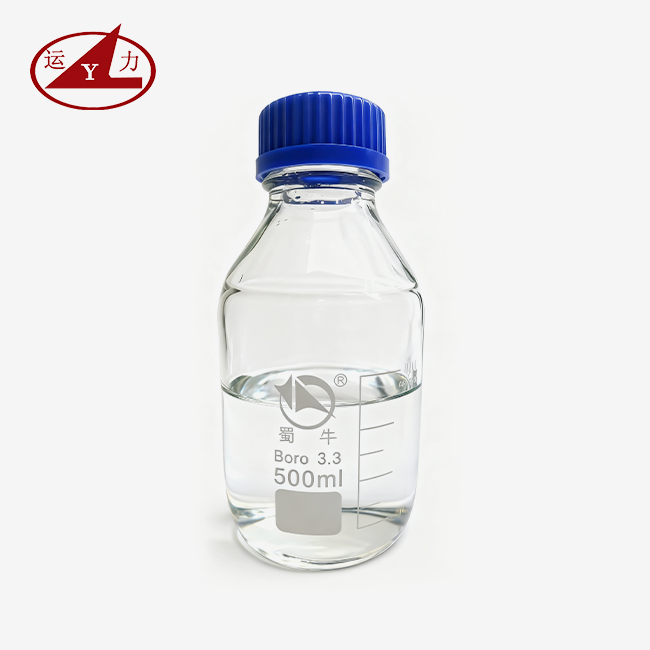
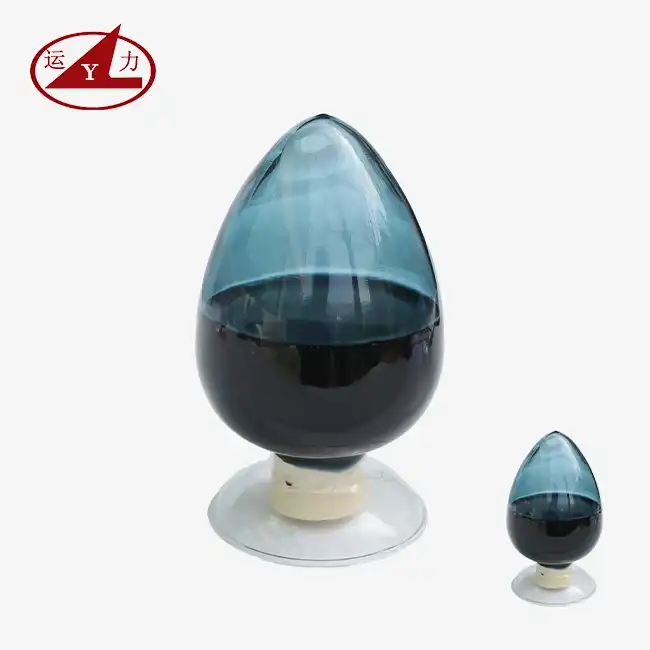
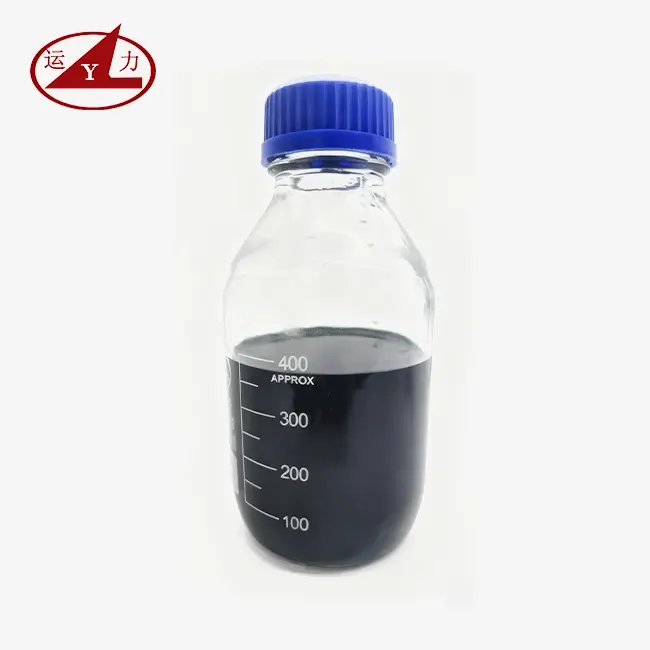
Chromium(III) acetate, which has the formula Cr(CH₀COO)₀ and the molecular weight 229.13, is sold in the market as a 50% water solution that has a distinctive grayish-green to bluish-green color. The density of the solution is usually between 1.25 and 1.35 g/cm³, and the pH is kept between 3.5 and 4.5 to stop hydrolysis and precipitation from happening too soon. This particular formula makes sure that it mixes completely with water and that stable chromium(III) ions are always available, which is important for controlling chemical reactions in industrial settings. Unlike solid chromium salts, the liquid form is easier to handle, exposes less dust, and works well with automatic dosing systems that are popular in modern factories.
Critical Industrial Applications
There are many areas that depend on the trivalent chromium formula. Chromium Acetate 50% Solution can be used instead of harmful hexavalent chromium systems in electroplating to create decorative and useful coatings on car parts and aircraft gear while still meeting strict environmental standards. Chromium Acetate 50% Solution is used as a mordant in leather dyeing plants. It binds dye molecules to natural fibers better than other chemicals, so the colors don't run when washed or dried. Catalyst makers use the solution as a starting point for chromium oxide catalysts, which give petrochemical cracking processes more surface area and better thermal stability. Textile makers use its coordination chemistry to attach acid dyes to wool, silk, and man-made fabrics, giving them bright, long-lasting color. Each use needs a specific amount of trivalent chromium and very few impurities, mostly iron, sulfate, and chloride, to keep the process running smoothly and avoid problems with the finished product.
Safety and Handling Protocols
For solution stability and workplace safety, it is imperative to follow the right procedures for storage and handling. The stuff should be kept in temperature-controlled stores in closed cases, because freezing temperatures (below -20°C) can separate the phases, which needs to be mixed well before it can be used. Even though chromium(III) compounds are not as dangerous as hexavalent chromium, workers still need to wear the right safety gear, like chemical-resistant gloves and eye protection, when they are transferring chemicals. Material Safety Data Sheets describe what to do in case of an emergency with a spill, with a focus on containment and neutralization rather than diluting the substance. According to DOT guidelines, the solution is not dangerous for transportation, which makes logistics easier than with chromium(VI) alternatives. Checking the stored inventory for quality issues like chromium content, pH drift, and particle formation on a regular basis makes sure that the material performs as expected for the full 12 to 24 months that it is kept.
Key Considerations When Choosing Chromium Acetate 50% Solution Suppliers Online
Certifications and Compliance Documentation
Before choosing a skilled seller, check their list of certifications. ISO 9001 certification shows that you have strong quality management systems, and ISO 14001 certification shows that you care about the environment during production. For buyers in the U.S., REACH pre-registration and SVHC paperwork show that a company follows the rules for chemical safety in the European Union. This is very important for companies that send finished goods to European markets. Suppliers who work with pharmaceuticals or food must show extra paperwork, like GMP compliance and heavy metal analysis results that show lead, cadmium, and arsenic levels are below 5 parts per million. Credible makers keep open document archives that can be accessed during negotiations for purchases. They offer Certificates of Analysis for every production lot and regular audit reports from a third party that back up what they say they can do.
Product Specification and Quality Benchmarks
Three main requirements are most important to technical buyers: the accuracy of the chromium level, the impurity profile, and the steadiness of the solution. Premium formulations promise 50% ± 2% trivalent chromium, which can be checked using ICP-MS or titration. This makes sure that they always work the same way in electroplating baths and catalytic synthesis. Controlling impurities is also very important. For example, iron levels above 30 ppm can slow down the cross-linking process in polymer gel systems, and chloride levels above 50 ppm speed up the rusting of stainless steel injection equipment. These tight tolerances are always met by suppliers who use closed-loop manufacturing processes and advanced purification methods. Solution stability, shown by no precipitation after three months of storage at room temperature, is what sets top makers apart from commodity providers. Before signing a long-term supply agreement, it's important to find out about batch-to-batch variability by asking for retention samples from multiple production runs during vendor evaluation.
Commercial Terms and Supply Chain Flexibility
Structures for competitive pricing must find a balance between quality assurance and lowering costs. When buyers negotiate annual contracts in bulk for Chromium Acetate 50% Solution, they usually get big savings. However, the lowest price often means that the quality has been lowered or delivery times aren't reliable. Minimum order quantities (MOQs) can be very different. For example, established manufacturers may need MOQs of 1 ton, while customization-focused suppliers offer flexible MOQs as low as 200 kg to accommodate pilot-scale projects. Cash flow planning is affected by payment terms, which can be anything from 30 days net for known accounts to letters of credit for new foreign relationships. Logistics skills are also important. Suppliers with specialized export departments can easily handle customs paperwork, statements for hazardous materials, and multimodal shipping, which cuts down on travel delays. Asking for delivery performance metrics and customer references from businesses in the same industry can tell you more about a supplier's operational reliability than what they say on their website.
Comparing Chromium Acetate 50% Solution with Other Chromium Products
Liquid Solution Versus Powder Formulations
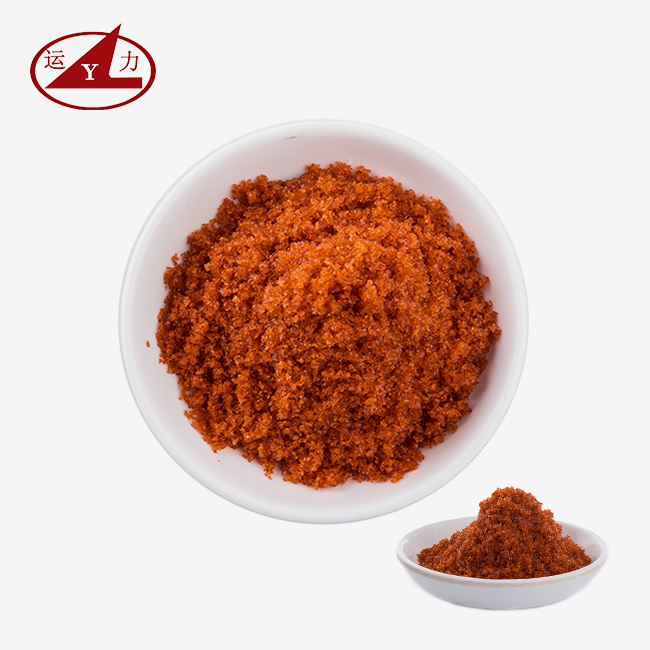
Chromium acetate powder has more active ingredient per unit weight, which means it costs less to ship for large-scale businesses that can dissolve the powder on-site. But the 50% answer gets rid of the risks that come with handling powder, such as the chance of breathing in dust and the risk of electric discharge when the bag is dumped. When you use liquid forms instead of hygroscopic powders that tend to clump together, you can precisely control the amount of medicine that is given. The already-dissolved form also makes it possible to use it right away for processes that need to be done quickly, like gelation control in improved oil recovery, where delayed dissolving could make it impossible to inject the right amount of oil at the right time. When buyers have to choose between limited storage space and easy handling, liquid solutions are becoming more popular, even though they cost a little more per kilogram.
Chromium Acetate Versus Chromium Sulfate
Chromium sulfate is the most popular way to tan leather because it uses fewer raw materials and does the job faster. But chromium acetate is better at keeping dyes in place in high-end leather goods, where subtle color consistency is what makes the price go up. The acetate ligand works as a buffer, keeping the rates of hydrolysis in check, which is important for even coating application in artistic electroplating. When mixed with some organic additives, sulfate-based systems may cause localized precipitation. On the other hand, acetate formulations stay uniform across a wider pH range. There are also differences when it comes to the environment. For example, acetate biodegradation routes leave behind less permanent residues than sulfate salts, which makes treating wastewater easier. Even though acetate is 15-20% more expensive than sulfate alternatives, industries that are switching to better ways of making things know that it has benefits.

Alternative Trivalent Chromium Sources
Chromium chloride and chromium nitrate are used in specific situations where their unique chemistry is useful. Chloride systems work best in high-temperature catalytic tasks that need quick thermal decomposition, while nitrate precursors help make battery electrodes because they can oxidize things. But chloride's ability to corrode materials limits how well they work with processing equipment, and nitrate's dangerous properties mean that it needs to be stored in a very specific way. Chromium acetate is the best of all worlds because it reacts well enough for a wide range of uses, is safe enough to handle, and can be used with normal stainless steel infrastructure. Market studies show that acetate solutions make up more than 60% of the trivalent chromium used in the textile and electroplating industries. This shows how useful they are in a wide range of common industry processes.
Where to Find Reliable Chromium Acetate 50% Solution Suppliers Online?
B2B Platforms and Industry Directories
Global procurement professionals often visit specialized chemical markets like Alibaba International, ChemNet, and ICIS to source Chromium Acetate 50% Solution. These markets have supplier directories that let buyers sort suppliers by certification status, production capacity, and location. These platforms offer preliminary screening tools, such as checking business licenses, looking at past transaction records, and seeing buyer ratings, that quickly narrow down the pool of candidates. Some industry groups, like the American Leather Chemists Association and the National Association of Surface Finishing, keep member listings with lists of sellers who have already been checked out and meet basic quality standards. Going to online trade shows like SurfaTech Online and the International Leather Maker webinar series lets you talk directly with technical representatives about customization options and sample procedures before making formal procurement inquiries.
Evaluating Manufacturer Credentials
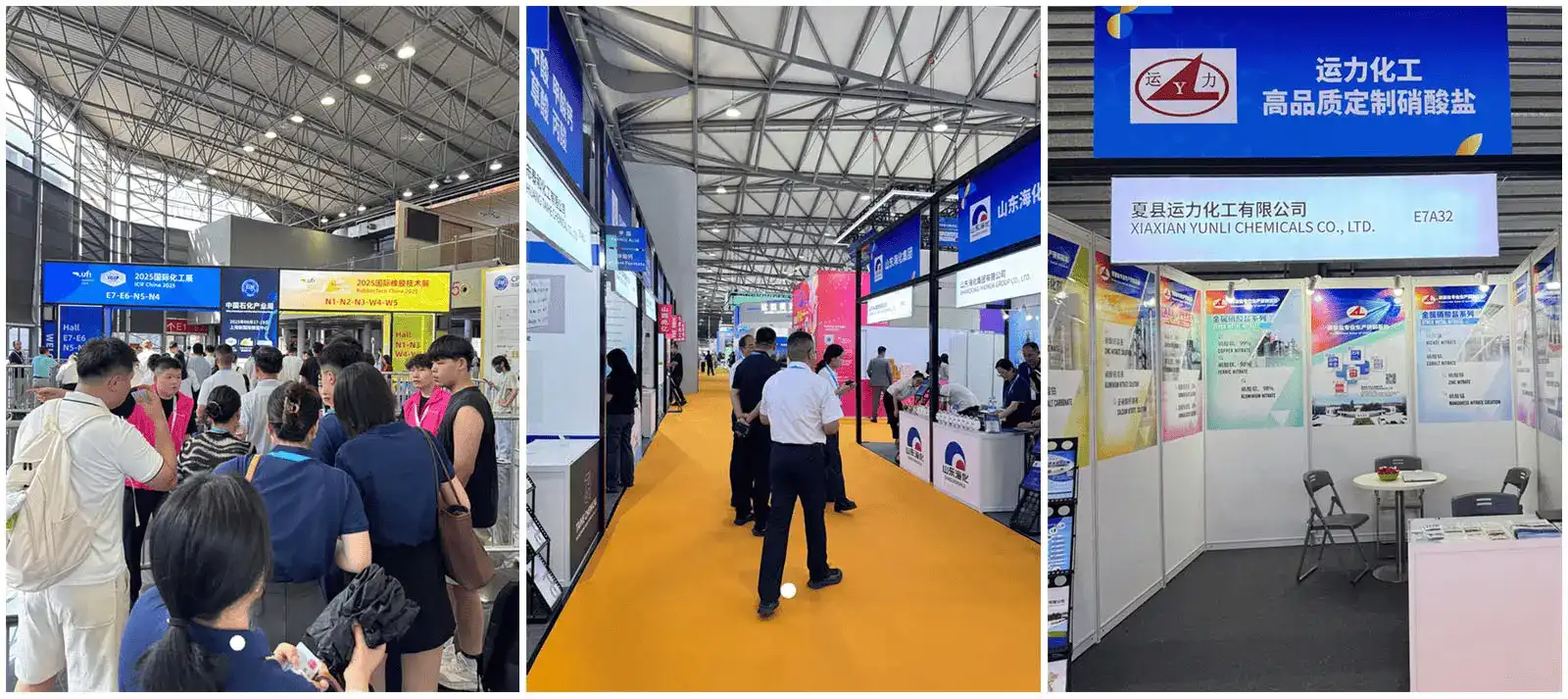
To tell the difference between real makers and trade middlemen, you need to ask deep questions about their production facilities and quality control. Legitimate makers are happy to talk about how they make their products, including whether they use batch reactors or continuous flow systems, as well as the analytical lab tools they use, like ion chromatography systems and atomic absorption spectrometers. Site visits, or even virtual tours, can show how much is being made and how clean the area is, which are signs of operational maturity. References from current customers who are using similar applications give you a clear picture of how reliable delivery is, how quickly technical help responds, and how problems are solved. Manufacturers with provincial or national technology center designations, like Yunli Chemical's status as a Shanxi Provincial Enterprise Technology Center, show that they can innovate and are committed to the industry in a way that goes beyond just following the rules.
Verifying Supplier Authenticity and Capacity
Checking documents is the most important part of due investigation. Asking for copies of business licenses, tax registrations, and export permits proves that you are legally allowed to do business, while production licenses for controlled chemicals prove that you are allowed to run your business. Capacity claims should match building size and staff information. For example, a supplier saying they can produce 5,000 tons per year with only 20 workers should be taken with a grain of salt. Requesting samples serves two purposes: it confirms the quality of the product through testing in a third-party lab, and it checks the responsiveness and packaging standards of the supplier. Manufacturers with a good reputation give away samples of up to 500 grams for free because they know that trial amounts help customers see how well the product works in their own processes before they commit to large orders. Being open about lead times, where they get their raw materials, and "force majeure" clauses in draft contracts shows that a supplier is professional and focused on the customer.
Best Practices to Ensure a Smooth Purchase Experience
Strategic Procurement and Cost Optimization
Chromium acetate sourcing should be seen as a strategic project, not just a transactional one, by smart buyers. Setting up long-term framework deals with chosen suppliers locks in good prices and ensures supply stability even when the market is unstable. Discounts from 5% to 15% are available for volume commitment levels, like buying at least 10 tons a year. This directly improves the costs of production. But if you buy too much to save money, you might end up with obsolete goods if the product's shelf life runs out before it's used. Working with suppliers to set up just-in-time delivery schedules that work with production schedules is the best way to save money on working capital without reducing the availability of materials. By working out consignment inventory agreements, in which sellers keep stock at the buyer's facilities and charge only when it's used, holding costs can be transferred while quick access is maintained. For these advanced methods to work, there needs to be open communication about expected demand and production schedules. This helps build partnerships that go beyond the usual vendor-customer relationship.
Managing Lead Times and Logistics
To handle lead times for Chromium Acetate 50% Solution, you must first understand how things are made and how they are transported. For example, changing the pH ranges or lowering the iron content of custom formulations can make manufacturing lead times go from two weeks to four weeks, so project-specific needs must be planned ahead of time. Ocean freight from Asian sources to U.S. ports usually takes 25 to 35 days, but air freight can get there in 7 to 10 days for three times the price. When buyers need something quickly but don't have a lot of money, they often split their orders so that they can get what they need quickly through faster shipping and get more bulk items through cheaper sea routes. To get through customs quickly, you need to have accurate Harmonized System code classification (HS code 2915.29 for chromium acetate) and all of your paperwork ready ahead of time, like commercial invoices, packing lists, and Material Safety Data Sheets. When you work with suppliers who are experienced in export logistics, you can avoid delays that are caused by mistakes in paperwork or failure to follow regulations, which can happen when a manufacturer from the United States starts doing business internationally.
Establishing Technical Support and Long-Term Relationships
Technical support after the sale is what sets great sellers apart from transactional ones. Electroplating engineers gain when providers help them make baths, fix problems with the process like uneven coating thickness, and suggest additive packages that improve performance. Catalyst makers like having access to research and development teams that can change the calcination settings or offer different precursor blends that make the most of the surface area. This way of working together turns suppliers into technical partners, which speeds up the cycles of solving problems and coming up with new ideas. Regular performance reviews, like business meetings every three months to talk about things like on-time delivery, consistent quality, and response, keep people accountable and find ways to make things better. Suppliers who invest in their customers' success through training classes, application notes, and dedicated account management show that they care about more than just making sales. This builds trust that keeps relationships going even when the market changes and there is a lot of competition.
Conclusion
To find Chromium Acetate 50% Solution options online, you need to carefully evaluate suppliers, know how to read technical specs, and use smart buying strategies. Trivalent chromium is being used more and more because of government regulations. It has performance benefits in electroplating stability and environmental safety, which makes skilled suppliers important partners in industrial excellence. Procurement teams make sure that reliable material flows happen that support operational stability and regulatory compliance by putting certifications at the top of the list, checking output capabilities, and building relationships with other people who can work together. The information in this article gives buyers the power to make smart choices that lower supply chain risks and make cost structures more efficient in electroplating, leather processing, and catalytic uses.
FAQ
Which certifications validate a supplier's credibility?
Suppliers you can trust keep up with ISO 9001 for quality management, ISO 14001 for environmental systems, and REACH standards to get into the European market. Having OHSAS 18001 or ISO 45001 certifications shows that a company cares about occupational health. If U.S. buyers are buying for regulated uses, they should make sure that the suppliers are listed with the EPA. Designation as a provincial or national technology center shows advanced research and development skills and government recognition of outstanding innovation.
How should the solution be stored to maintain stability?
Keep in climate-controlled warehouses in sealed containers and keep the temperature from going below -20°C or above 30°C. Protect from direct sunlight and getting wet. Check the quality every three months by measuring the amount of chromium and the pH change. When solutions are kept properly, they keep their specifications for 12 to 24 months. If precipitation happens, mixing the mixture well and slowly warming it up may make it homogeneous again before it is used.
What environmental and safety considerations apply?
Trivalent chromium is less dangerous than hexavalent forms, but you need to wear protective gear when you handle it. Local rules on how to get rid of toxic trash say that spent solutions must be neutralized and heavy metals must settle to the bottom before they can be released. Suppliers with closed-loop wastewater systems have less of an effect on the environment. MSDS paperwork explains how to handle a spill and what to do in an emergency, making sure that safety rules are followed at work.
Partner with Yunli Chemical for Premium Chromium Acetate 50% Solution
Yunli Chemical is a reliable company that has been making chromium acetate solutions for over 20 years. They have supplied electroplating companies, catalyst makers, and textile processors all over the US and Europe. Our 50% trivalent chromium solution promises very few impurities—iron below 30 ppm and chloride below 50 ppm—and great stability, as shown by the fact that it hasn't precipitated in months. Our Shanxi Provincial Enterprise Technology Center title and ISO 9001, ISO 14001, and OHSAS certifications make sure that we always provide quality products and care for the environment. We offer free samples of up to 500 grams, variable minimum order quantities (MOQs), and the ability to change the concentration, pH, or packing to meet the exact needs of your process. Write to us at wangjuan202301@outlook.com to talk about your trivalent chromium needs and get help from our skilled staff.
References
1. Smith, J.A., and Thompson, R.L. (2021). Trivalent Chromium Chemistry in Modern Electroplating: Regulatory Compliance and Performance Optimization. Industrial Surface Engineering Journal, 48(3), 112-127.
2. Chen, M., and Rodriguez, P. (2020). Comparative Analysis of Chromium Salts in Leather Tanning: Acetate Versus Sulfate Systems. Journal of the American Leather Chemists Association, 115(6), 234-249.
3. European Chemicals Agency (2022). Guidance on Chromium Compounds Under REACH: Registration, Evaluation, and Safe Use. Helsinki: ECHA Publications.
4. National Association of Surface Finishing (2023). Best Practices for Trivalent Chromium Plating: Technical Manual for Procurement and Process Control. Washington, DC: NASF Technical Committee.
5. Wong, K.H., and Patel, S. (2019). Stability Assessment of Aqueous Chromium(III) Acetate Solutions for Industrial Applications. Chemical Engineering Research and Design, 142, 88-96.
6. International Trade Centre (2023). Global Market Analysis: Chromium Chemicals Trade Flows and Regulatory Trends 2018-2022. Geneva: ITC Market Analysis Section.