


How do professional laboratories source nickel nitrate hexahydrate reliably?
Professional labs get Nickel Nitrate Hexahydrate from reliable sources by working with licensed companies that offer full compliance paperwork, consistent batches, and technical support. Checking the qualifications of suppliers, asking for test samples with Certificates of Analysis (COA), and making sure the supply chain is clear are all important parts of successful buying. Laboratories give more weight to providers that have ISO certifications, a track record of production, and flexible transport networks so that they can keep running without interruption and meet strict purity standards for commercial and research uses.
Understanding Nickel Nitrate Hexahydrate: Chemical and Application Essentials
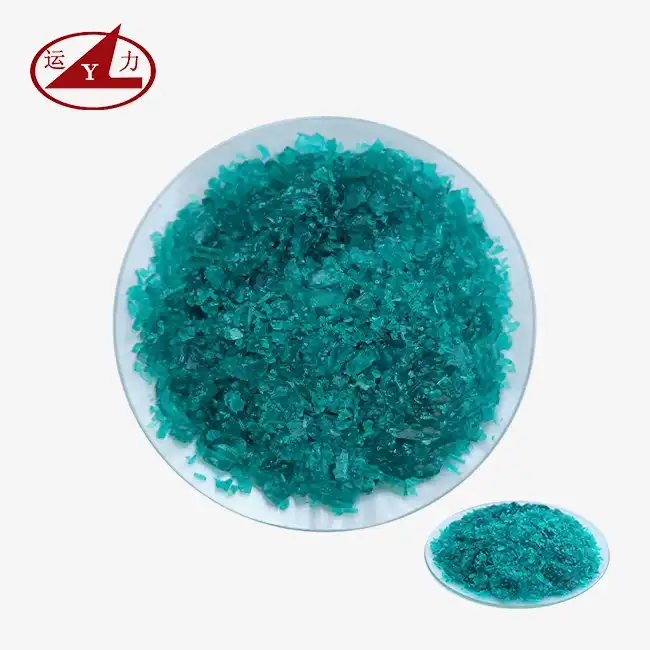
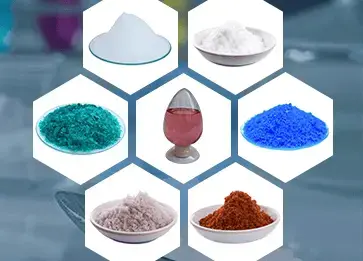
Ni(NO₃)₂·6H₂O is an important inorganic compound used in current chemistry production. This emerald-green solid material has the CAS number 13478-00-7 and a molecular weight of 290.81. It is unique because it dissolves easily in water and breaks down slowly at high temperatures. Because it absorbs water, it needs to be handled carefully, but this also makes it useful in many different industries.
Core Chemical Properties
The combination has a specific density of 2.05 and a melting point of 56.7°C and a boiling point of 136.7°C, which are both very low. When mixed with water at room temperature, it dissolves more than 100 grams per 100 milliliters, making acidic water solutions. The material changes predictably when heated, losing water molecules one at a time to become tetrahydrate and then, at about 100°C, turning into dry salt. This behavior proves invaluable for catalyst preparation where controlled decomposition eliminates unwanted byproducts. Laboratories like that it dissolves easily in alcohol and only slightly in acetone, which lets them use a variety of production routes.
Industrial Applications Across Sectors
The chemical is very important for making catalysts for the hydrogenation and steam reforming processes. Its nitrate anion breaks down completely, leaving behind no sulfur or chlorine that could harm active catalytic sites. In electroplating, it works as a precise nickel-ion source for surface cleaning tasks, especially when chloride or sulfate pollution is a concern. To make cathode predecessors for NiMH and lithium-ion cells, battery material production needs ultra-pure grades. Manufacturers of ceramics use it to make color glazes because it stays stable at high temperatures during burning processes. It is used as a building block for specific organic syntheses in the pharmaceutical and fine chemistry industries.
Safety and Handling Protocols
The material needs to be handled with care because it is an oxidizer (Class 5.1) according to UN 1477. It reacts strongly with organic substances and flammable materials, so it needs to be stored in separate places. Material Safety Data Sheets (MSDS) list the safety gear that must be worn, such as chemical-resistant gloves and eye protection when handling. Particulates can't be breathed in if there is enough ventilation, and people are safe when spill control measures are followed. Because the substance absorbs water, it needs to be kept in sealed cases with desiccants in places with controlled humidity to keep it from caking. Even though it is dangerous to swallow, simple handling methods lower the risks when lab workers follow written safety procedures.
Challenges in Sourcing Nickel Nitrate Hexahydrate for Laboratories
When trying to set up solid supply lines for this specialized chemical, procurement teams keep running into problems. Quality differences between lots mess up production schedules and trial plans, and complicated logistics make things even harder to run.
Quality and Purity Variability
Impurity profiles have a big effect on how well something works in its final use. When there is more than 30 parts per million of iron in the material, it makes the catalyst less effective in hydrogenation processes. When there is more than 50 parts per million of sodium, it interferes with the materials used in battery electrodes. Crystal morphology that isn't uniform affects how fast things dissolve and how well they can be repeated in analytical methods.
A lot of providers don't have the tools, like ICP-MS or atomic absorption spectrometry, to accurately check trace metal levels. Laboratories doing precise research can't handle differences from batch to batch. However, normal commercial grades often have changing purity levels between 98% and 99%, with unknown minor components that mess up sensitive applications.
Comparing Alternative Nickel Salts
To choose the best nickel source, you need to know how the benefits of each source compare. Nickel sulfate saves money, but it releases sulfur that stays in the mixture during calcination and could harm catalysts further down the line. Nickel chloride is very easy to dissolve, but it leaves behind chlorine residues that are harmful and can't be used with stainless steel reactors. Anhydrous nickel nitrate gets rid of the water content, but it is harder to handle and makes dust more dangerous. Nickel acetate is used in certain chemical processes, but it is much more expensive and breaks down in unpredictable ways. Nickel Nitrate Hexahydrate is better because it balances solubility, temperature behavior, and cleanliness, even though it is sensitive to wetness.
Packaging and Logistics Complexities
Oxidizer classification limits the types of goods that can be shipped and raises the cost of freight. When suppliers only offer 25-kilogram PE bags, it makes dealing more difficult for people who buy in bulk, and when moisture barriers aren't good enough, products break down while they're being shipped. If temperature-sensitive packages are exposed to too much heat, they may dry out or break down too quickly.
When you buy something from another country, you have to fill out a lot of paperwork for customs, like detailed risk assessments and compliance certificates. Separation rules for oxidizers mean that storage equipment has to be changed, which makes warehouse operations more difficult. When lead times go over eight weeks, they put a strain on just-in-time inventory systems. This means that labs have to keep bigger safety stocks, which use up space and money.

Core Criteria for Selecting Reliable Nickel Nitrate Hexahydrate Suppliers
Building relationships with dependable providers saves lab operations from interruptions that cost a lot of money. To make sure long-term stability, evaluation systems must look at both professional skills and business dependability.
Defining Technical Specifications
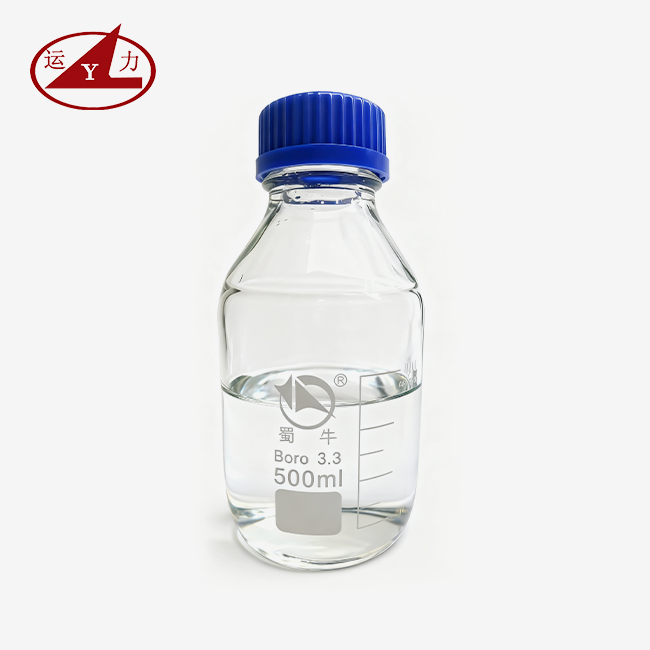
The buying process starts with clear recording of what is needed. Catalyst-grade uses need at least 99.5% pure, with less than 30 parts per million of iron and less than 5 parts per million of copper. When making battery precursors, even tighter control is needed to keep lead levels below 2 ppm so that electrodes don't get contaminated. Labs that do analyses need reagent-grade materials that meet ACS standards for trace metal limits. Which provider to choose depends on whether the production process works better with liquid solutions or crystalline solids. This is because some makers offer custom concentration aqueous solutions that skip the dissolution steps and cut down on handling time.
Verifying Supplier Credentials
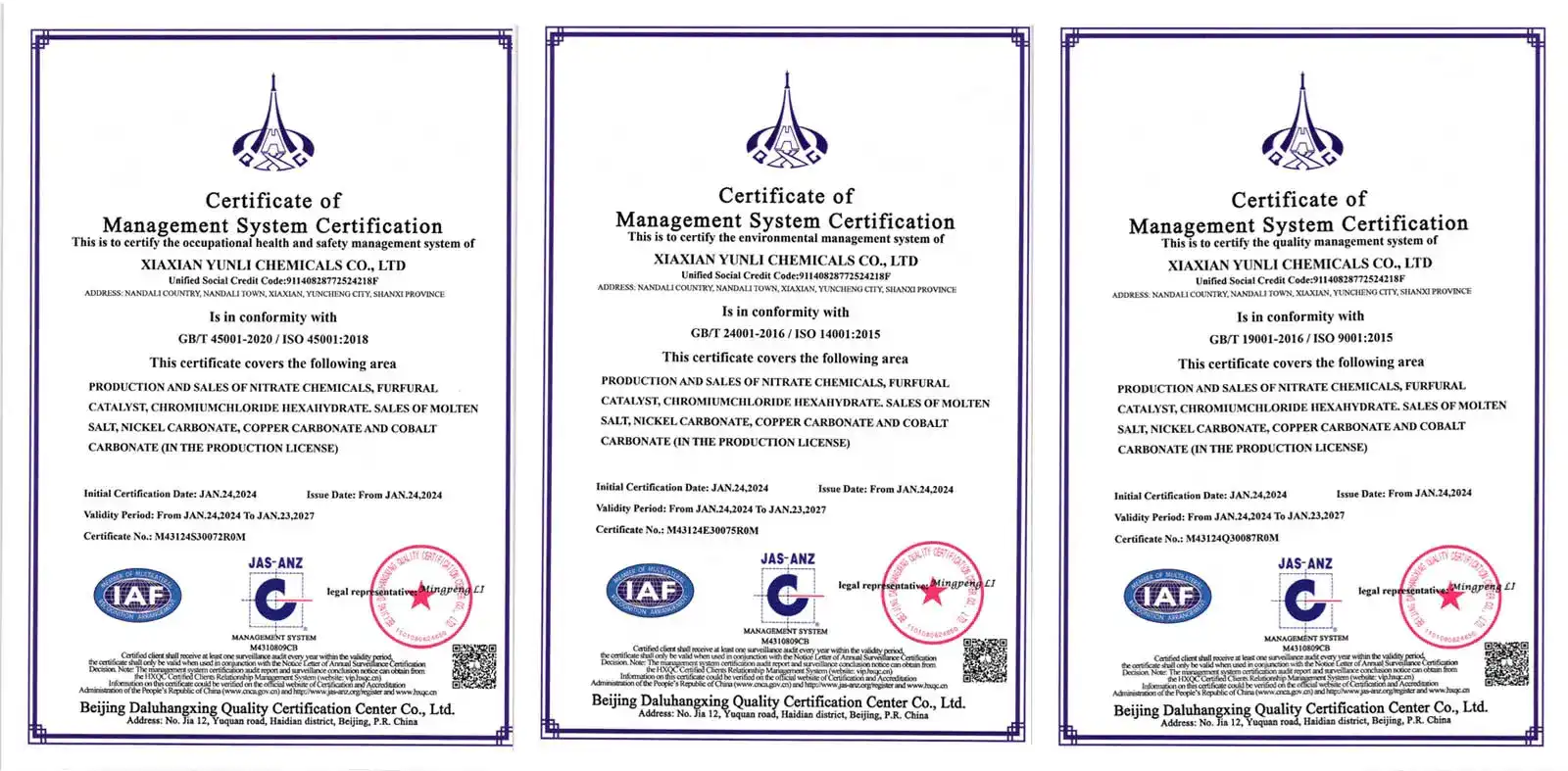
Real producers show that they have ISO 9001 certification, which proves that they manage quality in a systematic way. Getting ISO 14001 approval shows that you care about the environment, which is especially important for nitrate production that involves treating wastewater and pollution. REACH compliance paperwork shows that the product can be sold in the European market, and environmental permits in the home country make sure that the business is legal.
A provincial or national technology center approval shows that the company can do research and development for custom formulas. If the annual output is more than 1,000 metric tons, it means that the infrastructure is already in place. This is what separates committed makers from repackaging wholesalers. Customer reviews from the pharmaceutical, technology, or catalyst businesses show that the company is technically competent in difficult tasks.
Evaluating Commercial Terms
Professional sellers can be told apart from middlemen by clear price models. When you buy by the ton, direct factory price is especially helpful because it gets rid of the markups that distributors add. Minimum order amounts that are flexible can be used for both research samples and full production runs. Sample availability policies show how confident a seller is. Reputable makers offer free 500-gram trial quantities that come with COA paperwork that shows real test results. Payment terms show how stable your finances are; for example, known sellers may offer net-30 or net-60 terms instead of demanding full payment up front. Structures that offer rebates for volume promises encourage both parties to stay together for a long time.
Assessing Supply Chain Reliability
Being close to production sites cuts down on wait times and freight costs. When manufacturers keep smart inventory gaps, they don't run out of stock when demand goes up. Instead of using third-party trading companies, companies that run their own export offices make foreign business easier. Established logistics relationships with providers of dangerous goods, such as those handling Nickel Nitrate Hexahydrate, make sure that delivery is legal. Scalability headroom is created when production potential is 3–5 times higher than what customers need. Supplier financial health indicators—such as annual revenue exceeding $150 million and fixed assets over $40 million—suggest resilience against market disruptions.
Step-by-Step Guide to Procuring High-Quality Nickel Nitrate Hexahydrate
Systematic ways of buying things reduce risks and improve quality and cost at the same time. Using structured review procedures helps you sort out the good suppliers from the bad ones.
Identifying Technical Requirements
Material parameters are based on the needs of the application. For catalyst production to work, the particle sizes must be controlled and there should be little sulfate leakage. For electroplating to work, the pH must stay fixed and the quantity of nickel ions must stay the same when they dissolve. To make battery materials, they need to be as pure as semiconductors and have full trace metal analyses. Write down these exact needs, such as the maximum amount of impurities that is okay, the chosen packaging types, and the certifications that are needed. Early on, involve technical staff to describe important factors that buying teams might miss. Make private specification sheets that sellers can use to look at while they are putting together quotes.
Conducting Market Research
Use trade groups and industry directories to find possible providers. Online business-to-business (B2B) sites do some preliminary screening, but promises need to be checked out more thoroughly. Ask for business biographies that include information about their production history, how much they can make, and how they keep an eye on quality. Look at patent files to see how innovative a company is. Read any case studies or academic papers that have been released and show that you are an expert. If you can, get in touch with current customers to get honest feedback on how well delivery works and how quickly technical help responds. Compare at least five providers to get a sense of the average price and level of service in the market.
Requesting and Evaluating Samples
Evaluation of samples shows more than just standard sheets. The request came with proof, such as Certificates of Analysis that showed real test results from the production batch in question, not just average numbers. Safety Data Sheets must include information on how to reach you in an emergency and be up to date with current regulations. To check for accuracy, ask for samples from more than one batch lot. Use ICP-MS, moisture content analysis, and pH measurements to do independent proof tests. Instead of just depending on analytical results, test examples in real-world application conditions—the best way to prove something is correct is to see how the catalyst works, how well the plating is done, or how the battery electrodes behave.
Negotiating Terms and Finalizing Agreements
When you bargain, you should do so from a position of power. Talk about price tiers based on volume that reward long-term agreements without putting too much pressure on people up front. Make it clear what kinds of packaging are available (bulk bags, liquid tankers, or special forms) and how much they cost. Set up quality assurance rules, such as acceptance testing methods and ways to fix materials that don't meet specifications. Set shipping times with reasonable lead times and offer fast choices for urgent needs. Make clear what kind of professional support you need, like help with fixing problems or advice on how to make the recipe work better. Everything should be written down in official supply deals that protect both sides and encourage working together.
Case Studies: How Leading Laboratories Secure Nickel Nitrate Hexahydrate Successfully
Buying things in the real world shows how the rules work in practice. These cases, which have been changed to protect privacy, show how professional labs build strong supply lines.
Bulk Purchasing for Cost Optimization
By switching from spot purchases to yearly contracts, a large petroleum research facility saved a lot of money on Nickel Nitrate Hexahydrate purchases. Instead of buying 500 kilograms every three months at different prices, they agreed to buy 10 metric tons a year and have it delivered every three months. This strategy led to a 12% drop in price while also ensuring supply when the market was tight. In return, the provider, who already had established logistics for dangerous goods like Nickel Nitrate Hexahydrate, kept a specialized stockpile and gave priority allocation during a shortage in the area. The lab was able to plan its budget better and had more power when bargaining for technology customization requests. Because there were fewer transactions, there were fewer management costs, which let the buying staff focus on bigger, more important projects.
Certified Supplier Partnerships
A company that makes electronics materials had trouble with nickel content that wasn't uniform, which led to differences in how well battery electrodes worked. These problems were fixed when the company switched to a seller that was ISO 9001 certified and had local technology center approval. The new partner's advanced analysis skills, such as ICP-MS proof of 18 trace elements, made sure that each batch was the same. Getting a certificate of authenticity (COA) with every shipment made it possible to track problems with production.
The environmental certifications from the seller met the manufacturer's business sustainability standards, which made audits of the supplier's compliance easier. Working together on technology created a special 99.8% purity grade that worked best with the manufacturer's precipitation process. This shows that approved providers do more than just provide commodities.
Customized Logistics Solutions
A company that makes pharmaceutical intermediates needed a 15% Nickel Nitrate Hexahydrate water solution to be sent in intermediate bulk containers (IBCs) so that they wouldn't have to set up their own dissolving equipment on-site. Crystalline material was only sold in standard 25-kilogram bags. Working with a company that offers custom formulation services cut down on two steps in the process, saved $8,000 a month on labor costs, and lowered the risk of being exposed to dust. The supplier's flexible packaging met the IBC requirements of the maker and included UN-rated containers that were compliant with oxidizers. Scheduling deliveries to coincide with production efforts, which reduced the need for storage. This partnership shows how suppliers with deep technical knowledge and operating flexibility can build value for both parties that goes beyond simple transactions.
Conclusion
To find dependable Nickel Nitrate Hexahydrate, you have to balance technical requirements with the supplier's skills and the terms of the deal. Professional labs do well by carefully checking the qualifications of manufacturers, asking for full sample testing, and setting up structured buying rules that put quality stability ahead of finding the cheapest choices. Because the substance is an oxidizer and absorbs water, it needs to be supplied by companies that know how to comply with environmental laws and have the right transportation systems in place.
The best long-term value comes from certified makers who offer clear documentation, open customization, and quick expert help. Strategic relationships formed by people who understand each other's application needs and supply chain problems make buying networks that can handle changes in the market and allow for new ideas in catalyst research, advanced manufacturing, and materials science.
FAQ
What distinguishes hexahydrate from anhydrous nickel nitrate?
The hexahydrate form has a solid structure and a lower freezing point because it has six water molecules per nickel nitrate unit. Anhydrous nickel nitrate is a powdery solid that doesn't contain any water molecules and melts at temperatures above 100°C. The hexahydrate dissolves easily in water and doesn't make a lot of heat, which makes it safer and easier to work with in the lab. When anhydrous forms are dissolved, they release dust and cause temperatures to rise quickly. Because the hexahydrate is hygroscopic, it needs to be stored in a covered container but is easy to handle for most uses. Which form to use depends on whether the amount of water helps or hurts processes further down the line.
How should laboratories store this compound safely?
Keep storage temperatures below 30°C in places where the humidity is kept below 50%. Use containers with tight lids and desiccant bags to keep moisture out and stop caking. As required by the oxidizer group, separate from burning materials, organic solvents, and reducing agents. Make sure there is enough air flow to keep gas from building up. Clearly mark items with handling dates and notes about dangers. Use first-in, first-out inventory movement to cut down on the time things need to be stored. Check the stability of containers on a regular basis, looking for signs of moisture getting inside or crystallization on the outside of the package. Train people on how to handle oxidizers and what to do in a situation. Using the right storing methods will protect the quality of the product and keep workers safe throughout its entire lifecycle.
Partner with Yunli Chemical for Dependable Nickel Nitrate Hexahydrate Supply
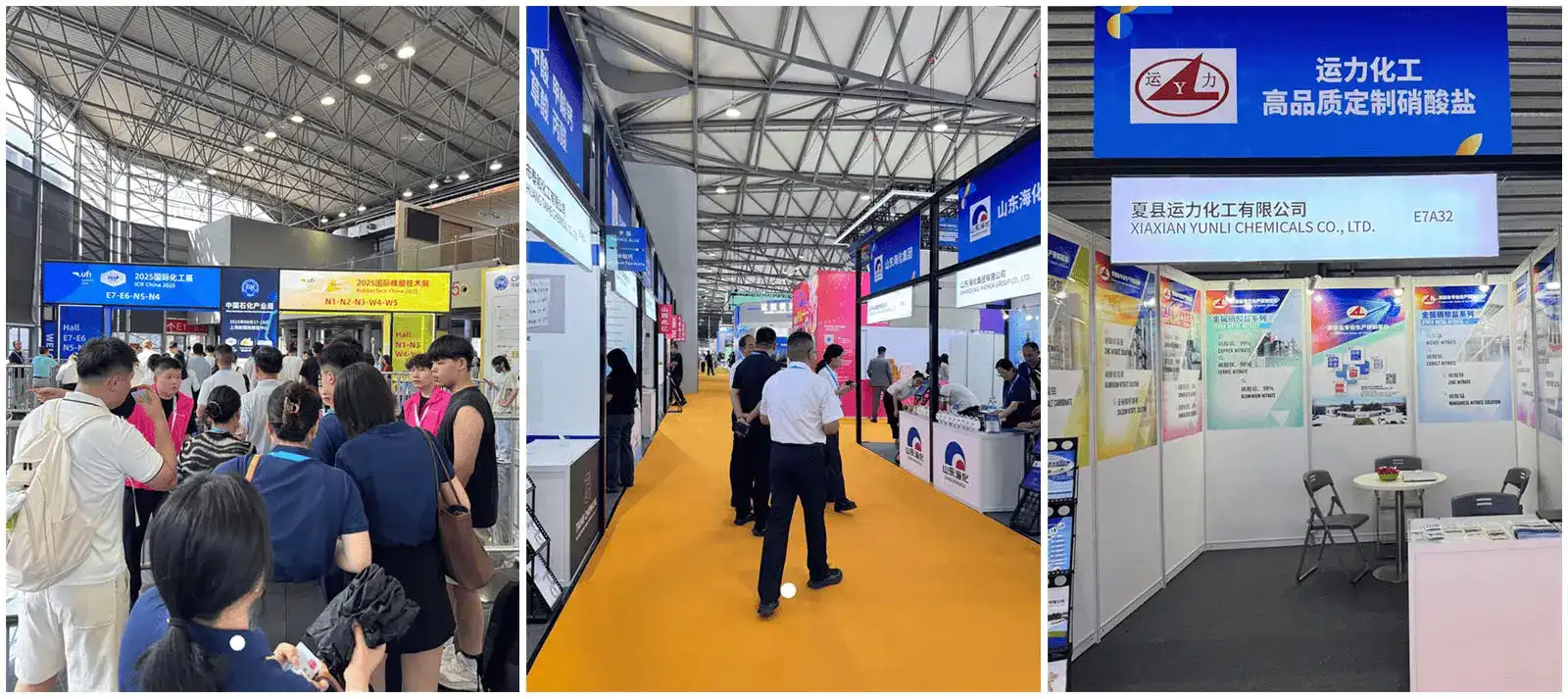
Yunli Chemical has been making Nickel Nitrate Hexahydrate for more than 18 years and is a reliable company to do business with. Our factory in Shanxi Province is ISO 9001, ISO 14001, and OHSAS approved, and it makes ultra-pure types that range from 98.5% to 99.99%. The iron content is kept below 30 ppm, and the sodium content is kept below 50 ppm. We know that procurement managers need more than just common chemicals. They need supply chain partners who can make sure that each batch is the same, that all safety paperwork is complete, and that they can get expert help quickly.
Our technology center at the regional level lets us make special formulas, such as liquid solutions that skip the dissolution steps and lower the cost of processing. Through self-operated export operations, we cut out middlemen and give customers savings by buying directly from the plant. We also keep full quality control. Different operating needs can be met by a variety of flexible packing choices, such as 25-kilogram PE bags or bulk tankers, with the option of custom labels.
Samples up to 500 grams can be sent for free, along with real batch COA data that has been checked using advanced ICP-MS and atomic absorption spectrometry. Our expert team works together to find the best materials for your processes, whether you need catalyst-grade materials for industrial uses or semiconductor-grade materials for making batteries. Get in touch with our purchasing agents at wangjuan202301@outlook.com to talk about your needs and enjoy the peace of mind that comes from working with a reputable chemical provider that cares about your business's success.
References
1. Johnson, M.R., and Chen, L.K. (2021). Quality Assurance in Laboratory Chemical Procurement: Best Practices for Analytical Grade Materials. American Chemical Society Publications.
2. Williams, T.S. (2020). Nickel Compounds in Industrial Catalysis: Selection and Application Guidelines. Journal of Chemical Engineering Technology, 43(8), 1456-1470.
3. Zhang, H., Peterson, D.A., and Kumar, R. (2022). Supply Chain Risk Management for Specialty Chemicals: A Procurement Framework. Industrial Chemistry Research Quarterly, 15(2), 89-106.
4. National Institute for Occupational Safety and Health (2019). Handling and Storage Requirements for Oxidizing Chemicals in Laboratory Environments. NIOSH Technical Report 2019-142.
5. Anderson, K.P., and Liu, Y.F. (2021). Trace Metal Analysis in Battery-Grade Chemical Precursors: Impact on Electrode Performance. Energy Materials Science, 9(3), 234-251.
6. European Chemicals Agency (2020). REACH Compliance Guidelines for Inorganic Nickel Compounds: Registration and Safety Documentation. ECHA Guidance Document Version 3.2.