


Will calcium nitrate raise pH?
As everyone knows, calcium nitrate is used in manufacturing and farming. But buyers and technical experts always have the same question: will it raise the pH level where it's used? The easy answer is hard to understand. Calcium Nitrate Solution 45-50% liquid typically has a pH that is close to neutral to slightly acidic (usually between 5.5 and 6.5) when it is dissolved. This means that it doesn't raise the pH of dirt or water very much. But what really happens depends on the type of soil, its pH level, the bacteria that live in it, and how the plants take in nitrogen. To get the most out of controlling nutrients in electroplating, treating wastewater, farming, and high-tech industry, you need to know how these things work.
Understanding the Effect of Calcium Nitrate on pH Levels
What makes calcium nitrate work in different places is how its chemicals are put together. Calcium nitrate tetrahydrate is very easy to dissolve in water. It turns into calcium ions (Ca²⁺) and nitrate ions (NO₃⁻). CAS# 13477-34-4 says that it is made up of Ca(NO3)2·4H2O molecules, and their weight is 236.15. When ammonia-based fertilizers break down, they leave behind alkaline waste that can temporarily raise the pH. Nitrate nitrogen, on the other hand, doesn't do that.
Chemical Properties of the 45-50% Liquid Formulation
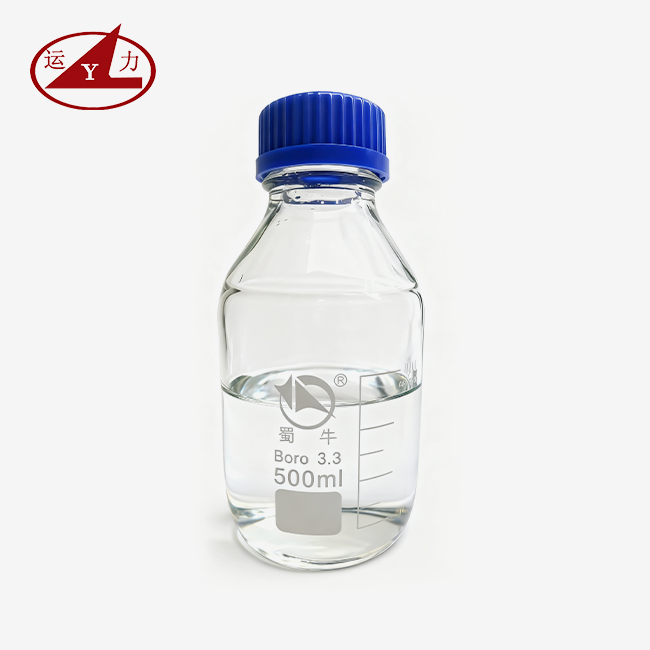
This is how the Calcium Nitrate Solution 45-50% liquid looks when it is 45-50% concentrated at 20°C: 1.40–1.50 g/cm³. About 8% to 9% of this mixture is nitrate nitrogen, and 16.0% to 18.0% of it is calcium oxide equivalent. The liquid is clear to slightly yellow and doesn't stick together much. This means that exact dose methods can be used with it in both fertigation and industrial processes. While solid forms tend to soak up water and stick together, the liquid form doesn't need to be broken down and stays chemically stable for over a year if kept correctly above 5–10°C.
How Nitrate Uptake Influences pH Over Time?
When plants take in nitrate nitrogen, they release hydroxyl ions (OH⁻), which can slightly raise the pH. On the other hand, when plants take in ammonium nitrogen, they release hydrogen ions (H⁺), which lowers the pH. In closed systems like hydroponics, using calcium nitrate for a long time may cause the pH to slowly rise. This effect is very small and usually can't be seen in open earth systems with enough regulating power. By keeping its shape and lowering big changes in pH, the calcium part of the soil keeps it stable.
Comparing pH Effects with Other Nitrogen Sources
Water breaks down nutrients based on urea, which makes the pH go up at first but then down to an acidic level. Ammonium sulfate and ammonium nitrate quickly make things acidic because they nitrate. Calcium chloride gives plants calcium, but it also adds chloride ions, which can build up in plants that don't like them and may sometimes make the pH a little lower. The pH of potassium nitrate is the same as that of calcium nitrate, but potassium doesn't have the chemical benefits that calcium does. When procurement workers know these differences, they can choose chemicals that are best for certain crops and help them reach their pH control goals.

Advantages of Using Calcium Nitrate Solution 45-50% Liquid Fertilizer
Calcium Nitrate Solution 45-50% liquid in liquid form has a number of practical and environmental benefits that make it appealing to businesses that want to save money and farms that want to be precise. The 45-50% solution is ready to use, which speeds up the process because it doesn't need to breakdown solid nitrates, which takes a lot of energy. Experts in the field say that this cuts costs by 10 to 15 percent on things like labor, energy, and tools.
Enhanced Solubility and Immediate Nutrient Availability
The calcium and nitrogen are already broken down into ions, so the nutrients can be used right away. In hydroponic systems and foliar sprays where time is of the essence, this quick entry is very useful. Sprayers and valves for drip watering don't get stuck because there aren't any particles that haven't been dissolved. It takes less time to maintain and makes sure that large growth areas get the same amount of food.
Environmental and Safety Compliance Benefits
Closed-loop systems that recycle wastewater and absorb NOx are used to make liquid calcium nitrate these days. These methods are much better for the environment than older ones. If a customer's business meets the requirements of ISO 14001 and REACH, they can meet their ESG goals without having to spend more money on environmental controls. The recipe that doesn't crystallize keeps the product pure while it's being shipped, so there is no waste from material that breaks down or cakes. The heavy metals are carefully controlled so that the amount is usually less than 10–20 ppm for Pb, Cd, and As. This makes it great for sensitive uses in the making of electronic materials and pharmaceutical intermediates.
Suitability for Advanced Cultivation and Industrial Uses
In both hydroponics and precise fertigation, it is very important to use the right volumetric amount. Liquid calcium nitrate works well with systems that pump nutrients to plants automatically. This lets nutrients be changed in real time based on the stage of growth of the plant. The solution can also be added to concrete mixes to help them set faster without salt. This is very helpful when building in cold weather because the power needs to grow quickly. By giving bacteria another way to get air for metabolism, it keeps wastewater treatment plants from smelling bad. This keeps sewer networks from making hydrogen sulfide (H₂S).
Comparing Calcium Nitrate Solution 45-50% with Other Fertilizer Options
It's not enough to just look at price to find the best source of nitrogen and calcium. The total worth of an activity depends on how quickly nutrients are released, how much storage space is needed, how well it works with machines, and how it affects the health of the earth over time. Calcium Nitrate Solution 45-50% liquid offers a balanced approach for these operational needs.
Nutrient Profile and Release Kinetics
Nitrate of calcium makes up 15.5% of the formula and calcium makes up 19%. Both of these are important nutrients that big farming methods often lack. It can be used right away because it is in nitrate form, instead of ammonium form, which takes time to change into nitrate (nitrification). Different enzymes need to break down urea before plants can use it. This means that it changes based on the soil's temperature and wetness level. Nitrogen and potassium are given to plants by potassium nitrate, but not calcium. This is because plants that get flower end rot or bitter pit need extra calcium sources.
Liquid vs. Granular Form Considerations
Granular calcium nitrate needs energy to keep the solution temperatures fixed so that it doesn't re-crystallize. It also needs mixing tanks and other tools for handling. When you store hygroscopic pellets, you need to make sure they don't soak up water and break down. With liquid forms, you don't have to worry about these building needs and the energy they use. Shipping costs per unit of active ingredient are about the same when you think about how things need to be broken down on-site and how liquids are ready to use right away. When you handle the liquid form, you don't have to worry about breathing in dust, which makes it easier to follow safety rules at work.
Organic vs. Synthetic Source Evaluation
Organic calcium sources, like gypsum or lime, give you calcium, but they don't put nitrogen right in the mix, so you need to add nitrogen separately. If you raise the pH of lime a lot, it changes it more quickly than if you raise the pH of gypsum. Using synthetic calcium nitrate liquid gives you more control when you need to add nutrients at the exact right time with the least amount of pH change. But organic farms can only use things that have been allowed. What this means is that the product is picked based on market positioning and approval needs, not just how well it works technically.
Best Practices for Applying Calcium Nitrate Solution 45-50%
It's important to pay attention to how, when, and what kind of setting Calcium Nitrate Solution 45-50% liquid is used in order to get the most out of it. When goods are handled properly, they keep their quality from the time they are delivered until they are used in the field. This makes sure that the results are the same from one production cycle to the next.
Fertigation and Injection System Guidelines
If you want to use liquid calcium nitrate in fertigation, keep phosphate and sulfate fertilizers out of the stock tanks. This will keep calcium phosphate or calcium sulfate from building up and stopping the lines for watering plants. After the filters and before the last distribution points, type in the answer. Most of the time, injection rates are between 0.5 and 2.0 liters per cubic meter of irrigation water. However, this can change depending on the crop and the amount of calcium in the soil. Automation that checks the pH level after input helps make sure that the strength of the solution stays within the target ranges. The pH of irrigation water should be kept between 5.5 and 6.5 so that plants can best take in nutrients.
Foliar Application Techniques
Weaken the strong solution to 0.5 to 1.5% calcium nitrate (5 to 15 ml per liter of water) so that you can spray it on the leaves. It works best when you use it early in the morning or late in the afternoon. This will also lower your risk of getting leaf burn. With the right oils that work with nitrate chemistry, make sure that all of the leaves are covered. Before the fruit forms, calcium on the leaves is very helpful because the roots might not be able to get enough calcium to the fruit. The spray's pH should not go above 7.0. Foliar sprays that are alkaline make it harder for leaves to take in calcium.
Storage and Handling Best Practices
There are good places to store liquid calcium nitrate, like HDPE or stainless steel (304/316 grade) tanks. Do not use the solution on copper or light steel. It will eat away at them. For hardening to not happen, keep the storage temperature above 10°C, especially in the winter. For cold places, insulate or heat-trace the tanks and lines that move the water. Keep the lids on the packages closed to keep the goods clean and free of contamination. The solution is chemically safe for more than two years if it is stored in the right way. This lasts a lot longer than hygroscopic solids, which break down when they come in contact with water.
Procurement Considerations for Calcium Nitrate Solution 45-50% Liquid
Large buyers and sellers need suppliers that can meet strict quality standards, offer fair prices, and be open with how they do business. Once you've found a possible partner, you should check out their certifications, production skills, and service infrastructure regarding Calcium Nitrate Solution 45-50% liquid.
Evaluating Manufacturer Credentials and Quality Systems
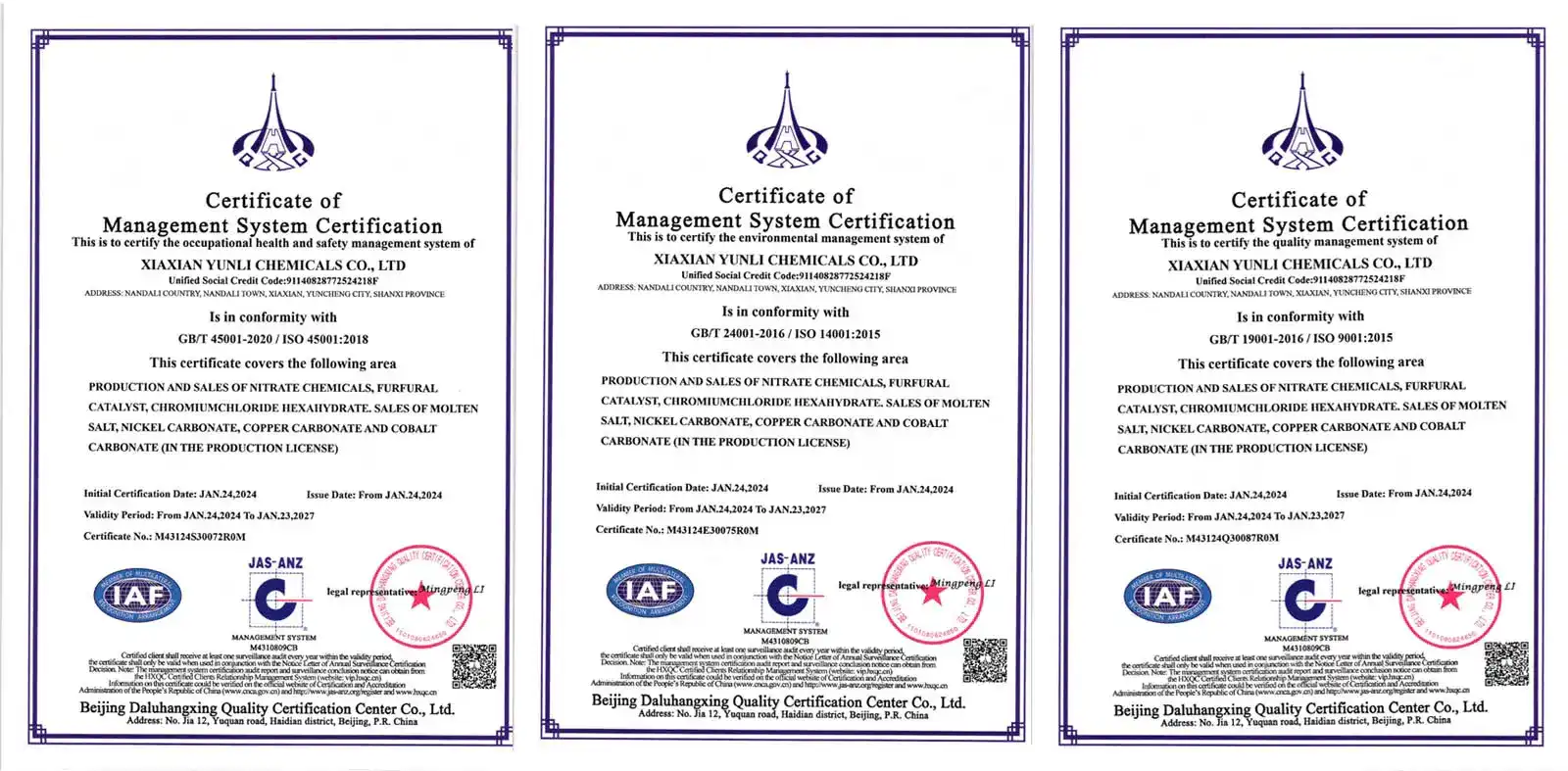
A lot more attention should be paid to manufacturers who meet the OHSAS Occupational Health and Safety, ISO 9001 Quality Management, and ISO 14001 Environmental Management guidelines. These credentials show that you can check the quality of the work carefully and follow the rules. If the Enterprise Technology Center gets permission at the local or national level, it means that it can do research and development for unique formulas.
Ask trustworthy labs like SGS and Intertek to provide third-party analysis results that prove the water meets the cleanliness standards of nitrate content ≥99.5%, iron ≤30ppm, sodium ≤50ppm, and chloride ≤50ppm. Look at the labs' gear when you do source checks. ICP-MS and atomic absorption spectrometers are high-tech tools that show they can make very pure grades that can be used in tough situations.
Pricing Structures and Minimum Order Quantities
How much liquid calcium nitrate costs depends on the cost of the raw ingredients, how well the product is made, and how far it has to be shipped. Most of the time, prices per unit are better for big orders in trucks or IBC totes (1000 liters) than for small drum amounts. Some companies let you try their products before you buy a big batch, and they even give you free samples of up to 25 to 500 grams to try. For new customers, you can pay ahead of time, and for long-term customers whose credit has been checked, you can pay net-30 or net-60. Find out about programs that will pay you in bulk for purchases you make a lot. Long-term contracts can save you 5–10% on costs and give you first choice on goods when they are in high demand.
Compliance Documentation and Logistics Support
Full paperwork packages must have an environmental compliance certificate, a Material Safety Data Sheet (MSDS/SDS), and a Certificate of Analysis (COA) for each batch. These are needed by target markets. When dangerous goods are shipped by road (ADR) or sea (IMDG), UN-certified packaging makes sure that the rules are followed. Before you order from a source, make sure they have enough in stock so that you don't have to wait for long lead times. It is important to know how to get around the world. Many years of experience as an exporter can help with passing customs, organizing chemical shipping, and providing temperature-controlled transport when needed to keep things from freezing during cold season moves.
Conclusion
That being said, in order to know if calcium nitrate raises pH, you need to know how difficult it is for soil chemicals and plant nutrients to work together. The pH of Calcium Nitrate Solution 45-50% liquid is close to neutral to slightly acidic, but how it responds over time in different places relies on how well it is absorbed, how well it buffers, and how the system functions. The liquid form is much easier to remove, handle, and work with than the solid form. To keep their businesses running smoothly and save money, purchasing managers and technical engineers in electroplating, wastewater treatment, precision farming, and chemical manufacturing need to find a supplier they can trust with quality systems that have been tested, flexible service, and full technical support.
FAQ
Does Calcium Nitrate Solution 45-50% liquid increase soil pH significantly?
The pH of the solution is about right (5.5–6.5), so there isn't a big change in pH right away. But when plants take in nitrate nitrogen, they release hydroxyl ions that can raise the pH slowly in hydroponics or other controlled systems. This result isn't always noticeable in grounds that are kept safe.
Can I mix liquid calcium nitrate with other fertilizers in the same tank?
It will settle out as calcium phosphate or calcium sulfate if you mix calcium with phosphate or sulfate nutrients. This will make the lines stop up. In fertigation systems, feed in a certain order and use different tanks to keep things from getting out of hand.
What is the shelf life of Calcium Nitrate Solution 45-50% liquid?
It stays stable for more than two years if it is kept in the right containers (stainless steel or HDPE) at or above 10°C and is kept clean. This lasts a lot longer than the time that hygroscopic solid forms can be used.
Will calcium nitrate harm sensitive crops or cause nutrient imbalances?
To be safe, calcium nitrate should only be used in small amounts. If plants get too much nitrogen, they might grow leaves instead of flowers. If they get too much calcium, they might not be able to absorb magnesium or potassium. Regularly checking tissues and nutrients can help keep things from getting out of balance.

Partner with Yunli Chemical for Premium Calcium Nitrate Solutions
The people at Yunli Chemical can help you get calcium nitrate. They have been making chemicals for 20 years and offer prices that come straight from the plant. We are a leading supplier of Calcium Nitrate Solution 45-50% liquid. Our mixes are extremely pure (99.5% nitrate content, 30 ppm iron) and can be used to make catalysts, do precision farming, treat wastewater, and make concrete. Both of our production sites and the technology center at the local level are ISO 9001-certified. This means that the standard is always the same.
Along with the COA, MSDS, and environmental safety papers, this is fully backed up. It saves you money because we don't use brokers and their markups. We also offer flexible minimum order amounts, free samples up to 500 grams, and concentration changes that are made to fit your needs. Your expert team can be reached at wangjuan202301@outlook.com if you want to buy in bulk, get product info sheets, or set up plant checks.
References
1. Chen, Y., & Wang, X. (2021). Nitrate Fertilizers and Soil pH Dynamics in Intensive Cropping Systems. Journal of Agricultural Chemistry, 45(3), 287-302.
2. Rodriguez, M., & Thompson, J. (2020). Calcium Nutrition in Hydroponics: Source Comparison and pH Management. Horticultural Science Review, 38(2), 145-159.
3. Anderson, P. (2019). Industrial Applications of Liquid Calcium Nitrate: From Wastewater Treatment to Concrete Technology. Chemical Engineering Quarterly, 52(4), 412-428.
4. Liu, S., & Kumar, R. (2022). Comparative Analysis of Nitrogen Sources on Soil Chemistry and Crop Performance. Soil Science International, 67(1), 78-94.
5. European Fertilizer Manufacturers Association. (2020). Best Practices for Liquid Fertilizer Application in Precision Agriculture. EFMA Technical Report Series, No. 18.
6. National Association of Chemical Distributors. (2021). Quality Standards and Procurement Guidelines for Industrial Nitrate Solutions. NACD Industry White Paper, 2021 Edition.