


How do you get nitric acid from iron nitrate?
From Iron Nitrate, you need to heat it up to between 125°C and 300°C to get nitric acid. Iron Nitrate is broken down into nitrogen oxide fumes and water mist. These turn into weak nitric acid when they cool down. In industry, this isn't the main way that nitric acid is made, but it works well in the lab and shows how Iron Nitrate salts can be used as oxidizing chemicals in sewing, making dyes for clothes, and making catalysts.
It is becoming more and more important for industrial workers and procurement managers to understand how ferric nitrate reacts with chemicals. This will help them solve issues like ferric nitrate breaking down while being stored, figuring out the risks of heat processing, or finding other ways to get back nitric acid. This guide goes into detailed depth about how to extract, what to buy, and safety rules. Because of this, B2B clients can make smart decisions that help their businesses run better and keep the supply chain safe.
Understanding Iron Nitrate – Composition, Properties, and Applications
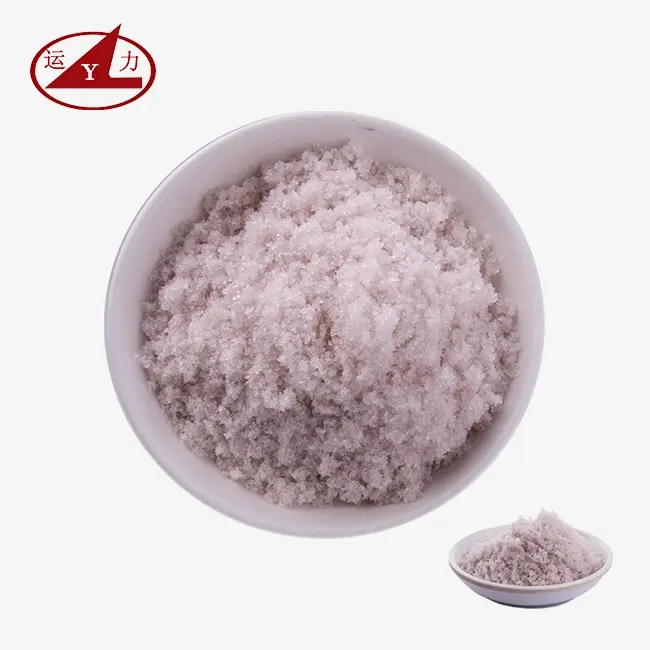
Iron Nitrate nonahydrate (CAS 7782-61-8) is a solid that melts away. It is purple. There are 404.01 grams of it in a molecular form, and its formula is Fe(NO₃)₃·9H₂O. Because it freezes at 47.2°C and has a specific mass of 1.68, it needs to be moved in a way that keeps the temperature fixed so it doesn't melt. The chemical is very useful for jobs that need to be done quickly in solutions because it dissolves easily in water, ethanol, and acetone.
Physical and Chemical Characteristics
Since ferric nitrate nonahydrate is deliquescent, it pulls water from the air. If the packing fails in humid conditions, it often comes in the form of a cake. To keep the things for a long time, they need cases and covers that keep water out because of this hygroscopic property. More quickly breaks down above 125°C, creating nitric acid fumes and nitrogen oxides. This trait is useful for recovering nitric acid on a small scale, but it makes it hard to air out output plants. Ferric nitrate combines with organic molecules because it can turn into oxygen. Care must be taken when handling this because it can burn or explode if it comes into contact with these things.
Industrial Applications Across Sectors
Iron Nitrate nonahydrate is used for more than one thing in companies. Iron is used to make iron phthalocyanine and iron oxide nanoparticles, which are then used to make ammonia and do other chemical oxidation processes. It is used as a mordant to dye black silks and cottons because it makes the colors last longer and makes the cloth heavier without adding salt to the dye. Instead of hexavalent chromium, ferric nitrate solutions are used in RoHS-compliant electroplating to smooth out metal surfaces. This makes it easier to treat wastewater. This stuff can also be used to keep some covers from rusting and to give things more weight when they need it.
Ferric nitrate dissolves better and gets rid of any halogens or sulfur that are left over during heat processing than other choices like iron sulfate or iron chloride. These are big benefits in processes that need to be very pure, like making pharmaceutical products and cutting electronic parts.
The Chemistry Behind Extracting Nitric Acid from Iron Nitrate
Nitric acid is released from Iron Nitrate nonahydrate when it breaks down at high temperatures. Heat the material in a controlled way, and it breaks down in several steps. The thing melts when heated to about 47°C at first. It loses water when the temperature goes up to 125°C. At this point, the material starts to break down, making water vapor and nitrogen fumes (mostly NO₂ and NO). Heating it above 150°C to 300°C speeds up the breakdown process. It turns into gaseous products that, when solidified, give off nitric acid that is less concentrated and a solid waste known as iron(III) oxide (Fe₂O₃).
Temperature Ranges and Reaction Conditions
The grade and yield depend on how well you keep the temperature in check. What you heat up too quickly breaks down quickly and gives off too much nitrogen oxide, which makes it harder to catch the gas. By slowly raising the temperature, you can control how much gas is made, which makes condensation work better. In the business world, jacketed reactors with neutral atmospheres are used to stop oxidation side reactions. Acid fumes are turned into liquids in systems that use glass or metal coils that don't rust to cool them down. Nitrogen gas waste is cleaned up by scrubbers so that environmental standards are met. This stops the gas from going into the air.
Industrial Extraction Setups
Laboratory-scale extraction uses round-bottom flasks with condensers, heating mantles, and gas-washing bottles for nitrogen oxide absorption. Industrial scaling employs continuous-feed reactors, multistage condensation trains, and automated temperature monitoring. Commercial adoption remains limited due to the Ostwald method's cost advantage. Ferric nitrate decomposition proves valuable in closed-loop systems recovering nitric acid from spent salts. Recovery efficiency typically ranges 40-60%, with distillation required for concentration enhancement.
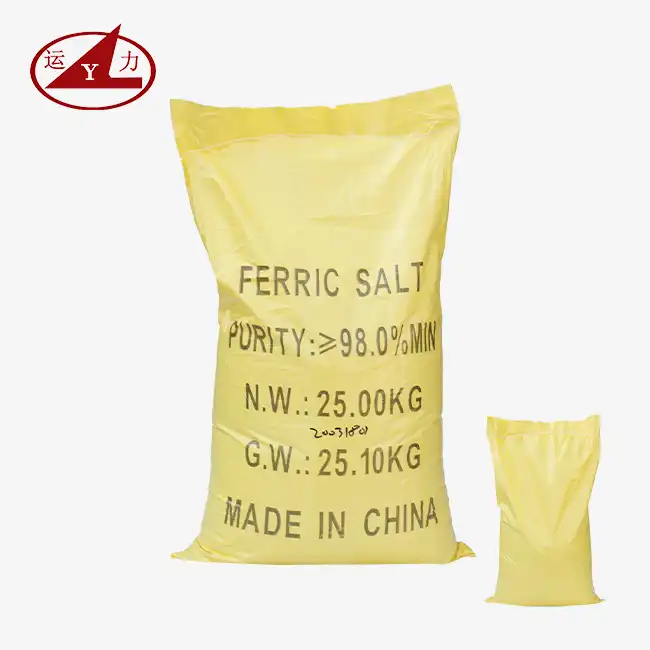
Comparing Iron Nitrate and Other Iron Salts for Nitric Acid and Agricultural Uses
Different products have different needs, so you should choose between Iron Nitrate, iron sulfate, and iron chloride. The development of concentrated liquid mixes for hydroponics and plant sprays is made possible by the fact that Iron Nitrate is more soluble than iron sulfate and can be fully dissolved. Iron chloride is a liquid, but when it breaks down at high temperatures, it leaves behind halogens and chloride ions that make metalworking tools rust faster. This is a problem when catalysts are being made because the impurities can hurt the active sites.
Environmental and Reactivity Considerations
In terms of the atmosphere, ferric nitrate breaks down into nitrogen fumes that can be cleaned up by systems that scrub. Iron sulfate, on the other hand, turns into sulfur dioxide, which needs a different kind of equipment to treat. Iron Nitrate can be used instead of iron sulfate to make the earth less acidic. Iron sulfate creates sulfuric acid over time. Nitrate is useful in farming because it can give plants both iron and nitrogen. But if it gets spread out too much, it could hurt the groundwater.
It's not the same to move liquid and solid types of things. If you want to store and use liquid Iron Nitrate solutions, you need to make sure they don't leak and keep an eye on their temperature so they don't turn into crystals. They last longer and are easier to ship when they are solid, but they need to be melted first. Premium types have anti-caking agents that keep the product from absorbing water, so it stays fluid while it's being kept.
Specialized Alternatives
Because they work so well, iron chelates (such as Fe-EDTA and Fe-DTPA) are worth the extra money when it comes to high-value foods. Iron doesn't settle out in alkaline soils because of these groups. This keeps nutrients from being lost. Chemicals that lower the number of times they need to be used and raise crop yields in greenhouses and precision farming cost more.
Procurement Guide: Sourcing High-Quality Iron Nitrate for Nitric Acid Manufacturing
You can trust suppliers to give you regular goods and complete, high-quality papers. At least 98% pure ferric nitrate nonahydrate should be used in industry, and at least 99.9% pure should be used as a catalyst. An iodometric titration is used to show that the stoichiometry is correct, and a solid matter level of less than 0.005% stops dirt from getting stuck in spray systems.
Certifications and Compliance Standards
When you get ISO 9001 approval, you can be sure that the quality of your goods will stay the same from batch to batch. Following ISO 14001 shows that you care about the environment, which is very important when you need to get rid of nitrates. Goods must follow the rules for safety and the environment in Europe and the US. In Europe, this is done through REACH registration, and in the US, it is done through OSHA alignment. It is safer to buy from suppliers who give full paperwork like Certificates of Analysis (COA), Safety Data Sheets (SDS), and environmental compliance reports. It is also easier for regulators to do checks.
Companies that have been around for a while, like Yunli Chemical, which has been around since 2005 and makes more than RMB 1 billion in sales every year. Because Yunli Chemical is a Shanxi Provincial Enterprise Technology Center, it has high-tech research tools like ICP-MS and atomic absorption spectrometry that can find impurities as small as parts per million. With this level of scientific information, formulas can be made just the way the client needs them, with chloride (<100ppm), sulfate, and heavy metal concentrations.
Pricing and Contract Negotiations
It's cheaper per unit when you buy in bulk, and sales of tons are much cheaper than sales of smaller amounts. When the market changes, long-term supply deals keep prices fixed. They also make sure that supplies are spread out fairly when supplies are low. There is more to the total cost of buying than just the unit price. It also covers freight, storage, handling, and problems with quality that might happen. If you judge a provider's trustworthiness by things like the number of on-time deliveries, the number of flaws, and how quickly technical help reacts, you can avoid costly production delays.
Because ferric nitrate is a Class 5.1 oxidizer, it must be packed in a way that is allowed by the UN, have a hazard sign, and be moved in a way that follows the rules for moving dangerous goods. For goods going to other countries, you need customs forms like Harmonized System (HS) codes and import permits that are specific to that country. Reliable providers take care of these tasks without any issues and offer given prices that are in line with regulations.
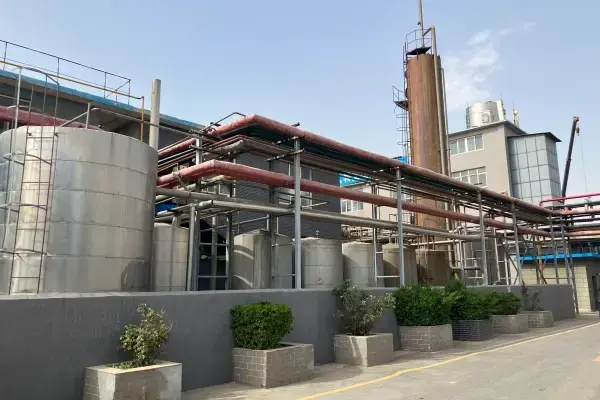
Safety, Environmental Impact, and Regulatory Compliance
You need to know about the risks of Iron Nitrate before you can handle it safely. Because Iron Nitrate is a strong oxidizer, it speeds up the burning of biological materials, so it should be kept away from things that can catch fire. Because acidic breakdown products of Iron Nitrate are rough on the skin, you need to wear rubber gloves and safety clothes. If you take in Iron Nitrate decomposition fumes (nitrogen oxides), they can hurt your lungs. Because of this, places where people work with Iron Nitrate need to have air systems and fume hoods. These sheets tell you what to do in an emergency with Iron Nitrate, like how to clean up a spill with sodium bicarbonate liquids and safe absorbents.
Toxicity and Exposure Controls
Nitrogen oxides are released when things get hot. Being exposed to them for a long time can make your lungs swell and make it hard to breathe. Because of exposure limits at work (usually 5 ppm for NO₂), buildings that use heat breakdown processes have to check the air all the time. Safety glasses, face shields, and respirators with acid gas tubes are all types of personal protective equipment. Less direct touch is needed with automated handle systems, which lowers the risk of work exposure.
Environmental Waste Management
To keep water from getting too nitrate-rich and dangerous, used ferric nitrate solutions need to be reduced before they can be used again. Systems that use ion exchange or reverse osmosis to get back nitrate so it can be used again, and systems that use precipitation to turn iron that has been dissolved into sludge that can be taken away. Carbonic acid is used to clean up gaseous pollution. It changes nitrogen oxides into nitrites and nitrates, which are then taken in by sewer streams. Most of the time, solid garbage like iron oxide residues is not dangerous, but it needs to be properly identified and thrown away at designated spots.
Chemical ingredients that are more than a certain amount need to be recorded with systems like REACH when they are used. This means that information about safety and the surroundings needs to be sent in. OSHA's Process Safety Management standard says that places that use a lot of oxidizers need to follow rules for analyzing hazards, planning operations, and being ready for emergencies. Compliance lowers a company's legal risk and boosts its image, meeting the expectations of those who have a stake in the company for responsible chemical management.
Conclusion
It is possible to get nitric acid out of Iron Nitrate nonahydrate, which shows how reactive the molecule is at high temperatures and how useful it is as a chemical. However, this method is still not widely used in trade. If people who work in buying and process engineering understand this chemistry, they can figure out how to measure safety risks, make handling better, and rate the skills of providers. If you buy approved high-quality ferric nitrate, it will always work the same way when you use it to make catalysts, color materials, or clean metal surfaces. Strict safety rules and taking care of the surroundings keep workers and communities safe and also help the business succeed in the long run. We help industrial clients meet their production goals and legal obligations by giving them solid supply lines that are based on technical knowledge and best buying practices.
FAQ
Can ferric nitrate decomposition produce commercially viable nitric acid?
Thermal breakdown can be used to get back dilute nitric acid on a small scale, but the Ostwald method (ammonia oxidation), which is used on a big scale, is more cost-effective. Often, the cost of heating, condensing, and concentrating acid is higher than the price of getting acid itself. On the other hand, closed-loop recycling from used nitrate salts can help cut down on waste and follow the law.
What distinguishes iron nitrate from iron sulfate in agricultural applications?
Over time, iron sulfate drops pH and needs lime added. Iron Nitrate, on the other hand, gives plants iron and nitrogen without making the soil more acidic. Because nitrate is easily dissolved, it can be put on plants directly or used in hydroponic systems, which let plants take in nutrients quickly. But too much nitrate can damage groundwater, so exact amounts need to be used.
Where can I find the best Safety Data Sheets for ferric nitrate?
An SDS should be given to you by a trustworthy seller when you buy something. It should list the risks, how to handle them safely, and what to do in an emergency. For instance, the U.S. Anyone can see information about safety in ChemIDplus from the National Library of Medicine. One way to make sure that the rules are followed is to have companies check that the SDS are right.
Partner with Yunli Chemical for Premium Iron Nitrate Supply
For use in business, Yunli Chemical offers high-quality ferric nitrate nonahydrate. Their product is very pure (≥98%) and can have different impurity levels to meet the needs of making catalysts, handling textiles, and treating metals. The fact that we have ISO 9001, ISO 14001, and OHSAS certifications shows that we have been dedicated to quality and environmental care for twenty years. We have a steady supply of what you need and can help you with anything you need. The Shanxi company where we make Fe(NO₃)₃·9H₂O has modern analytical tools and research and development facilities at the provincial level. These make sure that we always follow the rules and meet product standards.
There is no need for a minimum order with our flexible working models. This is true whether you need to sell a lot of tons or get free samples of up to 500 grams. Factory-direct prices, flexible packing, and self-run export services make it easier to get goods to U.S. markets. Our team can be reached at wangjuan202301@outlook.com to discuss your Iron Nitrate requirements, request Certificates of Analysis, or arrange for product samples. Learn more about how working with a trustworthy Iron Nitrate supplier can make your process and supply chain safer. yunlichemical.com has all the knowledge you need about a product as well as specialized tools.

References
1. Greenwood, N.N., and Earnshaw, A. (1997). Chemistry of the Elements, 2nd Edition. Butterworth-Heinemann, Oxford.
2. Kirk-Othmer. (2007). Encyclopedia of Chemical Technology, 5th Edition, Volume 14: Fertilizers and Inorganic Chemicals. Wiley-Interscience.
3. Seidell, A., and Linke, W.F. (1965). Solubilities of Inorganic and Metal-Organic Compounds, 4th Edition. American Chemical Society, Washington D.C.
4. Patnaik, P. (2003). Handbook of Inorganic Chemicals. McGraw-Hill Professional, New York.
5. Smith, R.M., and Martell, A.E. (1989). Critical Stability Constants, Volume 6: Second Supplement. Plenum Press, New York.
6. U.S. Environmental Protection Agency. (2012). Guidelines for Water Reuse. EPA/600/R-12/618. Office of Research and Development, Washington D.C.