





How do you know if its magnesium nitrate or nitrite
It is very important to be able to tell the difference between Magnesium Nitrate and magnesium nitrite when buying things and when working. The nitrate ion is present in Magnesium Nitrate, while the nitrite ion is present in Magnesium Nitrite. How stable these compounds are, how well they oxidise, and what they can be used for are all very different. Magnesium Nitrate hexahydrate crystals are clear and stable. They are used in agriculture, the production of catalysts, and the concentration of nitric acid. Magnesium nitrite, on the other hand, is less stable and more volatile. It is also more dangerous and hard to get, so it is not often used in industry.

Understanding the Difference Between Magnesium Nitrate and Magnesium Nitrite
Chemical Structure and Molecular Identity
Magnesium Nitrate hexahydrate can be expressed as Mg(NO₃)₂·6H₂O. Its CAS number is 13446-18-9 and its molecular weight is 256.41. The crystal structure of this compound is stable at room temperature and is monoclinic. The density of it is 1.6363, and it melts at 89°C. When heated above 90℃, it turns into basic salts. When heated above 330℃, it turns into magnesium oxide all the way through. Magnesium nitrite (Mg(NO₂)₂), on the other hand, is not as stable and is more likely to oxidise, which means it breaks down more quickly when it comes in contact with water or heat.
Physical Properties and Solubility Profiles
Because of its great solubility, Magnesium Nitrate is used in fertigation and other solution-based processes in industry. It breaks down quickly in alcohol and water. The crystal structure is clear and colourless, which makes it easy to see when quality control is being done. Magnesium nitrite, on the other hand, is harder to dissolve and goes yellow over time as it oxidises and impurities form. Magnesium Nitrate solutions typically have a pH range of 4.0 to 6.0, making them suitable for use with both acidic tank systems and hydroponic nutrient mixes. When it comes to pH, magnesium nitrite solutions are not as stable, which makes it harder to control the formulation precisely.
Application Scope and Industrial Relevance
Magnesium Nitrate hexahydrate is used in a variety of applications, including precision horticulture, where it mixes well with calcium nitrate and doesn't create gypsum precipitates that are difficult to dissolve. This link is very important for greenhouse fertigation systems that feed peppers, tomatoes, and other valuable plants with nutrients. It changes the balance between vapour and liquid to quickly reach an azeotropic concentration. In heavy industry, it is used to remove water from the process of making concentrated nitric acid. This mix is also used to make catalysts and ceramics that need very little iron (≤30ppm) because it is very pure. People don't use magnesium nitrite very often because it is dangerous and doesn't have many useful qualities.
How to Identify Magnesium Nitrate vs Nitrite in Procurement and Usage
Visual Inspection and Physical Characteristics
If buying teams look at these chemicals closely, they can tell them apart at first. Real Magnesium Nitrate hexahydrate has clear, white crystals with grains that are all the same size. Any yellowing, clumping that isn't caused by normal hygroscopic caking, or off-white discolouration could mean that the substance is broken down or contaminated. Magnesium nitrite is not as clear as Magnesium Nitrate and is usually a pale yellow colour. It's important that the package stays together. When stored somewhere below 30℃ and with low relative humidity, double-layer PE-lined bags keep moisture out and keep goods from caking too soon.
Onsite Chemical Testing Methods
As part of background checks, easy qualitative tests can be used to make sure someone is who they say they are. Magnesium Nitrate and magnesium nitrite can be told apart by the brown ring test. If you dissolve a sample in weak sulphuric acid and then cover it with ferrous sulphate solution, you get a brown ring that you can't get with nitrites. Magnesium Nitrate is also very good at oxidising things. Adding small amounts to organic materials can make them catch fire on their own, which doesn't happen with nitrite samples. These field tests aren't conclusive, but they're a good way to get a quick idea of what's going on before the lab analysis.
Laboratory Analytical Techniques
For sure accuracy, you need high-tech tools. Inductively coupled plasma mass spectrometry (ICP-MS) checks for arsenic, iron, lead, and cadmium, as well as nitrate and nitrite ions. Ion chromatography (IC) sorts and counts these ions exactly. The water insolubles found by gravity should stay below 0.05% so that watering tools don't get stuck. You can be sure that 5% water solutions are in the right pH range (5.0–7.0) by checking their pH. There is still free acid or ammonia present if there are any changes. Titration is a way to find out how much magnesium is present and make sure that the purity levels are at least 99.5% for medical and pharmaceutical uses.
Certificate of Analysis Verification
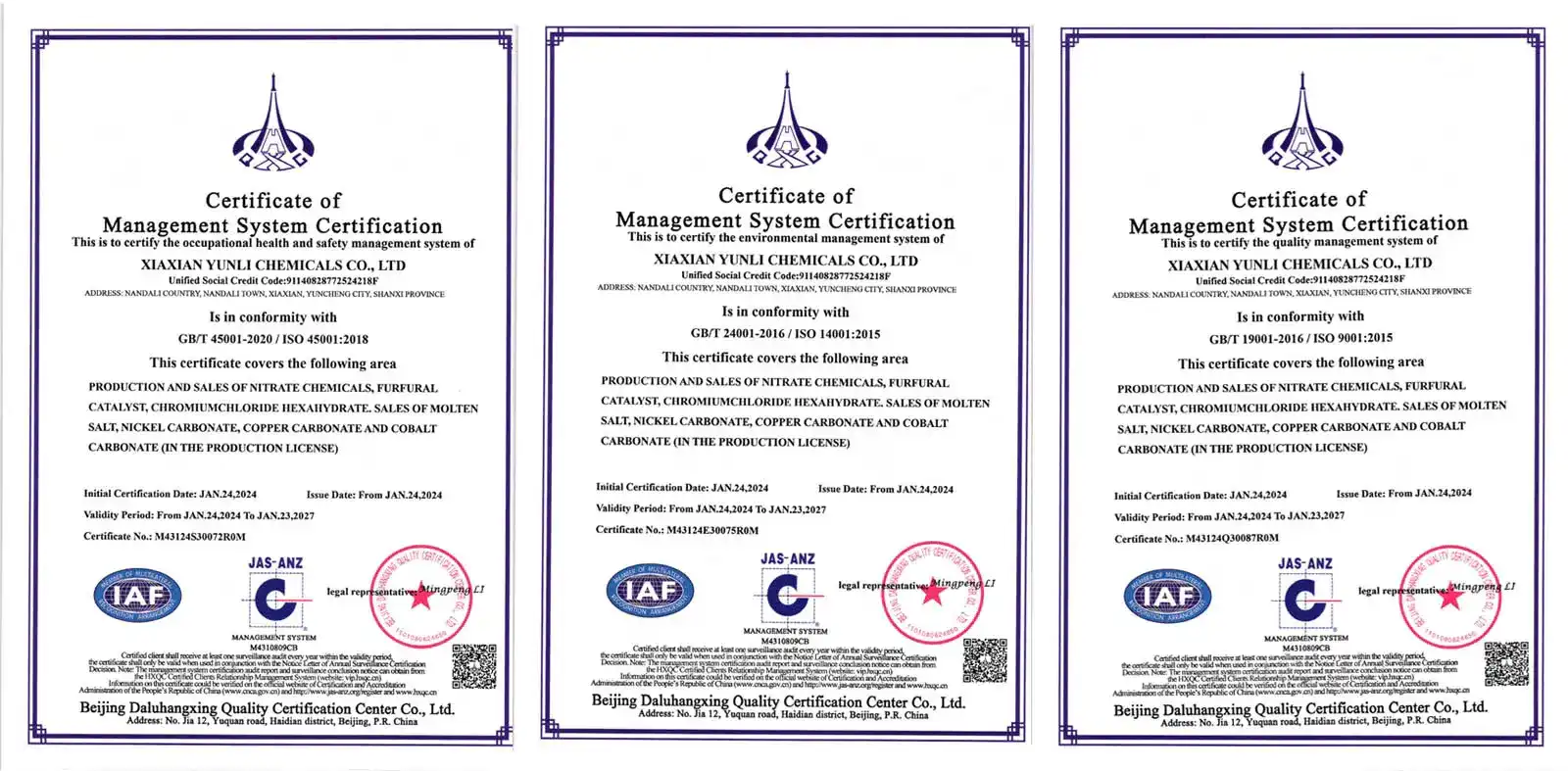
The Certificates of Analysis (CoA) that sellers give you are the most important part of your due diligence before you buy. If there is more than one batch, there should be full test results that show the pH, heavy metal profiles, magnesium content, and nitrate percentage. When you compare CoA data with testing done by a third-party lab, it lowers the chance of supplier fraud and shows that the product is real. Suppliers who are open and honest can easily show that they care about quality and the environment by giving out batch-specific paperwork and ISO 9001, ISO 14001, and REACH compliance certificates.
Practical Implications for B2B Buyers: When Does It Matter?
Agricultural and Hydroponic Contexts
Plants need magnesium because it helps them make chlorophyll and enzymes work. When fertigation is used, Magnesium Nitrate forms work better than nitrites because roots can easily take in nitrate ions, which are then used by plants to make more food. This helps plants grow leaves and fruits. When nitrites build up, on the other hand, they can hurt plants, stopping their growth and making crops less safe. In tank mixes, Magnesium Nitrate and calcium nitrate can coexist. These steps stop the issues with magnesium sulphate forming gypsum, so nutrients can keep moving through drip irrigation systems without stopping.
Industrial and Chemical Manufacturing
For the process to work well, you must pick the right magnesium salt. Magnesium Nitrate's drying effect makes the production of concentrated nitric acid more thermally efficient and less prone to rusting than sulphuric acid. In this case, the gear lasts longer and costs less to run. To keep the catalyst from discolouring and having other problems during sintering, it needs to have an extremely low iron level. Magnesium nitrite isn't pure enough or stable enough at high temperatures for these demanding uses. This means it can't be used in big processes that need to keep working well and following the rules.
Storage, Shipping, and Regulatory Compliance
Magnesium Nitrate must be properly marked and kept away from flammable materials while it is being moved and stored, according to UN 1474, Class 5.1, Packing Group III. Steel (304/316), HDPE, or fiberglass-reinforced plastic should be used to make storage boxes so they don't rust. The reason for this is that the material is slightly acidic and quickly oxidises. In cold places, shipping may need covered trucks or versions with less salt and additives that stop it from crystallising so that it doesn't freeze at temperatures close to 0°C. Laws about the environment say that heavy metals must be labelled and controlled very strictly. Reliable suppliers meet these needs by having thorough records and systems that are certified to follow the rules.
Choosing the Right Magnesium Nitrate Supplier: What to Look For
Supplier Certifications and Quality Assurance
People who are reliable have certificates that are accepted all over the world. For example, ISO 9001 is for quality management, ISO 14001 is for environmental systems, and OHSAS is for health and safety at work. These credentials show that the business uses standard ways to make things, checks everything carefully, and wants to keep getting better. Being named an enterprise technology center at the provincial or national level shows that a business is putting money into new ideas and research and development (R&D). So, the Magnesium Nitrate goods are always the same, and technical help is always quick. Checking these certificates makes getting something much safer, especially for people who are in charge of long-term deals that need solid quality.
Product Purity and Formulation Flexibility
You can be sure that the product specs meet the needs of your business when you look at them. A purity value of 99.5% or higher is best when it's very important to keep impurities under control, like in pharmaceutical research, catalyst synthesis, and making electronic materials. Iron content can be changed from the normal 30ppm to 10ppm, which lets uses that are sensitive to metal contamination be used. When there are solid crystals and liquid solutions that have already been dissolved, you can meet strict impurity standards without having to spend a lot of money on dissolving steps in large-scale operations. Different supply chains and end-use situations can work with customised packing that changes things like the labels and concentration.
Pricing Structures and Logistical Considerations
When you buy in bulk, you can get discounts, easy payment terms, and rebate policies that save distributors who deal with a lot of different types of chemicals money. Price changes and unstable supplies can cause problems, but they aren't too big of a problem when supplies are stable and prices are competitive. When you buy directly from a plant, you don't have to pay markups to middlemen. This helps keep prices high. Self-operated export skills make operations in other countries easier and more reliable by making sure that goods are delivered on time. Free samples (up to 500 grams) and flexible minimum order amounts make it easier to try before signing large-scale contracts. This makes customers less hesitant and speeds up the process of forming partnerships.
Troubleshooting & FAQ: Ensuring You Get Magnesium Nitrate, Not Nitrite
Common Pitfalls in Magnesium Salt Identification
It's easy to make mistakes when buying things because you don't check out the seller enough, look over the papers carefully enough, or just look at it. When fake or mislabeled goods get into the process, they mess things up, which costs a lot of money and puts people at risk. Supply chain fraud can be strongly avoided by using multiple levels of proof, such as a close examination of the CoA, chemical tests at the source, and regular analysis of Magnesium Nitrate by a third-party lab. People who want to buy something should keep an eye out for prices that are much lower than the going rate. This could mean that the quality isn't good enough or that the seller is telling lies.
Corrective Actions for Suspected Contamination
If you see changes in colour, stability, or performance, you should separate the batches that might be contaminated right away to keep the contamination from spreading to other groups. Ion chromatography or ICP-MS confirming testing tells you the exact make-up and amount of impurities present. Safe ways to dump must be followed when it comes to local environmental rules about oxidising agents. When you talk to sellers freely about quality problems, you can figure out what went wrong and take steps to fix it. This saves the relationship's long-term success. Suppliers will be more likely to be responsible if contracts include terms for batch replacement and penalties for not meeting standards.
Building Strong Supplier Partnerships
Having ways to talk to each other all the time makes it easier to avoid problems and maintain good quality. Quality checks, which can be done on-site or by inspectors from outside the company, make sure that rules are being followed and that production is always the same. Tech support, like showing you how to use an application or fixing problems, keeps things running smoothly and makes customers happy. They are more reliable and financially stable if they have been in business for 20 years or more, make at least 1 billion RMB a year, and are accredited by a provincial technology center. This makes the supply chain less vulnerable.
Conclusion
In the farming and manufacturing sectors, being able to tell the difference between Magnesium Nitrate and magnesium nitrite accurately protects the integrity of procurement, operational efficiency, and regulatory compliance. If you know the differences between chemicals, test the product on-site, and only buy from approved sources, you can lower the risk of contamination and be sure the product is real. Magnesium Nitrate hexahydrate is the best choice for fertigation systems, making nitric acid, and making catalysts because it is safe, flexible, and can be used in many ways. At the top of the list for procurement professionals are supplier certifications, clear documentation, and strict quality assurance. This helps them build strong supply chains that can support long-term business growth and technological progress.
FAQ
Q1: Can I Test Magnesium Nitrate Purity Onsite Without Laboratory Equipment?
A: The goal is to get a pH number between 5.0 and 7.0 for diluted solutions. You can also check Magnesium Nitrate on-site by seeing how well it dissolves in distilled water (it should dissolve totally with no residue), or you can use the brown ring test to make sure that nitrate ions are present. If you really want to know how pure something is, you need to have an ICP-MS or titration analysis done by a certified lab. This will give you an exact reading on the magnesium level, heavy metals, and things that don't dissolve in water.
Q2: What Environmental Regulations Govern Magnesium Nitrate and Nitrite Use?
A: Different places have different rules, but most of the time, they cover things like how to classify oxidisers, how to name goods for shipping (UN 1474), how to keep things separate in storage, and how to get rid of old or dirty things. The amounts of lead, cadmium, arsenic, and mercury are as safe as they need to be for farms and businesses that need environmental permits. Keep your ISO 14001 license and show that you can properly treat wastewater. This will help buyers stay in line, which lowers their risk of being sued.
Q3: What Risks Arise From Substituting Nitrite for Nitrate in Fertilizer Applications?
A: If there is too much nitrite, plants can't grow roots or make chlorophyll, so substitution raises the risk of phytotoxicity. Like nitrate, nitrite is hard for plants to break down. It can mess up the process of cellular respiration and pollute groundwater, which is against the law. It's more expensive to lose money when crops don't grow as well or at all and the government charges people. Such expensive mistakes can be avoided by being very clear about what you want to buy and checking with the seller.
Partner with Yunli Chemical for Premium Magnesium Nitrate Supply
Magnesium Nitrate hexahydrate that is very pure is sold by Yunli Chemical. They have been making it well for more than 20 years and make more than RMB 1 billion a year. We follow all environmental rules and make sure that production stays stable thanks to our ISO 9001, ISO 14001, and OHSAS standards. We offer factory-direct prices, different levels of purity (from ≤30ppm to ≤10ppm iron content), and flexible packing. We also handle our own export operations, which means we can deliver on time anywhere in the United States. Experts in buying things and technology can test our products more easily because there is no minimum order size and we give away free samples of up to 500 grams. For a full Certificate of Analysis, find out more about what we can do as a Magnesium Nitrate provider, and find a partner you can trust who will put your business success first, email our team at wangjuan202301@outlook.com or go to yunlichemical.com.

References
1. Smith, J.R., & Thompson, L.K. (2021). Industrial Applications of Magnesium Salts: A Comprehensive Review. Chemical Engineering Press.
2. Williams, A.D. (2020). Nitrate vs. Nitrite in Agricultural Systems: Performance and Safety Considerations. Journal of Agrochemical Science, 48(3), 215-230.
3. Chen, M., & Zhang, H. (2019). Quality Control Methods for Inorganic Nitrate Compounds in B2B Procurement. International Journal of Industrial Chemistry, 12(4), 487-502.
4. Rodriguez, P.L. (2022). Oxidizing Agents in Chemical Manufacturing: Handling and Regulatory Compliance. Safety & Environmental Management Quarterly, 35(2), 78-91.
5. European Chemicals Agency (2020). REACH Compliance Guidelines for Magnesium Nitrate Hexahydrate. ECHA Publications.
6. National Institute of Standards and Technology (2021). Analytical Methods for Magnesium Compounds: Spectroscopy and Titration Techniques. NIST Technical Report 1456.







