


Why does cobalt nitrate absorb 515nm the best?
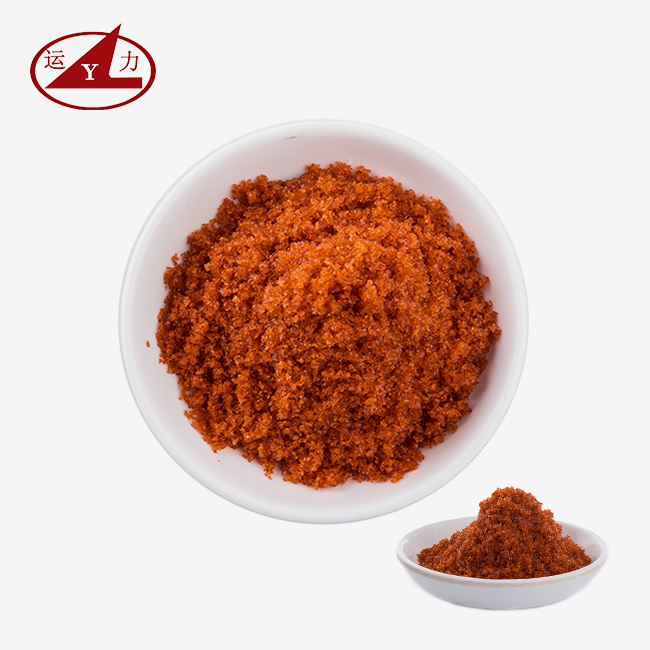
Cobalt Nitrate hexahydrate (Co(NO₃)₂·6H₂O) absorbs light best at around 515nm. This is because the Cobalt(II) ion has a unique electronic structure in an octahedral hydrated coordination environment. The cobalt ion goes through d-d electronic transitions when dissolved or crystallized with six water molecules. These transitions specifically absorb green light at this wavelength, giving the combination its reddish-brown color. This absorption peak is related to the crystal field splitting energy of hexaaqua cobalt complexes. This makes 515nm the best frequency for tracking in industry and doing quantitative analysis.
Understanding the Optical Properties of Cobalt Nitrate
Since the early 1900s, scientists and industrial engineers have been interested in how cobalt compounds behave optically. To figure out why Cobalt Nitrate absorbs light best at 515nm, we need to look at both its chemical structure and the quantum mechanics that govern transition metal complexes.
Electronic Transitions in Cobalt(II) Complexes
The way that Cobalt Nitrate absorbs things is because of how its electrons are arranged. When ligands are around Cobalt(II), its seven d-electrons (3d⁷) create energy gaps between its d-orbitals. In the hexahydrate form (CAS 10026-22-9), six water molecules form an octahedron around the central cobalt ion. This makes the t₂g and eg orbitals share energy. When 515nm photons hit this complex, they have just the right amount of energy to move electrons between these two split d-orbitals, which causes a lot of absorption. Because this wavelength is in the green part of the visible spectrum, solutions and crystals of Cobalt Nitrate look reddish-brown, which is the opposite color of green.
Crystal Field Effects and Hydration State
The hydration state has a big effect on how well something absorbs water. Due to changes in the coordination environment, anhydrous Cobalt Nitrate exhibits different spectrum properties than hexahydrate Cobalt Nitrate. The hexahydrate structure keeps the octahedral shape stable, which leads to constant absorption at 515nm. Because it is always the same, Co(NO₃)₂·6H₂O is very useful for scientific tasks that need accurate readings that can be repeated. The absorption peaks for cobalt sulfate and cobalt chloride are slightly different, at around 510nm and 520nm, respectively. This is because the anionic ligands partially replace the water molecules, which changes the crystal field strength and moves the absorption peak.
Molecular Structure Influence on Spectral Behavior
In water, the nitrate ions in Cobalt Nitrate don't really coordinate with anything else, so the coordination sphere is mostly made up of water molecules. In contrast to cobalt chloride, where chloride ions can directly coordinate to the metal center and change the symmetry, this structural arrangement makes the electronic environment more uniform. The hexahydrate has a molecular weight of 291.03 g/mol, which means that six water molecules are stable inside the crystal structure. These structural water molecules are not just there as water; they are also an important part of the coordination chemistry that creates the unique 515nm absorption maximum.
Factors Influencing 515nm Absorption in Cobalt Nitrate
There are a number of practical factors that affect how well your Cobalt Nitrate sample will absorb light at 515nm. These factors have a direct effect on quality control processes and application performance.
Chemical Purity and Impurity Effects
Trace metal contaminants change spectral measurements in a big way. When iron impurities are more than 30ppm, they cause absorption bands to overlap, which can hide or move the 515nm peak. Copper pollution causes more absorption in the blue area, which changes the way colors work in pigment applications. High-purity Cobalt Nitrate hexahydrate, with less than 30ppm of iron and less than 10ppm of copper, makes sure that spectral performance stays the same. ICP-MS analysis is used at our plant to make sure that every output batch meets these strict purity standards. This way, we can be sure that the optical properties of each batch will be the same.
Physical Properties and Concentration Variables
It's surprising how much solubility affects how well something absorbs. Because Cobalt Nitrate dissolves easily in water (about 134 g/100 mL at 0°C), it is possible to make concentrated solutions that don't precipitate. However, Beer's Law doesn't hold up above a certain concentration because of ion pairing. For reliable 515nm readings, the best concentration range is usually between 0.01 M and 0.1 M. Temperature is also important. Because the substance has a low melting point of 55–56°C, the way it is stored can change the structure of the crystals, and crystals that have been broken down may have different hydration states with different absorption properties.
Synthesis Methodology and Crystal Quality
The way things are made has a direct effect on spectral uniformity. Controlled crystallization from nitric acid solutions makes crystals that are all the same size and have the same amount of water, which guarantees consistent 515nm absorption. Materials can have different levels of water when they are quickly precipitated or dried incorrectly, which can lead to batch-to-batch spectral difference. During crystallization, our closed-loop production system keeps precise temperature and humidity controls in place. This ensures that the Cobalt Nitrate hexahydrate has consistently uniform visual properties. This consistency is very important when your processes depend on being able to predict spectral behavior, like when you're checking the quality of pigments being made or tracking the impregnation of catalysts.
Practical Applications of Cobalt Nitrate's Absorption at 515nm
Cobalt Nitrate goes from being a straightforward chemistry reagent to a useful scientific and industrial tool in many fields thanks to its unique 515nm absorption maximum.
Analytical Chemistry and Spectrophotometric Assays
The 515nm absorption is used by lab technicians to measure the amount of cobalt in complex mixtures. The clear absorption peak makes it possible to measure accurately even when other transition metals are present in the solution. Cobalt Nitrate is the best standard for measuring analytical equipment because it can be used in spectrophotometers to find cobalt levels as low as 0.5 ppm. This feature is used by environmental testing labs to keep an eye on the cobalt levels in wastewater streams from electroplating plants and make sure that release limits are being followed.
Catalyst Manufacturing and Quality Control
During the loading of cobalt onto alumina supports, 515nm absorption monitoring is used by companies that make petrochemical catalysts. By measuring absorbance at this wavelength, production engineers can make sure that the cobalt is spread out evenly in the impregnation baths and find problems with the loading before the metal is heated. This real-time quality control stops expensive batch fails and makes sure that the Co-Mo hydrodesulfurization catalysts that are made meet performance standards. Monitoring cobalt concentration without having to do a lot of work on samples speeds up production and lowers the cost of analysis.

Battery Precursor Synthesis Applications
Manufacturers of lithium-ion battery precursors use spectrophotometric monitoring at 515nm to keep accurate cobalt-to-nickel ratios during the creation of NCM (Nickel-Cobalt-Manganese) cathode materials. The unique absorption makes it easy to check quickly that the levels of Cobalt Nitrate in co-precipitation reactors stay within the desired ranges. This stops stoichiometric drift, which would negatively impact the performance of the battery. For this use, the material needs to be very pure. Our sulfur-free recipe with a pH range of 3.0 to 5.0 gets rid of any impurities that could harm the cathode materials or cause unwanted side effects.
Pigment Production and Color Quality Verification
Consistent 515nm absorption is used as a quality sign by ceramic and glass companies that make cobalt blue colors. Differences from the expected absorption profile show problems with impurities or wrong cobalt oxidation states that would lead to products that aren't the right color. The reddish-brown solid form of Cobalt Nitrate hexahydrate is used as both a precursor and a quality standard. Its unique ability to absorb light makes it a useful reference point throughout the whole process of making pigments. When iron particles get in the way of the desirable blue hue development, they muddy the color. High-purity grades stop this from happening.
Handling, Safety, and Storage Guidelines for Cobalt Nitrate
The right way to handle Cobalt Nitrate protects workers and the quality of the product while also following all the rules.
Safety Classifications and Personal Protection
Cobalt Nitrate hexahydrate is classified as a number of different types of dangerous. It is a Class 5.1 oxidizer (UN 1477), which means it can catch fire or explode when it comes in touch with biological materials or reducing agents. If you swallow, breathe in, or absorb the substance through your skin, it can be dangerous. When handling it, you need to wear full safety gear. When handling powdered material, chemical-resistant gloves, safety goggles with side shields, and respiratory protection are all recommended PPE. Work areas should have enough air flow to keep dust from building up, and storage areas should be kept away from flammable materials by the right amount of space or barriers.
Storage Conditions for Maintaining Optical Properties
Because it absorbs water, Cobalt Nitrate hexahydrate needs to be stored in a controlled setting. When the red-brown crystals are exposed to humidity, they melt into concentrated solutions that can change how they are packaged and make future uses less consistent. To keep the material from dissolving in its own water of crystallization, storage areas should keep the relative humidity below 50% and the temperature well below the melting point of 55–56°C. Our packaging uses rigid containers with moisture barrier bags inside to keep the crystals' integrity while they are being shipped and stored. If you store something properly, it will always have its unique 515nm absorption qualities. On the other hand, things that are breaking down may show absorption peaks that are moved or widened.
Environmental Compliance and Disposal Protocols
Because cobalt compounds are considered chemicals of very high concern (SVCH) in many places, they are getting more and more attention from regulators. Cobalt Nitrate trash needs special treatment to get rid of it; simple dilution and sewer release are not allowed in most places because they are bad for the environment. Our closed-loop wastewater recycling system handles effluents that contain cobalt, recovering valuable metals while still meeting standards for discharge. Customers should set up similar recycling systems or hire qualified professionals to get rid of their toxic trash in a way that follows the rules. To make sure the carrier is following Department of Transportation rules, transportation paperwork must correctly list the oxidizer group and cobalt amount.
Procuring High-Quality Cobalt Nitrate for Optimal Performance
To find the best Cobalt Nitrate supplier, you need to look at their technical skills, quality control systems, and how reliable their supply chain is.
Critical Selection Criteria for Industrial Buyers
The first step in evaluating a supplier is to check their production skills and quality processes. Standardized quality management is shown by ISO 9001 certification, and environmental duty is shown by ISO 14001 certification. Both are necessary to reduce supply chain risk. Enterprise Technology Center recognition at the provincial level, which is given to well-known producers, shows a lot of R&D and technical detail. Purchasing managers should ask for Certificates of Analysis (CoA) for sample batches to make sure that the physical qualities, cobalt content, and amount of impurities all meet the requirements. If you can get MSDS documents in your own language and follow the rules for chemical registration (REACH in Europe and TSCA in the US), it will be easy to get them through customs and use them legally.
Comparing Market Offerings and Pricing Models
Based on purity grade and order volume, Cobalt Nitrate pricing varies significantly. Electronic-grade products with guaranteed low iron and copper content usually cost more than technical-grade materials that can be used as catalysts in a wide range of situations. But the real cost should include consistent quality, since off-spec batches from cheaper suppliers cause production problems and extra work, which adds to the hidden costs. Established makers with dedicated production lines and advanced analytical tools offer better stability from batch to batch, which lowers the total cost of ownership even if the unit prices are higher. Flexible minimum order quantities (25 kg instead of multiple tonnes) let smaller businesses and R&D departments get high-quality materials without having to buy too much inventory.
Customization Services and Supply Chain Solutions
These days, buying chemicals doesn't just mean buying generic ones; it also means custom solutions. Suppliers who offer a range of physical forms, such as granular crystals that can be used right away, fine powders that dissolve quickly, or pre-made solutions at specific concentrations, are very valuable because they cut down on the number of steps you need to take to process the product. Adjustable pH formulas (in the range of 3.0-5.0) keep equipment from rusting in acidic process settings.
Customizing the packaging to include private labeling and paperwork in the style you need makes getting and checking the quality easier. With a one-stop procurement model, you can get complementary materials like zinc nitrate, nickel nitrate, and calcium nitrite from a single supplier. This cuts down on administrative costs and freight costs while also combining the management of multiple vendors.
Conclusion
Cobalt Nitrate absorbs light best at 515nm, which is caused by the unique electronic transitions of hexaaqua Cobalt(II) complexes. This wavelength is very useful for making scientific findings and keeping an eye on industrial processes. Technical experts and procurement managers can better define and check the quality of Cobalt Nitrate if they know what affects this optical property, such as the level of purity, the state of hydration, and the storage conditions. As businesses like making batteries and catalysts need more exact cobalt delivery, the 515nm absorption characteristic acts as both an analytical tool and a quality sign, making sure that Cobalt Nitrate works the same way in all of these situations.
FAQ
Q1: What causes the 515nm absorption peak to shift in cobalt nitrate solutions?
A: The maximum absorption can move away from 515nm due to a number of factors. When the pH changes, the coordination environment changes. For example, highly acidic solutions can protonate water ligands, which lowers the strength of the crystal field. Changes in temperature affect the rates at which ligands swap and the thermal population of electronic states. When competing ligands like chloride or ammonia are present, they swap the coordinated water molecules and change the electronic transitions. Ion pairing can happen at concentrations above 0.1 M, which changes the cobalt ion's immediate environment. Spectral readings can be repeated as long as the solution conditions stay the same.
Q2: How does cobalt nitrate compare to cobalt sulfate for battery cathode production?
A: Compared to cobalt sulfate, Cobalt Nitrate has a cleaner thermal decomposition. When nitrate is heated, it breaks down into nitrogen oxides and oxygen, leaving behind only cobalt oxide and no sulfur. To get rid of sulfur, which can damage battery cathodes and shorten cycle life, sulfate needs extra washing steps. Cobalt Nitrate is easier to mix at the atomic level with nickel and manganese intermediates in NCM chemistry because it dissolves more easily. But cobalt sulfate costs less per unit of cobalt, which is important for large-scale production because of cost.
Q3: What storage precautions prevent degradation of spectral properties?
A: Cobalt Nitrate hexahydrate should be kept in containers that are tightly sealed and won't absorb moisture in climate-controlled spaces where the relative humidity stays below 50%. Stay away from changes in temperature that could cause condensation to form inside packages. Keep things away from heat sources and things that don't go with them, like organic solvents or reducing agents. Check that the stored material keeps its characteristic reddish-brown crystal look on a regular basis. If it starts to cake or has too much moisture, the storage conditions need to be fixed before it can be used in precise applications.
Partner with Yunli Chemical for Premium Cobalt Nitrate Supply
Yunli Chemical has been working with nitrates for more than 20 years and makes high-purity Cobalt Nitrate hexahydrate (CAS 10026-22-9) that is certified to be the same in color at 515nm. Few companies can match the capabilities of our Provincial-Level Enterprise Technology Center as a Cobalt Nitrate manufacturer, including sulfur-free formulations, iron content that is consistently maintained at 30 ppm, and pH ranges (3.0-5.0) that can be adjusted to meet your needs.
Our quality and environmental management systems have been certified by ISO 9001, ISO 14001, and OHSAS. This gives buying managers the confidence they need in the supply chain. Our free sample program (up to 500g) and variable order sizes (25 kg minimum) make it easier to get the materials you need, whether they are granular crystals for catalyst preparation, liquid solutions for electroplating, or ultra-pure material for battery uses. You can talk to our expert team about your Cobalt Nitrate needs by emailing wangjuan202301@outlook.com. They will send you full product information, such as an MSDS and a COA for each batch.

References
1. Cotton, F.A., Wilkinson, G., Murillo, C.A., & Bochmann, M. (1999). Advanced Inorganic Chemistry, 6th Edition. John Wiley & Sons, New York.
2. Lever, A.B.P. (1984). Inorganic Electronic Spectroscopy, 2nd Edition. Elsevier Science Publishers, Amsterdam.
3. Figgis, B.N. & Hitchman, M.A. (2000). Ligand Field Theory and Its Applications. Wiley-VCH, New York.
4. Housecroft, C.E. & Sharpe, A.G. (2018). Inorganic Chemistry, 5th Edition. Pearson Education Limited, Harlow.
5. Greenwood, N.N. & Earnshaw, A. (1997). Chemistry of the Elements, 2nd Edition. Butterworth-Heinemann, Oxford.
6. Jørgensen, C.K. (1971). Modern Aspects of Ligand Field Theory. North-Holland Publishing Company, Amsterdam.