





How does a molten salt battery work
A eutectic mixture of inorganic salts, typically a combination of potassium, sodium nitrates, and nitrites, is used to power Molten Salt batteries, and it is kept liquid at high temperatures. These salts work as both buffers and heat storage materials at the same time, which makes electrical energy conversion very efficient. During charge cycles, electricity moves ions through the molten electrolyte between the anode and the cathode, chemically and thermally storing energy. During discharge, the process goes the other way, releasing power while staying very thermally stable from 142°C to 550°C. This makes these systems very useful for industrial and grid-scale energy storage.
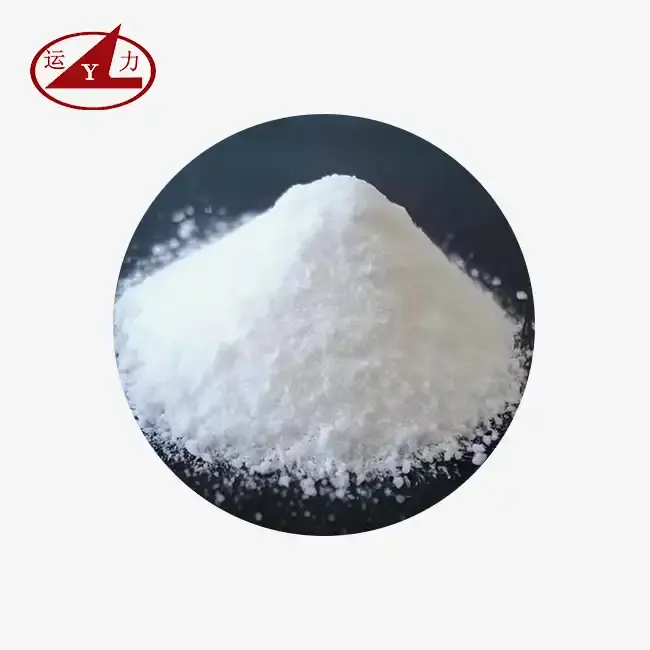
Understanding Molten Salt and Its Role in Batteries
Chemical Composition and Thermal Properties
How well thermal energy storage works depends on the properties of the medium used to transfer heat. Yunli Chemical's high-performance Molten Salt formulations are made with precise eutectic blends that are meant to make operations run as smoothly as possible. The mixture's melting point is carefully kept at 142°C ± 2°C, which allows a reliable phase change without the need for pressurisation that comes with steam systems or the risks of thermal degradation that come with organic fluids above 400°C.
The specific heat capacities of these nitrate-nitrite mixtures are over 1.5 kJ/kg·K, which is a lot higher than manmade oils. They also keep their thermal conductivity above 0.5 W/m·K. The material works at temperatures from 150°C to 565°C and doesn't change phases, so it doesn't have to worry about vapour pressure problems that come up with other thermal management systems.
Electrochemical Advantages for Energy Storage
For industrial battery systems to work, the electrolytes need to be able to handle a lot of ions moving through them without breaking down when heated. Molten Salt electrolytes are the best at these things because they keep the flow of ions steady even when they are working at high temperatures for a long time. The low viscosity of the material at working temperatures—usually less than 5 cP at 300°C—makes pumping and movement in storage systems easier.
Another important benefit is that it doesn't corrode. When pollution levels are kept low, especially when chloride levels are below 500 ppm and iron levels are below 30 ppm, the thermal salt works well with stainless steel pipes and filtration systems. This compatibility makes tools last longer and requires less upkeep, which is important for procurement managers who are looking at the total cost of ownership.
Handling Considerations and Safety Protocols
To execute something well, you need to know what the practical needs are. Because the material hardens below its melting point, full heat tracing systems are needed in all the pipes and holding tanks. Controlling moisture is still very important; water contamination can cause fast volumetric growth when hot salt comes into contact with it, which can be dangerous. Our technical team provides detailed handling protocols that make sure that the process of starting up, running, and maintaining the system is safe.
When compared to organic heat transfer fluids that can catch fire, artificial salt versions are much safer because they are not flammable. This trait lowers the need for insurance and makes it easier to get building permits, which is especially helpful for factories that work in regulated industrial zones.
How Does a Molten Salt Battery Work?
Core Operating Principles and System Architecture
Molten Salt solutions are used to make thermal batteries. These batteries store electrical energy as chemical and thermal potential by controlling the movement of ions. There are three main parts to the system architecture: electrodes that are intended to work with certain electrochemical processes, a molten electrolyte that provides ionic paths, and a thermally protected containment that keeps the system at the right temperature.
During the charging phases, an electric current moves certain ions through the electrolyte liquid and toward specific electrodes. This movement of ions saves energy by changing the chemical bonds at the electrode surfaces and building up heat energy in the salt mass. The electrolyte's high heat capacity lets a lot of energy be stored per unit volume, which is very important for industrial installations that don't have a lot of room. The electrochemical process is turned around by discharge, which releases stored energy as an electrical current. The thermal component helps keep the system at the best temperature for operation. The system's thermal mass can absorb changes in temperature, which keeps the system's performance from dropping, which can happen when batteries go through rapid thermal cycles.
Electrode Materials and Electrochemical Reactions
Choosing the right electrodes has a big effect on how well and how long a battery lasts. While allowing for effective electrochemical reactions over thousands of charge-discharge cycles, materials must withstand corrosive Molten Salt environments. Modern, high-tech designs use special metals and ceramic compounds that don't oxidise at high temperatures or crack when exposed to nitrates, which cause stress corrosion.
Ion intercalation and extraction are two of the electrochemical reactions that happen at the surfaces of electrodes. To keep these mechanisms running smoothly and stop the electrolyte from breaking down, the voltage needs to be carefully managed. When systems are properly designed, they can last for more than 20 years with little loss of capacity. This is in line with the long-term purchasing strategies that industrial energy users prefer.
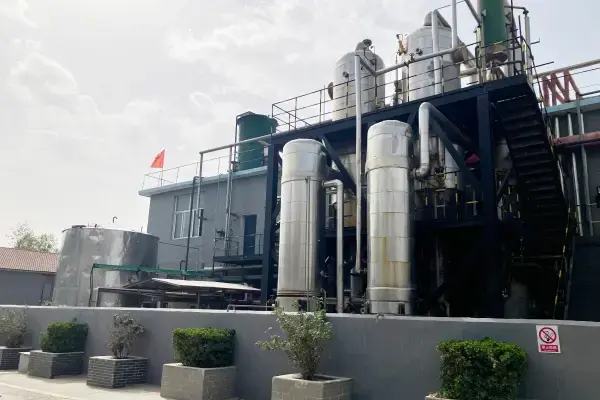
Thermal Management and Efficiency Optimization
Thermal management is what separates installations that work well from those that don't. Electrochemical medium and thermal flywheel are the two purposes of the salt. This mix makes it possible for the battery to work in a wider range of temperatures than other technologies, keeping its efficiency even when the load changes. Proper insulation design is needed to keep heat losses to a minimum and make sure that the temperature is the same throughout the electrolyte volume. Stratification can cause temperature changes in certain areas that speed up the breakdown of materials. Our thermal salt mixtures have improved thermal conductivity profiles that encourage natural convection. This means that there is less need for motorised movement and the power use that comes with it.
Comparing Molten Salt Batteries with Other Energy Storage Technologies
Performance Metrics Against Lithium-Ion Systems
When you compare energy densities, you can see that each technology has its own specific uses. Lithium-ion batteries have a higher volumetric energy density, which means they can be used in mobile devices and places where space is limited. Molten Salt batteries, on the other hand, work best in big, fixed settings where safety, longevity, and levelized cost are more important than size.
Cycle life benefits become clear during long treatments. Lithium-ion systems usually last between 3,000 and 5,000 cycles before losing a lot of power. On the other hand, salt battery installations that are well taken care of usually last over 10,000 cycles. This means that replacement costs will be cheaper and the supply chain will be simpler for sites that plan to use the product for decades. There are big differences in safety ratings. Lithium-ion chemistries pose the risk of thermal runaway, which calls for advanced battery management systems and fire control systems. At room temperature and pressure, salt-based systems use materials that are naturally stable. This gets rid of many of the failure modes that make lithium-ion deployments more difficult in industrial settings.
Advantages Over Thermal Storage Alternatives
When you look at the differences between thermal storage media, you can see why salt formulations are most common in concentrated solar power systems and industrial process heating. Synthetic oils are cheaper at first, but they break down at temperatures above 400°C, which limits their useful temperature ranges and means they need to be replaced every so often. This cycle of replacement makes the supply chain weaker and adds to the costs over the lifecycle, even after the initial savings from buying new parts.
While liquid metals are great at conducting heat, they are more expensive and can't be used with all materials. Because some metal systems are volatile, they are harder to work with and keep up. When it comes to cost, safety, and operating requirements, our thermal salt solutions offer a balanced performance, which is hard to find with other media. Inorganic salt systems are also better for the environment. Getting rid of end-of-life items is safer than getting rid of weakened biological fluids or reactive metals. Material that can be recycled and easy waste management are in line with corporate sustainability goals that are becoming more and more important to procurement decision-makers.
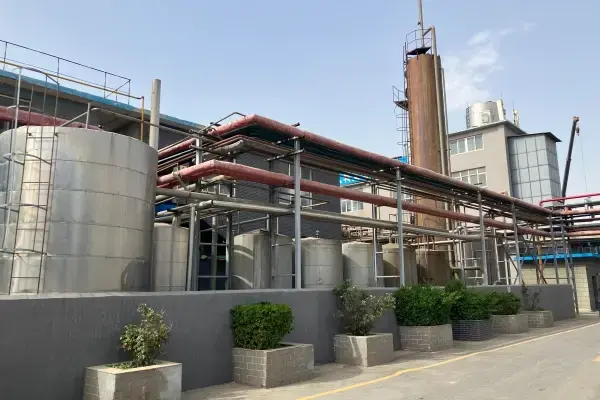
Procurement Considerations for Molten Salt Batteries and Materials
Quality Specifications and Testing Standards
When supply chain managers look at Molten Salt suppliers, they need to pay close attention to their quality control methods and analytical skills. Important requirements include exact control of the freezing point, which is usually 142°C ± 2°C and can be proven by standard testing methods like ASTM D87. Deviations that are outside of the allowed ranges show construction errors that hurt the system's performance.
The most important quality check is the impurity analysis. For high-purity uses, chlorine levels must stay below 20 ppm to keep stainless steel systems from stress corrosion cracking, a failure mode that can do a lot of damage to equipment. Yunli Chemical uses Ion Chromatography and ICP-MS analysis to make sure that every batch of products meets strict requirements. This gives them the scientific data they need for technical approval processes.
Pay close attention to the amount of moisture. Water levels are usually limited to no more than 0.5%, which is tested using the Karl Fischer titration method. Suppliers who offer recipes without proving they can control moisture pose too many safety risks. Since we started in 2005, our quality management system has been certified under ISO 9001 standards. This system makes sure that we always control the moisture level during production and packaging.
Supplier Evaluation and Risk Mitigation
When looking for reliable chemical suppliers, you need to look at their production capacity, technical support, and financial stability. Yunli Chemical has fixed assets worth more than RMB 300 million and yearly sales of more than RMB 1 billion. This gives the company the size it needs to ensure a steady supply over the long term. With these measures, procurement teams can be sure that there won't be any problems with suppliers that could throw off production plans.
When looking for speciality chemicals for important uses, manufacturing knowledge is very important. Our 20 years of experience making things for big corporate clients shows that we can meet even the strictest quality standards. The fact that Shanxi Province has accredited our research and development center shows that we are good at what we do, which is important for clients who need formulations that are specifically made for their process.
Compliance documentation makes the approval chain for purchases easier. With every shipment, we include full Material Safety Data Sheets, Certificates of Analysis, and records of environmental compliance. issues about suppliers' environmental practices are being looked at more closely during the vendor qualification process. Our ISO 14001 Environmental Management System certification answers these issues.
Flexible Procurement Models and Sample Testing
We know that the buying process needs to be confirmed before a commitment is made, so we offer up to 500 grams of free samples to make the testing and approval process easier. This method lowers the buyer's risk while showing trust in the quality of the product. Customised concentrations of water-based solutions can be made to fit the needs of each application. This makes it possible to work with a wide range of industrial processes without forcing buyers to follow standard specifications that might not fit their needs.
Because we sell straight from the factory, there are no markups for distributors. This means that corporate buyers get the best prices. Self-operated export operations make sure that everyone in the supply chain can clearly communicate and be held accountable. Customisable labels and boxes can work with a range of legal settings and internal material handling standards. This makes it easier to integrate new suppliers. Minimum order amounts are kept carefully low so that initial trial purchases don't require huge investments of capital. When you have reliable logistics partners and the ability to deliver on time, you can use just-in-time inventory techniques that are popular in lean production.

Future Trends and Industry Outlook for Molten Salt Battery Technology
Emerging Applications in Renewable Energy Integration
As the use of green energy grows across power networks, grid-scale energy storage needs are growing very quickly. Molten Salt battery systems that use advanced salt formulations can discharge for several hours at a time, which is needed to balance intermittent solar and wind generation. According to market predictions, utility-scale storage systems will grow a lot until 2030. This will increase the need for high-quality thermal storage materials.
Another area that is growing is concentrated solar power facilities. In contrast to photovoltaic systems, which don't have built-in storage, CSP plants with thermal storage offer dispatchable renewable electricity that is on par with conventional baseload generation. Because of this, CSP is seen as an important technology for reducing carbon emissions in power grids while keeping them reliable. This has led to a steady demand for tried-and-true thermal salt solutions.
Technological Advancements and Performance Improvements
The main goals of research projects are to increase the energy density and expand the temperature ranges that can be used. Using newer formulas with changed eutectic compositions could help raise the highest working temperature to around 600°C, which would allow power generation processes to be more thermodynamically efficient. Early users will be able to gain a competitive edge through better energy exchange efficiency thanks to these new developments.
New developments in material science aim to lower the rate of rusting and increase the lifetime of systems. Better additive packages and purity control methods promise maintenance intervals that are longer than the current standards in the industry. By keeping an eye on these changes, procurement teams can set up their companies to benefit from better performance once next-generation formulations are available to the public.
Strategic Sourcing Recommendations
Supply security during market growth is ensured by building relationships with capable suppliers before demand rises. Companies that want to invest in energy storage should start working with qualified manufacturers early on in the project development process. This deal lets formulations be optimised for certain operational factors and secures long-term supply agreements that keep prices stable. Diversification plans need to find a mix between quality safety and supply security. Multiple sellers lower the risk of dependence, but because Molten Salt formulations are sensitive to flaws, qualifying vendors takes a lot of time and effort. Setting up main supplier relationships with technically sound companies like Yunli Chemical while keeping qualified backups on hand is the best way to manage risk.
Conclusion
Through its superior thermal stability, longer operational lifespans, and built-in safety features, Molten Salt battery technology offers significant benefits for industrial energy storage applications. Supply chain workers and technical experts can make smart choices about where to get materials that will help their companies meet their cost and performance goals if they understand the electrochemical principles, material needs, and buying factors that are explained here.
Concentrated solar power installations and industrial heating uses over the past few decades have shown that the technology is mature. This makes it safer to use than new storage options. As the use of renewable energy grows and more complex thermal management needs to be done, choosing qualified suppliers becomes more important for business success and staying ahead of the competition.
FAQ
Q1: What maintenance protocols ensure optimal molten salt battery performance?
A: The main upkeep task is to do regular impurity research. Chloride, sulphate, and carbonate buildup that shows decay or contamination is tracked by regular samples and lab tests. When impurity levels get close to the limits set by the manufacturer, the Molten Salt can be chemically treated or partially replaced to regenerate it. This can make the system last longer without having to change the electrolyte completely.
Q2: How does temperature variation affect battery efficiency?
A: Thermal batteries work best in the temperature ranges they were made for, which for salt-based systems is usually 300°C to 500°C. Lower temperatures make the solution thicker, which makes it harder for ions to move and lessens the power output. Too high of a temperature speeds up the rate of chemical breakdown and rust. When thermal management systems are set up correctly, they keep temperatures within the best ranges. This increases round-trip efficiency and keeps parts lasting longer through the changing of the seasons and the day and night.
Q3: Can molten salt battery components be recycled after system decommissioning?
A: Because thermal salts are inorganic, they can be recycled and used for other things. Material can be reprocessed to get rid of any flaws that have built up, bringing it back to specification-grade quality so that it can be used in new setups. This ability to be recycled helps circular economy efforts while lowering disposal costs and harming the environment compared to other storage technologies that need special handling of toxic garbage.
Partner with Yunli Chemical for Reliable Molten Salt Supply
Yunli Chemical is ready to help you with your thermal energy storage projects by providing high-purity Molten Salt formulas that are designed to work in tough industrial settings. Our advanced analysis tools, such as ICP-MS and atomic absorption spectrometry, and technology center that is approved by the province make sure that every batch meets the highest quality standards. For example, the chloride content is always below 500 ppm and the iron content is always below 30 ppm.
We have been making material for over 20 years and have a reputation for quality. We offer factory-direct prices without dealer markups and have ISO 9001, ISO 14001, and OHSAS certifications to show that we are committed to quality, environmental responsibility, and operating safety. Whether your business needs standard eutectic mixtures or formulations that are specifically made for certain temperature ranges, our technical team can help you with everything, from developing the first specifications to building long-term supply partnerships.
You can email our procurement specialists at wangjuan202301@outlook.com to get free samples of up to 500 grams, look at detailed product datasheets, or talk about your thermal storage needs. You can also learn how our reliable supply services can help your energy storage supply chain.
References
1. Fernández, A.G., Lasanta, M.I., & Pérez, F.J. (2012). "Molten Salt Corrosion of Stainless Steels and Low-Cr Steel in CSP Plants." Oxidation of Metals, 78(5-6), 329-348.
2. Mehos, M., Turchi, C., Vidal, J., Wagner, M., Ma, Z., Ho, C., Kolb, W., Andraka, C., & Kruizenga, A. (2017). "Concentrating Solar Power Gen3 Demonstration Roadmap." National Renewable Energy Laboratory Technical Report NREL/TP-5500-67464.
3. Bauer, T., Pfleger, N., Breidenbach, N., Eck, M., Laing, D., & Kaesche, S. (2013). "Material Aspects of Solar Salt for Sensible Heat Storage." Applied Energy, 111, 1114-1119.
4. Bradshaw, R.W. & Goods, S.H. (2001). "Corrosion of Alloys and Metals by Molten Nitrates." Sandia National Laboratories Report SAND2001-8518.
5. Prieto, C., Cooper, P., Fernández, A.I., & Cabeza, L.F. (2016). "Review of Technology: Thermochemical Energy Storage for Concentrated Solar Power Plants." Renewable and Sustainable Energy Reviews, 60, 909-929.
6. Jiang, Y., Sun, Y., Bruno, F., & Li, S. (2016). "Thermal Stability of Inorganic Salts as Phase Change Materials for Thermal Energy Storage." Thermochimica Acta, 637, 75-84.







