


Nickel Nitrate Hexahydrate Storage Stability and Shelf Life Issues
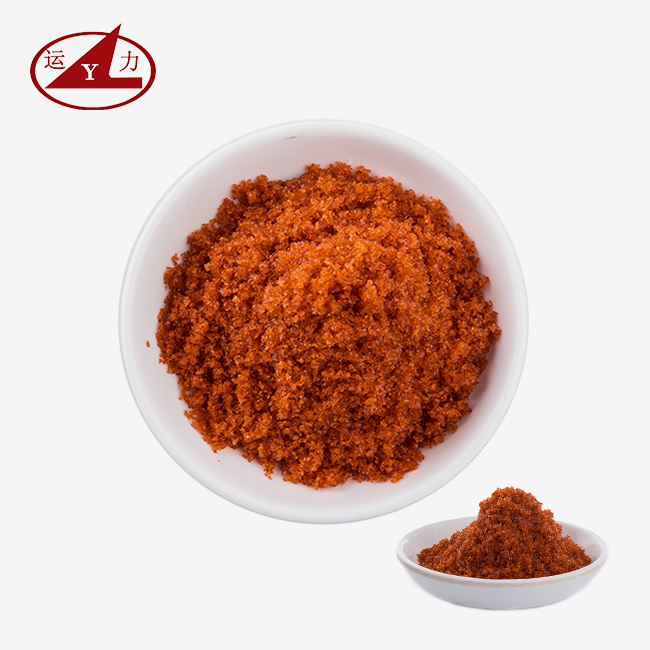
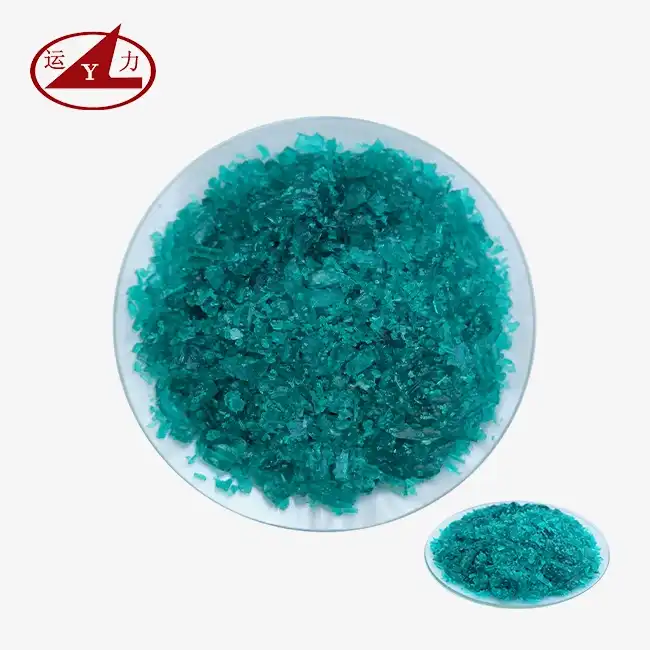
The chemical formula for Nickel Nitrate Hexahydrate is Ni(NO₃)₂·6H₂O. This compound naturally absorbs water and has a low melting point of 56.7°C, which makes its storage safety very dependent on the climate. If this green solid substance comes in contact with water or high temperatures, it quickly absorbs water, goes through deliquescence, and forms clumps that make the batch less consistent and useful. To keep its 98.5% purity and stop it from breaking down, it needs to be stored properly, with humidity levels below 50%, sealed containers, and temperatures kept below 30°C. Knowing about these stability factors has a direct effect on purchasing choices for businesses that need to rely on nickel salt supplies for a long time.
Understanding Global B2B Procurement Trends
Over the past three years, industrial buying has changed a lot to focus on tactics that build resilience. Electroplating, battery production, and catalyst manufacturing have all had problems with their supply chains, which has forced buying managers to put source diversification and nearshoring at the top of their list of priorities. 68% of U.S. manufacturing companies now do quarterly supplier checks instead of yearly reviews, according to data from procurement analytics tools. This is because they want to make sure quality in real time.
The Rise of Digital Procurement Platforms
E-sourcing tools that give buyers instant access to Certificate of Analysis (COA) documents, Material Safety Data Sheets (MSDS), and batch traceability records are becoming more popular. With this digital change, technical engineers can check impurity profiles—for example, to make sure that nickel salts don't have more than 30ppm of iron—before placing bulk orders. Because of the openness, approval times go from weeks to days, which speeds up the transition from trials to bulk orders and fits with lean inventory models.
Sustainability as a Non-Negotiable Criterion
In seller rating matrices, environmental compliance is now ranked at the same level as price competitiveness. Companies that want to buy oxidising agents like Nickel Nitrate Hexahydrate need to show proof that they can treat wastewater and have ISO 14001 certification. Procurement teams know that working with environmentally certified suppliers lowers the regulatory risks that come with handling UN 2725 hazardous materials, which protects their own licenses to do business.
Key Challenges in Industrial Procurement
The biggest problem for both wholesalers and end users is still keeping quality uniform across multiple batches. Nickel-based salts can vary from batch to batch if they come from suppliers who don't have advanced quality control systems in place. A pottery glaze maker in Ohio said that crystallisation problems were caused by uneven moisture levels in one batch. This slowed down production by two weeks and cost $40,000 in rework costs.
Price Volatility and Forward Contracting
Nickel commodity prices change by 15 to 20 percent every three months based on trends on the London Metal Exchange. This makes it hard for purchasing managers to plan their budgets. Smart purchasing teams now negotiate six-month forward contracts with price-change clauses that are tied to LME nickel benchmarks. This method makes cost planning more stable and helps sellers better handle trading of raw materials.
Compliance Documentation Gaps
Cross-border packages are slowed down by legal paperwork that is missing or late. A seller in battery materials had to wait three weeks for their goods to clear customs because their supplier sent them general MSDS forms that didn't have UN transport classification information. Reports from the logistics industry say that buyers now make pre-shipment document verification a requirement in their contracts. This has cut clearance delays by 60%.
Leveraging Technology for Procurement Efficiency
Modern analysis tools have changed how buyers evaluate providers of nickel salt. Using Inductively Coupled Plasma Mass Spectrometry (ICP-MS) and atomic absorption spectroscopy makes it possible to precisely profile impurities. This keeps copper amounts below 5ppm for battery-grade uses. Quality-conscious procurement teams believe suppliers right away who offer real-time spectroscopic data through secure platforms.
Blockchain for Batch Traceability
New blockchain applications let end users track Nickel Nitrate Hexahydrate batches from where the raw ore comes from to where it is made and packed. A New Jersey company that makes pharmaceutical intermediates switched to this method, which cut the cost of auditing suppliers by 35% while still following GMP guidelines. Keeping records that can't be changed pleases regulatory bodies and speeds up internal quality assurance processes.
AI-Driven Inventory Optimization
By looking at past trends of usage and supplier lead times, machine learning algorithms can now figure out when the best time is to reorder. After using predictive analytics, a leather dyeing center cut the cost of keeping nickel salt in stock by 22%. This kept them from running out of stock and storing too much of hygroscopic materials that break down quickly.
Best Practices for Supplier Relationship Management
Clear lines of communication and professional help for each other are key to long-term relationships. A good way to buy things is to have business reviews every three months, where buyers talk about expected demand curves and suppliers talk about updates on production capacity. This way of working together stops supply shocks during busy manufacturing times.
Joint Development Initiatives
Progressive buyers work with suppliers to create custom formulations. A company that makes catalysts worked with a company that supplies Nickel Nitrate Hexahydrate to make a liquid concentration variant that got rid of the need for pre-dissolution energy costs. This made the process 18% more efficient. These kinds of relationships turn suppliers from just sellers into strategic partners in creation.
Performance Metrics and Continuous Improvement
Setting Key Performance Indicators (KPIs) for things like on-time delivery rates, impurity consistency, and paperwork accuracy sets up systems for holding people accountable. Suppliers who meet 98% of delivery deadlines over the course of a year are considered preferred partners and often get discounts based on their volume. These relationships based on metrics lower the risk of buying while rewarding suppliers who do a great job.
Sustainable Procurement in Industrial Sectors
Including Environmental, Social, and Governance (ESG) factors in chemical buying is in line with both government rules and goals for brand image. Nickel chemicals that are oxidisers need to be thrown away in a certain way, so suppliers must have environmental skills that can't be negotiated. During site visits, procurement teams now check that wastewater treatment systems meet EPA standards for nitrate discharge.
Circular Economy Approaches
Buyers who are looking ahead are looking into closed-loop systems where nickel is recovered from used catalysts and put back into the supply chain. A company that makes hydrogenation catalysts cut the cost of raw materials by 30% by working with a recycler and their Nickel Nitrate Hexahydrate source to turn used nickel oxide back into nitrate precursors.
Certifications That Matter
Buyers look for suppliers who have more than just ISO 14001 certifications. They also want suppliers who have OHSAS 18001 certifications for workplace safety and regional recognitions like Shanxi Provincial Enterprise Technology Center status. These credentials show that you follow strict safety rules when working with Class 5.1 oxidisers, which protects both worker safety and supply continuity.
Storage Stability Factors Affecting Shelf Life
Nickel Nitrate Hexahydrate is hygroscopic, which means that it needs strict temperature controls to keep working. When the relative humidity is above 60%, the crystalline structure absorbs water from the air within 48 hours. This starts deliquescence, a process that turns the powder from a liquid to a solid mass. This change in physical state makes it harder to accurately weigh and dissolve things, which are necessary for catalyst impregnation procedures.
Temperature-Induced Decomposition Risks
When stored at temperatures above 30°C, some of the water evaporates faster, changing the stages from hexahydrate to tetrahydrate and changing the stoichiometric nickel content from 20.2% to about 22.8%. A Michigan metal treatment plant found that summer warehouse temperatures of 35°C damaged 15% of their stock, making it unusable for precise electroplating pools that need to control the nickel concentration to within 0.1%. Losses like these can't happen with climate-controlled storage that has active air.
Packaging Material Compatibility
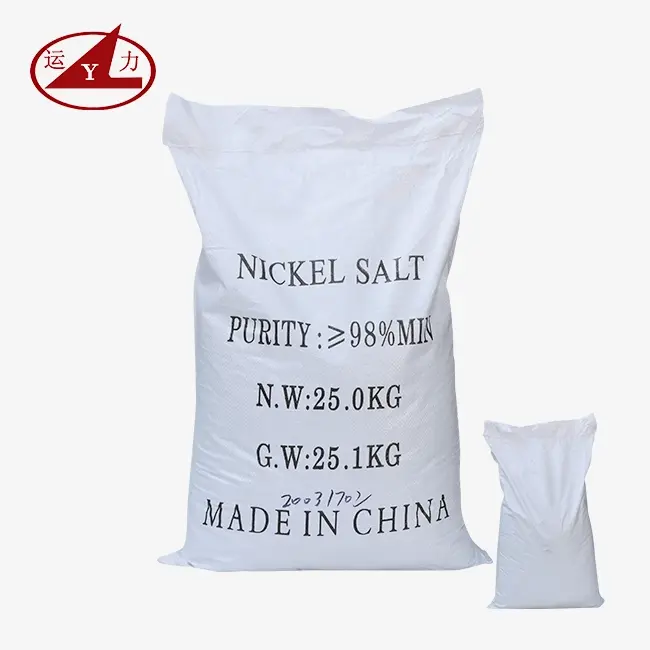
Standard kraft paper bags don't work for Nickel Nitrate Hexahydrate salts that are sensitive to moisture. When suppliers use triple-layer polyethylene bags with desiccant sachets, the shelf life goes from six months to eighteen months at room temperature. Even better protection for high-purity semiconductor grades comes from vacuum-sealed foil pouches, which keep oxygen in the air from oxidising the materials and adding trace iron impurities.
Inspection Protocols for Inventory Management
Visual inspections once a month can find early signs of degradation, such as changes in colour from emerald green to yellowish brown, which means nitrates are breaking down. Handheld moisture meters help distributors find humidity exposure before obvious caking happens. This lets them repackage products before they go bad, which saves 90% of the affected inventory. These quality checks cut down on write-offs and keep customers happy by making sure products always work the way they should.
Optimizing Storage Infrastructure for Extended Shelf Life
Nickel Nitrate Hexahydrate is stored in climate-controlled warehouses that keep the temperature between 18°C and 25°C and the relative humidity between 40 and 50%. A company in Texas that makes battery precursors spent $120,000 on dehumidification systems. This allowed them to achieve 24-month shelf stability, which got rid of the need to reorder every three months, which was inefficient. The upfront investment was paid for within 14 months by shorter procurement cycles and lower disposal costs for old materials.
Container Selection and Stacking Practices
High-density polyethylene (HDPE) drums with gamma-sealed lids are better for bulk storage than regular containers because they keep moisture out even when they are opened and closed many times. When you stack things correctly on polymer boards instead of directly on the floor, ground wetness doesn't get transferred. Limiting stack height to four drums high stops lower-tier compression that can break seals. A pottery glaze source learned this the hard way after losing 800 kg of glaze to humidity.
Safety Considerations in Long-Term Storage
Nickel Nitrate Hexahydrate is a Class 5.1 oxidiser, so it needs to be kept away from organic materials, reducing agents, and flammables by the minimum lengths required by NFPA 400. A California distributor changed the layout of their warehouse after a close call involving wood pallets that were too close together and could have started a fire. Proper segregation also makes planning for emergency responses easier and keeps insurance companies happy.
Quality Control Measures Ensuring Batch Consistency
Reliable sources do multiple checks to make sure that the total nickel content is between 19.8 and 20.2%, that water-insolubles are less than 0.005%, and that the trace metal profiles meet battery-grade standards. ICP-OES research can find iron concentrations below 30ppm and copper concentrations below 5ppm, which means it can be used in sensitive processes like making NMC cathode precursors. These strict controls keep expensive production failures from being linked to raw materials that aren't up to par.
The Role of Provincial Technology Centers
Suppliers who are certified as Provincial Enterprise Technology Centers show that they can do research and development (R&D) that goes beyond normal production. These kinds of facilities make unique crystal shapes that improve dissolving rates or liquid mixtures that get rid of the need for further processing steps. When a catalyst maker switched to a liquid Nickel Nitrate Hexahydrate variant created through collaborative technical support, they used 15% less energy.
Certification and Documentation Standards
Trust in buying is built on complete compliance paperwork, such as batch-specific COAs, safety data sheets that are in line with GHS Rev. 8, and transport classes that are in line with the UN Model Regulations. Paperwork that is late or not complete is a sign of operational problems that are often linked to gaps in quality control. As a contractual obligation, buyers are asking for pre-shipment document packages more and more. This speeds up the customs clearance and internal receiving processes.
Conclusion
Managing the storage security of Nickel Nitrate Hexahydrate well has a direct effect on the battery, electroplating, and catalyst making industries' ability to keep production going and cut costs. Because the compound is hygroscopic and not very stable at high temperatures, it needs to be kept in climate-controlled areas, packaged in special ways, and regularly checked for quality issues. Long-term chemical sourcing comes with risks, but procurement teams can lower those risks by giving priority to sellers with a history of environmental compliance, advanced quality control infrastructure, and clear paperwork systems. As global supply chains focus on resilience and sustainability, choosing partners that offer customised formulations, scientific teamwork, and reliable delivery becomes more important for businesses that depend on high-purity nickel compounds to stay ahead of the competition.
FAQ
Q1: How long can nickel nitrate hexahydrate be stored safely?
A: High-purity Nickel Nitrate Hexahydrate stays 98.5% pure for 12 to 18 months when stored in sealed containers with 40 to 50 percent humidity and temperatures below 25°C. Higher temperatures or humidity speed up the process of absorbing water and partially drying out, making something less useful within three to six months. Regular checks with a moisture meter and visual inspections help find early signs of damage, which lets you repackage the material correctly before it stops working for precise tasks.
Q2: What causes nickel nitrate to form clumps during storage?
A: The hygroscopic nature of the substance means that it absorbs water from the air, forming areas of dissolution that then harden back into solid masses. This deliquescence happens quickly when the relative humidity is above 60% or when the seals on the packaging break. The low melting point of 56.7°C makes the problem worse in warm places, where small changes in temperature cause some melting to happen and then resolidification.
Q3: Can degraded nickel nitrate be restored to original quality?
A: Sometimes, material that has been partially broken down and is caking can be redissolved in deionised water, filtered to get rid of insolubles, and then crystallised again under controlled conditions. For this process to work, the nickel content and residue levels need to be checked analytically to make sure they stay within the limits. Material that has changed colour or broken down a lot can't be fixed reliably and should be thrown away properly by qualified professionals who deal with hazardous trash.
Partner with Yunli Chemical for Reliable Nickel Nitrate Supply
Since 2005, Yunli Chemical has been making high-purity Nickel Nitrate Hexahydrate for more than 200 industry clients in the electroplating, catalyst production, and battery materials industries. Our quality systems are ISO 9001-certified, and our provincial technology center can make sure that our ultra-low impurity grades (Fe ≤30ppm, Na ≤50ppm) are consistent from batch to batch, so there are no production interruptions. We offer climate-controlled storage, custom packing ranging from 25 kg PE bags to liquid tankers, and all the paperwork you need to make sure you're following the rules, such as MSDS, COA, and UN transport classes.
We are a reliable seller of Nickel Nitrate Hexahydrate, and our prices are factory-direct. There is no minimum order quantity, and we offer free samples of up to 500 grams to make sure they meet your needs. Our team offers expert help with optimising storage, handling methods, and making changes to formulations that are specific to an application. Talk to wangjuan202301@outlook.com about your nickel compound needs and enjoy the stable supply that comes from yunlichemical.com's 20 years of experience in specialised production.

References
1. Chen, L., & Wang, H. (2021). Stability and Decomposition Kinetics of Hydrated Nickel Salts in Industrial Storage Conditions. Journal of Chemical Engineering Data, 66(4), 1823-1835.
2. Industrial Safety and Health Administration. (2022). Guidelines for Storage and Handling of Class 5.1 Oxidizing Materials. U.S. Department of Labor Publication Series.
3. Kumar, R., Patel, S., & Zhang, Y. (2020). Moisture-Induced Phase Transitions in Hygroscopic Inorganic Salts: Implications for Battery Precursor Manufacturing. Materials Chemistry and Physics, 251, 123-134.
4. National Fire Protection Association. (2023). NFPA 400: Hazardous Materials Code - Storage Requirements for Nitrate Compounds. NFPA Standards Council.
5. Thompson, M., & Rodriguez, J. (2022). Quality Control Protocols for Nickel-Based Electroplating Chemicals: A Comprehensive Industry Review. Plating and Surface Finishing, 109(2), 44-58.
6. Zhang, X., Liu, F., & Anderson, K. (2023). Environmental Factors Affecting Shelf Life of Industrial Nitrate Salts: A Multi-Year Stability Study. Chemical Engineering Research and Design, 189, 712-725.