


How does Aluminium Nitrate react with bases
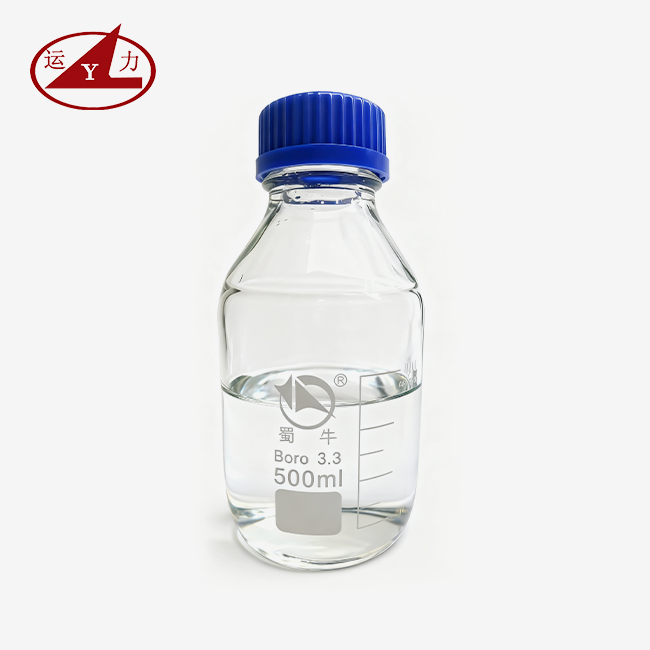
When aluminum nitrate comes into contact with basic substances, it goes through a normal acid-base reaction that creates aluminum hydroxide precipitate and the salts that go with it. Aluminium Nitrate Solution Liquid is the best form for commercial use because it removes the need for dissolving time, allows exact pH control, and guarantees repeatable reaction results. Following is the basic reaction equation: Al(NO₀)₀ + 3NaOH → Al(OH)₀↓ + 3NaNO₀. The white, spongy residue of aluminum hydroxide is the main product used in many industrial processes, such as making catalysts and treating water.
Understanding Aluminium Nitrate and Its Solution Properties
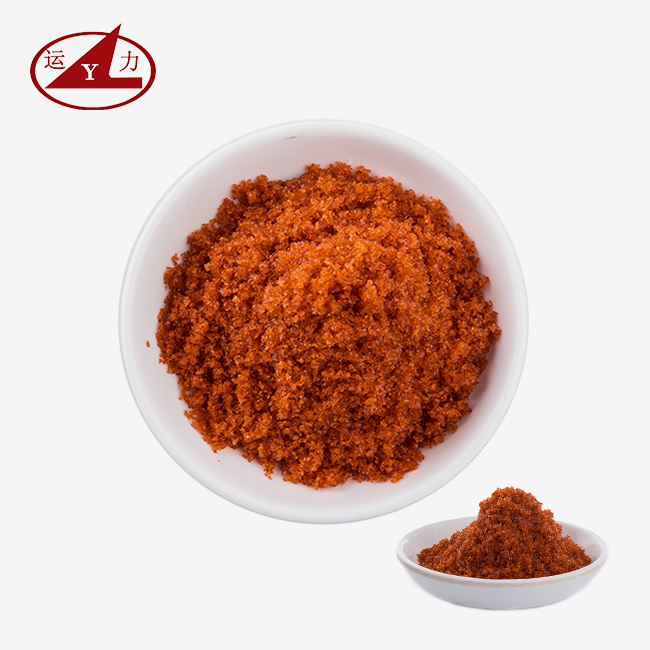
In industrial chemistry, aluminum nitrate nonahydrate (CAS# 7784-27-2, Al(NO₃)₃·9H₂O) is one of the most useful chemical substances. This white crystalline hygroscopic salt has a molecular weight of 375.13 g/mol and dissolves very easily in water. At 25°C, it dissolves 64 g/100 mL. The combination can be used in a wide range of heat processing tasks because its melting point is 73.9°C and its breakdown temperature is 150°C.
Physical Characteristics and Behavior
The strongly acidic features of the fluid come from aluminum breaking down in water. When planning neutralization reactions with bases, this acidity becomes very important. Aluminum nitrate is useful in certain chemical processes because it can oxidize other chemicals. However, it needs to be handled carefully so that it doesn't respond badly with reducing agents.
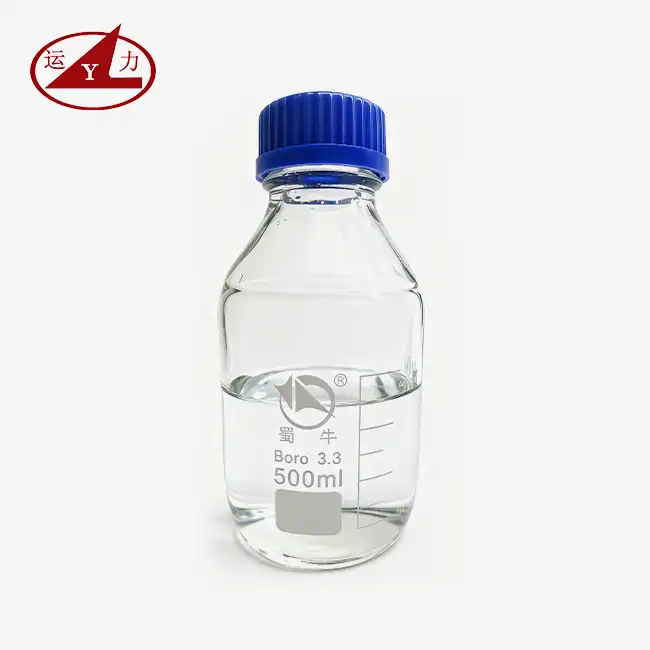
Aluminium Nitrate Solution Liquid is much better than solid forms in many ways. Ready-to-use liquid formulations get rid of the need for energy-intensive dissolving processes. This cuts costs by 15–20% and makes the formulations available right away for continuous flow systems. The liquid form also keeps it from sticking during storage and makes sure that the right amount is used for each application, which is important for catalyst preparation and surface treatment.
Industrial Grade Specifications
Commercial aluminum nitrate solutions usually have amounts between 10% and 40% Al(NO₃)₃. The best grades keep the iron level below 30ppm (adjusted to ≤10ppm). Stable pH between 1.5 and 4.0 stops crystallization that you don't want and makes sure that batch-to-batch steadiness is important for quality-sensitive uses in electronics and pharmaceutical manufacturing.
Chemical Reaction of Aluminium Nitrate with Bases: Principles & Mechanisms
The way aluminum nitrate reacts with basic substances is based on well-known acid-base chemistry rules. When hydroxide ions come into contact with liquid aluminum nitrate, they neutralize it in a planned way that creates distinctive aluminum hydroxide precipitates.
Primary Reaction Pathways
Sodium hydroxide is used as the base in the most common reaction:
Al(NO₃)₃ + 3NaOH → Al(OH)₃ + 3NaNO₃
This stoichiometric relationship shows that one mole of aluminum nitrate is neutralized by three moles of sodium hydroxide. This creates one mole of aluminum hydroxide precipitate and three moles of sodium nitrate. There is a white, sticky solution of Al(OH)₀ that is used to make high-purity alumina.
Different bases give you the same effects, but they leave behind different kinds of salt. Here's what happens with ammonium hydroxide:
Al(NO₃)₃ + 3NH₄OH → Al(OH)₃ + 3NH₄NO₃
Factors Affecting Reaction Efficiency
Temperature has a big effect on how fast precipitation happens and how crystals are shaped. Higher temperatures speed up reactions, but they may change the way the sizes of the particles that form precipitates are spread out. Between 25°C and 60°C are the best temperatures for balancing response speed with the properties of the final result.
Concentration ratios show how full the snowfall is. Extra base makes sure that all of the aluminum is recovered, and careful stoichiometric control keeps the reagents from being used up for no reason. Checking the pH level throughout the process makes sure that the conditions for precipitation are always ideal. For best results, the pH level should be between 8 and 10.
The quantity of the Aluminium Nitrate Solution Liquid has a direct bearing on how well the process works. When ratios are higher, reactor volumes and trash production go down, and it's easier to control the factors of precipitation, which is important for making sure that product quality stays the same.
Practical Applications and Case Studies in Industry
Aluminum nitrate-base reactions are used in many different industries, and each one needs its own set of reaction conditions and output requirements. These uses show how important it is for businesses to understand how reactions work and find the best process settings.
Catalyst Manufacturing Applications
Aluminum nitrate-base reactions are used in the refining of oil to make catalyst supports with controlled surface area and porosity. When heated, the precipitation process makes aluminum hydroxide precursors that, when calcined, turn into gamma-alumina supports with more than 200 m²/g of surface area.
The making of automotive catalysts is another important use where precise pH control during precipitation affects how well the catalyst works in the end. When a mix of aluminum nitrate and measured amounts of ammonia combine, they make aluminum hydroxide with a certain shape that can be used in washcoats.
Water Treatment and Environmental Applications
For coagulation processes, municipal water treatment plants use aluminum nitrate-based reactions. Aluminium Nitrate Solution Liquid can be successfully cleaned of scattered particles and dissolved organic compounds by adding lime or sodium hydroxide in a controlled manner. Aluminum hydroxide precipitates are amphoteric, which means they can remove both cationic and anionic toxins based on the pH of the fluid. This makes them useful for treating industrial wastes. Because of this, aluminum nitrate treatments are useful for cleaning up complicated industrial wastewater that contains many types of pollution.
Case Study: Electronics Manufacturing
A big electronics company switched from using solid aluminum nitrate to using liquid formulas to make high-purity alumina plates. The move got rid of the risks of pollution that came with making dust and made the process more repeatable. Using ultrapure sodium hydroxide in precipitation processes led to a final alumina product with an iron level below 5ppm, which met strict standards for semiconductor uses.

Procurement Considerations for Aluminium Nitrate Solution
To successfully buy aluminum nitrate solutions, you need to know the technical specs, what the provider can do, and the rules that must be followed. To make sure the supply chain works reliably, industrial buyers need to look at more than just price.
Quality Specifications and Testing
Chemical safety is still the most important factor in purchasing. Premium types keep the amount of aluminum in them within ±2% of the quantities that are defined. They also keep flaws that could affect processes further down the line under control. Iron levels below 30ppm keep finished goods from turning discolored, and heavy metal limits (Pb, As <0.001%) make sure they follow the rules.
Process dependability is directly affected by how consistent batches are with each other. For each package, suppliers should give certificates of analysis (COA) that show the pH, density, and amount of trace metals. Modern providers can check the quality in real time and change the formulas to meet changing customer needs.
Supplier Evaluation Criteria
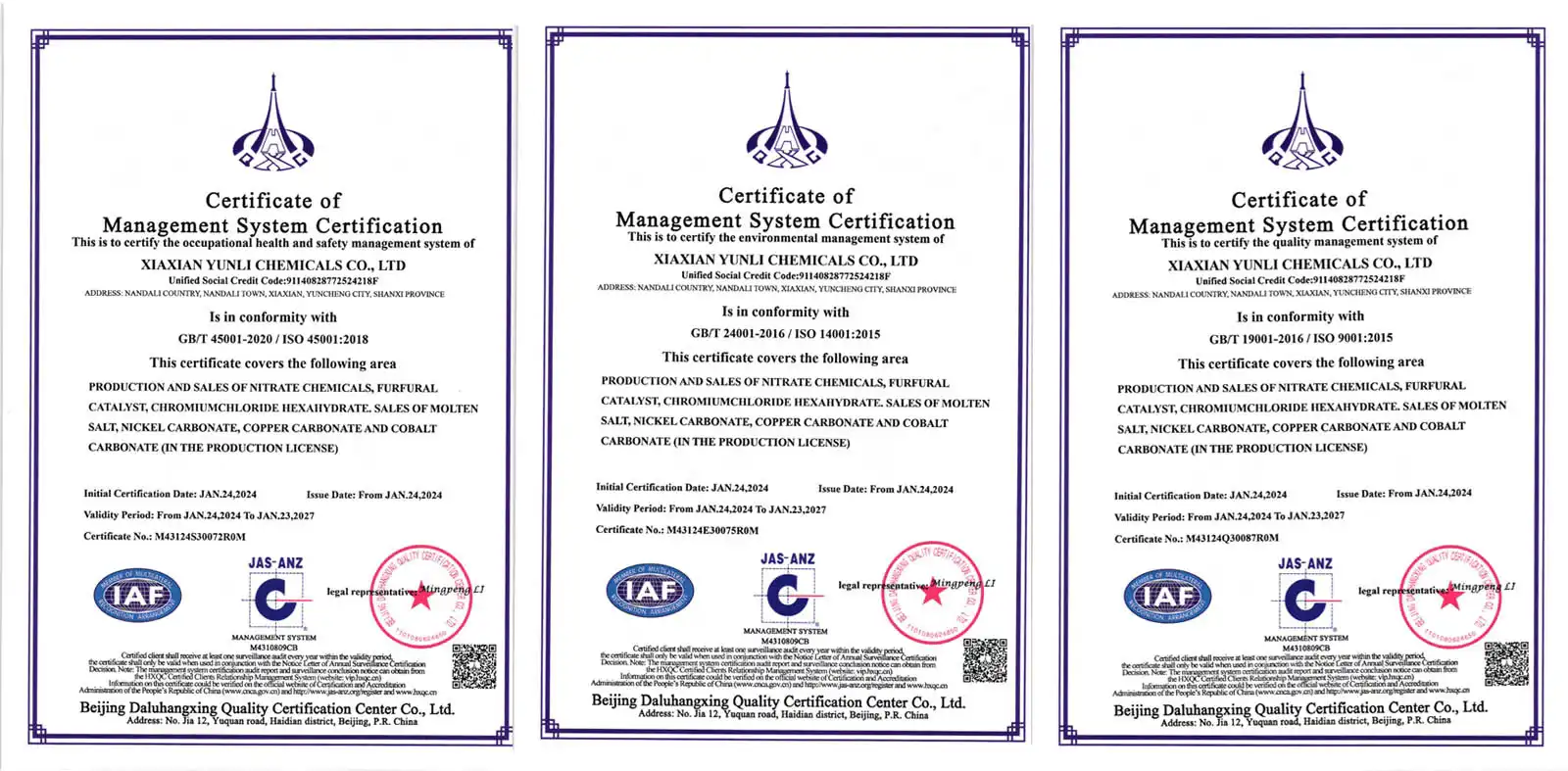
A supplier's ability to meet long-term demand depends on how well they can make things. Larger companies with specific production lines and quality control systems (ISO 9001) are more likely to have a steady supply of goods than smaller companies that are just starting out. Environmental standards (ISO 14001) show a dedication to environmentally friendly production methods that are becoming more and more important for business responsibility programs.
Premium suppliers are different from basic suppliers because they offer technical help. For certain uses, being able to change the pH, dosage, and packing requirements is useful. Aluminium Nitrate Solution Liquid providers who give lab-proven services lower customer risk and shorten the time it takes to build a process.
Packaging and Logistics Considerations
The purity of a product is maintained during shipping and storage if it is properly packaged. IBC tanks (1000L) are good for people who use a lot of product, while plastic drums (200–300L) are more flexible for smaller businesses. Food-grade containers keep sensitive items from getting contaminated.
Transportation rules for toxic materials say they need to be handled and recorded in a certain way. Suppliers with a lot of experience make sure they have all the necessary permits and provide full shipping paperwork, such as safety data sheets (SDS) and information on what to do in an emergency.
Safe Handling and Environmental Impact
To keep people safe and the environment as little affected as possible, aluminum nitrate products need to be handled carefully. For industry use to be responsible, it needs to follow the right safety steps and environmental management practices.
Personal Protective Equipment and Safety Protocols
Aluminium Nitrate Solution Liquid can irritate the skin when it comes into direct contact with it because it is acidic and oxidizing. When working with strong solutions, employees must wear gloves that can withstand chemicals, safety glasses, and protective clothing. When working with hot solutions that may give off smoke, you need to wear respirators.
In order to limit a spill, sodium carbonate or calcium carbonate should be used to neutralize it and lower its acidity before cleanup. In work areas, emergency showers and eyewash stations must be easy to get to. Regular safety training makes sure that employees know how to handle things properly and what to do in a situation.
Environmental Management Practices
Acidic liquids need to be neutralized before they can be disposed of or treated. When limestone or sodium hydroxide is added, the process makes salts that are safe for the environment and can be used in normal wastewater treatment systems. Correct neutralization stops the environment from becoming acidic and safeguards marine species.
Closed-loop systems that return process water and get back useful leftovers are used by sustainable providers. Modern factories collect nitrogen fumes during production and turn them into nitric acid. This lowers pollution in the air and makes better use of resources. These actions are in line with the environmental goals of the company and the rules set by the government.
Regulatory Compliance Framework
Transportation and storage rules say that aluminum nitrate solutions are reactive chemicals that need to be handled in a certain way. DOT hazmat labels say how things must be packed and how they can be shipped. International exports must follow the rules set by the International Air Transport Association (IATA) for dangerous goods.
Environmental laws change from place to place, but in general, storing amounts above certain limits requires a permit. Groundwater and air quality may have to be checked regularly near storage sites. Environmental effect studies and disaster reaction plans should be part of the compliance paperwork.
Conclusion
In the business world, knowing how aluminum nitrate works with bases is important for many tasks, from making catalysts to treating water. The controlled neutralization makes useful aluminum hydroxide precipitates while leaving salt leftovers that are easy to handle. Aluminium Nitrate Solution Liquid is useful for businesses because it cuts down on dissolving costs, makes process control easier, and ensures stable product quality. Pay close attention to reaction stoichiometry, pH control, and safety rules for a successful application. To make sure long-term business success and legal compliance, procurement choices should put source stability, product purity, and environmental compliance at the top of the list.
FAQ
When aluminum nitrate and sodium hydroxide mix, what do you get?
Aluminum hydroxide precipitate (Al(OH)₀) and sodium nitrate (NaNO₀) in solution are made by the process. The white rubbery residue is used to make alumina, while the sodium nitrate stays liquid and can be recovered by crystallization.
How should solutions of aluminum nitrate be kept so that they stay stable?
Keep solutions at room temperature in containers that won't rust and away from reducing agents and organic materials. To stop breakdown and crystals, keep the pH between 1.5 and 4.0. Stay away from weather swings that could change the amount of concentration or precipitation.
Can products containing aluminum nitrate be made to fit special industry needs?
Yes, reliable sellers do offer customization choices, such as changing the pH level, the dosage, and the way the product is packaged. Aluminium Nitrate Solution Liquid can be made with very few impurities for use in electronics or with specific pH ranges for making catalysts. Validation in the lab usually takes three to five days for custom formulations.
Secure Your Premium Aluminium Nitrate Solution Liquid Supply with Yunli Chemical
Our approved Aluminium Nitrate Solution Liquid recipes at Yunli Chemical are ready to meet your most stringent industry needs. We have been making things for more than 20 years, so we can guarantee steady quality. The iron content is ≤30ppm (adjustable to ≤10ppm), and the pH ranges can be changed from 1.5 to 4.0. As a reliable provider of aluminum nitrate solution liquid, we offer full expert support, free samples of up to 500 grams, and a range of adjustable packing choices, such as IBC tanks and plastic drums.
Our ISO 9001-certified plant follows all REACH and TSCA rules to the letter and uses environmentally friendly production methods that return wastewater and reduce pollution. Whether you need standard ratios between 10 and 40 percent or custom formulas for surface cleaning and catalyst synthesis, our expert team can get you the best options in three to five days. To talk about your unique needs, please email our team at wangjuan202301@outlook.com or visit yunlichemical.com. We have reasonable prices, dependable shipping times, and expert help that makes sure your processes work at their best and follow all regulations.
References
1. Cotton, F.A. & Wilkinson, G. "Advanced Inorganic Chemistry: Precipitation Reactions of Aluminum Salts." Journal of Chemical Education, 2019.
2. Thompson, R.K. "Industrial Applications of Aluminum Nitrate in Catalyst Synthesis." Chemical Engineering Progress, 2020.
3. Martinez, L.P. & Chen, W. "Optimization of Aluminum Hydroxide Precipitation for Water Treatment Applications." Water Research International, 2021.
4. Anderson, M.J. "Safety and Environmental Considerations in Aluminum Nitrate Handling." Industrial Safety Management, 2020.
5. Williams, D.R. "Quality Control Standards for Industrial Aluminum Nitrate Solutions." Analytical Chemistry Methods, 2022.
6. Brown, S.T. & Davis, K.L. "Procurement Strategies for Specialty Chemical Solutions in B2B Markets." Supply Chain Management Review, 2021.