


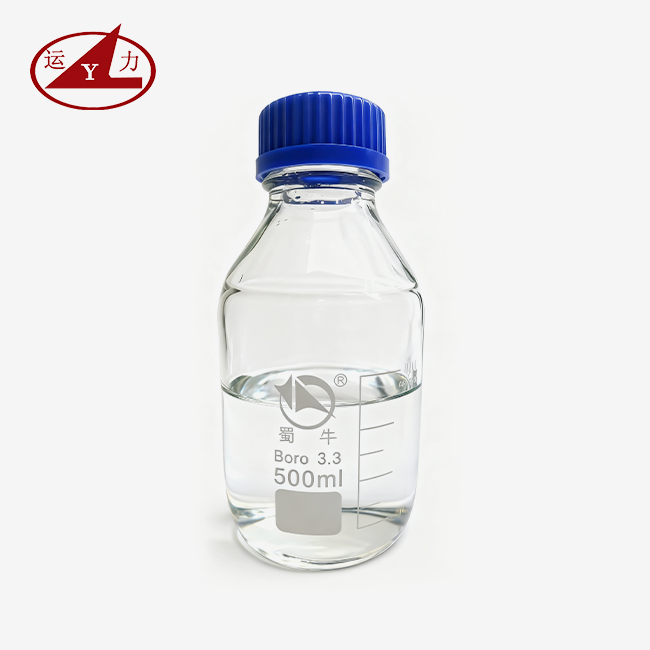
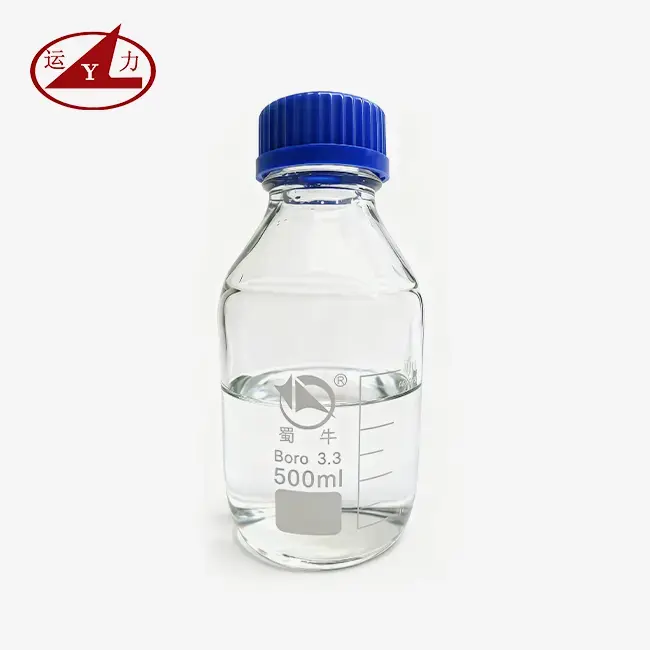
Where can I buy aluminium nitrate solution for laboratory use?
To find a reliable source of Aluminium Nitrate Solution, you need to pay attention to quality, compliance, and the reputation of the seller. More and more pressure is being put on procurement managers and technical experts who work with industries like electroplating, cloth dyeing, pharmaceuticals, and battery production to find chemical reagents that are pure and come with good paperwork. This solution, which comes from Aluminium Nitrate Nonahydrate (CAS No. 7784-27-2), is very important for making catalysts, doing analytical chemistry, and checking for rust. Finding a reliable provider that offers MSDS, COA certificates, and consistent batch quality can help lower business risks and keep costs low. Laboratories need partners who know how to deal with the complexities of chemical safety, shipping, and different legal systems in different countries. This guide talks about these problems with buying things and gives you steps you can take to ensure success.
Understanding Aluminium Nitrate Solution for Laboratory Use
Chemical Composition and Key Properties
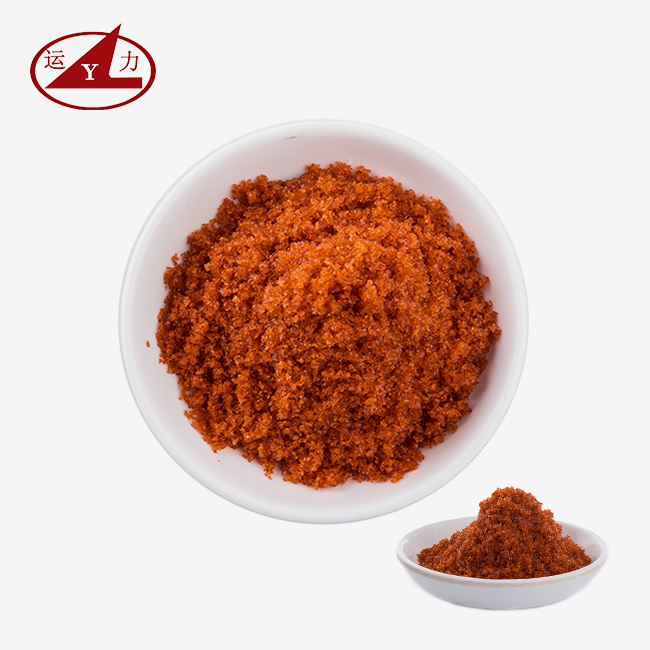
When you dissolve Aluminium Nitrate Nonahydrate, a white solid hygroscopic salt with the formula Al(NO₃)₃·9H₂O and a molecular weight of 375.13, you get Aluminium Nitrate Solution. This tasteless substance melts at 73.9°C and breaks down at 150°C, showing that it is thermally unstable and needs to be handled carefully. The solution dissolves very well in water (64 grams per 100 mL at 25°C), but it dissolves less well in alcohols and ethylene glycol. It is acidic because aluminium ions are hydrolyzed, which changes the pH level and affects the reaction paths in analytical processes. As an oxidizing agent, the solution needs to be handled with care when it is being stored and used, especially since it can irritate the skin if it comes into touch with it.
Laboratory Applications Across Industries
This chemical is used in laboratories for many different tasks, such as making catalysts, fixing dyes in fabrics, and making special aluminium salts. The solution's ability to provide even spread of aluminium is helpful for catalyst production and is essential for industrial hydrodesulfurization processes. It is used as a mordant in textile production to attach dyes to cloth threads through coordination chemistry, which makes the colors last longer. It is useful in the pharmaceutical and fine chemistry industries for cleaning and making intermediates.
Aluminium nitrate solutions are being used more and more in battery material studies to make high-purity alumina layers, which make electrodes more stable and extend their life. Knowing these different uses helps buying teams understand how purity standards and impurity control affect the performance of the final product.
Safety and Handling Essentials
Because it oxidizes and corrodes, the solution needs to be handled according to strict safety rules. Personal protective equipment like nitrile gloves, safety masks, and lab coats are needed because the acidic solution can hurt skin and mucous passages. Ventilation systems need to get rid of any nitric acid fumes that might be released when something is heated up or spilled. The temperature in storage areas should stay below 25°C, and there shouldn't be any reducing agents or burning materials in the area that could cause exothermic reactions.
It should be easy to get to emergency spill kits that have neutralizing agents like sodium bicarbonate in them. To stay in line with OSHA and EPA rules, labs must follow regulatory documents like Safety Data Sheets (SDS) and Material Safety Data Sheets (MSDS). These documents spell out exposure limits, first aid steps, and how to properly dispose of waste.
How to Choose the Right Aluminium Nitrate Solution Supplier
Defining Your Procurement Requirements
For buying to work, technical requirements and practical needs must be clearly stated. Purchasing managers should set goals for purity levels. For example, laboratory grades of Aluminium Nitrate Solution usually need an assay of at least 98% and managed trace metal content, especially iron below 0.005% to keep the material from turning yellow in clay or catalyst uses. Different labs have different tastes when it comes to concentration. Some like to get solutions that are about 50–60% concentrated to save space, while others prefer diluted formulas that work better with their analysis methods.
When it comes to packaging, things to think about are containers made of HDPE, glass-lined steel, or stainless steel 316L that won't rust in acidic environments, as well as sizes that match how often they will be used, from 25-liter carboys to IBC totes for large operations. Total cost of ownership is affected by how often you order and how much you have to order. Making long-term deals can often unlock big savings and priority allocation during times of tight supply.
Essential Supplier Certifications and Standards
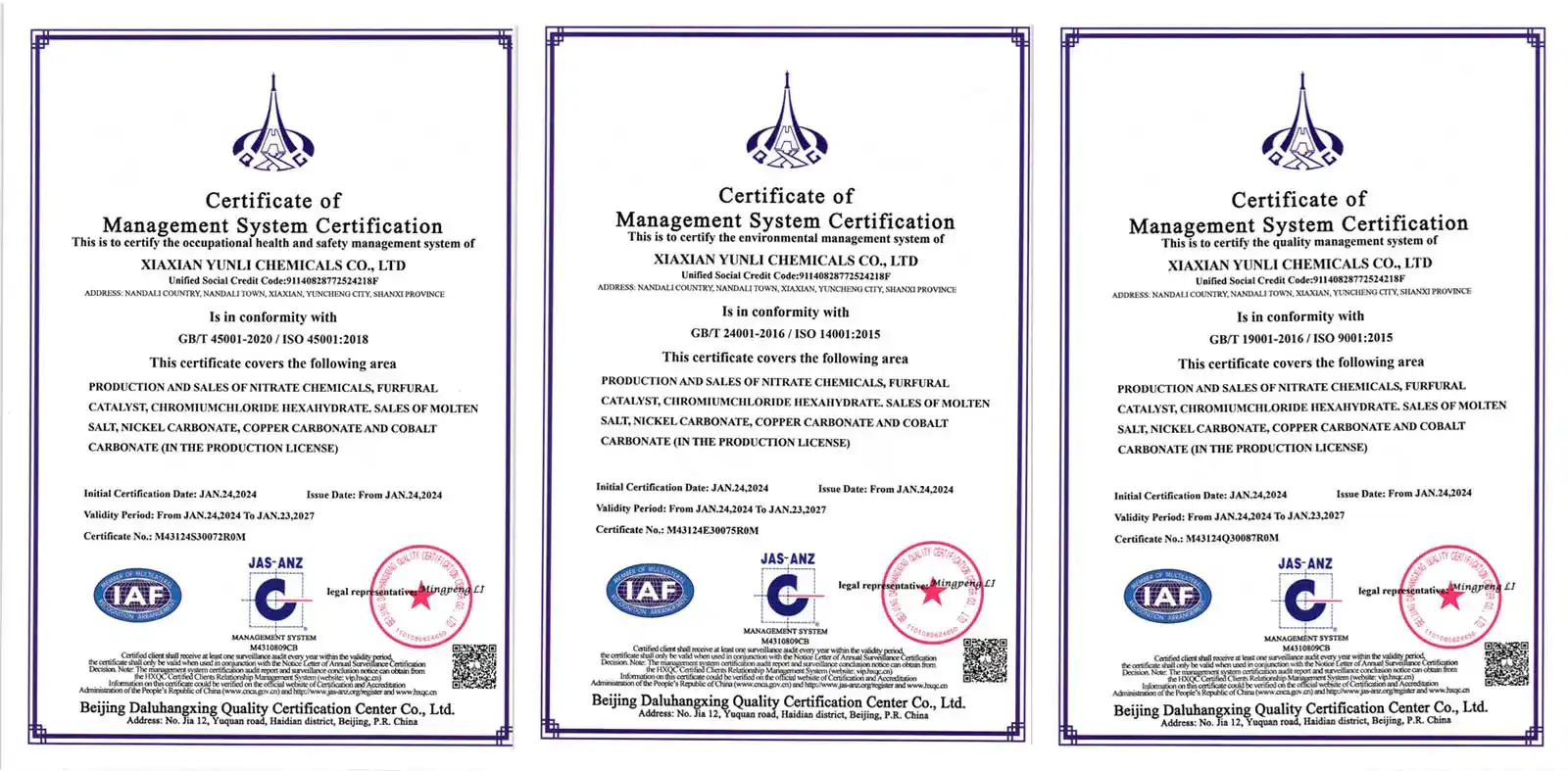
When buying chemicals, you can be sure of their quality by checking the certifications that show they follow good production practices and care for the environment. ISO 9001 certification shows that a provider is dedicated to consistent quality control systems. This lowers variation between batches, which can slow down lab work. ISO 14001 environmental certification proves that production methods handle waste management and emissions control, which is very important for businesses that have to go through strict sustainability checks. OHSAS workplace health licenses show that safety of workers is a top priority, which is a roundabout way of saying that the business is mature.
European customers will have to show proof that they follow REACH rules. This will make sure that chemicals are registered and used safely. Suppliers should easily give out Certificates of Analysis (COA) for every output batch. These COAs should include test results, impurity profiles from ICP-MS or atomic absorption spectroscopy, pH readings, and density requirements. Designations as a provincial or national technology center, like Shanxi Provincial Enterprise Technology Center, show that a company can do research that goes beyond standard product offers and allow for tailoring and problem-solving.
Evaluating Supply Chain Reliability
Supply continuity shows if labs can stick to their study and output plans without having to deal with shortages. Suppliers that have been in business for more than twenty years and make more than $150 million USD (about RMB 1 billion) a year are financially stable and can handle changes in the market and the prices of raw materials. Fixed assets worth about $45 million USD show that the company has invested in its production infrastructure, which lowers the risk of downtime caused by broken equipment.
Teams in charge of buying things should ask sellers about their inventory strategies, such as whether they keep strategic stock stores, how long it usually takes from when an order is confirmed to when it is shipped, and what plans they have for backup production during maintenance shutdowns. Clear lines of contact, such as expert support teams that can be reached by email at wangjuan202301@outlook.com, make it easy to quickly solve issues with specifications or documentation. Some sellers don't have minimum order amounts (MOQs), and they offer free samples up to 500 grams. This means that labs can do validation tests before signing tonnage contracts.
Where to Buy Aluminium Nitrate Solution Online and Offline
Leveraging B2B Digital Platforms
Chemical sourcing has changed because digital procurement channels have combined seller choices, scientific data, and compliance papers into searchable platforms. Procurement managers can quickly narrow down the list of suppliers of Aluminium Nitrate Solution by using well-known tools that let them sort suppliers by licensing status, production capacity, and customer reviews. Online stores have a lot of information about a product, like its concentration ranges, purity grades, and package types, so you can easily compare two or more products side by side.
Buyers can look at MSDS, COA forms, and regulatory compliance statements before starting talks thanks to features that check documents. But buying chemicals is different from buying other things. You still need to talk to sellers directly about custom formulations, shipping plans, and quality assurance processes. Platforms are best used as finding tools to go along with direct relationships that form through technical talks and sample reviews.
Direct Manufacturer Partnerships
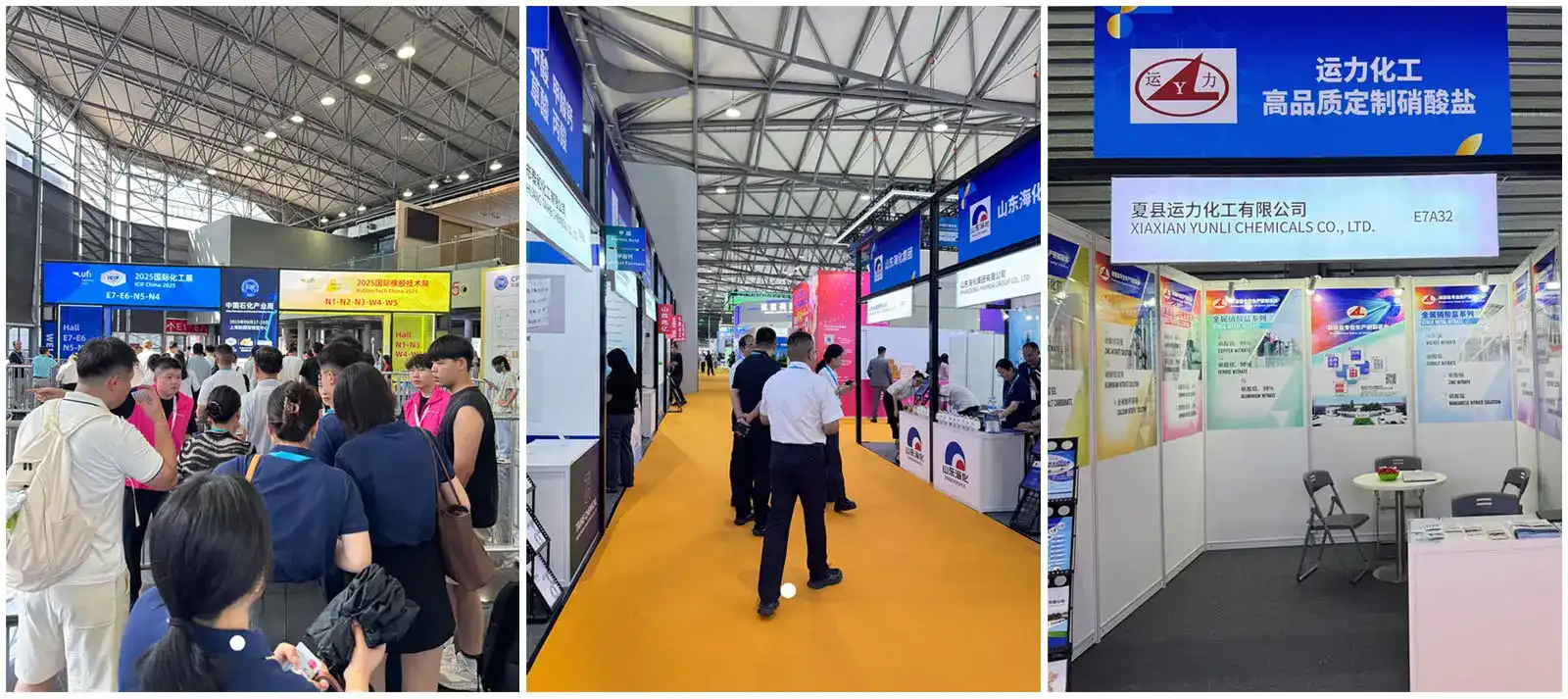
By working with factory-direct sources, you can avoid the markups that come from middlemen and get access to technical knowledge and the ability to customize products. One-stop chemical solutions can be found at companies like XiaXian Yunli Chemical, which has been in business since 2005 and has all the necessary licenses and is a province technology center. They have more than 20 standard goods spread out over five different lines. These include customized doses of aluminium nitrate solution that meet a wide range of analytical needs.
Direct partnerships make it possible to negotiate good payment terms, flexible shipping plans that work with production runs, and custom packaging with labels or containers that are the right size. Handling customs paperwork and declaring dangerous materials can be hard for sellers who aren't used to it, but self-operated export operations make international shipping easier. Technical teams with skills in coal and chemical engineering can solve problems in more ways than just filling orders. They can help with making changes to formulations, fixing problems with applications, and giving legal advice across markets.
Regional Distributors for Urgent Needs
Direct connections with manufacturers are best for long-term purchases, but when lead times get short, regional dealers meet pressing needs. Local stockists keep items in stock so that they can be sent out quickly. Often, they can deliver within 24 to 48 hours, while foreign orders take weeks. This ability to adapt is very helpful when unexpected needs come up during an experiment or when test projects need small amounts before going big.
Distributors who sell more than one brand of chemicals make things easier for labs by letting them place multiple orders at once and save money on shipping. But buyers need to make sure that sellers keep the right storage conditions—climate-controlled buildings that keep the substance from crystallizing or breaking down—and have up-to-date MSDS documents. Because prices usually include distribution margins, weighing ease against cost is an analytical process that is linked to strategies for managing supplies and cash flow.
How to Prepare and Store Aluminium Nitrate Solution in Your Laboratory
Preparation Techniques from Solid Form
It is important to pay attention to dissolution kinetics and temperature control when making Aluminium Nitrate Solution from nonahydrate crystals. Weigh the needed mass using analytical scales that are accurate to 0.01 grams, taking into account the nine molecules of hydration water that make up about 43% of the molecular weight of the chemical. Slowly add crystals to deionized or distilled water while stirring constantly with magnetic stir bars covered in PTFE. This will keep concentration spikes from happening in one area. The process of dissolution is relatively endothermic, which means that solution temperatures drop a few degrees.
Warming the solution slowly to 30–40°C speeds up the dissolution process without getting too close to the melting point of 73.9°C, which would cause breakdown to start. During preparation, don't heat it above 50°C because that will cause breakdown and the release of nitric acid gas. Once everything is dissolved, let the solution cool to room temperature before putting it in containers for storing. If you need liquids that are free of particles for scientific tools like ion chromatography systems, filter them through 0.45-micron membranes.
Optimal Storage Conditions and Container Selection
Controlling external factors that speed up decline or contamination is important for keeping the purity of the solution. The solution should be kept in containers that can handle chemicals. For small amounts, high-density polyethylene (HDPE) bottles work well, while for large amounts, stainless steel 316L or glass-lined tanks are better. Acidic corrosion in carbon steel tanks makes them unsuitable for sensitive uses because it brings iron contamination. Keep the storage temperature between 15°C and 25°C to stop crystals at low temperatures and fast breakdown above 30°C.
Tightly close containers with PTFE-lined lids to keep out moisture and carbon dioxide from the air, which can make aluminium hydroxide precipitates over time. Put dates of preparation, concentration values, batch numbers, and notes about hazards on the labels of the packages. Following the chemical division rules in NFPA 400 guidelines, keep storage areas away from reducing agents, organic solvents, and flammable materials. Visually check the containers once a month for signs of crystallization, darkening, or degradation, and write down any notes in the lab's chemical inventory.
Emergency Response Protocols
Accidental spills or exposures need to be dealt with right away and in a planned way to protect people and stop the release of chemicals. When it comes in touch with skin, rinse the affected area with lots of water for at least 15 minutes while taking off infected clothes. If the irritation doesn't go away, see a doctor. For 15 minutes, people who work with eyes must keep their lids open and flush their eyes at eyewash stations. Powders of sodium bicarbonate or calcium hydroxide can be used to clean up small messes of less than one liter.
The residue that is left over can then be swept into chemical waste bins. For bigger spills, people need to leave the area, use absorbent booms or sand dikes to keep the chemicals inside, and have trained people in full chemical splash suits clean up the mess. Ventilate the area to get rid of any nitric acid vapors, and use air monitoring tools to make sure it is safe to go back in. Throw away neutralized waste according to the rules for local hazardous garbage, and make sure you have all the paperwork you need for environmental compliance checks.
Maximizing Your Investment: Quality Assurance and Technical Support
Certificate of Analysis and Batch Testing
As proof that the goods supplied meet the quality standards set out in the contract, Certificate of Analysis (COA) paperwork are used. Each COA for Aluminium Nitrate Solution should have the batch number, the date it was made, the date it expires or needs to be retested, and the analytical data for key factors. EDTA complexometric titration is usually used to find out how much aluminium is in something. The results are given as an Al₂O₃ percentage or an Al(NO₃)₃ concentration.
ICP-MS analyzes trace metals like iron, copper, lead, and arsenic to find out how much of an issue they are. These are elements that can damage catalysts or get in the way of making drugs. At 20°C, measurements of density confirm that the concentration is stable, and pH readings confirm the acidity levels that affect the compatibility of the process. To keep electrochemical uses from getting messed up, the amounts of chloride and sulfate ions should stay below 0.01%.
Physical look descriptions write down details like color and brightness, pointing out any turbidity or precipitation that wasn't expected. During quality checks, procurement managers should keep COAs so that they can be used to track batches and connect their performance to specific production runs. This lets procurement managers evaluate suppliers' performance based on data.
Accessing Expert Technical Support
Commodity sellers are different from strategic partners who care about their customers' success because they offer technical help. Suppliers that run technology centers at the provincial level hire scientists and engineers who can answer questions about formulation, figure out why an application didn't work, and suggest other ways to do things when normal goods don't work. This knowledge is especially useful when labs find precipitation that they didn't expect, chemicals that don't work well with each other, or performance that doesn't match what they read in the literature.
Support teams help with regulatory paperwork, making labels that are special to each country, translating safety paperwork, and making sure that packages follow the rules for transporting oxidizing liquids across international borders. Some providers offer on-site visits or virtual meetings to look at how labs work and suggest ways to make them more efficient or cut costs by optimizing the process. Access to this kind of knowledge, which can be gained through direct channels like wangjuan202301@outlook.com, changes buying things into working together in ways that boost lab output and creativity.
Real-World Application Success Stories
Case studies from real life show how choosing the right source and making sure the quality of the product can lead to practical successes. A North American electroplating plant cut reject rates by 40% after switching to a high-purity solution with a controlled iron content below 0.003%. This got rid of the browning that was happening on chrome-plated car parts before. A European pharmaceutical company sped up the process development timelines by working with a source that could offer customized concentrations and micro-batch production.
They were able to get 10-liter quantities within two weeks instead of having to wait for standard vendors to ship at least 200-liter quantities. An Asian battery research center made a big step forward in electrode coating uniformity by using an ultra-pure solution made through improved ion-exchange purification. This made it possible to bring a new lithium-aluminium oxide separator technology to the market. These examples show that quality assurance is more than just following the rules; it has a direct effect on how efficiently products are made, how new products are created, and how well a company stands in competitive markets.
Conclusion
To find an Aluminium Nitrate Solution option for lab use, you have to find a balance between technical requirements, source reliability, and logistics. This way, you can build long-lasting relationships with suppliers that support organizational greatness. Buyers should give more weight to providers that show strong quality control by having ISO certifications, open batch testing, and lots of technical documents. Direct factory partnerships are better because they allow for more customization options, lower costs, and access to research resources.
This is especially true for well-established companies that have been in business for a long time and have a history of being financially stable. Safe handling and maximum product use are ensured by following the right storage rules, being ready for emergencies, and using technology help resources. Using the tips and evaluation frameworks in this guide, purchasing managers and technical engineers will be able to confidently navigate the market, finding reliable supplies that meet strict purity standards and helping their lab reach its research and production goals.
FAQ
What purity level should I specify for analytical laboratory work?
For analytical chemistry tasks, aluminium nitrate solution with a minimum of 98% measurement and trace metal content is usually needed. To keep spectral methods and catalytic processes from getting messed up, iron pollution should stay below 0.005%. Heavy metals like lead and arsenic must be kept below 0.001% for pharmaceutical production, which needs even stricter controls. Ask for COAs that show ICP-MS analysis and prove that impurity profiles meet your unique analytical needs.
How long is it safe to keep aluminium nitrate solution?
When held properly in cases that are sealed and don't react with chemicals, solutions stay stable for 12 to 24 months at 15 to 25°C, out of the sun, and away from materials that don't work with them. However, concentration and pH should be checked again every 12 months because slow breakdown may change the way the solution works. Keeping things in the fridge makes them last longer, but it can cause concentrated formulas to crystallize.
Can aluminium sulfate substitute for aluminium nitrate in my application?
Both give you liquid aluminium, but the negatively charged parts of them act in different ways. Aluminium nitrate is an oxidizing agent that can be used to make catalysts and do some scientific processes. Aluminium sulfate, on the other hand, is mostly used to treat water and size paper. Nitrate solutions always have a lower pH and react clearly in precipitation reactions. Before making a substitution, talk to technical help to make sure you won't mess up the results of the experiment.
Partner with a Proven Aluminium Nitrate Solution Manufacturer
Yunli Chemical has been making specialized chemicals for over 20 years, has yearly sales of more than $150 million USD, and is a provincial technology center. They can help labs that need reliable Aluminium Nitrate Solution sources. Our ISO 9001, ISO 14001, and OHSAS certifications show that we are dedicated to quality management, protecting the environment, and keeping workers safe, all of which lead to consistent product standards. We offer factory-direct prices that don't include markups for distributors, concentrations that can be changed from 30% to 60%, and a range of packing options, from 500-gram samples to big IBC containers.
Our self-run export section handles foreign shipping and paperwork for dangerous materials, making sure that deliveries are made legally in North America, Europe, and Asia. Technical support teams can be reached at wangjuan202301@outlook.com and can help with formulation optimization, regulatory advice, and application problems. We make it easier to buy by offering free samples up to 500 grams and no minimum order amounts. This keeps the supply stable enough for lab operations to continue without interruption. Contact our team today to discuss your unique needs and discover the benefits of working with a top provider committed to your success.
References
1. Smith, J. R., & Thompson, M. L. (2021). Industrial Inorganic Chemistry: Principles and Applications. Academic Press.
2. Chen, W., & Patel, K. (2020). "Quality Control Methods for Aluminum Salts in Laboratory Settings," Journal of Analytical Chemistry, 45(3), 287-301.
3. European Chemicals Agency. (2022). Guidance on Safe Use of Aluminum Nitrate in Industrial Applications. ECHA Publications.
4. National Institute for Occupational Safety and Health. (2023). Pocket Guide to Chemical Hazards: Aluminum Nitrate. DHHS (NIOSH) Publication.
5. Williams, A., & Zhang, L. (2019). "Comparative Analysis of Aluminum Salt Solutions in Catalyst Manufacturing," Catalysis Today, 338, 112-125.
6. International Organization for Standardization. (2020). ISO 9001:2015 Quality Management Systems Requirements. ISO Standards Catalogue.