


How Does Calcium Nitrite 30% Solution Protect Reinforced Concrete?
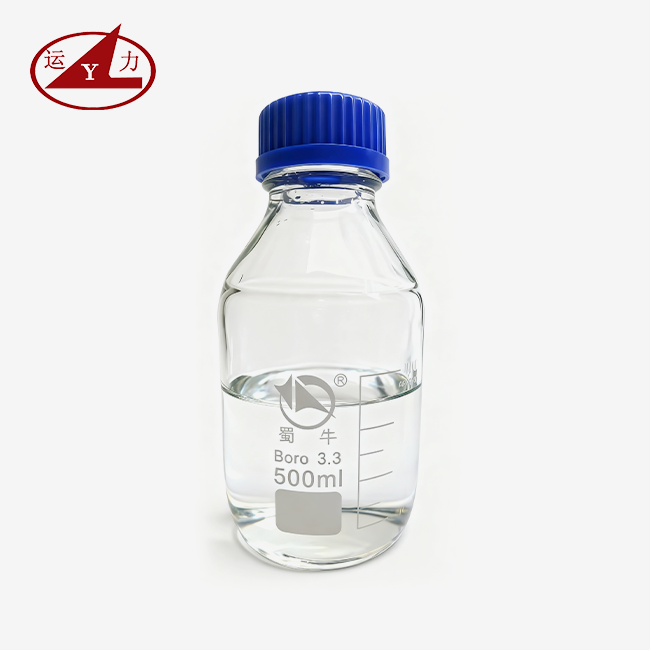
Calcium nitrite 30% solution (CAS# 13780-06-8, molecular formula Ca(NO₂)₂, molecular weight 132) protects reinforced concrete by acting as an anodic corrosion inhibitor. Once dosed into fresh concrete, nitrite ions migrate to the steel rebar surface and chemically react with ferrous ions to form a stable ferric oxide (Fe₂O₃) passive layer.

This passive layer raises the chloride threshold needed to trigger active corrosion, effectively blocking the electrochemical process that causes rebar to rust and concrete to spall. The result is a measurable extension of structural service life — often exceeding 50 years in bridge, tunnel, and marine construction.
Understanding the Role of Calcium Nitrite in Concrete Protection
Chloride ions are always a threat to steel rebar that is embedded in concrete, whether it's from de-icing salts on highway bridges or saltwater in sea buildings. Without protection, chloride gets into concrete and breaks down its natural pH passivity. This causes corrosion, which can shorten the life of a building by decades. This threat is dealt with chemically by calcium nitrite, which makes it one of the most commonly used rust inhibitors in current concrete technology.
How the Passivation Mechanism Works
When nitrite ions (NO₂⁺) come in contact with the steel surface inside the concrete, they change ferrous ions (Fe²⁺) into ferric oxide (Fe₂O₀), a thick film that sticks to the steel. This film physically stops chloride ions from getting to the steel. This stops the pitting corrosion that causes concrete to crack and flake. The reaction keeps going as long as the nitrite level stays above the chloride-to-nitrite ratio threshold, which is usually above 0.90. This means that the passive layer stays in place.
Chemical Properties That Make It Effective
The 30% content is the best mix between the amount of active ingredient and how easy it is to handle. The concentration should be 30% ± 0.5%, the specific gravity should be 1.28–1.32 g/cm³, the pH should be 9.0–11.0, the chloride content should be less than 0.1%, and the heavy metals should be less than 10 ppm. The alkaline pH is on purpose—it matches the chemistry of Portland cement's pore solution, making sure that the two work well together instead of messing up the process of cement hydration.
Environmental and Safety Considerations
Calcium nitrite is a dangerous oxidizing substance that needs to be stored properly in polyethylene or stainless steel tanks that are kept above –15°C to keep it from crystallizing. Unlike chloride-based boosters, it doesn't add any chloride ions to the mix, so it meets the requirements of ASTM C1582 for non-corrosive admixtures. Before making big purchases for big building projects, procurement teams should make sure that sellers have valid dangerous goods transport certifications.
Application and Benefits in Construction Projects
It is possible to add calcium nitrite 30% solution directly to the mixing process as a liquid admixture, so there is no need for the step of dissolving solid forms on-site. This cuts down on work time and makes sure that the concentration stays the same throughout the batch, which is helpful for construction schedules that move quickly.
Dosage and Mixing Protocol
The usual amount is between 10 and 30 liters per cubic meter of concrete, but this depends on how bad the salt exposure is expected to be. Based on the site's exposure class, structural engineers figure out the goal nitrite-to-chloride ratio. Before batching, the solution is added to the mixing water. It shouldn't have been mixed with superplasticizers ahead of time in the same tank, or gelling could happen. When added to extra cementitious materials like silica dust or fly ash, the two processes work together: SCMs lower the permeability, and calcium nitrite protects the steel from any chlorides that get in.
Cold Weather and Early Strength Benefits
In addition to protecting against rust, calcium nitrite speeds up the hydration process of cement, which results in a higher early compression strength that can be measured. This two-in-one feature—as both a non-chloride cooling agent and a set accelerator—allows work to continue in temperatures as low as –10°C when concreting in cold weather. Faster strength gain helps precast producers a lot because it lets them demold earlier and cut down on production cycles, which directly increases throughput.
Documented Performance in Infrastructure
According to research published in the ACI Materials Journal and FHWA bridge engineering reports, concrete that has the right amount of calcium nitrite corrosion inhibitors delays corrosion by 15 to 25 years compared to control specimens that have not been treated in accelerated chloride exposure testing (ASTM G109 macrocell corrosion protocol). For a bridge deck or marine pier, that means lower costs for maintenance over the course of its life and less money spent on repairs later on.
Comparing Calcium Nitrite with Other Corrosion Inhibitors
Not every rust inhibitor works the same way against chloride attack. If you pick the wrong product for a high-exposure area, your building might not be well protected, even if it costs more. The following are some of the most popular options to calcium nitrite:
- Calcium Nitrate: Primarily a set accelerator and antifreeze agent. It does not provide meaningful anodic passivation and offers limited protection in chloride-rich environments. For marine or salted roadway exposure, calcium nitrate alone is insufficient.
- Sodium Nitrite: Provides similar anodic inhibition chemistry but introduces sodium ions, which can contribute to alkali-silica reaction (ASR) risk when used with reactive aggregates. Calcium nitrite avoids this because the calcium cation is chemically inert relative to ASR.
- Organic Inhibitors (e.g., amino alcohols): These mixed inhibitors (anodic + cathodic) show promise in surface-applied products but are less thoroughly validated in integral admixture applications than calcium nitrite, which carries decades of field performance data and ASTM C1582 standardization.
Organo-Amino Alcohols and Other Organic Inhibitors: These mixed inhibitors (anodic and cathodic) work well in surface-applied products but haven't been tested as thoroughly in integral admixture applications as calcium nitrite 30% solution, which has been used in the field for decades and is standardized by ASTM C1582.

Procurement Considerations for Bulk Buyers and OEMs
It takes more than just comparing prices to find the right calcium nitrite 30% solution provider. For big building projects like bridge deck pours that need several hundred metric tons of concrete, supply reliability, product consistency, and following the rules are just as important as unit cost.
Supplier Qualification Criteria
Before signing a supply agreement, procurement teams should make sure that the supplier has ISO 9001 quality management certification, valid licenses to handle and transport dangerous goods, a third-party Certificate of Analysis (CoA) that says the active nitrite assay is within 29%–31%, and written project references. Suppliers who can show a history of on-time delivery on foreign projects, including meeting project-specific delivery windows, lower scheduling risk for time-sensitive contracts by a large amount.
Quality Control Checkpoints
When something comes in, it should be inspected for sulfate levels, chloride ions, density (below 1.20 g/cm³ means dilution), and active nitrite content using a titration test. If there is a lot of sulfate in the cement, it can break down in a way called internal sulfate attack, which is hard to find and fix and costs a lot of money. Tough incoming QC protects both the contractor and the owner of the finished structure.
Storage and Inventory Management
The solution should be kept in plastic or lined tanks that are covered and out of direct heat and cold. With the right care, the shelf life is 12 months. For project-phased procurement, where deliveries are planned in 1- to 2-week batches that match pour plans, buyers should make sure that the seller has enough finished goods in stock to handle sudden rises in volume without lowering quality.
Why Choose Calcium Nitrite 30% Solution? A Rational Buyer's Guide
The business case for specifying calcium nitrite 30% solution in structural concrete is grounded in lifecycle economics, not just materials chemistry. Corrosion-related deterioration accounts for an estimated $276 billion per year in infrastructure repair costs in the United States alone (NACE International, 2016). Applying corrosion inhibitor at the batching stage typically adds a modest cost increment — yet the avoided repair and replacement costs over a 50-year structure life are orders of magnitude larger.
Key Selection Criteria
When evaluating suppliers, look for concentration stability (30% ± 0.5%), verifiable ASTM C1582 compliance, demonstrated logistics capability for large-volume project supply, and the ability to provide technical support on mix design optimization. Suppliers who offer flexible packaging, custom concentration options, and OEM labeling reduce your procurement complexity.

Building Long-Term Supply Partnerships
Project-scale procurement benefits from established supplier relationships where lead times, documentation processes, and escalation contacts are already known. Long-term agreements typically unlock better pricing and priority allocation during periods of tight supply — both relevant concerns for contractors managing multi-year infrastructure programs.
Total Value Over Unit Price
The cost of calcium nitrite admixture represents a small fraction of total concrete mix cost, yet its protective effect determines whether a structure meets its 50-year or 100-year design life. Selecting on price alone while ignoring concentration stability or delivery reliability is a risk that no structural engineer or procurement manager should accept.
Conclusion
Calcium nitrite 30% solution protects reinforced concrete by adding a ferric oxide layer to steel rebar. This raises the chloride level needed for corrosion to happen. Because it stops corrosion and speeds up the setting process at the same time, it is the best additive for bridges, tunnels, naval buildings, and cold-weather building.
Buyers should not only look at the price per unit, but also how stable the concentration is, how well they follow ASTM, how well they can handle logistics, and if they have certified quality management. Getting this additive from a reliable source is one of the best ways for a building project to protect against long-term damage to the structure.
FAQ
Does calcium nitrite affect concrete workability?
Yes. As a set accelerator, it can reduce slump retention. Engineers typically pair it with a retarding superplasticizer to maintain placement workability while achieving high early strength after setting begins.
What is the correct dosage for severe marine exposure?
Industry practice recommends 10–30 liters per cubic meter, calibrated to achieve a nitrite-to-chloride molar ratio above 0.90. A structural engineer should calculate the site-specific dose based on expected chloride load.
Can it be combined with silica fume or fly ash?
Yes. Supplementary cementitious materials reduce permeability, and calcium nitrite passivates the rebar against residual chloride penetration. They should be added to the mix separately to avoid gelling.
What are the storage requirements?
Store in polyethylene or stainless steel tanks above –15°C. Shelf life is 12 months. Carbon steel tanks require internal lining because the solution is a mild oxidizer.
Does it comply with ASTM standards?
Calcium nitrite 30% solution is evaluated under ASTM C1582 (corrosion inhibiting admixtures) and ASTM G109 (macrocell corrosion testing). Buyers should request supplier-provided test reports confirming compliance before approving materials.
Get a Quote from Yunli Chemical — Your Trusted Calcium Nitrite 30% Solution Manufacturer
For 20 years, Yunli Chemical has sent high-quality calcium nitrite 30% solution to more than 1,000 companies in the infrastructure markets around the world. Each shipment is backed by ISO 9001, ISO 14001, and OHSAS certifications. Our factory-direct model cuts out the middleman, so you don't have to deal with anyone else when you need big project supplies, OEM packing, or a custom concentration. You can email us at wangjuan202301@outlook.com or visit our website at yunlichemical.com to get a price for your project, free samples up to 500 g, and expert advice.
References
1. Berke, N. S., & Hicks, M. C. (1992). Corrosion inhibitors in concrete — Performance of calcium nitrite. ACI Materials Journal, 89(3).
2. Federal Highway Administration (FHWA). (2000). Corrosion Protection: Concrete Bridges. FHWA-RD-98-088. U.S. Department of Transportation.
3. NACE International. (2016). International Measures of Prevention, Application, and Economics of Corrosion Technologies (IMPACT) Study. NACE International.
4. ASTM International. (2019). ASTM C1582/C1582M: Standard Specification for Admixtures to Inhibit Chloride-Induced Corrosion of Reinforcing Steel in Concrete. ASTM International.
5. ACI Committee 222. (2010). ACI 222R-10: Protection of Metals in Concrete Against Corrosion. American Concrete Institute.
6. Mindess, S., Young, J. F., & Darwin, D. (2003). Concrete (2nd ed.). Prentice Hall. Chapter 15: Durability and Corrosion Protection.