


How Does Nickel Nitrate Quality Affect Coating Performance and Cost?
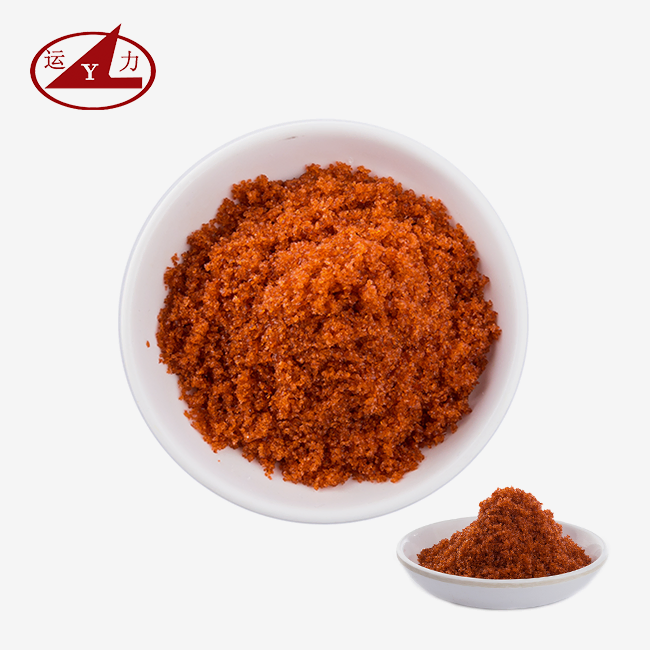
I usually tell customers how nickel nitrate quality impacts their coating lines: deeply. Iron nitrate hexahydrate (Ni(NO₃)₂·6H₂O, Acs 13478-00-7) is a green crystalline chemical of ≥99.5% purity, used in electroplating baths, ceramic glazes, and catalyst supports. The impurity values (Fe ≤30ppm, Na ≤50ppm, Cl⁻ ≤100ppm) are not merely specification numbers. They check your coating's uniformity, corrosion resistance, and final inspection. I explain how each quality criteria affects coating results and procurement expenditures below.
Understanding Nickel Nitrate Quality: Key Properties and Their Impact
Chemical Purity and Composition
One mole of Ni(NO₃)₂·6H₂O is equal to 290.81 grams. Each batch has the same amount of active nickel because it is ≥99.5% pure. This is important if you need to be very precise about how many ions are in your plating bath. If the amount of nickel in the deposit changes by just 0.3%, it can make the diameter change by several micrometers. This is enough to reject precise parts.

Physical Characteristics That Govern Process Stability
At 56.7°C, nickel nitrate hexahydrate melts, and at 100°C, it begins to release water. It eventually breaks down into nickel nitrate that is not wet. When mixed with 1% water, its pH is between 2.5 and 3.5, the same as an electroplating bath. The material easily soaks up water, so it needs to be packed in containers that can't hold water, like 25 kg bags, 1MT pallets, or bulk IBC tanks.
Safety, Storage, and Regulatory Compliance
UN classifies nickel nitrate as a Class 5.1 oxidant. Consuming raw materials is unhealthy and might ignite fires. Crystals don't cling together and stay their form by keeping them below 30°C and monitoring humidity. Suppliers must supply export markets DG-certified packaging, SDS documentation, and batch-specific COAs with lot-number monitoring to comply with REACH, TSCA, and RoHS.
How Nickel Nitrate Quality Influences Coating Performance
From a less pure nickel salt to the high-purity nickel oxide source, electroplating engineers see a change in surface polish during the first production cycle. Nitrate anion thermally decomposes to gaseous NOₓ, eliminating sulfur and chlor residues, known catalyst poisons and factors to under-film rust in plated components.
Coating Uniformity and Adhesion
High-purity material keeps bath chemistry within tight tolerances. When iron contamination stays at or below 30ppm, nodule formation and pitting rates drop sharply. A study on electroless nickel plating published in Surface and Coatings Technology (2019) confirmed that iron contamination above 50ppm increased surface defect density by 40%.
Corrosion Resistance of the Deposited Layer
Chloride ions above 100ppm accelerate localized corrosion in the nickel deposit itself. Controlling Cl⁻ to ≤100ppm—or ≤50ppm for battery-grade applications—protects the deposit microstructure and extends service life of coated parts operating in aggressive environments.
Comparison With Nickel Sulfate and Nickel Chloride
Nickel sulfate leaves sulfur residues after thermal processing. Nickel chloride introduces chloride ions that corrode stainless steel equipment and degrade catalyst activity. Nickel nitrate avoids both problems, making it the preferred source wherever clean decomposition is required. This property is especially relevant in ceramic color-glaze firing, where residual sulfur causes discoloration.
Cost Considerations: Balancing Price and Quality in Procurement
In this area, the price per unit is not the only thing that people use to decide what to buy. They save money per kilogram, but then they spend three times as much on repairs, bath dumps, and sending late.
When it comes to prices, every buyer should think about these things:
- Purity tier vs. application need. Electroplating-grade material (Fe ≤30ppm) costs more than technical grade, but it eliminates the bath purification steps that add labor and chemical costs. For battery precursor synthesis requiring Cl⁻ ≤50ppm, the premium is justified by yield improvement at the cathode level.
- Volume and packaging flexibility. Bulk liquid IBC tanks reduce per-kilogram cost for high-volume users and eliminate the dissolution step, which one catalyst manufacturer reported saves roughly 18% in energy per production cycle.
- Supplier certifications and compliance documentation. ISO 9001, REACH, and TSCA certificates are not just paperwork—they reduce customs hold risk and protect against liability in regulated markets like the EU and the US.
These things mean that the nickel nitrate provider with the lowest price almost never has the lowest overall costs. When goods arrive, experienced buying teams always check them with batch-specific COAs and impurity tests.
Application-Specific Quality Requirements and Their Impact on Cost
When you buy the wrong grade, you waste your money in two ways: either you pay too much for purity that you don't need, or you pay too little and have to deal with quality losses later on.
Battery Material Precursors
For making NCM (Nickel-Cobalt-Manganese) cathode precursors, it's important to keep track of minor metals like magnesium and calcium, because they can mess up the hydroxide structure and lower the energy density. At this level of detail, you need battery-grade nickel nitrate with Cl⁻ limits that can be changed (≤50ppm).
Electroplating and Surface Finishing
Electroplating usually works with Fe levels below 30ppm and Cl levels below 100ppm. Because high-quality materials don't clump, automated dosing lines can keep going without any help. This makes baths last longer and cuts down on the cost of labor per shift.
Catalyst Manufacturing and Ceramic Glazes
When making catalysts, they use a method called "incipient wetness impregnation," which relies on the fact that nickel nitrate dissolves easily in water (≥99.5%), to spread nickel at the atomic level on alumina or silica supports. For pottery glaze uses, uniform particle shape makes color that stays the same through multiple kiln cycles. This lowers the amount of waste in the production of high-end building tiles.
Best Practices for Procurement and Quality Management
Effective sourcing of nickel nitrate is a process, not a single purchase decision. The typical decision cycle for a first-time industrial supply relationship runs one to three months, covering technical evaluation, sample testing, commercial negotiation, and a trial order before a long-term supply agreement is signed.
Incoming Quality Testing Protocols
On every shipment arrival, request the batch-specific COA and cross-check nickel content, key impurity levels (Fe, Na, Cl⁻), and pH. ICP-MS and atomic absorption spectrometry are standard instruments for this verification. Yunli Chemical provides COAs with lot-number traceability, which simplifies this process.
Supplier Qualification Criteria
A qualified supplier must hold ISO 9001 for quality management, ISO 14001 for environmental management, and relevant export certifications for hazardous goods (Class 5.1, UN 2725). The ability to supply both solid and liquid forms, along with customizable impurity profiles, signals genuine manufacturing depth rather than trading-company resale.

Inventory and Storage Management
Store nickel nitrate in sealed, moisture-proof containers below 30°C and away from organic materials. Accurate demand forecasting reduces the risk of material degrading in storage—particularly relevant given the compound's hygroscopic nature and low melting point of 56.7°C.
Conclusion
In electroplating, catalyst production, and ceramic glaze uses, nickel nitrate quality directly affects coating consistency, corrosion resistance, and process stability. Controlling impurities, especially Fe, Na, and Cl⁻, is the measured difference between good results and regularly high output.
When buying something, decisions that take into account purity level, supplier certification, packaging format, and total operational cost will work out better than decisions that only look at unit price. Three habits will help you keep your product quality and your budget safe: match the standard to the application need, check every batch, and build long-term relationships with your suppliers.
FAQ
What is the difference between nickel nitrate and nickel sulfate in electroplating?
Nickel sulfate is the most common bath constituent, but it introduces sulfur residues during thermal processing, which can corrode equipment and reduce catalyst activity. Nickel nitrate produces only gaseous NOₓ on decomposition, leaving no corrosive residues. For applications requiring clean thermal processing—such as catalyst preparation or ceramic glazing—nickel nitrate is the preferred choice.
How does purity level affect electroplating bath consistency?
Iron contamination above 50ppm has been shown to increase surface defect density by 40% in electroless nickel plating studies. Keeping Fe ≤30ppm and Na ≤50ppm stabilizes bath chemistry, reduces the frequency of bath replenishment, and produces a more uniform deposit across large production runs.
What certifications should I require from a nickel nitrate supplier?
At minimum, require ISO 9001, REACH compliance documentation, SDS/MSDS, DG-certified packaging confirmation, and a batch-specific COA. For exports to the US, TSCA compliance is mandatory. For European markets, verify RoHS alignment if your end product falls under that directive.
Can I request a customized impurity specification?
Yes. Reputable manufacturers offer adjustable Fe/Na/Cl⁻ limits for specialized applications. Battery-grade material may require Cl⁻ ≤50ppm, while standard electroplating grade accepts Cl⁻ ≤100ppm. Confirm that your supplier has ICP-MS capability to verify custom specifications reliably.
Partner With Yunli Chemical for Certified Nickel Nitrate Supply
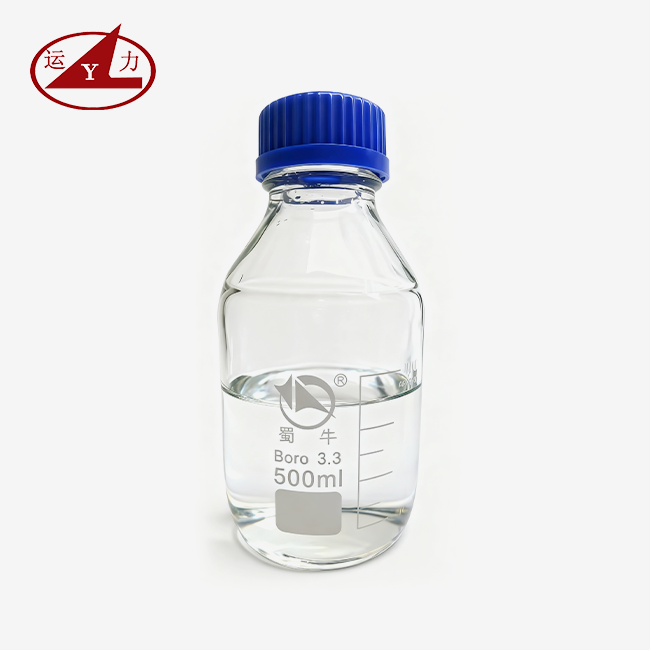
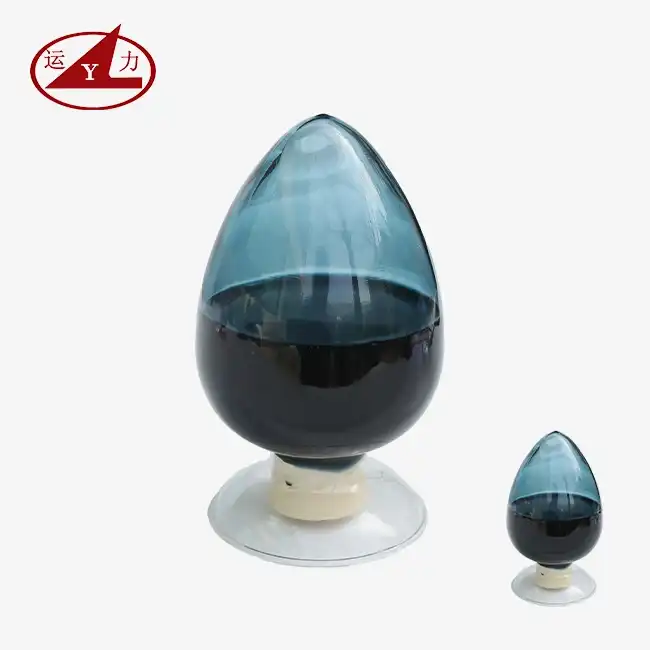
Yunli Chemical has been making chemical products for more than 20 years. They have ISO 9001, ISO 14001, and OHSAS certifications and make more than 1 billion yuan a year. We are a direct producer of nickel nitrate and can export it ourselves. We offer ≥99.5% pure material in solid or liquid form, customized impurity profiles, no minimum order quantity, and free samples up to 500g. To get a price, email us at wangjuan202301@outlook.com or go to yunlichemical.com.

References
1. Surface and Coatings Technology — "Effect of Iron Contamination on Electroless Nickel Deposit Quality," 2019.
2. Journal of the Electrochemical Society — "Nickel Salt Selection in Electroplating Bath Chemistry: A Comparative Study," 2020.
3. Journal of Power Sources — "Impurity Control in NCM Cathode Precursor Synthesis via Co-precipitation," 2021.
4. Applied Catalysis A: General — "Nickel Nitrate as a Precursor for Supported Nickel Catalysts in Steam Methane Reforming," 2018.
5. Ceramics International — "Effect of Nickel Compound Purity on Color Consistency in Ceramic Glaze Firing," 2022.
6. Industrial & Engineering Chemistry Research — "Thermal Decomposition Kinetics of Nickel Nitrate Hexahydrate and Implications for Catalyst Preparation," 2017.