

How to Select a Nickel Nitrate Supplier for Consistent Quality
Choosing the right nickel nitrate supplier is one of the most consequential procurement decisions a manufacturing company can make. Nickel nitrate hexahydrate (Ni(NO₃)₂·6H₂O, CAS 13478-00-7) is a green crystalline compound with a purity of ≥99.5%, melting point of 56.7°C, and pH range of 2.5–3.5 in aqueous solution. It serves as a critical input across catalyst production, electroplating, battery cathode precursor synthesis, and ceramic glazing. Inconsistent material quality—whether in iron content, chloride levels, or particle morphology—directly disrupts downstream processes and increases production costs.

Understanding Nickel Nitrate and Its Key Quality Parameters
Before evaluating suppliers, procurement teams need a firm grasp of what separates acceptable material from a process-critical one.
Molecular Properties and Physical Behavior
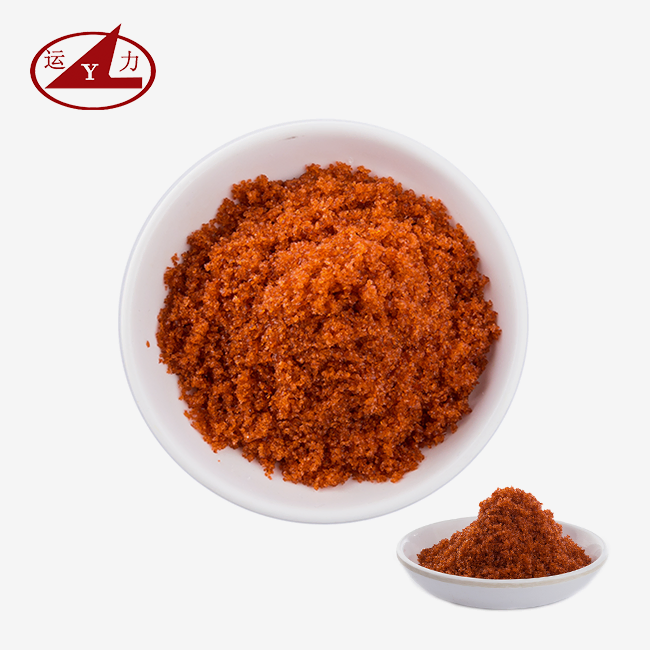
Molecular formula for nickel nitrate hexahydrate is Ni(NO₃)₂·6H₂O, with a weight of 290.81 g/mol. The emerald-green crystal absorbs moisture and disintegrates in dry air. It loses water molecules at temperatures around 100°C and decomposes into tetrahydrate at 2.05 specific density. It dissolves easily in water and alcohol, creating an acidic solution. Contact with organics may ignite.
Purity and Impurity Thresholds That Matter
Industrial purchasers need more than purity. A batch's accuracy performance depends on its impurity profile. Battery or catalyst-grade materials generally need Fe ≤30 ppm, Na ≤50 ppm, and Cl⁻ ≤100 ppm. Trace calcium or magnesium may impair lattice formation in NCM cathode precursor production, lowering energy density and cycle life. A batch-specific COA is required to verify these levels.
Application-Driven Quality Requirements
Industries have distinct standards. Hydrogenation and steam methane reforming catalyst producers must prevent active-site toxicity with ultra-low iron and salt levels. Chloride must be regulated during electroplating to avoid bath contamination and coating problems. For homogeneous color glazing, ceramic manufacturers need constant particle shape. Before ordering, know your application's tolerance limitations to avoid expensive production disruptions.
Key Criteria for Selecting a Nickel Nitrate Supplier
With quality parameters defined, the next step is building a supplier evaluation framework grounded in verifiable evidence—not sales claims.
Certifications and Compliance Documentation
ISO 9001, ISO 14001, and REACH or TSCA compliance certificates are required for a reliable nickel salt provider. These certifications indicate a systematic, auditable quality control system. For export markets, Class 5.1 oxidizers must have RoHS and DG transit certification (UN 2725). Request current certificates, not website logos.
Quality Control Infrastructure and Batch Traceability
Ask about lab gear for nickel nitrate. Suppliers with ICP-MS and absorption Spectrometer can detect parts-per-million trace metal contaminants. Batch-specific COA with lot-number monitoring is standard. 4N-grade (99.99%) high-purity suppliers have production depth that standard-grade customers benefit from indirectly—tighter process controls mean more consistent output.
Supply Chain Stability and Logistics Capacity
A supplier's production volume history, raw material sourcing strategy, and warehouse infrastructure all affect your supply continuity. For US-based buyers, verify that the supplier operates a self-managed export division with DG-certified packaging capability. Suppliers who use third-party trading companies add a layer of opacity that complicates quality disputes and lead-time management. Direct factory supply with in-house export operations shortens the accountability chain.

Comparing Nickel Nitrate Types and Procurement Options
Buying teams can make better design decisions when they know how nickel nitrate stacks up against other options.
Nickel Nitrate vs. Nickel Sulfate and Nickel Chloride
One big benefit of the nitrate anion over the sulfate or chloride cousins is that it breaks down thermally into gaseous oxides (NOₓ) without leaving behind any harmful residues. Nickel sulfate breaks down into sulfur molecules that can make some catalysts sick. Nickel chloride leaves behind chlorine ions that damage high-temperature equipment.
The hexahydrate form is technically better because it breaks down more cleanly, which makes it ideal for making catalysts and battery precursors. Nickel sulfate is cheaper and can be used for electroplating, but nitrate-based baths give more consistent results when coating adhesion quality is important.
Solid Crystals vs. Liquid Solution Forms
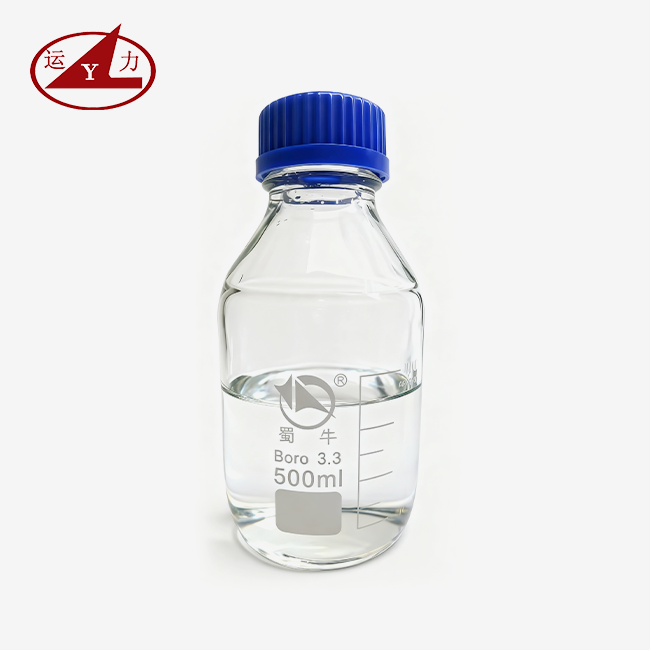
Solid nickel nitrate hexahydrate comes in 25 kg bags that won't get wet and on 1MT pallets. It can be used in places with controlled dissolution equipment. The dissolving step is skipped completely with the liquid form, which is an aqueous solution that has already been dissolved in IBC tanks.
This saves energy and makes doses more accurate in continuous-flow production lines. When used in battery precursor co-precipitation reactors or large catalyst impregnation units, the liquid form also lowers exposure to airborne particles, meeting OSHA standards for worker health.
Evaluating Global and Regional Supplier Options
Chemical giants Sigma-Aldrich and Alfa Aesar can supply laboratories and small quantities, although they price more for bulk orders. For purchases of 500 kg to several tons, purchasing directly from a production-scale producer that exports from inside the firm offers the greatest price without compromising paperwork. Not brand familiarity, but batch-to-batch regularity supported by checkable data distinguishes companies.
Practical Guidelines for Sample Evaluation and Long-Term Partnerships
Theory only goes so far. The real test of a supplier comes during the sample verification stage.
Requesting and Testing Samples Effectively
Order 500 g for first testing. Test against your own standards, not the supplier's COA. Check purity by ICP-OES, pH in a 1% aqueous solution (2.5–3.5), and solubility under process conditions. Red flags include suppliers that refuse to supply samples or require large minimum orders. Reliable manufacturers provide no-minimum sample programs.
Negotiating Quality Agreements and KPIs
A good supply contract for nickel nitrate includes purity floors, maximum impurity ceilings, lot traceability, corrective action response times, and refund or replacement conditions for out-of-spec batches. Establishing quantifiable KPIs, such as on-time delivery rate ≥95%, batch rejection rate <1%, and COA turnaround within 24 hours, ensures objective accountability and avoids subjective disagreements.
Continuous Monitoring After Onboarding
Long-term supplier relationships require ongoing performance tracking. Schedule periodic third-party audits—annually for critical materials—and compare incoming inspection data against COA values over time. Statistical drift in impurity levels often precedes a quality event. Early detection through trend analysis protects production continuity. Suppliers who welcome audits and share process improvement data are partners worth keeping.
Storage, Handling, and Safety Considerations
Even high-quality material degrades if handled incorrectly after delivery.
Temperature and Humidity Control
Store nickel nitrate hexahydrate below 30°C in tightly sealed, moisture-proof containers. Because its melting point is only 56.7°C, exposure to elevated temperatures can cause partial dissolution in its own crystal water, leading to caking. Keep storage areas dry and away from direct sunlight. Check container integrity upon each delivery.
Hazard Classification and Safe Handling
Nickel nitrate hexahydrate is classified as a Dangerous Good, Class 5.1 (Oxidizer), UN 2725. It enhances combustion of other materials on contact. Personnel handling bulk quantities should wear nitrile gloves, goggles, and respiratory protection. Keep it away from organic chemicals, combustibles, and reducing agents. Always store and use Safety Data Sheets (SDS) provided by the supplier.
Compliance Documentation from the Supplier Side
Your supplier should proactively provide SDS in English, DG-compliant packing declarations, and transport labels meeting IMDG or IATA standards. Suppliers who delay or omit this documentation create legal exposure for your receiving facility. Confirm documentation standards before the first shipment, not after.
Conclusion
Choosing a nickel nitrate source influences manufacturing across the supply chain. Set purity and impurity objectives, then evaluate providers based on certificates and quality control. Use samples to verify claims and ensure the connection is based on agreed-upon KPIs. vendors with detailed batch documentation, adaptable product forms, and actual technical assistance are safer and greater value than price-only vendors.

FAQ
What is the difference between nickel nitrate and nickel sulfate for electroplating?
Because it is cheaper, nickel sulfate is more often used in normal Watts-type plating baths. To regulate stress and grain structure in the deposit, nickel nitrate is used as a secondary additive. The nitrate anion doesn't leave behind any sulfur, which is important in situations where corrosion protection is great.
How do I verify purity when sampling from a new supplier?
Ask for a batch-specific COA that includes ICP-MS data. Send a small part of the same sample to a different lab to double-check it. Check the values of Fe, Na, and Cl⁻. If there is a small difference between the supplier's COA and the third party's data, then the supplier's quality control is good.
Is nickel nitrate hexahydrate hazardous to ship internationally?
Yes. It is in UN 2725 Packing Group III and is a Class 5.1 Oxidizer. Under IMDG (sea) or IATA (air) rules, shipments need DG-certified packaging, the right SDS, and carrier-specific paperwork. Always check that the provider you're working with has the latest DG shipping standards.
Can chloride levels be customized for battery applications?
Yes. Reliable makers can change the Cl⁻ limits to less than 50 ppm for battery-grade requirements. Before you sign the purchase deal, make sure that this feature can be used during the technical evaluation step.
Partner with Yunli Chemical — Your Trusted Nickel Nitrate Manufacturer
Yunli Chemical has been providing steady quality to industrial buyers for more than 20 years. The company has over 1 billion yuan in yearly sales and is certified by ISO 9001, ISO 14001, and OHSAS. As a direct nickel nitrate manufacturer with no middlemen, we can offer hexahydrate that is ≥99.5% pure in both solid and liquid forms. We can also make impurity specifications just for you and give you free samples up to 500 g with no minimum order quantity. You can email us at wangjuan202301@outlook.com or visit our website at yunlichemical.com to place a trial order, ask for a COA, or talk about your specific needs.
References
1. Kirk-Othmer Encyclopedia of Chemical Technology. Nickel Compounds. Wiley, 2020.
2. Journal of Catalysis. "Effect of Nickel Precursor on the Dispersion of Supported Nickel Catalysts," Elsevier, 2018.
3. Journal of Power Sources. "Impurity Effects on NCM Cathode Precursor Synthesis via Co-Precipitation," Elsevier, 2021.
4. Surface and Coatings Technology. "Influence of Bath Chemistry on Electrodeposited Nickel Coating Properties," Elsevier, 2019.
5. United Nations. Recommendations on the Transport of Dangerous Goods: Model Regulations, 22nd revised edition. UN, 2021.
6. International Organization for Standardization. ISO 9001:2015 — Quality Management Systems — Requirements. ISO, 2015.