





How Does Cobalt Nitrate Solution Compare With Other Cobalt Salts?
When evaluating cobalt salts for industrial applications, procurement managers and R&D engineers often face critical decisions about which form delivers optimal performance. Cobalt Nitrate Solution stands out among cobalt compounds due to its ready-to-use liquid format, superior solubility, and high oxidizing capacity.
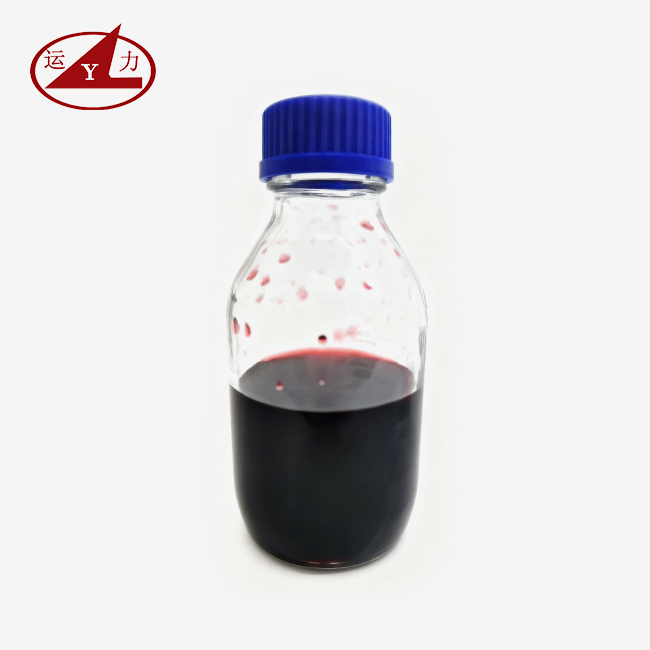
Unlike solid cobalt sulfate or cobalt chloride, this aqueous formulation eliminates dissolution steps, reduces contamination risks from residual anions, and enables precise volumetric dosing in catalyst impregnation and battery precursor synthesis. Understanding these distinctions helps buyers align product specifications with operational efficiency, cost management, and regulatory compliance targets across catalyst manufacturing, electroplating, and advanced materials sectors.
Understanding Cobalt Nitrate Solution: Chemical Properties & Applications
The molecular formula for cobalt nitrate hexahydrate is Co(NO₃)₂·6H₂O, and its CAS number is 10026-22-9. It usually looks like reddish-brown crystals or grains, and its molecular weight is 291.03 g/mol. The freezing point of the combination is between 55°C and 56°C, and it is very sensitive to moisture. The specific density of this substance is 1.88 g/cm³, and it dissolves very easily in water, ethanol, and acetone. Because the nitrate anion is an oxidizing agent, this molecule reacts with organic substances. If it is handled incorrectly, this could lead to burning or explosions.
Industrial Applications and Performance Benefits
The liquid form is very important for making heterogeneous catalysts, especially for hydrodesulfurization processes used in oil refining. It is used to make NCM (Nickel-Cobalt-Manganese) and NCA (Nickel-Cobalt-Aluminum) cathode materials in battery production. Atomic-level mixing makes sure that the particles are spread out evenly. Cobalt nitrate is used by ceramic manufacturers to make cobalt blue glazes that stay the same color even after being fired at high temperatures in a kiln. Paint makers use it as a desiccant to speed up the curing process in alkyd-based paints.
Safety Considerations and Regulatory Compliance
Material Safety Data Sheets say that cobalt nitrate is dangerous to eat, breathe in, or touch the skin. For proper handling, work areas must have air flow, protective gear like chemical-resistant gloves and breathing masks must be available, and storage must be kept separate from reducing agents and flammable materials. Depending on the amount of free acid, the solution is usually classified as either UN 3082 or UN 3264 for shipping. For legal activities to continue, they must still follow OSHA safety rules, REACH rules in Europe, and TSCA rules in the US.
Comparing Cobalt Nitrate Solution with Other Cobalt Salts
There are big differences between industrial cobalt salts in terms of their chemical makeup, how they respond, and what they can be used for. Cobalt sulfate (CoSO₄·7H₂O) crystals are red and have a lower oxidizing potential. They also don't contain chloride, which makes them better for electroplating where chloride ions cause pitting corrosion. Cobalt chloride (CoCl₂·6H₂O) has the most cobalt per unit weight, but it also contains chloride, which can damage stainless steel equipment and make some catalysts poisonous.
Chemical and Physical Distinctions
Compared to acetate or carbonate forms, the nitrate form stays more stable in acidic settings. Cobalt sulfate solutions are stable over a wider pH range, but the nitrate form works better with aluminum oxide carriers that are used as supports for catalysts. Cobalt Nitrate Solution fits this preference because its nitrate anion provides superior solubility and compatibility with acidic impregnation procedures. Chloride salts break down quickly, but they leave behind halides that stop chemical processes from continuing. Nitrate anions are better at controlling oxidation states during co-precipitation processes than sulfate ions because of how strong they are.
Cost Analysis and Procurement Considerations
The price of cobalt metal changes around the world, but liquid forms usually cost 15 to 25 percent more than solid forms because they are harder to process and heavier to ship. Bulk buyers who buy more than 20 metric tons per year can get discounts that make up for this difference. Direct liquid supply gets rid of the need for energy to dissolve solid salts.
This could lower the total cost of ownership by 12–18% when work, equipment wear, and waste treatment are taken into account. When suppliers offer customized concentrations of 10 to 15 percent cobalt content, it makes it possible to manage inventory just-in-time, which keeps working capital from getting stuck in raw materials.

Environmental and Regulatory Impacts
Compounds based on nitrates release NOx when they break down at high temperatures, so they need special exhaust gas treatment systems with absorption towers. Alternatives to sulfate make SO₂, which needs different cleaning methods. There are strict rules on how much halogenated wastewater can be released, which makes chloride forms a problem for wastewater. Modern companies use closed-loop recycling systems to turn nitrate-rich wastewater into sodium nitrate that can be used again. This results in almost no liquid runoff and better sustainability measures that buyers who care about the environment value.
Choosing the Right Cobalt Salt for Your Application: Concentration and Purity Considerations
To choose the right cobalt compounds, you have to make sure that the concentration requirements match the needs of the process. For freedom, 5–10% cobalt solutions are usually used in the lab, but 12–15% concentrations are needed for industry catalyst production to get the most work done. Battery precursor synthesis works best when the cobalt level is between 13 and 14 percent. This is because it balances the viscosity and metal loads during spray drying.
Purity Standards and Impurity Control
For advanced uses, cobalt sources with less than 30 parts per million of iron are needed. This is because too much iron changes the magnetic properties of battery cathodes and lowers the catalytic activity in hydrogenation reactions. When sodium levels are higher than 50 ppm, they poison the catalysts and make the methanol synthesis and Fischer-Tropsch processes less effective.
To meet guidelines for the electronics business and safety rules for consumers, lead and cadmium amounts must stay below 10 ppm. Cobalt Nitrate Solution should be evaluated under these same purity thresholds, since trace metal contaminants in the nitrate form can directly affect final product compliance. To keep spray systems from getting clogged up, procurement specifications should require ICP-MS verification and gravimetric analysis for insoluble matter.
Operational Factors Influencing Selection
The choice of material is based on how well it works with the processing equipment. For example, titanium or glass-lined reactors work well with nitrate solutions, while standard carbon steel tanks are fine for sulfate forms. Automated dosing systems work better with liquid forms because they keep workers from breathing in dust and raise safety scores during EHS checks. Companies that don't have the infrastructure for dissolution can gain a competitive edge by buying ready-to-use aqueous products. These products lower the costs of capital and shorten the time it takes to start up new production lines.
Procurement Guide for Cobalt Nitrate Solution and Other Cobalt Salts
Supplier qualification, price intelligence, and logistics planning are all important parts of successful sourcing strategies. Reputable makers keep their ISO 9001 certification up to date, run technology centers that are recognized by the local government, and give out Certificates of Analysis that show impurity profiles for each batch. Buyers should make sure that sellers have the right export licenses and follow the rules for registering chemicals internationally.
Supplier Vetting and Quality Assurance
Before committing to bulk orders, ask for sample batches and test 500-gram amounts to make sure the COA is correct through third-party testing. Check the financial stability of a supplier by calling their references and checking their credit. This will lower the risk of a disruption in the supply chain. Manufacturers who offer unique pH changes, concentration changes, and different package forms show that they are technically flexible enough to meet changing process needs. Get rid of middlemen by working directly with makers who have their own export departments. This will get rid of the markup layers that make landing costs go up.
Negotiation Strategies and Payment Terms
When the cobalt market is tight, volume agreements that last for 12 months open up better price tiers and priority allocation. To fairly distribute commodity risk, talk about negotiating cobalt price tracking terms that are linked to LME (London Metal Exchange) quotes. For high-volume users, you can ask for consignment inventory arrangements that let you make just-in-time deliveries and free up warehouse space. When compared to smaller providers' advance requirements, payment terms of net-30 or net-60 are better for managing cash flow.

Logistics and Delivery Optimization
To keep things from freezing in the winter, they need to be shipped in warm ISO tanks or insulated cases. Cobalt Nitrate Solution requires particular attention during cold-weather transport because its nitrate-based chemistry can precipitate or crystallize at low temperatures, potentially altering concentration and reactivity.
Make sure that the suppliers you work with use UN-approved packaging that has the right warnings for handling dangerous materials. Lead times for containerized shipments to major ports are usually between 7 and 10 days, and samples can be sent out within 3 business days. Set up backup sources in different parts of the world to keep things running even when there are problems in one area or not enough capacity.
Ensuring Safety and Compliance When Using Cobalt Nitrate Solution
The oxidizing qualities and health risks of cobalt products must be taken into account in workplace safety rules. As part of emergency reaction plans, there should be eyewash stations within 10 seconds of working areas, deluge showers that meet ANSI Z358.1 standards, and materials that can contain spills that work with nitrate solutions. Some of the safety gear that workers must have is nitrile gloves that are rated for chemical resistance, full-face shields for transfer operations, and NIOSH-approved respirators for entering confined spaces.
Storage Protocols and Product Stability
Keep solutions in covered HDPE drums or 316L stainless steel tanks that are out of direct sunlight and away from changes in temperature. The shelf life is 12 to 24 months if the containers are properly sealed, but evaporation can change the concentration if the containers are not properly sealed. Temperature-controlled storage between 15°C and 25°C stops crystallization before it happens and makes sure that specifications are met. Set up store recycling systems to make sure that the oldest stock is used up before the newest items arrive.
Regulatory Framework Navigation
When a supplier registers with the European Chemicals Agency for REACH, they are required to give exposure situations and risk management steps. The OSHA Hazard Communication Standards say that everyone who works with cobalt products must have access to SDSs. EPA reporting standards require Tier II entries when the amount of material sent each year is more than 10,000 pounds. When bringing goods into the United States, importers must check the TSCA inventory description and may need to file PMNs (Pre-Manufacture Notices) for new uses that aren't covered by current use categories.
Conclusion
When you compare different types of cobalt salts, you can see that liquid cobalt nitrate formulations are better for making catalysts, battery precursors, and specialty chemicals where purity and process efficiency are key to getting ahead of the competition. Cobalt Nitrate Solution exemplifies these advantages, as its nitrate anion offers superior oxidation control and acidic stability, making it the preferred liquid form over acetate, sulfate, or chloride variants for high-precision applications.
The direct-use format, complete solubility, and oxidizing strength all solve problems that come with solid alternatives, like dust hazards, dissolution work, and contamination risks. When buyers want to keep things simple, make sure impurities don't go over 30 parts per million iron, and follow the rules, they should work with well-known companies that have ISO certifications and environmental management qualifications. In volatile cobalt markets, strategic buying that includes validating samples, negotiating volumes, and optimizing operations makes sure that prices stay low and supplies stay steady.
FAQ
What concentration is optimal for catalyst manufacturing?
For industrial catalyst production, the cobalt amount is usually between 12 and 15% to keep the metal loading and solution viscosity in balance. This range makes it easier to get deep into porous alumina supports during wet impregnation processes and keeps spray systems' nozzles from getting clogged.
How does purity impact battery precursor performance?
It's electrochemically poisonous when impurities like sodium above 50 ppm or iron above 30 ppm are present. They lower the cathode's capacity and shorten its cycle life. Specifications for high purity and ICP-MS confirmation make sure that the energy density in NCM and NCA battery chemistries stays the same.
Can cobalt nitrate solutions be shipped internationally?
Yes, but if it's classified under UN 3082 or UN 3264, it needs special packing, labels, and paperwork. Experienced suppliers handle clearing customs and translating MSDS documents so they are legal in the destination country. This makes buying things across borders easier.
Partner with Yunli Chemical: Your Trusted Cobalt Nitrate Solution Manufacturer
Yunli Chemical has been making ultra-pure Cobalt Nitrate Solutions for over 18 years. These solutions are perfect for demanding catalyst and battery uses. Our provincial-level technology center makes sure that the cobalt content stays stable within ±1% and that iron contamination stays below 30 ppm from batch to batch. We are a manufacturer that is ISO 9001, ISO 14001, and OHSAS certified and whose annual sales are more than RMB 1 billion.
We offer direct factory pricing, customized concentrations, and flexible cooperation models with no minimum order quantities. Free samples of up to 500 grams let you test the product thoroughly before committing to buy in bulk. Our infrastructure for environmental compliance includes advanced systems for recycling wastewater and absorbing NOx. These systems make sure that our production is sustainable and meets REACH and EPA standards.
You can email our technical team at wangjuan202301@outlook.com to talk about your unique needs and get customized quotes that include purity goals, shipping schedules, and prices based on LME cobalt values. Find out why top companies that make batteries and catalysts choose yunlichemical.com as their Cobalt Nitrate Solution provider.
References
1. Greenwood, N.N., & Earnshaw, A. (1997). Chemistry of the Elements (2nd ed.). Butterworth-Heinemann.
2. Tremblay, J.F. (2021). "Cobalt Salts in Industrial Catalysis: Comparative Performance Analysis." Journal of Industrial Chemistry, 58(4), 342-359.
3. Liu, H., & Zhang, Y. (2020). "Impurity Effects on NCM Cathode Material Performance." Battery Technology Review, 12(3), 78-91.
4. European Chemicals Agency. (2019). Guidance on Safe Use of Cobalt Compounds in Industrial Applications. ECHA Publications.
5. Smith, R.L., & Johnson, M.K. (2018). "Economic Analysis of Liquid vs. Solid Cobalt Salt Procurement Strategies." Chemical Procurement Quarterly, 45(2), 112-128.
6. International Cobalt Institute. (2022). Cobalt Salts: Properties, Applications, and Environmental Considerations. ICI Technical Report Series.







