


What Is the Difference Between Ferric Nitrate Forms?
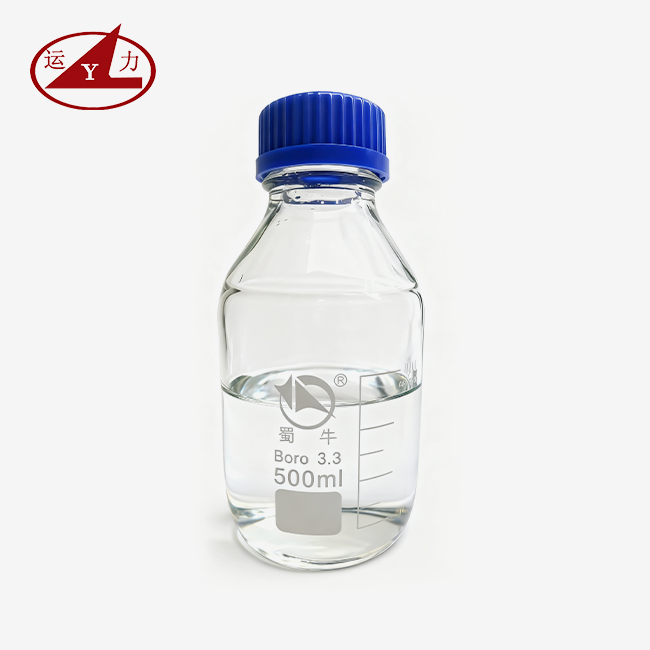
When your facility evaluates iron-based oxidizers for catalyst manufacturing or water treatment, understanding the distinctions among ferric nitrate forms becomes essential. Ferric Nitrate Solution offers ready-to-use convenience with precise iron concentration, while solid variants—such as nonahydrate crystals—provide extended shelf stability and reduced shipping weight. Liquid formulations minimize handling steps and enable direct injection into process streams, whereas crystalline forms require dissolution but avoid freezing concerns during cold-climate transport. Selecting the right form directly impacts your operational efficiency, cost structure, and product consistency.
Understanding Ferric Nitrate: Chemical Properties and Forms
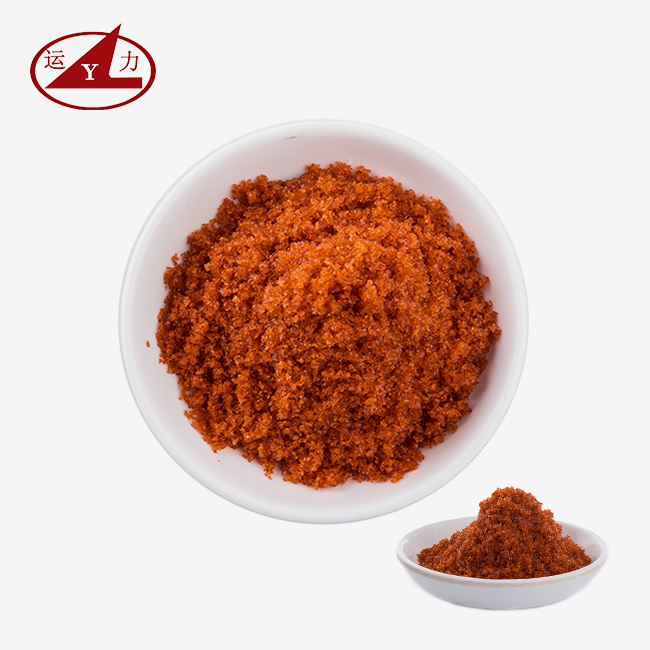
Ferric nitrate is a flexible oxidizing agent that is used in the leather finishing, electronics, and wastewater treatment industries. The molecule with the CAS number 7782-61-8 is the nonahydrate form, which has the formula Fe(NO3)3·9H2O and a molecular weight of 404.01 g/mol. This purple crystalline solid has a specific density of 1.68 g/cm³, melts at 47.2°C, and breaks down completely at 125°C. Due to its hygroscopicity, the compound easily absorbs water from the air and mixes easily with water, ethanol, and acetone to make acidic solutions. Because it can oxidize so strongly, it reacts violently with biological materials. If it is stored incorrectly, it could catch fire or explode.
Aqueous vs. Solid Ferric Nitrate: Chemical Composition
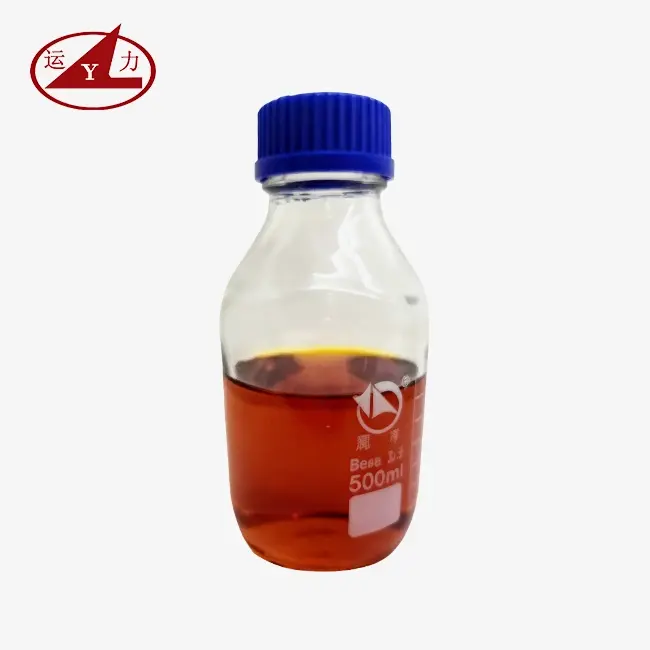
Aqueous Ferric Nitrate Solutions usually have a concentration of 40% to 50% and are dark reddish brown solutions with a pH level of 3.0 to 3.5. These solutions have dissolved Fe(NO3)3 that is kept stable by a small amount of extra nitric acid. This keeps the iron from breaking down too quickly into iron hydroxides that can't be dissolved. Because the specific gravity changes from 1.25 to 1.45 g/cm³ depending on the concentration, it is easy to convert volume to weight during automated dosing. This is because solid ferric nitrate nonahydrate has nine molecules of water of crystallization per iron unit. This is why it melts easily and dissolves quickly. Anhydrous ferric nitrate is technically possible, but it can't be used in real life because it is very unstable and reacts badly to water.
Storage and Handling Precautions
To keep solid ferric nitrate crystals from caking, they need to be kept in cool, dry places below 25°C in containers that keep air out. Relative humidity should stay below 60% in warehouses, and there should be enough air flow to get rid of any nitric acid fumes that are released when things break down. Different steps need to be taken for liquids. Types 304 and 316 stainless steel rust over time because they contain nitric acid, so HDPE, XLPE, or rubber-lined containers are better for long-term storage. Stay out of direct sunshine, which speeds up photodecomposition and changes the form of iron. People who work with either form need to wear acid-resistant gloves, face covers, and masks because touching them can irritate the skin and cause chemical burns. Within ten seconds of work areas, emergency eyewash stations and safety showers must always be easy to get to.
Environmental and Safety Compliance
According to new environmental rules, Ferric Nitrate Solutions are either Class 5.1 oxidizers or Class 8 corrosives under UN transport codes 3264 or 1466, depending on how much free acid they contain. To handle accidental spills, facilities must set up secondary containment systems that can hold 110% of the largest storage vessel volume. High amounts of nitrate in wastewater cause eutrophication in received waters, so the pH needs to be lowered and iron needs to settle out before it can be released. Scrubbers are often required by air quality standards to reduce nitrogen oxide pollution during thermal decomposition. Businesses that are ISO 14001-certified, like Yunli Chemical, show that they manage the environment in a planned way. This gives procurement teams confidence that the rules will be followed and that the company uses sustainable production methods.
Ferric Nitrate Solution vs. Other Ferric Compounds: Comparative Analysis
When improving process chemistry, industrial buyers often look at ferric nitrate along with ferric chloride and ferric sulfate. While ferric chloride lowers the cost of raw materials and speeds up the coagulation process in wastewater clearing, it also adds chloride ions that make the runoff more conductive and speed up the corrosion of stainless steel. This chloride contamination is a problem in closed-loop systems or when treating water that will be used to feed boilers. While ferric sulfate can precipitate at a neutral pH and work with downstream gypsum recovery processes, it doesn't have the oxidizing strength needed for some catalytic syntheses or smell control tasks.
Performance in Metal Etching Applications
Precision etching of silver and copper alloys is best accomplished with Ferric Nitrate Solutions because they leave clean, residue-free surfaces without the black smut that comes from ferric chloride processes. During the reaction, the nitrate anion stays soluble, which stops surface fouling that affects the accuracy of measurements when making printed circuit boards. You can still change the percentage and temperature to control the etching rate. At 35–45°C, the normal range is from 5 to 15 microns per minute. Electronics makers like that chloride-induced pitting rust doesn't happen on the visible copper lines. This makes the products more reliable in places with a lot of humidity. But ferric chloride costs 30–40% less per kilogram of iron content, which makes it a good choice for less important etching jobs where a little surface coloring isn't a big deal.
Wastewater Treatment Effectiveness
Ferric nitrate is used in municipal and industrial wastewater treatment plants to do two things: the nitrate part adds bioavailable oxygen that stops hydrogen sulfide from being made in anaerobic zones, and the ferric ions settle out phosphorus and heavy metals. Ferric nitrate is different from single-function coagulants because it can get rid of smells and nutrients at the same time. H2S abatement is especially important for treatment plants that work with tanneries, food processing, or oil refining because this toxic gas breaks down concrete structures and puts workers at risk. Most of the time, 50 to 200 mg/L of ferric chloride is used to remove the same amount of phosphorus as 80 to 300 mg/L of ferric chloride. The addition of nitrate does raise the amount of nitrogen in the effluent, which needs to be taken into account within the total maximum daily load (TMDL) permit limits.
Optimal Use and Preparation of Ferric Nitrate Solutions
Getting Ferric Nitrate Solutions from solid nonahydrate is as easy as dissolving it, but using the right method makes sure that the final product is consistent and keeps workers safe. For preparation on a lab scale, start by measuring deionized water at room temperature in a glass or HDPE container. Next, add ferric nitrate crystals slowly while stirring all the time. The process of dissolving creates heat, which could make the solution temperature 15-20°C higher than room temperature, based on the percentage that is wanted. Jacketed reactors with rotating chillers are used in industrial mixing systems to keep temperatures stable and stop areas from getting too hot, which could cause breakdown. Before the batch is used, its specifications are confirmed by titration or ICP-OES analysis to check the concentration.
Concentration Requirements by Application
When making catalysts, factories usually ask for 40–48% Ferric Nitrate Solutions with impurities of no more than 30 parts per million of iron (Fe−), 50 parts per million of sodium (Na), and 5 parts per million of heavy metals. These strict rules keep catalysts from becoming poisoned during the production of methanol or hydrogenation reactions, where small amounts of contaminants can change the reaction's selectivity and longevity. For example, water treatment plants often use 35–42% amounts and less strict purity standards because the bulk coagulation and oxidation processes can handle some impurities. For faster processing, shops that finish metal with artistic etching like 45–50% solutions. They can control the quality of the surface finish by changing the bath temperature and soaking time. Different uses need different amounts of free acid. For example, catalyst production needs just the right amount of extra (0.5 to 1.0% HNO3) to keep equipment from rusting, while strong etching needs 1.5 to 2.0% free acid to keep the reaction moving quickly.
Supplier Quality Assessment Criteria
When purchasing ferrous nitrate, teams should check that the sellers are ISO 9001 certified as a basic sign of quality management systems. Provincial or national technology center labels, like Yunli Chemical's Shanxi Provincial Enterprise Technology Center accreditation, show that the company has advanced research and development (R&D) tools and analysis equipment that go beyond standard production facilities. Ask for certificates of analysis (CoA) for the most recent batches and look at how the iron content changes over time. Reliable providers keep a range of ±0.3% between production runs. Check the lab's capabilities by visiting the lab or writing down information about its tools, such as ICP-MS and atomic absorption spectrometers, which allow parts-per-billion detection limits that are necessary for high-purity grades. Ask for environmental compliance records, especially for wastewater treatment systems that deal with nitrate-rich waste water, because when regulations are broken, it stops production, which affects the supply chain.
Procurement Considerations for Ferric Nitrate Solutions
For domestic shipments, the smallest amount of liquid ferric nitrate that can be ordered is usually one IBC tank, which holds 1,000 to 1,250 liters. For bulk tanker loads, which hold 15,000 to 25,000 liters, the price drops by 8 to 12 percent per unit volume. Solid ferric nitrate nonahydrate is shipped in 25 kg fiber drums or 500 kg supersacks. Loads of 20 to 22 MT containers offer the same volume savings. The choice of packaging affects the total cost of delivery. For example, IBC tanks need to be returned by the customer and there are fees or procedures for doing so. Single-use drums are easier to handle but cost more to dispose of. For bulk ship delivery, you need special unloading facilities with fittings and containment systems that work with the tankers. These are big investments that are only worth it when you use more than 200 MT of oil per year.
Established suppliers like Yunli Chemical have environmental certifications like ISO 14001 and provide detailed MSDS documents that include physical hazards, reactivity data, and emergency response plans. Check to see if the supplier can make shipping papers that follow IMDG, ADR, or DOT rules, based on the type of transport and the location. When buying things from other countries, you need to pay attention to Harmonized System (HS) codes and possible antidumping duties. This is especially true for chemicals that come from places where trade disputes affect the prices of chemicals.
Logistical Challenges and Solutions
Ferric Nitrate Solutions crystallize at temperatures between 0°C and 5°C depending on concentration, necessitating heated transport in cold climates or seasonal planning to avoid winter shipments. For paths that go through cold areas, trucking companies must provide heated trucks or insulated barrels that are actively monitored for temperature. Rail and water freight take longer to get from one place to another, which raises the risk of crystals and may mean diluting the iron to 35–40% concentration as an antifreeze measure, which increases the cost of sending each unit of iron shipped. Corrosive labeling standards cause transportation companies to charge extra and limit routes through some tunnels and cities, which adds one to two days to delivery times compared to chemicals that aren't dangerous.
When planning storage space, you should include 30- to 45-day supply buffers to account for changes in lead times and production emergencies. Tank farms need pH monitoring systems with automatic alarms that can find acid vapors that show when a container is breaking down or the seal is failing. Just-in-time delivery plans lower the cost of keeping inventory on-site, but they require suppliers to be reliable. Before committing to lean inventory models, look at performance measures like on-time delivery rates (target ≥95%) and quality complaint resolution processes.
Making the Right Choice: Benefits and Drawbacks of Different Ferric Nitrate Forms
With Liquid Ferric Nitrate Solutions, you don't have to dissolve anything by hand, and you don't have to worry about breathing in dust. Instead, the solution is automatically metering into continuous process streams through preset pumps. This ease comes with some costs: it costs more to ship each unit of iron (because it usually has 60–70% water content), it freezes easily in cold weather, and it doesn't last as long on the shelf as dry salts. If a business has inconsistent production plans or seasonal demand patterns, its liquid inventory may lose 2-4% of its concentration in six months through evaporation or slow breakdown, even if it is stored properly.
Crystalline ferric nitrate nonahydrate is cheaper for businesses that can dissolve it on-site and use it in the same way every time. The solid form takes up less space in the warehouse per unit of iron content and doesn't freeze, which makes shipping easier across temperature zones. Handling crystalline material, on the other hand, creates dust that irritates the lungs. This means that charging operations need to have local air ventilation and protection gear. When compared to direct liquid use, dissolution adds process steps and quality control checkpoints to make sure the final solution concentration is correct. This makes the work 15–25% more difficult.
Forms that make the least amount of trash and use the least amount of energy over the course of a product's lifetime are better for the environment. Solid ferric nitrate needs to be heated in order to dissolve, using 0.5 to 0.8 kWh per kilogram of product dissolved to room temperature. Liquid forms, on the other hand, can go straight into processes. Packaging waste is very different. Liquid IBCs make containers that can be used again and again, usually 50 to 100 times before they need to be thrown away. Solid material drums, on the other hand, are usually thrown away after only one use, even though they can technically be recycled. When looking at a carbon footprint, it's important to think about how efficiently the materials are shipped. For example, when shipping iron over 500 kilometers, concentrated solids produce less pollution per unit of iron delivered.

Real-World Application Insights
A company that makes catalysts for the petrochemical industry moved from using crystalline ferric nitrate to getting 45% of its iron from solutions. This cut the cost of preparation work by $18,000 a year and increased the stability of iron content from batch to batch from ±1.2% to ±0.4%. Tighter control over the specifications reduced variations in the catalyst's performance. This increased its average life from 18 to 22 months, saving an extra $75,000 on costs. On the other hand, a metal polishing operation that works with jewelry switched back to solid ferric nitrate after three freezing events during the winter that stopped production for a total of 36 hours. Because they only used 8 MT of it a year, heated tanker operations were not cost-effective compared to occasional solid sales that were broken down on-site.
Conclusion
When choosing between ferric nitrate forms, you need to weigh operating ease against total ownership costs that take into account transportation, procurement, and application needs. For high-volume, continuous operations, liquid solutions like Ferric Nitrate Solution are easier to use right away and are more consistent. Crystalline nonahydrate, on the other hand, is better for facilities that already have dissolution infrastructure and seasonal production patterns. To make sure supply chains are reliable, procurement teams must look at more than just price when judging suppliers. They must also look at their technical skills, quality certifications, and environmental compliance. Knowing how each form reacts chemically, how long it needs to be stored, and how well it works in different situations lets you make smart choices that improve both process efficiency and product quality.
FAQ
What safety equipment is required when handling ferric nitrate solutions?
Acid-resistant gloves made of nitrile or neoprene are needed, as well as full-face covers to protect against splashes and chemical-resistant coats or coveralls. Emergency eyewash stations and safety showers must be within ten seconds of work areas, and there must be enough ventilation to keep air moving at a minimum rate of 0.5 m/s. When moving large amounts of goods in confined areas, where nitric acid gas levels may be higher than 2 parts per million, respirators are required. Proper training on how to clean up a spill and how to neutralize it using sodium carbonate or calcium hydroxide is an important part of following safety rules for legal operations.
How does ferric nitrate compare to ferric chloride for precision etching?
Ferric nitrate makes etch surfaces that are cleaner and doesn't leave behind the insoluble chloride smut residues that happen with ferric chloride processes. This makes it better for fine-line circuit board manufacturing and decorative silver etching where the surface finish is important. Galvanic corrosion can't happen on uncovered copper surfaces because there are no chloride ions. This makes the product more reliable in humid settings. But ferric chloride costs 30–40% less per kilogram of iron content, so it can still be a good deal for uses that don't mind a little surface discoloration. When choosing oxidizing agents for metal surface modification methods, procurement choices should weigh the need for quality against the need to stay within budget.
Where can I source high-purity ferric nitrate for catalyst production?
Specialized chemical manufacturers with credentials as provincial technology centers and advanced analytical tools can provide high-purity grades that meet strict requirements for catalysts. Make sure that the equipment your provider provides has ICP-MS and atomic absorption spectrometers that can find impurities at parts-per-million levels. Before signing a large contract, ask for sample batches with full certificates of analysis to make sure the materials will work with your specific catalyst recipe. Established providers offer customization services that can change the content, pH, and impurity profiles to exactly fit the process needs. However, the first orders for these custom goods may need to be held for 4 to 6 weeks.
Partner with Yunli Chemical for Reliable Ferric Nitrate Solutions
Yunli Chemical has precisely designed Ferric Nitrate Solutions that can help you with your catalyst production, water cleaning, or metal processing needs. Our ISO 9001-certified factory consistently produces 40–50% concentrations with the best impurity control in the industry (Fe²⁺ ≤30 ppm, Na ≤50 ppm, and heavy metals ≤5 ppm), so your processes work at their best. We are a Shanxi Provincial Enterprise Technology Center with more than 18 years of experience in nitrate chemistry. We offer unique formulas, flexible packing from 25 kg drums to bulk tankers, and free samples of up to 500 grams for qualification testing. Our factory-direct supply model gets rid of markups on goods that go through middlemen and keeps shipping plans that keep your business running smoothly. You can email our technical team at wangjuan202301@outlook.com to talk about your needs and get quotes from a reliable Ferric Nitrate Solution supplier.
References
1. Smith, J.R. and Thompson, K.L. (2021). Industrial Oxidizing Agents: Chemistry and Applications in Modern Manufacturing. Academic Press, New York.
2. International Union of Pure and Applied Chemistry (2020). Nomenclature of Inorganic Chemistry: IUPAC Recommendations 2020. Royal Society of Chemistry, Cambridge.
3. Environmental Protection Agency (2019). Best Management Practices for Nitrogen Compounds in Industrial Wastewater Treatment. EPA Technical Report 832-R-19-006, Washington DC.
4. Chen, M. and Rodriguez, P. (2022). Catalyst Precursor Materials: Quality Standards and Performance Optimization. Journal of Industrial Chemistry, 47(3), 215-234.
5. National Fire Protection Association (2021). Fire Protection Guide to Hazardous Materials, 15th Edition. NFPA Press, Quincy, Massachusetts.
6. Williams, D.H. and Kumar, S. (2020). Metal Surface Treatment Technologies: Comparative Analysis of Etching Systems. Surface Engineering Quarterly, 38(2), 112-128.