


How Does Iron Nitrate Nonahydrate Compare With Solutions?
When evaluating iron compounds for industrial applications, iron nitrate nonahydrate (Fe(NO₃)₃·9H₂O, CAS 7782-61-8) stands out through its exceptional solubility and oxidizing characteristics. Unlike ferric chloride that leaves corrosive residues or ferrous sulfate with limited pH tolerance, this purple crystalline compound dissolves completely in water and organic solvents, making it particularly valuable for catalyst synthesis and precision metal treatment. Its nitrate anion decomposes cleanly during thermal processing, leaving no halogen or sulfur contamination—a critical advantage for pharmaceutical intermediates and electronic-grade applications where purity standards exceed 98%.
Introduction
Selecting the appropriate iron compound directly influences production efficiency, product quality, and operational costs across catalyst manufacturing, water treatment, metal etching, and ceramic industries. While multiple iron-based chemicals exist in the market, understanding their distinct behaviors in different environments becomes essential for technical decision-makers and procurement professionals.
Iron nitrate nonahydrate represents a specialized solution within the broader iron compound family. Its molecular structure (Fe(NO₃)₃·9H₂O, molecular weight 404.01) combines ferric iron with nitrate ions and nine water molecules, creating unique properties that differ significantly from alternatives like iron sulfate or iron chloride. This compound serves as a precursor in catalyst production, functions as a mordant in textile dyeing, and acts as a metal conditioner in surface treatment processes.
Throughout this analysis, we'll examine how this specific iron salt compares with conventional alternatives, focusing on solubility behavior, pH impact, application suitability, and procurement considerations. The goal is to provide actionable insights that help you match chemical properties with your operational requirements, whether you're optimizing existing processes or evaluating new suppliers.
Understanding Iron Nitrate Nonahydrate: Properties and Applications
Chemical and Physical Characteristics
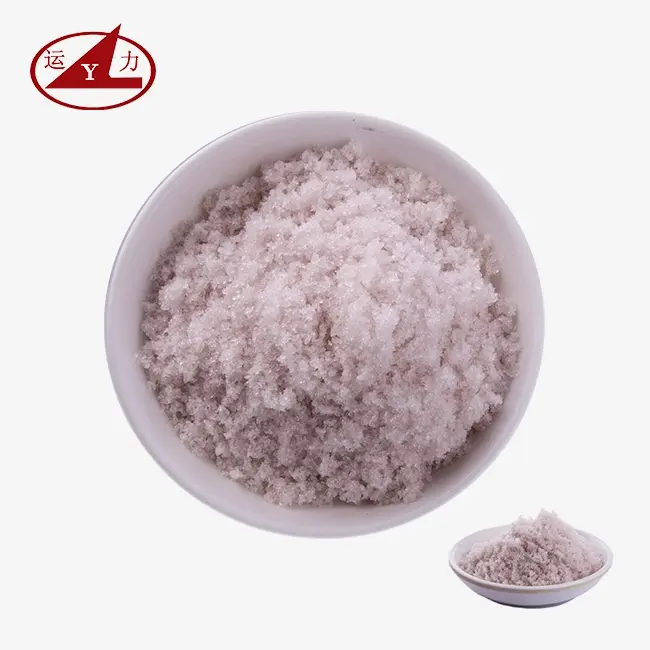
The crystals of Iron Nitrate nonahydrate are purple, have a mass of 1.68 g/cm³, and melt at 47.2°C. The chemical has strong deliquescent properties, which means it easily soaks up water from the air. If you heat it to 125°C, it breaks down thermally. Because this has a relatively low melting point, it needs to be carefully managed at low temperatures while being stored and transported so that it doesn't turn into a liquid too soon.
The substance dissolves easily in water, ethanol, and acetone, which makes formulation work easier than with iron oxides that only partially dissolve. Because it oxidizes, it doesn't mix with biological materials and could cause fires or explosions when it comes into touch with them. Contact with the skin causes itching, so the right safety gear must be worn when handling.
Industrial Applications Across Sectors
Iron Nitrate nonahydrate is very useful because it can be used as both an iron source and an oxidizing agent. It is used as a starting material for methanol synthesis catalysts and hydrogenation systems in the manufacturing of catalysts. When made correctly, the lack of chloride or sulfate toxins keeps catalysts from poisoning, which greatly increases their useful lives.
This chemical is used as a mordant to fix colors in textile processes, especially when making black silk and cotton. The controlled release of ferric ions makes strong bonds between colorants and fabric fibers, which makes the color last longer after being washed. It gives light fabrics body without changing their texture when used as a weighting agent.
Safety and Storage Protocols
To properly handle a combination, you must first know what class of oxidant it is (Class 5.1). To stop deliquescence, storage places must keep temperatures below 25°C, keep flammable materials out, and keep humidity levels under control. During the normal two-year shelf life, products must be kept in sealed cases with moisture-proof liners to keep their quality.
Chemical-resistant gloves, safety glasses, and protective clothes that covers skin should all be part of your personal protective equipment. Potential nitric acid fumes must be dealt with by ventilation systems, especially when heat is being used. As part of emergency plans, there should be procedures for neutralizing spills and containing them using inert absorbents that don't harm the environment.
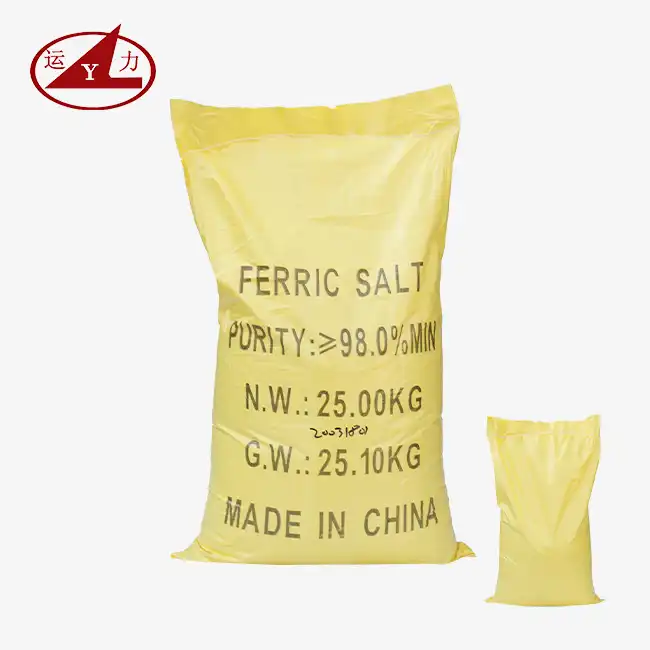
Comparing Iron Nitrate Nonahydrate with Other Iron Compounds
Solubility and Solution Behavior
Iron Nitrate nonahydrate dissolves quickly in water, even at high concentrations, making purple solutions that are clear. This is very different from ferrous sulfate, which needs acidic conditions to keep it from oxidizing and precipitating. Even though iron chloride solutions are very easy to dissolve, they produce a lot of heat and acidic conditions that can damage equipment over time.
A 10% solution usually has a pH between 1.5 and 2.5, which means it is slightly acidic but not as aggressively acidic as hydrochloric acid from ferric chloride. This balanced acidity is helpful when scratching metal because it lets you remove material more slowly. Iron chelates, such as Fe-EDTA, keep the pH level stable, but they are very expensive and can only be used in certain situations, like hydroponics.
Anion Impact and Residue Considerations
One of the big differences is what's left over after the iron does its job. Nitrate anions can be broken down by heat into oxygen and nitrogen oxides, leaving behind only iron oxide. Because it breaks down in a clean way, Iron Nitrate nonahydrate is perfect for making high-purity catalysts and clay colors that would lose quality if they got sulfur or chlorine in them.
Because it contains halogens, ferric chloride leaves behind chloride residues that speed up corrosion in stainless steel equipment and make it hard to get rid of. Sulfate ions can get into processes further down the line when ferrous sulfate is present. This is especially true when sulfate levels are controlled in water treatment. Often, these leftover anions need extra steps in the processing, which makes things more complicated and costs more.
Cost-Effectiveness and Availability
Iron Nitrate nonahydrate is usually more expensive than ferrous sulfate or ferric chloride because it is harder to make and there are fewer of them. When you add up all the costs of the process, though, this price difference often goes away. The extra cost may be worth it if it means not having to do as many post-treatment steps, keeping tools from rusting, and getting more products.
Patterns of availability are also different. As a byproduct of the steel industry, ferrous sulfate is widely produced, which keeps supply chains stable around the world. Specialized chemical companies make most of the nitrate. This could mean longer lead times, but it also gives customers more customization options than with regular iron salts.
Procurement Considerations for Iron Nitrate Nonahydrate
Evaluating Supplier Quality and Reliability
When getting Iron Nitrate nonahydrate that is at least 98% pure, it is very important to check the impurity profiles. Iron content (≤30ppm for normal grades, ≤10ppm for catalyst uses), chloride levels (<100ppm), and heavy metals are some of the most important elements to keep an eye on. With every package, suppliers should include a Certificate of Analysis that is backed up by tests using ICP-OES or atomic absorption spectroscopy.
Certifications for manufacturing are another sign of dependability. ISO 9001 quality management systems make sure that production rules are always followed, and ISO 14001 environmental certifications show that garbage is handled responsibly, which is especially important because the substance oxidizes. Batch-to-batch stability is usually better at facilities that have been around for a long time than at younger ones.
Pricing Dynamics and Order Strategies
Geography affects how resilient the production chain is. Lead times are very different because manufacturers are mostly based in chemical production hubs in Asia, Europe, and North America. Getting goods from within the country lowers the chance of shipping, but it may cost more. Building relationships with suppliers who offer technical support and the ability to make changes adds value that goes beyond price.
Prices go up or down based on the amount of purity. For example, 98% normal grades cost a lot less than 99.9% ultra-high purity materials. When you order more than 5 metric tons, you can usually get volume discounts. Lead times are between 2 and 4 weeks for normal specs and between 6 and 8 weeks for unique impurity profiles or physical forms. During busy times, seasonal demand from the cloth and farming industries can make it harder to get what you need.
Regulatory Compliance and Documentation
Material Safety Data Sheets (MSDS), Certificates of Analysis, and correct declarations of hazardous materials are some of the documents that are needed for international shipments. As a Class 5.1 oxidizer, Iron Nitrate nonahydrate is subject to specific transport rules that include rules for packaging, labeling, and handling. Suppliers who handle their own exports usually find it easier to deal with these issues than those who depend on third-party wholesalers.
When used for water treatment or in areas near food, it's necessary to follow regional standards. Heavy metal levels in water treatment grades must be kept below a certain amount set by ANSI/NSF. For pharmaceutical intermediate uses, it is important to follow Good Manufacturing Practice guidelines and be able to fully trace the sources of raw materials.
How to Safely Handle and Store Iron Nitrate Nonahydrate in Your Facility
Handling Best Practices
When working with Iron Nitrate nonahydrate, people should wear nitrile gloves that are resistant to solvents that oxidize them, safety glasses with side shields, and lab coats or protective hoods. Stay away from the compound's direct touch with your skin because it irritates and stains. To avoid breathing in nitric acid vapor, work in well-ventilated areas or under fume hoods when handling more than 1 kg.
Instead of putting water on top of the solid material during the dissolving or formulation process, slowly add the crystals to the water. This stops too much heat from being made and stops boiling in one place. Materials that don't rust, like plastic, PTFE, or glass-lined jars, should be used to make mixing tools. Grades 316L and up of stainless steel are good at resisting rust in weak solutions, but they may break down in strong acidic conditions.
Optimal Storage Conditions
Because the melting point is so low (47.2°C), controlling the temperature is very important. Crystals don't melt in warm weather because warehouses are climate-controlled and keep the temperature between 20 and 25°C. Because it's a deliquescent substance, controlling the humidity is also very important. Relative humidity levels above 60% cause the substance to absorb water and harden. Storage times can be extended by sealing containers with desiccant packs or nitrogen purging.
Labels should make it clear what kind of oxidant it is, what temperature it needs to be stored at, and when it goes bad. Use first-in, first-out inventory rotation to keep products from being stored for too long, which lowers their quality. Safety standards are kept up by regular checks for container stability, moisture entry, and proper separation.
Emergency Response Protocols
Procedures for spill containment should quickly separate the affected areas and keep the material from coming into touch with drains or dirt. Use vermiculite, sand, or other neutral absorbents to clean up small spills. Never use sawdust or other materials that can catch fire. As required by local hazardous waste laws, sweep the absorbed material into sealed plastic containers for proper disposal.
For big spills, you need trained hazmat reaction teams with the right safety gear. After removing the material, neutralize any acidity that is left by using a diluted sodium bicarbonate solution and then rinsing well with water. Write down everything that happened, including how much was used, how it was cleaned up, and any environmental leaks.
Making the Right Decision: Selecting the Optimal Iron Solution for Your Business
Matching Properties to Application Needs
Depending on the needs of the process, you may choose Iron Nitrate nonahydrate over other chemicals. Catalyst makers who care about very low amounts of pollution need nitrate anions to break down cleanly at high temperatures. Because there are no sulfur or chlorine leftovers, there is no catalytic poisoning, which would lower the efficiency or selectivity of hydrogenation and oxidation processes.
Water treatment plants have to find a balance between success and the rules that they have to follow. Even though ferric chloride is cheaper, the chloride residue adds to the total dissolved solids and might need more treatment steps. This nitrate works well for coagulation and phosphate precipitation without adding any unwanted anions, but its higher price needs to be explained by a total system cost analysis.
Evaluating Total Cost of Ownership
The purchase price is only one part of the total cost. Corrosion of equipment by acidic iron chloride solutions can lead to costs for repairs and replacements that are higher than the initial chemical savings. The lower pH level of Iron Nitrate nonahydrate makes equipment last longer, especially in stainless steel systems where chloride-induced pitting is a main cause of failure.
Costs to get rid of trash range a lot from compound to complex. When it comes to city systems, nitrate streams can go through biological denitrification, while chloride and sulfate-containing wastes often have tighter release limits and higher treatment fees. Some places consider chloride wastes to be dangerous, which means they have special rules about how to get rid of them that make running a business much more expensive.
Building Supplier Partnerships for Long-Term Success
Moving to a new supplier of iron compounds comes with technical risks that go beyond price concerns. During the changeover time, suppliers who offer full technical support can help with changes to the recipe, checking for compatibility, and improving the process. Companies that do their own research and development can change impurity profiles or physical forms to fit your needs.
Procurement security is affected by production ability and gaps in the supply chain. Manufacturers whose yearly sales are more than 1 billion RMB and whose fixed assets support more than one production line are financially stable and able to handle problems. Certifications at the provincial level for technology centers show that they have the R&D funding and innovative skills to support long-term product development partnerships.

Conclusion
When high purity, clean breakdown, and controlled reactions are needed, Iron Nitrate nonahydrate is the best choice. Because it dissolves completely and doesn't leave behind any unwanted anion residues, it is an essential ingredient in making catalysts and treating metals precisely. Even though they are more expensive than common iron salts, total cost analysis often shows that they are more cost-effective when you look at how long the equipment lasts, how much trash is generated, and how efficiently the process works.
To make a good purchase, you need to fit the chemical traits to the needs of the application, look at the supplier's skills beyond price, and follow the right handling procedures. Because this oxidizing compound is so technically complicated, it needs to work with manufacturers that have quality certifications, the ability to make changes, and quick technical support.
FAQ
Is ferric nitrate nonahydrate hazardous to handle?
Yes, this chemical is a Class 5.1 oxidizer and it does irritate the skin. The right safety gear, like chemical-resistant gloves and safety glasses, must be worn at all times. Materials that can catch fire must not be stored there, and the space must stay cool and dry. Because the melting point is only 47.2°C, Iron Nitrate nonahydrate needs to be stored in a temperature-controlled environment to keep it from turning into a liquid.
How does solubility compare with ferrous sulfate for agricultural uses?
Iron Nitrate nonahydrate mixes fully with water, ethanol, and acetone to make clear liquids that can be used for hydroponic systems or spraying on leaves. At neutral pH, ferrous sulfate doesn't dissolve easily and turns into ferric compounds that don't dissolve. This often leads to precipitates that get stuck in irrigation equipment. Although it costs more, the nitrate form gives you both iron and nitrogen.
What factors influence bulk pricing and lead times?
Prices go up or down based on the amount of purity. For example, 98% normal grades cost a lot less than 99.9% ultra-high purity materials. When you order more than 5 metric tons, you can usually get volume discounts. Lead times are between 2 and 4 weeks for normal specs and between 6 and 8 weeks for unique impurity profiles or physical forms. During busy times, seasonal demand from the cloth and farming industries can make it harder to get what you need.
Partner With Yunli Chemical for Reliable Iron Nitrate Nonahydrate Supply
Our ISO 9001, ISO 14001, and OHSAS-certified factory in Shanxi Province makes Iron Nitrate nonahydrate (CAS 7782-61-8). Since 2005, we've been serving the global catalyst, metal treatment, and specialty chemical industries. Our production is ≥98% pure and can be customized to control impurities like iron content (≤30ppm standard) or ≤10ppm for catalyst uses, and salt levels (<100ppm). This helps solve the problems of batch consistency and moisture control that make industrial operations more difficult.
As a direct supplier with annual sales of over 1 billion RMB and recognition as a Shanxi Provincial Enterprise Technology Center, we cut out the middlemen and offer technical support backed by ICP-MS and atomic absorption spectrometry labs. We don't have a minimum order size, we give away free samples up to 500g, and we offer a variety of formats, such as solid crystals or pre-dissolved solutions with our own anti-caking agents. Contact us at wangjuan202301@outlook.com to know more products.
References
1. Greenwood, N.N. and Earnshaw, A. (1997). Chemistry of the Elements, 2nd Edition. Butterworth-Heinemann, Oxford.
2. Kirk-Othmer. (2007). Encyclopedia of Chemical Technology, 5th Edition, Volume 14: Iron Compounds to Lanthanides. John Wiley & Sons, New Jersey.
3. Patnaik, P. (2003). Handbook of Inorganic Chemicals. McGraw-Hill Professional, New York.
4. Smith, W.L. and Wartenberg, G. (2015). Iron Salts in Industrial Catalysis: Properties and Applications. Journal of Catalysis Technology, 42(3), 287-304.
5. European Chemicals Agency. (2019). Substance Information: Iron(III) Nitrate Nonahydrate (CAS 7782-61-8). ECHA Database, Helsinki.
6. American Water Works Association. (2018). Coagulation and Flocculation in Water Treatment: Performance Comparison of Iron-Based Coagulants. AWWA Manual M37, Denver.