

What Purity Does Aluminium Nitrate Solution Liquid Provide?
When specifying liquid aluminum nitrate for catalyst production or water treatment applications, purity isn't just a technical checkbox—it defines process reliability, product longevity, and operational safety. Standard industrial-grade Aluminium Nitrate Solution Liquid typically delivers Al(NO3)3 content ranging from 50% to 60% by weight, with iron impurities held below 30 ppm and heavy metal contaminants (lead, arsenic) under 10 ppm.
Premium formulations, especially those tailored for catalyst synthesis, can achieve iron levels as low as 10 ppm, directly extending catalyst lifespan by preventing metal poisoning. These purity benchmarks are verified through ICP-OES analysis and supported by ISO 9001-certified quality management systems, ensuring batch-to-batch consistency essential for automated dosing systems in continuous production environments.

Understanding Aluminium Nitrate Solution Liquid Purity
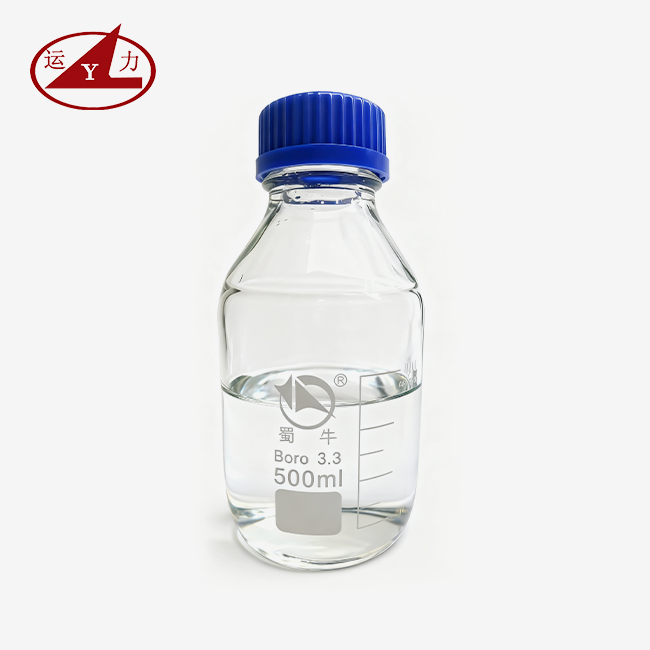
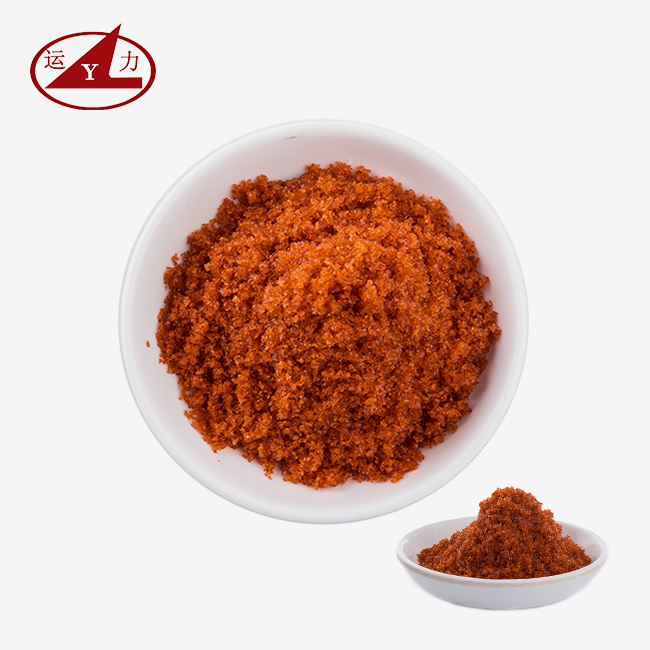
Purity guidelines for Aluminium Nitrate Solution Liquid are not just numbers on a Certificate of Analysis; they have a direct effect on how reactions work, how quickly equipment corrodes, and the quality of the final product. The chemical name comes from CAS# 7784-27-2, which stands for aluminum nitrate nonahydrate (Al(NO3)3·9H2O) and has a molecular weight of 375.13 g/mol. It is a flavorless, water-soluble compound that turns into a clear to slightly yellow liquid when mixed with water. It has strong acidic and oxidizing properties.
Key Purity Grades and Certifications
Based on the amount of aluminum and other impurities, industrial grades are usually divided into three levels. Technical grade solutions keep the concentration of Al(NO3)3 between 50 and 55% and keep the iron content below 50 parts per million. These solutions can be used to treat water and dye fabrics.
To meet the needs of pharmaceutical intermediates and specialty chemical synthesis, refined grades raise the purity to 55–60% concentration and lower the iron level to 30 ppm or less. Ultra-pure formulas, which are often made to fit the needs of electronics, keep iron pollution below 10 parts per million (ppm) and chloride and sulfate ions below 10 parts per million (ppm).
International compliance frameworks, like REACH registration in Europe and TSCA listing in the US, make sure that the chemical safety profile is correct. ISO 9001 certification shows that quality is controlled in a planned way throughout production, and ISO 14001 certification shows that environmental management practices are used to keep products from becoming contaminated during production. Getting these certifications shows purchasing managers that suppliers follow strict testing protocols, keep track of products, and take steps to avoid contamination.
Physical and Chemical Properties Defining Performance
Commercial solutions have a specific gravity between 1.35 and 1.45 g/cm³ at 20°C, which lets automatic pumps give the right amount of solution based on volume. pH values usually fall between 1.5 and 4.0 based on concentration and free acid content—a critical measure for stopping crystallization during cold-weather storage or prolonged transport. Because the solution absorbs water easily, it needs to be kept in cases that can't be opened. If it gets wet, it can lower the concentration and make doses less accurate.
When handling, it's important to know how the solid nonahydrate behaves at different temperatures. For example, it softens at 73.9°C and breaks down above 150°C, but liquid mixtures can crystallize below 15°C at higher amounts. In the winter, solutions that are 60% concentrated can form needle-like crystals in storage tanks that aren't heated. For operations in mild climates, tank heating systems are needed or the solution is diluted to 50%. Knowing how these phases behave can help you avoid costly production stops and wasted goods.
Factors Influencing Aluminium Nitrate Solution Purity and Quality
Precision in manufacturing starts with choosing the right raw materials and continues through all stages of processing. Premium providers acquire high-purity aluminum hydroxide or aluminum metal, reacting it with distilled nitric acid under controlled stoichiometry to reduce byproduct formation. The reaction makes a lot of exothermic heat, so it needs jacketed reactors and exact temperature control to keep it from breaking down or having unwanted side effects.
Production Methods and Raw Material Quality
There are two main ways that industrial synthesis happens. In the hydroxide route, Al(OH)3 reacts with HNO3 in a 1:3 molar ratio. This makes a clean water solution with few impurities if reagent-grade precursors are used. The metallic aluminum method is cheaper, but there is a higher chance of iron and silicon pollution if the aluminum material isn't 99.7% pure. Activated carbon treatment can get rid of organic impurities in formulations that are going to be used in pharmaceuticals. Post-reaction filtration through 10-micron cartridge filters gets rid of particulate matter.
Certified makers use quality control procedures like inline conductivity tracking to find ionic contaminants, spectrophotometric iron analysis with sub-ppm sensitivity, and rheological testing to make sure the consistency of viscosity. Taking samples in batches at different points in the production process—when the raw materials are received, after the reaction, after the filter, and finally when the product is packaged—makes it possible to quickly find out why the specifications didn't meet expectations.
Storage and Handling Best Practices
To keep the integrity of the solution, you need tanks made of stainless steel 316L and temperature control systems that keep the ambient temperature between 18 and 25°C. In an acidic environment, carbon steel containers rust quickly, letting iron into the product and making it less safe to use. For concentrations below 50%, polyethylene or fiberglass-reinforced plastic tanks are cheaper options, but thermal expansion coefficients need to be taken into account when designing the tanks.
Vectors of contamination go beyond the items in the tank. Particulates are brought in by dust through tanks with vents, and microbes can grow in water sources that have organic nutrients. Nitrogen blanketing systems stop the absorption of atmospheric moisture and the oxidation of trace contaminants. HEPA filtration on tank vents stops the entry of particles. Using diluted nitric acid and deionized water rinses on a regular basis to clean stops scale buildup that hides dirt.
Packaging and Transport Logistics
Aluminium Nitrate Solution Liquid IBC tote tanks with a 1,000-liter volume are the most common type of bulk shipment because they can be stacked and work with systems for unloading at the site. For medium-sized businesses, 200-liter food-grade HDPE drums work well, while 25-liter jerrycans with tamper-evident seals are better for smaller ones. According to DOT and IMDG rules, each container must have UN 1438 hazard placards that say the contents are oxidizers and the right shipping paperwork.
Transport that is controlled by temperature is required for concentrations above 55% or packages going through cold areas. Crystallization can't happen in insulated containers or heated trailers, so there's no need for expensive re-dissolution steps at the receiving facility. Using vibration dampening during transport lowers the stress on the container, which lowers the chance of leaks and seal failures.
Comparing Aluminium Nitrate Solution to Alternative Aluminium Salts
When purchasing chemicals made from aluminum, teams often compare aluminum nitrate to aluminum sulfate (alum) and aluminum chloride. Each has its own pros and cons when it comes to purity, reaction, and environmental effect. Aluminum sulfate solutions are a cheaper way for cities to treat their water, but they add sulfate ions that can damage concrete structures and make treated water more acidic. Aluminum chloride is very good at Lewis acid catalysis, but it can cause stress corrosion in stainless steel process equipment.

Purity Standards and Chemical Behavior
When compared to sulfate solutions, Aluminium Nitrate Solution Liquids keep metal ions more pure. Aluminum sulfate used in industry usually has 100 to 200 parts per million (ppm) of iron in it, which is about ten times more than what is found in processed aluminum nitrate products.
This difference is very important when making catalysts because iron is poisonous to noble metal catalysts and lowers their conversion efficiency by 15 to 30 percent over the life of the catalyst. The nitrate anion also breaks down in a cleaner way: heating it above 400°C creates aluminum oxide and nitrogen oxides that are easy to clean up, while sulfates create corrosive sulfur dioxide that needs more work to get rid of.
Application-Specific Suitability
Aluminum sulfate is often the first choice for water treatment plants that deal with highly cloudy surface water because it has a dual coagulation-flocculation mechanism and a rock-bottom cost per ton of aluminum. However, more and more municipal plants that want to get rid of trace organic matter use aluminum nitrate solutions because the nitrate anion doesn't get in the way of advanced oxidation or activated carbon adsorption. Nitrate's neutral corrosion profile helps drinking water applications in systems that are sensitive to corrosion. This is because it stops the sulfate-accelerated pitting that happens in old cast iron mains.
When companies make hydrocracking or fluid catalytic cracking (FCC) catalysts, they only use aluminum nitrate liquids to get the exact alumina shape they need. The nitrate precursor makes sol-gel methods possible that create gamma-alumina with a high surface area (300–400 m²/g) and controlled porosity, which is not possible with sulfate or chloride methods. Aluminum nitrate mordants are preferred by textile dyers who use reactive dyes because they keep the fabric from turning yellow. This is because iron-free formulas stop the ochre coloring that happens with alum that is stained with iron.
Environmental Footprint and Safety Profiles
Chemical choice is being driven more and more by environmental responsibility. When aluminum nitrate is made, nitrogen oxide fumes need to be cleaned up with caustic solutions or selective catalytic reduction. However, the process doesn't produce the sulfuric acid mists and gypsum sludge that are made when aluminum sulfate is made. Aluminum nitrate plants can turn used nitrate liquids into sodium nitrate fertilizer for farms by treating their wastewater. This creates circular economy paths that aren't possible with sulfate chemistry.
Handling safety rules are very different. As per NFPA 430 guidelines, aluminum nitrate solutions need to be stored separately from flammable organics, reducing agents, and combustibles. This is called oxidizer storage segregation. Aluminum chloride fumes damage respiratory systems and require better PPE, such as full-face respirators.
On the other hand, aluminum sulfate has a lower vapor pressure and a neutral oxidation state, so standard acid-handling precautions are not needed. For nitrate solutions spills, the best way to clean up is to use soda ash and vermiculite to neutralize the solution. You should avoid using organic absorbents because they could cause an exothermic fire.
Selecting the Right Purity Grade for Your Industrial Needs
Matching solution specifications to process requirements prevents both overpaying for unnecessary purity and suffering performance deficits from inadequate quality. Catalyst synthesis targeting automotive emission control demands iron below 10 ppm to avoid poisoning platinum-group metals, justifying premium pricing for ultra-pure grades. Water treatment plants that can lower turbidity from 100 NTU to 5 NTU work well with technical-grade solutions at 50 ppm iron. At this point, the price per ton of aluminum becomes the most important issue.
Industry-Specific Purity Requirements
Chemical synthesis operations producing electronic-grade chemicals or pharmaceutical active ingredients mandate certificates of analysis documenting heavy metal impurities (lead, mercury, arsenic) below 1 ppm each, with total metallic impurities under 50 ppm. These strict limits keep tiny amounts of contamination from getting into drug compounds or silicon wafers. Impurities as small as 0.1 ppm can cause batches to be rejected, which can cost hundreds of thousands of dollars. On the other hand, leather tanning plants can handle iron levels of up to 100 ppm without harming chrome-tanned hides, which lets them find the cheapest technical grades.
Evaluating Supplier Quality and Certifications
Aluminium Nitrate Solution Liquid suppliers you can trust give you certificates of analysis that are several pages long and list not only the amount of aluminum in the product and the main impurities that are in it, but also profiles of trace contaminants like calcium, magnesium, sodium, and chloride.
Batch-specific COAs with unique lot numbers make it possible to find out what happened if there are quality problems weeks after delivery. While ISO 9001 certification shows that quality management is being done in a systematic way, procurement due diligence should make sure that the certification scope clearly covers the production of liquid aluminum nitrate and not just trading chemicals in general.
Balancing Cost, Quality, and Sustainability
Concentration selection weighs the costs of transport against the ability to dilute on-site. A 60% solution gives you the most aluminum per liter, which saves you money on long-distance shipping but needs heated storage facilities. Businesses that use steam or hot water often buy 40–50% solutions, even if it means paying a little more for transport so that there are no crystallization risks and the design of the tanks is easier. Small-batch users who don't have dilution systems should buy solutions that are already reduced to usable concentrations. This is better because they don't have to handle concentrated oxidizers, even if it costs more per aluminum.
The total cost of ownership is more than just the price per kilogram. Liquid aluminum nitrate gets rid of the need to dissolve solid nonahydrate, which usually costs between 0.15 and 0.20 kWh per kilogram of dissolved salt, and the need for workers to keep an eye on the dissolution tanks. A building that uses 50 tons of waste a year can save about 10,000 kWh of dissolution energy alone, which is equal to $1,000 to $1,500 in industrial electricity costs. Reduced dust exposure lowers PPE requirements and ventilation demands, adding secret saves in workplace health costs.
Procurement and Supply Chain Insights for Aluminium Nitrate Solution Liquid
To strategically source Aluminium Nitrate Solution Liquid, you need to make sure that the amount you buy fits with your production plans, that you can trust your suppliers, and that you can keep the integrity of your products by optimizing transportation.
Medium-sized companies that make catalysts and need 20 to 100 tons a year usually make framework deals with one or two main sources and also have a spot-market backup in case there are supply disruptions. Large operations that handle more than 500 tons of goods per year often work out consignment inventory agreements with their suppliers. In these cases, the suppliers keep storage tanks on-site, which lowers the costs of carrying inventory and ensures just-in-time availability.
Supplier Selection and Volume Considerations
For shipments of more than 20 tons, buying directly from the manufacturer gives you the best quality control and the best prices. Smaller users (sales of 1 to 10 tons) can get more value from distributors because they combine freight, offer local storage, and offer smaller package sizes that bulk makers don't have. Online business-to-business (B2B) platforms make it easier to find prices and compare suppliers, but they also require sellers to have their qualifications thoroughly checked because ads for commodities may not accurately show purity grades or leave out important safety paperwork.
To figure out a supplier's capacity, you have to look closely at things like yearly production numbers, storage space, and the variety of customers they serve. A supplier that makes 80% of its money from Aluminium Nitrate Solution Liquid has a narrow focus and benefits from economies of scale.
On the other hand, a generalist chemical trader might not have access to deep technical support or be able to give priority to certain orders when supplies are low. Confidence in the long-term success of a relationship grows when specialized production lines, analytical labs with ICP-MS or atomic absorption spectrometers, and environmental compliance facilities are seen during site visits.
Pricing Dynamics and Logistics Optimization
The price of aluminum nitrate solution is linked to the price of aluminum metal, the price of nitric acid on the market, and the cost of shipping. Suppliers who are open and honest set their prices based on publicly available LME aluminum prices and regional nitric acid benchmarks. This lets buyers check that the prices are fair and predict how prices will change in the future. Most of the time, volume discounts start at 20 tons, and another 5 to 10 percent off at 100 tons as fixed production setup costs are spread out over larger batches.
The cost of delivery can be cut by 10 to 20 percent with logistics planning. Bulk tanker deliveries (20–25 tons per truckload) are cheaper per-ton than drum shipments, but receiving facilities need to spend money on infrastructure like transfer pumps, containment sumps, and dedicated storage tanks in order to unload them.
Backhaul arrangements, in which suppliers coordinate return loads, lower the cost of deadhead freight, and multi-drop routing combines deliveries to customers that are close together. Getting materials from within 500 km cuts down on transit time and changes in temperature, which keeps solutions stable and lowers the risk of crystallization.
Packaging Options and Regulatory Compliance
IBC boxes with bottom release valves and forklift pockets make it easier to move things around in the plant because they don't have to be tipped over or moved by hand, which can cause spills and expose workers to danger. Returnable tote programs cut down on packaging waste and costs, but the savings from not having to throw away as many bags must be weighed against the extra work that is needed to keep track of the totes. Single-use jerrycans are good for R&D labs and pilot plants that only need small amounts. They are made of UN-approved HDPE and have screw-cap lids that keep the contents inside from leaking.
To ship dangerous goods legally, you need to have UN 1438 signs, emergency response guides in your vehicles, and driver training according to 49 CFR 172 (US) or ADR (Europe) rules. International shipments need to include IMDG statements, the right way to vent containers so that pressure doesn't build up during shipping, and import permits for reactive chemicals that are specific to each country. Not following the rules can cause shipping delays, fines, and damage to your image, so a supplier's knowledge of hazmat operations is an important factor in choosing them.
Conclusion
Purity in Aluminium Nitrate Solution Liquid formulations goes beyond lab data points; it determines how well the catalyst works, how safe it is to use, and how environmentally friendly it is in a wide range of industry settings. To make smart purchasing decisions, you need to know how chemical purity, production methods, and application needs are all connected. For example, ultra-low iron requirements keep catalysts from becoming poisoned, and concentration optimization balances the cost of transport with the ease of storage.
Choosing suppliers based on verified certifications, clear quality documentation, and proof of environmental compliance lowers supply chain risks and moves sustainability goals forward. As businesses move toward automated, energy-efficient processes, high-purity liquid formulations make aluminum nitrate solutions the best precursors because they are ready to use and allow for precise dosing. This makes them cheaper and better for the process than traditional solid-based workflows.
FAQ
What concentration should I specify for catalyst manufacturing?
Most of the time, 50–60% Aluminium Nitrate Solution Liquid with less than 30 parts per million of iron is used to make catalysts. Higher concentrations (nearly 60%) give the most aluminum per liter, but they may crystallize below 15°C, so they need to be stored in a warm area. Facilities with steam heating systems can use 60% solutions to cut down on freight costs, while activities that happen in places where the temperature changes can benefit from 50% formulas that offer a wider range of thermal stability.
How does liquid form compare to solid nonahydrate in total cost?
Liquid goods often have lower total ownership costs than solid ones, even though they cost more per kilogram of metal because they contain more water and are heavier to ship. If you get rid of solid breakdown, you save between 0.15 and 0.20 kWh per kilogram of energy, lessen the work that needs to be done to prepare batches, and use less dust control equipment. A 50-ton-a-year user usually pays for the higher price within 6 to 12 months through operational savings, especially in places where labor costs are high.
Can aluminum nitrate solutions be stored in polyethylene tanks?
High-density polyethylene (HDPE) tanks can safely hold liquids with a concentration of up to 50% when the temperature outside is less than 25°C. HDPE can become weak or leaky if it is exposed to concentrations higher than 55% or for a long time at temperatures above 30°C. Stainless steel 316L is still the best choice for hot storage and concentrated solutions because it has an infinite service life and no risk of contamination.

Partner with Yunli Chemical for High-Purity Aluminium Nitrate Solution Liquid
With over 20 years of experience making Aluminium Nitrate Solution Liquid, over 1 billion yuan in yearly sales, and full ISO 9001, ISO 14001, and OHSAS certifications, Yunli Chemical is one of China's most well-known makers. Our Enterprise Technology Center at the regional level creates unique mixtures with iron levels that can be adjusted as low as 10 ppm, pH levels that can be precisely set between 1.5 and 4.0, and concentrations that can range from 10 to 60% to meet your exact process needs.
Our factory-direct supply model cuts out middlemen, so you can track your order from the raw material all the way to the final delivery. This is true whether you need IBC totes for continuous catalyst production lines or research-grade samples for pilot studies. We offer green solutions that help you reach your sustainability goals. Our advanced wastewater recycling systems turn used liquids into sodium nitrate that can be used again, and our nitrogen oxide scrubbing towers reduce pollution.
Get free samples of up to 500 grams by emailing our technical team at wangjuan202301@outlook.com. Find out how batch-to-batch consistency and flexible customization can help your business run more smoothly. Visit yunlichemical.com to see all of our products.
References
1. Smith, J.R. & Chen, L. (2021). Industrial Applications of Aluminum Salts: Chemistry and Process Engineering. Cambridge: RSC Publishing.
2. Anderson, P.K. (2020). "Impurity Effects on Alumina-Supported Catalysts," Journal of Catalysis Science, vol. 45, no. 3, pp. 412-428.
3. European Chemicals Agency (2019). Guidance on the Application of the CLP Criteria: Oxidizing Liquids. Helsinki: ECHA Publications.
4. Williams, M.T. & Rodriguez, A. (2022). Water Treatment Chemicals: Selection and Optimization Strategies. New York: Industrial Press.
5. International Organization for Standardization (2018). ISO 9001:2015 Quality Management Systems – Requirements for Chemical Manufacturing. Geneva: ISO Standards.
6. Thompson, R.E. (2020). "Thermal Stability and Crystallization Behavior of Concentrated Aluminum Nitrate Solutions," Chemical Engineering Research and Design, vol. 158, pp. 89-102.