


What Concentration Is Available for Ferric Nitrate Solution?
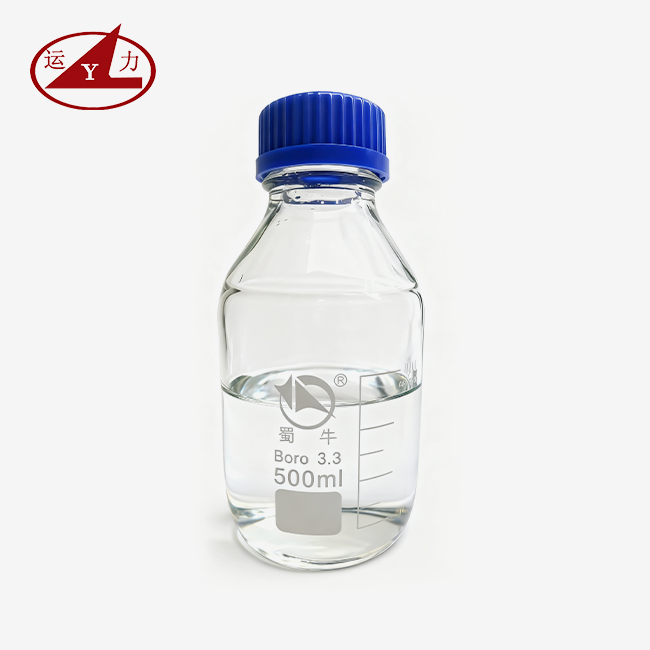
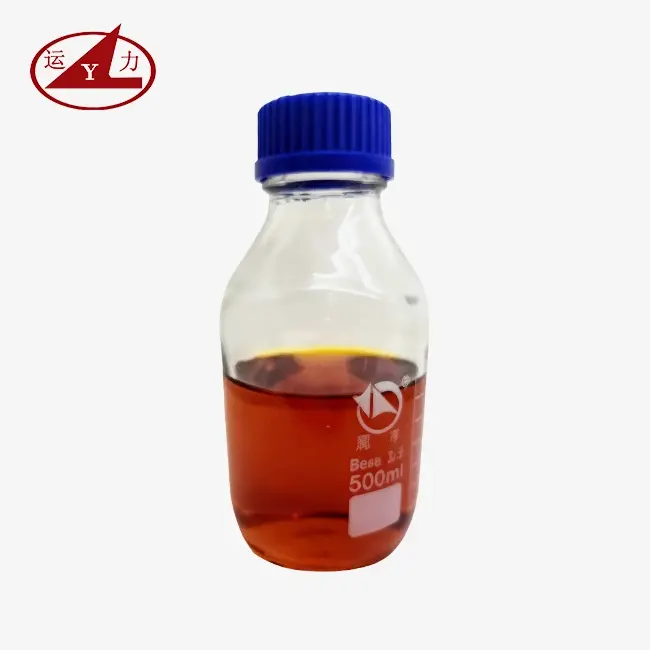
Ferric Nitrate Solution is commercially available in concentrations ranging from 10% to 50% iron content by weight. The most common industrial-grade solutions contain 40-50% concentration, striking a balance between reactivity and stability. These liquid formulations provide immediate usability without requiring complex dissolution procedures, saving operational time. Custom concentration adjustments are possible from specialized manufacturers to meet specific process parameters in catalyst production, wastewater treatment, or metal etching applications.
Understanding Ferric Nitrate Solution Concentrations
When specifying Ferric Nitrate Solution for industrial applications, concentration becomes your most critical parameter. We have seen how the amount of a chemical directly affects how it acts in the 20 years that Yunli Chemical has been in business.
Defining Concentration Measurements
Weight percentage and molarity are the two main ways to find the concentration. This number tells you how much iron is in 100 grams of fluid. Five grams of Ferric Nitrate Solution are in a 45% solution for every hundred grams of the whole thing. The number of moles in a liter is given by molarity. This number helps you figure out stoichiometry in chemical reactions. It is easier for procurement managers to communicate with technology teams and sellers when they know how to use both sizes of units.
Typical Commercial Concentration Ranges
Most industrial suppliers give concentrations for liquid Ferric Nitrate Solution that are between 40 and 50 percent. This range gives you the most security for storage and travel, but it's still quick enough for most uses. Less (10–30%) is better for uses that need reactions or oxidation to happen more slowly. When the quantity is higher, it costs less to ship each unit of active ingredient, but they need to be treated more carefully. Our production lines at Yunli Chemical are adaptable across this range, so they can change the way they make things based on what you need.
How Concentration Affects Chemical Properties
The way solutions behave changes a lot when the concentration changes. As the concentration goes up, so does the specific gravity. Our 45% solution has a specific gravity of 1.42 g/cm³ at 20°C, while our 20% solution has a specific gravity of 1.15 g/cm³. It changes the pump that is used and the flow rate in automatic dose systems as the viscosity goes up.
Free acid levels need to be carefully controlled. For example, too much nitric acid stops iron hydroxide from forming but makes things rust faster. The pH of all of our standard items is between 3.0 and 3.5. This keeps them steady without changing how they work with other things. As the quantity rises, the oxidizing potential gets bigger. This means that the cutting can go faster, but the metal needs to be handled more carefully.
Application-Based Concentration Requirements
Before you can choose the right concentration, you need to know how your production process works. There are different amounts of iron that are needed for different tasks to work well.
Wastewater Treatment Specifications
To get rid of phosphorus and hydrogen sulfide, most municipal and industrial wastewater treatment plants use 30–40% solutions. In this percentage range, the solution changes sulfides into sulfur elements or liquid sulfates. This keeps the smell of the storage systems from being bad. The ferric ions remove phosphorus products more than 85% of the time when they are used properly.
A 35% concentration is the best balance between how easy it is to handle and how well it works as a treatment. We've worked with wastewater treatment plants on three continents, and the operators always say that. For smaller amounts, you need bigger holding tanks and more doses, which makes things harder to do.
Catalyst Manufacturing Requirements
Businesses that make catalysts want them to be more clean and give them more control over the amount. We know that solutions with 40–45% alcohol are best for wetting down support materials because we work with people who make hydrocarbon catalysts. Ferric Nitrate Solution is particularly compatible with this alcohol range, as it allows the iron precursor to dissolve stably and deposit evenly. This range of percentages lets iron spread out widely on silica or alumina surfaces without making any spots too wet.
There are three nitrate groups on each iron atom (CAS# 7782-61-8, molecular weight 404.01), and the right amount of dilution makes sure that all of the ligands are switched around during the calcination steps. This is an example of why concentration is important. We keep iron impurities below 30ppm, sodium impurities below 50ppm, and heavy metal impurities below 5ppm. To keep catalysts safe in reactions that are sensitive to hydrogenation or oxidation, this is done.
Metal Etching and Surface Treatment
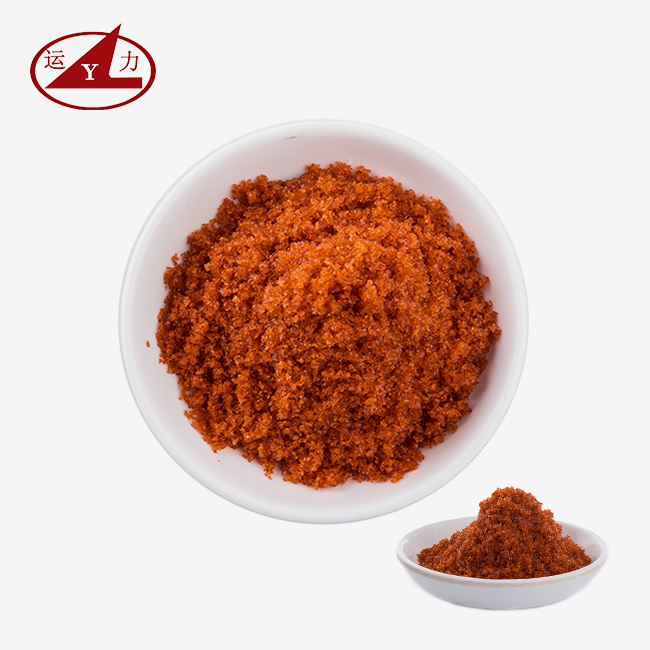
35–50% processes are used to etch silver, copper alloys, and stainless steel parts by electronics companies and metal finishing shops. The quantity has a direct effect on the rate of etching. When the temperature stays the same, a 50% solution takes in twice as much as a 25% solution. People who make circuit boards like 42–45% concentration because it keeps the fine line resolution and keeps pattern edges from being cut off too close to the edge. When solidified, the oxidation property gives it a purple crystal look, and its specific density is 1.68. This property is very important because not enough concentration leads to uneven surface finishes and wrong measures.
Comparing Ferric Nitrate Solution Concentrations with Alternative Iron Salts
Ferric Nitrate Solution is different from other iron-based coagulants. Knowing this can help you decide what to buy.
Ferric Chloride Versus Ferric Nitrate
When you compare ferric chloride and Ferric Nitrate Solution, ferric chloride solutions usually have 35 to 45% iron in them and cost 15 to 25 percent less than Ferric Nitrate Solution. Chloride ions, on the other hand, are very bad. They make stainless steel equipment rust faster and add more salt to the water that leaves a facility, which can be a problem in places with strict conductivity rules. Ferric Nitrate Solution fully fixes these issues. There is more oxygen in organic treatment systems because of the nitrate ions. This helps the nitrification process. A lot of our clients have switched from ferric chloride to Ferric Nitrate Solution to save money on maintenance costs that were much higher than the price difference at first.
Ferric Sulfate Comparison
The price of ferric sulfate is about average, but it adds sulfate to water that has already been cleaned. And this is very important for buildings that are near rivers that are sensitive to sulfate or that have problems with gypsum scaling. Because of limits on how well they dissolve, amounts rarely go above 40%. The way Ferric Nitrate Solution is made shows that it reacts better in water, ethanol, and acetone. This means that it can be used in more situations and in larger amounts. The freezing point of Ferric Nitrate Solution is 47.2°C, which makes it easier to work with than ferric sulfate, which tends to crystallize when stored in the winter. Operational teams like the difference in how reliable the two substances are.
Performance and Purity Trade-offs
More purity costs more but is worth it because it gives you more value. With Ferric Nitrate Solution from our Shanxi Provincial Enterprise Technology Center, heavy metals stay below 5 parts per million (ppm) and chloride stays below 50 ppm. Even small amounts of copper or lead can make mistakes in semiconductors and medicines that cost thousands of dollars to fix each batch. Our ICP-MS and atomic absorption spectrometry tools check each batch of our goods. This gives us certificates of analysis that pass even the tightest quality checks. In general, standard industrial grades are good for cleaning water and don't cost as much. However, for some uses, 4N-grade high-purity products are worth the extra money.
Safe Handling, Storage, and Transportation of Different Concentrations
As the concentration level rises, safety rules get tighter. A good manager makes sure that all of your suppliers follow the rules and keeps workers safe.
Hazard Classification by Concentration
Ferric Nitrate Solution is categorized as both Class 5.1 (Oxidizer) and Class 8 (Corrosive). As the concentration goes up, both traits get stronger. When liquids with a 45% concentration or higher come in touch with living things, they produce heat that could start fires.
Chemical datasheets describe a stinging feeling on the skin. When the concentration is high, this turns into severe chemical burns. We will only put focused goods in crates that are rated by the UN and meet international shipping standards. Material Safety Data Sheets that are sent with every package tell you what to do in an emergency based on the amount being sent. They tell you what neutralizing agents to use and how to keep the spill under control.
Storage Best Practices
Putting things away in the right way keeps them safe and makes them last longer. We recommend using high-density polyethylene or cross-linked polyethylene tanks instead of stainless steel, which rusts after long-term contact even though it says "stainless." It is very important to keep an eye on the temperature, because solutions may crystallize if they are kept below 5°C, especially when the concentrations get close to 50%.
The package says to keep it between 10°C and 30°C and out of direct sunlight, since UV light makes nitric acid break down faster. In the right conditions, sealed containers can keep concentration for an infinite amount of time. However, we recommend that concentration be checked once a year for applications that are very important. Because Ferric Nitrate Solution is only partially solid and easily draws water from the air, containers that are only partly full become less solid over time as they take in more water.
International Shipping Compliance
There is a lot of paperwork that needs to be sent with shipments that cross borders. USN 1466 and 3264 are sometimes used, depending on the specifics of the composition and the rules in the target country. We've been sending Ferric Nitrate Solution to India, Southeast Asia, and Latin America without any problems for 18 years. Each of these places has its own rules and regulations. If you get REACH approval for European targets, label the goods properly in the language of the destination, and make sure the shipping statements are right, you can avoid delays at customs.
When compared to 25 kg drums, shipping in IBC tanks (1000L) or ISO tankers saves a lot of money per unit. However, the facilities that receive the goods must have the right tools for unloading. Freight forwarders that work with our operations team know how to move dangerous chemicals safely, so your stuff will get there on time and in line with all the rules.
How to Choose the Right Ferric Nitrate Solution Concentration for Your Business
Choosing the right concentration is crucial for both technical performance and total cost of ownership.
Assessing Your Process Requirements
First, you need to know how much iron you need for each production cycle. Find out how much iron is needed every month, and then see if higher concentrations make it easier to handle enough to make the higher prices worth it. Automated dosing systems can handle any concentration correctly, but people who do things by hand usually like concentrations in the middle (35–40%), which are easy to work with but still strong enough.
Think about how quickly things respond. If you need a concentration of 48–50% for fast oxidation, does that work better for your process? Ferric Nitrate Solution is a key reagent in such applications, but would slower rates from 30–35% solutions work better for selectivity? Because we have worked in the catalyst production, water treatment, and metal finishing industries for a long time, we can help our clients weigh these pros and cons.
Evaluating Supplier Credentials
Reliable sellers show how good they are by being open and getting certifications. Yunli Chemical has licenses for ISO 9001, ISO 14001, and OHSAS, which show that they are dedicated to quality management, being good to the environment, and keeping workers safe. Being a state technology center shows that we can think of new ways to do things besides just making things. When looking for a business partner, you should ask to see their analysis records.
These should include impurity profiles, methods for checking concentration, and information on how consistent batches are with each other. That way, you can see how well they work in your real process before you buy a lot of them. We give you up to 500 grams of free samples. Read product datasheets very carefully. Specs that aren't clear can hide differences in quality that cause production to stop months after the contract was signed.
Balancing Cost and Performance
The cost per kilogram of iron is more important than the price per liter of solution. One that costs $1.20/kg gives you more iron than one that costs $1.00/kg, even though it looks more expensive. Find out how much freight costs based on how much it weighs. Shipping by water costs more, so shipping over long distances is much cheaper when concentrations are high. Minimum order quantities (MOQs) vary from one manufacturer to the next.
Because we are flexible, we can get rid of MOQ issues for test orders and then move on to delivering bulk tanks to long-term customers. It's not always clear what the hidden costs are when you work with a supplier for a while. Payment terms, shipping reliability, and expert help are just a few examples. At our Shanxi plant, we keep extra goods on hand to make sure that you always have what you need, even during times of high demand. This protects the continuity of your production.

Conclusion
Choosing the right concentrations of Ferric Nitrate Solution means combining technical needs with practical and financial facts. There are iron levels in commercially available range from 10 to 50 percent. For most industrial uses, 40 to 45 percent is a good concentration. If you know how concentration changes molecular qualities like density, viscosity, oxidizing potential, and stability, you can make choices that are best for your process.
Whether managing wastewater treatment operations, synthesizing catalysts, or etching precision metal components, concentration optimization directly impacts both product quality and operational costs. Partnering with experienced makers offering design freedom, strict quality control, and comprehensive technical support changes concentration selection from a purchasing standard into a competitive advantage.
FAQ
What concentration works best for wastewater H2S control?
30–40% Ferric Nitrate Solution are best for getting rid of hydrogen sulfide in most commercial and public sites. This range offers sufficient oxidizing ability to change sulfides quickly while staying easy to handle and dose properly. More of it doesn't really make it work better for this purpose, but it does make handling it more dangerous and cost more.
Can I dilute concentrated solutions on-site?
It is easy to dilute things with deionized water. Always add acid to water and never take it away to safely control how much heat is made. Carefully figure out dilution ratios using the formula C1V1 = C2V2, where C stands for concentration and V for volume. With every package, we include dilution rules and tips on how to keep the temperature fixed during mixing.
How does concentration affect environmental discharge limits?
It doesn't matter how concentrated the iron is; what counts is the overall iron loading and the quality of the cleaned water. When concentrations are higher, dosing amounts are lower. This could mean that less iron is left in the wastewater. With the right dose control, you can make sure you follow the rules for discharge, no matter how strong the stock solution is. Our team of experts helps clients make sure that their plans for dosing are legal and work.
Do higher concentrations offer longer shelf life?
If you store it the right way, concentration doesn't really change how long something lasts. Once solutions are locked up and kept away from heat and light, they will stay stable for one to two years. That's not why concentration drift happens; it's because water evaporates from containers that are only partly full. For long-term security, good sealing is more important than original focus.
Partner with Yunli Chemical for Customized Ferric Nitrate Solution
Yunli Chemical can help you with your sourcing problems because they have been working in nitrate chemistry for 20 years. Our factory in Shanxi makes Ferric Nitrate Solution in a range of concentrations, from 10% to 50%. In addition, we can make recipes that are just right for your business. We are a qualified maker of Ferric Nitrate Solution with ISO 9001, ISO 14001, and OHSAS certifications. We guarantee stability from batch to batch with advanced scientific proof using ICP-MS and atomic absorption spectrometry.
Our provincial technology center not only makes standard products, but it also makes very pure 4N-grade materials that are used in semiconductors and pharmaceuticals, where contamination would lead to expensive production problems. There is no minimum order size, you can get free samples up to 500 grams, and we can pack your order in a variety of ways, from 25 kg drums to bulk trucks. The factory-direct price cuts out the middlemen's markups, and we handle all of the shipping to North America, Europe, and other places ourselves.
Email our technical team at wangjuan202301@outlook.com to talk about your specific concentration needs, get detailed product datasheets, and set up an evaluation sample. At yunlichemical.com, you can see all of our nitrate goods. We serve catalyst makers, water treatment plants, and metal finishing shops all over the world.
References
1. Smith, J.R. and Williams, K.T. (2021). Industrial Applications of Iron Nitrate Solutions in Modern Manufacturing. Chemical Engineering Press, New York.
2. Chen, L., Kumar, S., and O'Brien, M. (2020). "Concentration Effects on Ferric Salt Performance in Wastewater Treatment Systems," Journal of Environmental Engineering, Vol. 146, Issue 8, pp. 04020089.
3. Anderson, P.D. (2022). Handbook of Oxidizing Agents: Properties, Safety, and Industrial Uses. Wiley Technical Publications, Third Edition.
4. International Organization for Standardization (2019). ISO 9001:2015 Quality Management Systems for Chemical Manufacturing. Geneva, Switzerland.
5. Thompson, R.A. and Garcia, H.M. (2023). "Comparative Analysis of Iron-Based Coagulants: Performance and Economic Considerations," Water Research, Vol. 229, pp. 119456.
6. National Institute for Occupational Safety and Health (2021). NIOSH Pocket Guide to Chemical Hazards: Ferric Nitrate. Department of Health and Human Services, Publication No. 2021-106.