

How Is Zinc Nitrate Solution Used in Hydroponic Growth Systems?
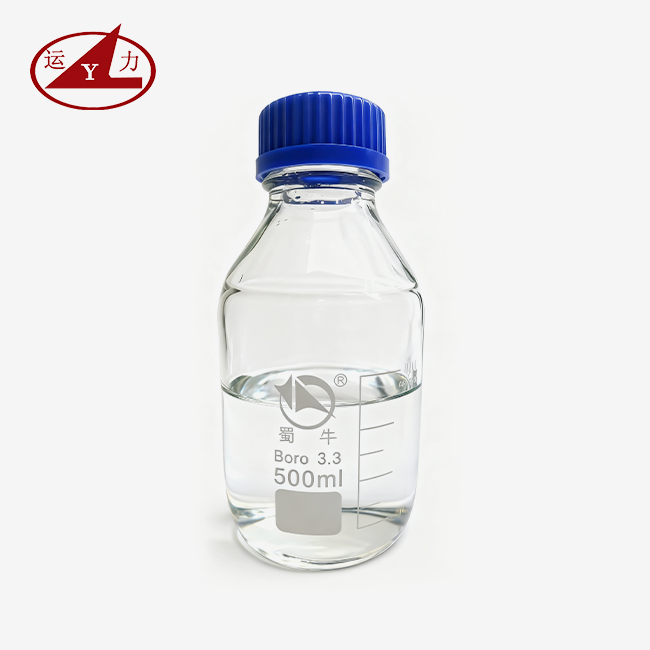
Zinc Nitrate Solution serves as an essential micronutrient source in hydroponic growth systems, delivering bioavailable zinc ions directly to plant roots through nutrient solutions. This highly soluble formulation addresses zinc deficiency efficiently, supporting enzyme activation, chlorophyll production, and overall plant vigor. Unlike solid zinc salts, the liquid form integrates seamlessly into automated dosing systems, ensuring consistent nutrient delivery across commercial hydroponic operations. With precise concentration control, growers can optimize zinc availability for different crops and growth stages, ultimately improving yield quality and crop resilience.
Introduction
Zinc Nitrate Solution hexahydrate, which has the chemical formula Zn(NO₃)₂·6H₂O and a molecular weight of 297.47, is an important mineral in current hydroponic farming. As soilless farming methods become more popular for growing plants, it becomes more important to carefully control trace elements to get the most out of them. Zinc affects more than 300 enzyme reactions inside plant cells. These reactions include making proteins, breaking down auxins, and protecting plants from external stresses. When the amount of zinc available falls below the optimal levels, plants show signs of shortage that have a direct effect on their usable yield.
This piece tells procurement managers, supply chain workers, and technical engineers everything they need to know about Zinc Nitrate Solution's chemical properties, its usefulness in different situations, how to handle it safely, and how to effectively source it. By linking technical specs with useful buying tips, we give B2B buyers the tools they need to improve their hydroponic operations while staying in line with regulations and making sure quality standards are met throughout their supply chain.
Understanding Zinc Nitrate Solution in Hydroponic Systems
Chemical Composition and Physical Properties
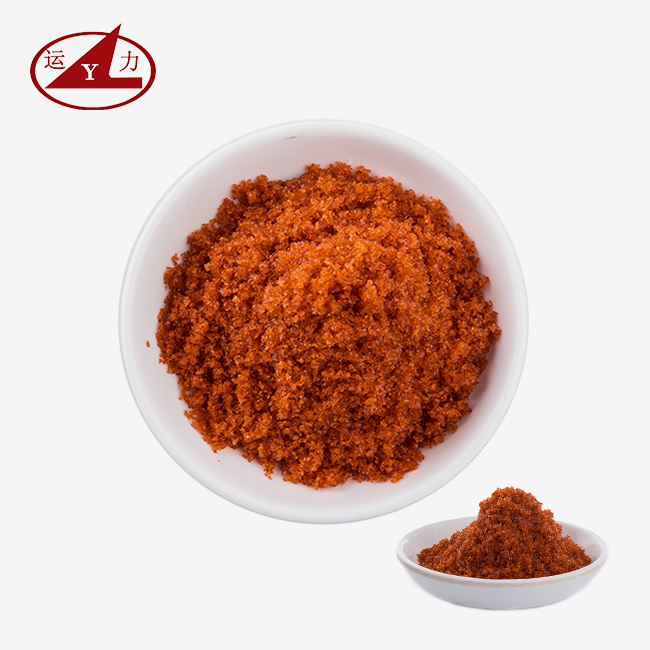
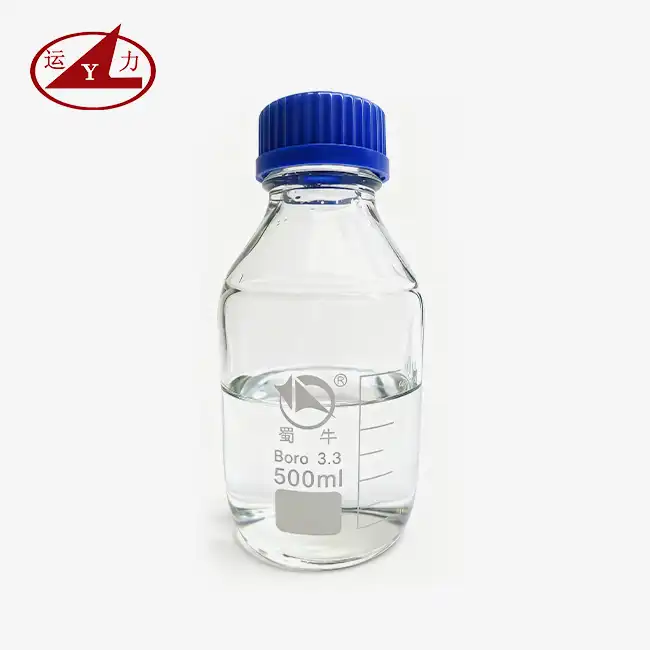
The crystal form of Zinc Nitrate Solution hexahydrate is a white tetragonal crystal that is very good at absorbing water. The combination has a specific mass of 2.065 g/cm³ and melts at 36.4°C. At 37°C, it changes into its dry form. It makes an acidic solution when mixed with water or alcohol, with a pH that ranges from 1.0 to 4.0 based on the strength. The most common liquid formula used in hydroponics has specific gravities between 1.35 and 1.55 g/cm³ and concentrations between 40% and 50% w/w.
When procurement professionals are looking at storage infrastructure needs, they need to know about these physical parameters. Since the solution is acidic, tanks and pipe systems must be made of acid-resistant materials like high-density polyethylene (HDPE) or stainless steel grades 304 or 316. Temperature-controlled storage is especially important for sites that work in colder areas, where concentrations above 45% may crystallize below 15°℃, which could stop equipment and lead to inconsistent dosing.
Superior Solubility and Bioavailability
Zinc Nitrate Solution is different from other zinc sources that are often used in hydroponics because it dissolves easily. Zinc oxide doesn't dissolve well in pH ranges close to neutral, and zinc sulfate needs to be carefully managed to keep it from precipitating. Zinc Nitrate Solution, on the other hand, dissolves completely in water in a wider range of pH conditions. This full solubility directly leads to better bioavailability, since the zinc ions stay in solution and can reach plant roots instead of making solid complexes that build up in system parts.
Commercial hydroponic facilities have done research that shows Zinc Nitrate Solutions stay stable in nutrient reservoirs for long periods of time without forming sediments or clogging emitters in drip irrigation systems. In addition to the zinc supplementation, the nitrate part is helpful because it offers an easy-to-access form of nitrogen. This two-nutrient delivery method makes it easier to make formulations and cuts down on the number of stock solutions that are needed for large-scale activities.
Safe Handling and Regulatory Compliance
As a strong oxidizing agent, Zinc Nitrate Solution is classed as a dangerous material Class 5.1. The compound doesn't burn, but when it breaks down, it releases oxygen, which can make fires worse if it's stored near things that can catch fire. Material Safety Data Sheets (MSDS) spell out the rules for division, saying that flammable substances, organic chemicals, and reducing agents must be kept separate in warehouses.
Teams in charge of buying things must make sure that sellers give them all the paperwork they need to follow the rules. This includes MSDS sheets that are formatted according to GHS standards, Certificates of Analysis (COA) that prove the purity requirements, and instructions on how to handle the product safely and properly. To prepare for possible spills, buildings that deal with large amounts of something should set up backup containment systems, emergency eyewash stations, and good airflow. Regular training makes sure that operators know how to handle oxidizing substances safely and effectively, while also lowering the risks to their health and safety at work.
Benefits and Practical Uses of Zinc Nitrate Solution in Hydroponic Growth
Critical Role in Plant Enzyme Systems
Zinc is an important part of many enzyme processes that control how plants grow and develop. The vitamin is essential for making tryptophan, which is a building block for indole-3-acetic acid (IAA), the main auxin hormone that controls how cells grow and change. When zinc levels in plant tissue drop below critical levels, which are usually between 15 and 20 ppm, auxin production goes down. This causes internodes to get shorter, leaves to get smaller, and a disease called "little leaf" to show up in fruiting crops.
Zinc does more than just make hormones. It also turns on carbonic anhydrase, an enzyme that is needed for photosynthesis to fix carbon dioxide. When there is enough Zinc Nitrate Solution available, chlorophyll density and photosynthetic efficiency go up directly. This is especially true during rapid vegetative growth phases. Commercial tomato growers have seen yield increases of 12–18% when they keep zinc levels at the right level compared to when they are just barely lacking. This shows how important it is for businesses to manage micronutrients correctly in hydroponic systems.
Addressing Deficiency Symptoms
There are clear visual signs of zinc deficiency that help farmers figure out what's wrong before they lose a lot of crop. Interveinal chlorosis shows up on younger leaves because zinc isn't very mobile in plant tissues. This means that signs of a zinc deficiency show up first in new growth rather than older leaves. Leaves that are affected get spots of yellow or white color between the green lines, and they often don't expand as much and have distorted forms.
Fruiting plants like cucumbers, peppers, and cherries lose their ability to set fruit and grow fruits that aren't round properly when they don't get enough Zinc Nitrate Solution. Because the micronutrient is needed for pollen to live and for fertilization, even small amounts of it being missing during blooming can greatly reduce the usable yield. Hydroponic farmers who use Zinc Nitrate Solutions can quickly fix developing deficits by applying the solution directly to the leaves or changing the concentrations in the reservoir. Under ideal conditions, normal growth patterns will return in 7–10 days.
Concentration Flexibility for Diverse Crop Requirements
Zinc levels in nutrient solutions need to be different for each type of food and stage of growth. Leafy greens need between 0.05 and 0.1 ppm of zinc in the root zone, while 0.3 to 0.5 ppm is best for flowering plants. Because Zinc Nitrate Solution comes in a liquid form, growers can precisely change concentrations, which lets them rotate different crops in the same facility. Automated dose systems can change the amount of Zinc Nitrate Solution that plants receive based on models of their growth, giving them more zinc during reproductive times when demand is highest.
Changes in water quality can also be taken into account when custom dose changes are made. When using reverse osmosis water for operations, there is no zinc in the water naturally, so the nutrient solution is used to add Zinc Nitrate Solution to the water. On the other hand, places that use well water might need to take into account the natural levels of zinc and change the amount of additives they use to match. Controlled impurity levels (Fe ≤20-30ppm) in high-purity Zinc Nitrate Solutions stop the entry of contaminant metals that can cause hostile interactions that lower the efficiency of nutrient uptake.
Procuring Zinc Nitrate Solution for Hydroponic Systems: What B2B Buyers Should Know
Supplier Certification and Quality Standards
When purchasing managers look at Zinc Nitrate Solution suppliers, they should give more weight to those that have ISO 9001 Quality Management System certification. This shows that the suppliers follow consistent production methods and quality control rules. The ISO 14001 Environmental Management System certification shows that the provider takes care of the environment. This is especially important because nitrate compounds can damage the environment if they are not treated properly because they are oxidizing. Occupational Health and Safety certifications like OHSAS or ISO 45001 give workers confidence that factories take the right safety precautions.
In addition to certifications for management systems, technical specifications need to be checked by an outside lab. Reliable suppliers give Certificates of Analysis for every production batch that show the Zinc Nitrate Solution content (usually ≥99% purity), any trace metal impurities, the chloride content (usually <50 ppm), and the pH range. Buyers should ask third-party laboratories to analyze samples during the initial qualification process of a supplier to make sure that the stated specifications are met. This sets the quality standards for future business relationships.
Purity Specifications and Impurity Control
Impurity profiles have a big effect on how well Zinc Nitrate Solution works for hydroponic uses. If there is more than 30 parts per million of iron in the soil, it can precipitate in alkaline conditions. This can cause sediment to build up in irrigation lines and could make crops that are sensitive to iron sick. Even in small amounts, copper and lead elements can be harmful over time and can leave behind levels of residue on crops that are too high for food safety in places with strict heavy metal laws.
Higher quality grades may be needed for certain uses, like organic-certified hydroponic production or growing herbs for medicinal use. 4N-grade (99.99% pure) Zinc Nitrate Solution suppliers serve niche markets that can't stand even a small amount of pollution. Even though top purity grades cost more, the extra money is worth it for businesses that grow valuable crops or serve markets that have strict quality standards. Buying plans should match the purity requirements with the needs of the final use. This way, extra costs won't be needed for uses where standard industrial grades work just fine.
Packaging, Logistics, and Minimum Order Considerations
Zinc Nitrate Solutions are usually sold in more than one type of container so that they can be used at different levels. Small experimental farms and research facilities may buy 25-liter drums or smaller amounts. For large-scale production, commercial operations usually buy 1,000-liter intermediate bulk containers (IBCs) or full tanker loads. Whether you use HDPE or stainless steel for packaging affects how stable the product is during storage and transport. Suppliers usually give advice on the best packaging based on the concentration and length of time you expect to store the product.
Because some materials are dangerous, transportation methods need to be carefully planned. Shipping rules say that it needs to be properly labeled as an oxidizer, and operators must have the right licenses to handle dangerous goods. Buying things from other countries is more complicated because you have to deal with customs paperwork, importing permits for damaging agents, and following the rules of the sending country. Instead of just looking at the unit price, buyers should look at the total landed cost, as freight premiums, handling fees, and compliance costs have a big effect on the overall economics of procurement.
Progressive providers in the sector set themselves apart by having flexible policies on sample supply and minimum order numbers. Technical teams can test how well the nutrients work with other formulas before committing to bulk purchases because they can ask for free samples of up to 500 grams. Suppliers with no minimum order number requirements help smaller businesses and make it easier to test new products. This lowers the barriers to buying and is especially helpful for new hydroponic businesses or businesses that are looking to improve their formulations.
Case Studies & Best Practices: Successful Integration of Zinc Nitrate in Hydroponic Setups
Commercial Lettuce Production: Yield Enhancement Through Optimized Zinc Management
Zinc Nitrate Solution supplements were added to a 5-acre hydroponic lettuce farm in California that was having trouble with heads not forming consistently and growth cycles lasting too long. Previous vitamin protocols relied on zinc EDTA chelate, but it didn't work as well in hard water because the high calcium levels made it harder for the chelate to bind.
By switching to Zinc Nitrate Solution at 0.08 ppm in the nutrient film technique (NFT) channels, the operation saw a 14% drop in the number of days it took to gather and better consistency in head weight across all output batches. The change got rid of the costs of chelates and made it easier to mix nutrients, which was good for both the economy and operations.
Tomato Production: Preventing Blossom-End Rot Through Balanced Micronutrient Delivery
Even though the grower of tomatoes in a greenhouse made sure that the nutrient solution had the right amount of calcium, the blossom end rot kept happening. A test on diagnostic tissue showed that there was a small amount of zinc shortage, which made it harder for the fruit to move calcium around as it grew. Adding 0.4 ppm of Zinc Nitrate Solution during the fruit set stages cut the number of cases of blossom-end rot from 18% to less than 3% in just two crop cycles. This situation shows how micronutrient nutrition is linked and how important it is to keep Zinc Nitrate Solution levels balanced even if there are no obvious signs of a deficiency.

Troubleshooting: Solution Stability and Compatibility
Some hydroponic growers say that adding Zinc Nitrate Solution makes the nutrient solutions cloudy or causes precipitates to form. This is usually because the mixing processes aren't suitable. It is best to dissolve Zinc Nitrate Solution separately from stock solutions that contain phosphate, since putting these parts together in concentrated form can lead to zinc phosphate precipitates. The best way to do things is to make separate stock solutions and then mix them in the irrigation reservoir, where they will be diluted to stop precipitation reactions. Keeping the pH of the pool between 5.8 and 6.2 makes it easier for Zinc Nitrate Solution to dissolve and stops the formation of hydroxide, which can happen at higher pH levels.
Conclusion
Zinc Nitrate Solution is an important part of modern hydroponic farming because it adds the right micronutrients to plants to help them grow well and meet commercial yield goals. It dissolves better, delivers two nutrients at once, and works with automated dosing systems, which makes it the best zinc source for operations that value consistency and efficiency.
To integrate successfully, you need to know both the benefits for farming and the things you need to think about when buying, such as supplier certification and purity requirements, as well as safe handling procedures and logistics planning. As hydroponic production spreads around the world, strategically finding high-quality Zinc Nitrate Solution becomes a competitive edge. This helps growers keep the quality of their crops while lowering costs and following all the rules.
FAQ
Can zinc nitrate solution be used in all hydroponic system types?
Zinc Nitrate Solution works well in all the main types of hydroponic systems, such as nutrient film technique (NFT), deep water culture (DWC), drip watering, and aeroponics. The full solubility makes sure that the distribution is the same no matter how the system is designed. Growers should change the ratios based on the type of crop and the amount of water in the system. Usually, 0.05 to 0.5 ppm zinc should be kept in flowing solutions.
How should zinc nitrate solution be stored to maintain product stability?
Keep Zinc Nitrate Solution out of direct sunlight and heat sources and in containers that can handle acid. Keep the storage temperature above 15℃ to keep concentrated liquids from crystallizing. Separate from biological materials and things that can catch fire because they are oxidizing. If stored properly, it can last for 12 to 24 months, but it's important to test the concentration every so often to make sure it stays stable over time.
Is zinc nitrate compatible with organic hydroponic certification?
Synthetic nitrates are usually not allowed in organic farming systems, so Zinc Nitrate Solution usually doesn't meet the requirements for organic approval set by the USDA National Organic Program. Growers who want to get organic certification should talk to certifying agencies about what zinc sources are acceptable. Zinc sulfate or naturally derived chelated forms that are approved for organic use are common examples.
Partner with Yunli Chemical for High-Purity Zinc Nitrate Solution
Yunli Chemical is a reliable company that makes Zinc Nitrate Solution for hydroponic systems and businesses in North America. Our production plant in Shanxi Province is ISO 9001, ISO 14001, and OHSAS-certified. It makes formulas that can be customized and are guaranteed to be pure. The iron content stays below 30ppm, and the amounts can be changed from 40 to 50 percent w/w to meet your exact needs. We have been making things for more than 20 years and make more than 1 billion yuan a year. We combine manufacturing scale with technical agility by giving away free samples up to 500 grams and getting rid of minimum order requirements for new businesses.
Our closed-loop NOx absorption and wastewater treatment systems make sure that our production is good for the environment, and direct plant supply gets rid of the markups that distributors add. In addition to Zinc Nitrate Solution, we can get you 60+ specialty nitrates all in one place, which makes managing your supply chain easier. For thorough specs, custom formulation advice, cheap quotes, and full compliance paperwork, please email our technical team at wangjuan202301@outlook.com. Visit yunlichemical.com to learn more about our full range of chemical products.
References
1. Jones, J.B. (2016). Hydroponics: A Practical Guide for the Soilless Grower. CRC Press, Boca Raton, Florida.
2. Marschner, P. (2012). Marschner's Mineral Nutrition of Higher Plants, Third Edition. Academic Press, London, United Kingdom.
3. Resh, H.M. (2013). Hydroponic Food Production: A Definitive Guidebook for the Advanced Home Gardener and the Commercial Hydroponic Grower. CRC Press, Boca Raton, Florida.
4. Savvas, D., and Gruda, N. (2018). Application of soilless culture technologies in the modern greenhouse industry. European Journal of Horticultural Science, 83(5), 280-293.
5. Trejo-Téllez, L.I., and Gómez-Merino, F.C. (2012). Nutrient solutions for hydroponic systems. Hydroponics: A Standard Methodology for Plant Biological Researches, InTech Publishers, Rijeka, Croatia.
6. Broadley, M., Brown, P., Cakmak, I., Rengel, Z., and Zhao, F. (2012). Function of nutrients: micronutrients. In Marschner's Mineral Nutrition of Higher Plants, Third Edition, Academic Press, London, United Kingdom.