



How does molten salt storage work
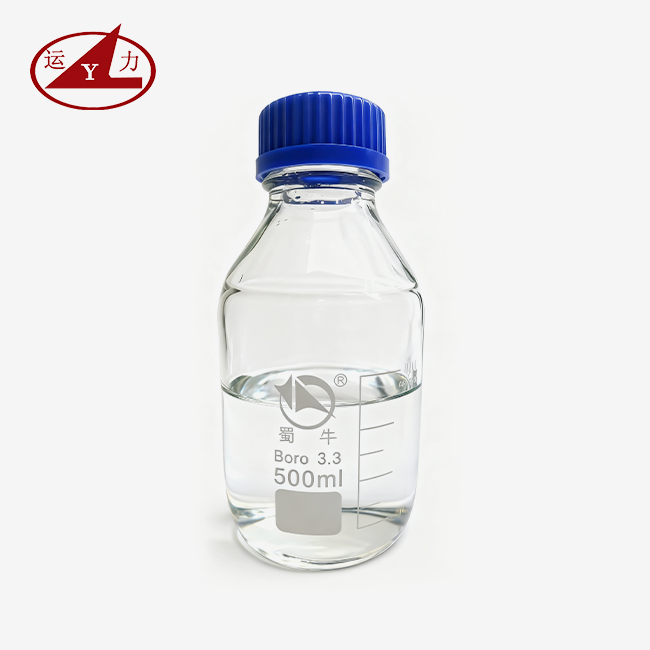
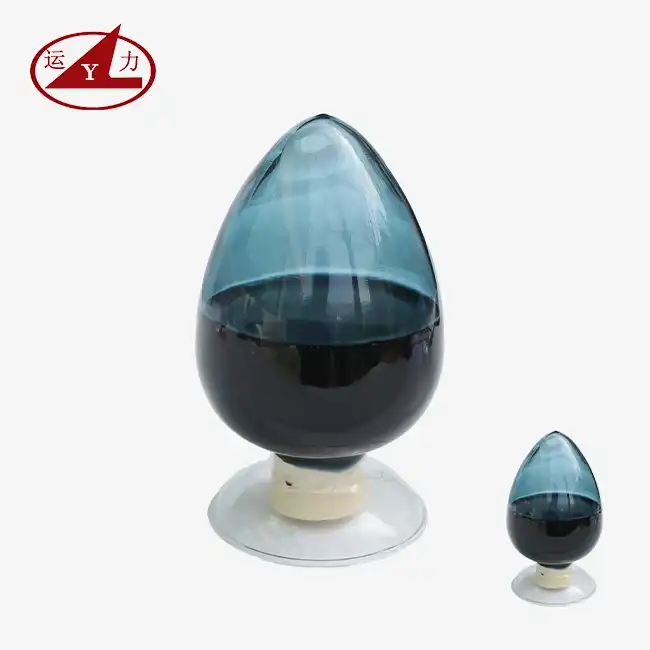
Molten salt storage operates by using a eutectic mixture of inorganic nitrates and nitrites—typically 53% potassium nitrate (KNO₃), 40% sodium nitrite (NaNO₂), and 7% sodium nitrate (NaNO₃)—that remains liquid at atmospheric pressure across a broad temperature range (142°C to 565°C). This thermal energy storage medium absorbs heat during energy availability periods, storing it within the salt's molecular structure thanks to its high specific heat capacity (≥1.5 kJ/kg·K). When energy is needed, the stored thermal energy transfers efficiently through heat exchangers to generate steam or maintain process temperatures, enabling reliable industrial operation without high-pressure risks or thermal degradation.
Understanding Molten Salt Storage Technology
The Fundamental Chemistry Behind Heat Transfer Salt
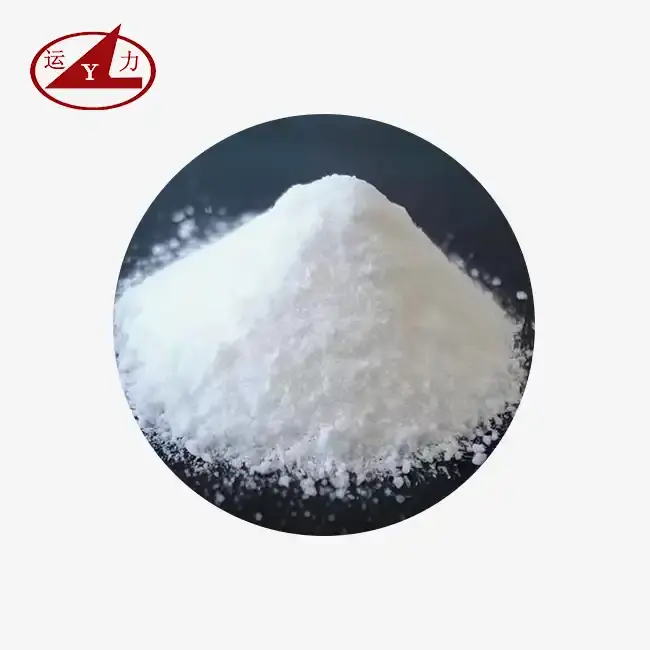
Because heat transfer salts are made up of specific chemicals, they can form a solid liquid phase across a wide range of temperatures without the need for high pressure like steam systems do. XiaXian Yunli Chemical Co., Ltd. has been making chemicals for 20 years and has developed formulas that keep their thermal qualities stable over many rounds of use. The nitrate-nitrite eutectic mixture has very low vapour pressure.
This means that there is no chance of an explosion like there is in pressurised systems and the costs of building them are much lower. The chemical stability comes from the ionic bonds inside the salt matrix. These bonds don't break down at high temperatures, even when exposed to them over and over again. Our production method makes sure that the moisture content is less than 0.5%. This keeps dangerous steam from forming when the material gets to the right temperature for use.
How Thermal Energy Storage Actually Works
When concentrated solar radiation or heat from waste heat comes into contact with salt, it adds energy directly to the ionic lattice structure. Because the chemical bonds in the salt stretch and jiggle, they store energy as sensible heat instead of needing to change phases. This system lets energy be absorbed continuously over a 400°C range. During discharge cycles, the hot salt moves through special heat exchangers.
There, it releases stored energy that can be used to make steam for engines or keep the temperature of chemical reactors stable. Because these artificial salts are not dangerous, they are safer than organic thermal oils, which turn into carbon dioxide above 400°C and pose a fire risk. Our factory keeps a close eye on the chloride level (≤500 ppm) to make sure that stainless steel pipe systems don't crack from stress corrosion, which is important for the long-term stability of the system.
Critical Safety and Corrosion Management Standards
Material suitability and emergency freeze protection are the two most important things that industrial thermal storage systems must think about. Our heat transfer salt mixes are specially made for austenitic stainless steel systems (304H/316L grades), where rust rates stay low enough to be acceptable for decades of use. Trace impurities are very dangerous. For example, chloride ions above 50 ppm can cause catastrophic cracking in metal parts that are under a lot of stress at high temperatures.
Ion Chromatography and ICP-MS analysis are used in our quality assurance lab to make sure that the purity standards go above and beyond GB/T 23938. Because it melts at 142°C, all of the pipes, valves, and storage tanks need to have full heat tracing systems. During maintenance shutdowns, redundant electrical impedance heating stops solidification because frozen salt in pipes causes mechanical stress that can break parts. We include detailed technical paperwork, such as MSDS and COA certificates, with every package. This makes sure that we follow OSHA and EPA rules for safe handling.
Advantages of Molten Salt Storage Over Traditional Methods
Performance Comparison with Conventional Heat Transfer Media
Thermal oils don't work well in high-temperature industrial processes because they break down quickly above 350°C. For steam systems to work, they need expensive high-pressure pipes and water that is constantly treated. Yunli Chemical's heat transfer salts work well between 150°C and 565°C at room temperature, so they get rid of both of the problems. The low viscosity (≤5 cP at 300°C) and high thermal conductivity (≥0.5 W/m·K) make pumping more efficient while using less energy than with synthetic organic fluids.
In water-based systems, chemical additives are needed to stop scaling and biological growth. But our inorganic salt formulations don't need any degradation products that get into heat exchangers and make them dirty. Molten Salt offers additional advantages here: its specific heat capacity gives it a higher energy storage density—about three times higher per unit volume than mineral oils. In practice, this means that smaller holding tanks are needed and that new installs cost less.
Real-World Case Studies Demonstrating ROI
Our heat transfer salt was used in a concentrated solar power plant in the southwestern United States to improve their thermal storage system. This allowed them to send energy for 12 hours straight. Compared to direct steam systems without storage, this longer operating window improved the amount of power made each year by 40%. The person running the plant said that the low upkeep needs—mostly just regular salt composition analysis—cut yearly costs by $150,000 compared to their old synthetic oil system.
Our salt systems collect high-grade thermal energy from variable-load furnace exhaust streams and use it for metallurgical waste heat recovery. The high thermal inertia keeps the energy output stable, so even when the source temperature changes, the process can still make steam. Chemical companies that make melamine and acrylic acid use our heat transfer salt in reactor cooling circuits. These circuits are used when exothermic processes need to be precisely controlled between 350°C and 450°C. The equipment in these installations has been shown to last 30% longer because of less thermal cycling stress than with older cooling methods.
Long-Term Durability and Cost Efficiency
If you take care of your salt devices, they can work for 20 years or more without needing new media. Our formulas include suggestions for nitrogen blankets to stop nitrite from turning into nitrate, which would change the thermal properties over time. Periodic analysis services help customers keep an eye on the buildup of carbonate from absorbing CO₂ from the air. This lets chemicals be added to fix problems before they get worse.
The higher original capital cost of 15-20% over organic thermal fluids is paid back in three years by lower insurance rates (because they are not flammable), the elimination of high-pressure safety systems, and longer maintenance intervals. We provide water-based solutions that can be tailored to particular starting processes and come in a range of concentrations. This makes the initial charging of the system easier. Because we supply directly from the factory, there are no markups for distributors. This means that we can offer competitive prices for large orders while still meeting the quality standards that purchasing managers need for long-term supplier relationships.
Selecting the Right Molten Salt for Your Application
Common Grades and Chemical Formulations
Most industry uses that need to work between 150°C and 500°C can be met by standard heat transfer salt mixtures. High-purity types with less than 20 parts per million of chloride are good for making electrical materials and pharmaceutical intermediates, where contamination risks need to be kept to a minimum. Our expert team can change the potassium-to-sodium ratios to get the best melting points for different operating profiles and adjust the eutectic ratios to meet specific temperature needs. Formulations that have been changed to be more stable during thermal cycle are useful for battery thermal management uses.
Critical parameters are directly affected by the composition. For example, adding more potassium nitrate raises the melting point but makes the substance more stable at high temperatures. Adding more sodium nitrite lowers the viscosity, which makes it easier to pump. We keep the quality of our production high by constantly checking the purity of our raw materials and the parameters of our process. This way, we can be sure that every batch meets the requirements, which are confirmed by DSC analysis and ASTM standard testing protocols.
Comparative Analysis with Alternative Solutions
Thermal oils are cheaper at first, but they need to be replaced every three to five years because they crack and oxidise when heated. While molten metals like sodium are great at conducting heat, they are very dangerous when they come into contact with water and need to be handled in a neutral atmosphere. Molten Salt offers an alternative middle ground: it stores heat effectively, does not degrade as quickly as thermal oils, and is far less reactive than liquid sodium, though it requires careful temperature management to avoid solidification. Direct steam storage systems can store a lot of energy, but they need expensive pressure tanks that can handle 100 bar or more of pressure.
Our heat transfer salt has the thermal properties of liquid metals and the safety profile of stable artificial salts. This makes it the perfect choice for industrial buyers. When looking at the total cost of ownership, salt storage methods are more cost-effective for projects that need to store heat for more than 4 hours. The atmospheric pressure operation gets rid of the need for special welding licenses and inspections that are needed for high-pressure steam pipes. This lowers the costs of both installation and ongoing compliance.
Quality Standards and Supplier Evaluation Criteria
Purchasing managers need to make sure that suppliers can do more than just meet basic makeup requirements. These certifications—ISO 9001, ISO 14001, and OHSAS—show that we follow structured quality management and environmental rules, which are very important when building long-term supply relationships. The Provincial-Level Enterprise Technology Center approval shows that the company really does have the research and development (R&D) skills to change formulas to meet new application needs. Advanced analytical tools, such as ICP-MS for finding metallic impurities and Karl Fischer titration for checking the moisture content, make sure that the quality of the product stays the same.
We give you all the paperwork you need to prove your product's origin, such as spectroscopic analysis results and density checks at working temperatures. Standard formulas have lead times of two to three weeks for bulk orders, and there are a variety of packing choices, such as 25 kg bags, 1000 kg super sacks, or bulk tanker delivery. Long-term contracts are rewarded with volume discounts, and free sample programs (up to 500 grams) let customers test the products thoroughly for fit before committing to full-scale purchases.
Optimizing Molten Salt Storage Performance in Industrial Applications
System Design Best Practices
The first step in good thermal management is making sure that the tanks are properly insulated so that they lose as little idle heat as possible. Usually, less than 1% of their daily energy is lost. The mass of the salt (1.8–2.0 g/cm³ at 300°C) must be taken into account when choosing a pump. Flow speeds must be kept at a level that encourages chaotic mixing without wearing down the impellers. Our technical support team helps with heat exchanger sizing calculations to make sure there is enough surface area for energy transfer and to avoid overheating in one area, which speeds up corrosion.
Nitrogen blanketing devices keep the amount of oxygen in storage tanks below 100 parts per million. This keeps nitrite components from breaking down due to oxidation. We suggest putting in continuous composition monitoring systems that keep an eye on the pH level (which should be kept between 6.0 and 8.0) and key impurity levels. This will allow for proactive maintenance that stops performance problems before they happen.
Maintenance Strategies for Extended Service Life
Salt samples are taken once a year and analysed in a lab to find problems before they get worse and affect the system's performance. When more than 0.05% of insoluble matter builds up, it means that rust products are building up and need to be filtered or partially replaced with salt. When the iron content goes up, it means that rusting is still happening, which could mean that the materials used in pipes need to be studied by metallurgy.
Our decades of experience managing nitrate wastewater has given us the environmental treatment skills that allow us to plan a full dumping strategy for end-of-life salt substitute. Heat tracing system audits make sure that all areas of the pipe are at the same temperature. This keeps cold spots from forming where salt could solidify and block flow paths. Standard elastomers break down at operating temperatures, so valve packing and seal materials need to be checked on a regular basis. For reliable long-term performance, our specs suggest graphite-based sealing solutions.
Emerging Innovations in Thermal Storage Technology
Next-generation salt mixes have extra ingredients that make them 15-20% better at transferring heat, which lets engineers make heat exchangers that are smaller. Molten Salt and solid ceramic media are being used together in research into hybrid storage systems to make grid-scale applications more energy dense. Advanced computational fluid dynamics modelling figures out the best way to set up tanks so that thermal stratification doesn't happen.
This is because thermal stratification can cause temperature differences that put stress on structure parts. We are involved in industry research partnerships and make sure that our product development roadmap is in line with how customer needs change as green energy and decarbonisation efforts in industry grow. Because of these improvements in technology, Molten Salt storage is now the best way to reach net-zero manufacturing goals while keeping operations reliable.
Buying Guide and Procurement Tips for Molten Salt Storage Solutions
Assessing Project-Specific Requirements
Correct calculations of the thermal load tell us how much salt we need, usually between 15 and 20 kWh of thermal storage capacity per tonne of salt. The choice of formulation is based on the operating temperature range. For higher-temperature uses, nitrogen blanketing infrastructure is needed to improve oxidation protection. Molten Salt itself also influences material selection, as its corrosive nature at high temperatures requires careful choice of pipe alloys and seals. Instead of just looking at the price of the salt unit, procurement managers should look at the overall cost of the system, which should include materials for the pipes, insulation, heat tracking, and instruments.
We offer engineering consulting services that help customers make the best system designs. By making sure that components are the right size, this could cut overall capital costs by 10 to 15 percent. Volume forecasts helps with strategic inventory planning. Our stable production capacity supports regular orders of more than 100 tonnes per month while also working with delivery plans that are unique to each project.
Identifying Trusted Suppliers and Critical Documentation
When choosing suppliers, companies that have a track record of professional know-how and complete quality systems should be given more weight. Our 20-year experience of business and RMB 1 billion in yearly revenue show that we are financially stable, which guarantees a steady supply over the long run. Self-operated export operations get rid of delays caused by middlemen and let customers and production experts talk directly about technical issues. Safety Data Sheets with instructions on how to handle the product and what to do in an emergency are important pieces of paperwork.
So are Certificates of Analysis that confirm the makeup details and compliance statements for REACH, RoHS, and local environmental laws. We include these papers in English with every shipment so that customs processing and regulatory compliance checks go smoothly. Because we've worked with big companies in the electroplating, textile processing, and green energy sectors, our team knows what kinds of paperwork U.S. industrial buyers need.
Negotiation Strategies and Logistics Considerations
Multi-year supply deals usually get 5-8% cheaper prices than spot sales and make sure there is a steady supply even when the market is unstable. We offer net 30 to net 60 terms for proven users with verified credit references. These terms are flexible to meet the cash flow needs of projects. Shipping logistics need special handlers who know how to handle inorganic chemical goods.
Depending on the size of the order, our logistics team arranges for either containerised ocean freight or bulk truck delivery. Customisable packaging meets the needs of each site, from small amounts for research to large-scale industrial deliveries. We keep strategic supplies at key distribution places so that we can quickly meet urgent buying needs while keeping customer carrying costs as low as possible. Our application experts help with commissioning, teaching operators, and troubleshooting throughout the system's duration, so technical support doesn't end with the initial delivery.
Conclusion
Molten Salt thermal energy storage is an established, dependable option for heating industrial processes and green energy uses that need to be able to move heat at high temperatures. The fact that they work at atmospheric pressure, are very stable at high temperatures, and last for decades makes them much more cost-effective than standard thermal control systems.
Choosing the right salt formulations for the running conditions, working with experienced suppliers who can offer full technical support, and adhering to strict quality standards during buying and operations are all important for a successful application. We at XiaXian Yunli Chemical Co., Ltd have been making chemicals for 20 years and are dedicated to making sure our products are pure. This is why procurement managers and process engineers depend on us for reliable performance in important thermal storage applications.
FAQ
What safety precautions are essential when handling molten salts?
When working near Molten Salt systems, people must wear the right thermal safety gear, such as gloves that can handle high temperatures and face shields. Contact with water is the main danger because it creates steam quickly, which can send hot salt flying. Before the first charge, all of the system's parts must be completely dry. To keep things from solidifying, heat tracing devices must keep their temperatures above 142°C during all operating and standby times. Our detailed safety documentation includes detailed plans for what to do in an emergency, such as how to handle salt spills and skin contact incidents.
How do operating temperature ranges compare between molten salt and thermal oil systems?
Standard thermal oils work well between 150°C and 350°C, but after that, they start to break down at higher temperatures, leaving behind carbonised leftovers. Our heat transfer salt stays stable in properties from 150°C to 565°C, which gives it a 215°C wider operating range. This wider temperature range lets power generation cycles be more thermodynamically efficient and helps chemistry processes that need fine control above 400°C. At this temperature range, working at atmospheric pressure gets rid of the need for pressurisation, which would make similar thermal oil systems too expensive to buy.
What are typical lead times for bulk molten salt orders?
Orders for standard formulations of 20 to 50 tonnes usually ship two to three weeks after the order is confirmed. For projects with amounts over 100 tonnes, it may take 4 to 6 weeks to plan production runs that meet our quality standards. Custom formulations with changed ingredients or high-purity requirements need more time to be made—usually an extra 3–4 weeks, which includes checking the formulation and doing analytical tests. To support fast shipping for pressing needs, we keep a strategic inventory of our most popular grades. Get in touch with our supply chain team to talk about your project's timeline and look into options for faster delivery times.
Partner with a Trusted Molten Salt Supplier for Your Thermal Storage Needs
For twenty years, XiaXian Yunli Chemical Co., Ltd has been making high-purity heat transfer salt that meets the strict needs of industry users in the United States. Our ISO-certified production center and Provincial Technology Center approval make sure that the quality is always the same and that the chloride content stays below the limits set by the specifications. This protects your infrastructure investment from the risk of corrosion. We offer factory-direct prices, packages that can be changed, and free sample programs for up to 500 grams to help you get approved.
Every package comes with full compliance paperwork, like an MSDS and a COA. This makes meeting regulatory standards easier. Get in touch with our technical team at wangjuan202301@outlook.com or visit yunlichemical.com to talk about your unique needs and get a full quote. Our engineers can help you make the best plan for your thermal storage system, and our supply terms are flexible enough to support both short-term and long-term deals.

References
1. Bauer, T., Pfleger, N., Laing, D., Steinmann, W., Eck, M., & Kaesche, S. (2013). Thermal Energy Storage Materials and Systems. Annual Review of Heat Transfer, 16, 131-177.
2. Pacheco, J. E., Showalter, S. K., & Kolb, W. J. (2002). Development of a Molten-Salt Thermocline Thermal Storage System for Parabolic Trough Plants. Journal of Solar Energy Engineering, 124(2), 153-159.
3. Kenisarin, M. M. (2010). High-temperature Phase Change Materials for Thermal Energy Storage. Renewable and Sustainable Energy Reviews, 14(3), 955-970.
4. Pacio, J., Singer, C., Wetzel, T., & Uhlig, R. (2013). Thermodynamic Evaluation of Liquid Metals as Heat Transfer Fluids in Concentrated Solar Power Plants. Applied Thermal Engineering, 60(1-2), 295-302.
5. Vignarooban, K., Xu, X., Arvay, A., Hsu, K., & Kannan, A. M. (2015). Heat Transfer Fluids for Concentrating Solar Power Systems: A Review. Applied Energy, 146, 383-396.
6. Zhao, C. Y., & Wu, Z. G. (2011). Heat Transfer Enhancement of High Temperature Thermal Energy Storage Using Metal Foams and Expanded Graphite. Solar Energy Materials and Solar Cells, 95(2), 636-643.