


Why Magnesium Nitrate Is Important in Chemical Industry
Magnesium nitrate hexahydrate (Mg(NO₃)₂·6H₂O) stands as an indispensable compound in modern chemical manufacturing, addressing critical needs across catalyst production, nitric acid concentration, and high-performance material synthesis. Its unique combination of high solubility, low heavy-metal contamination, and compatibility with complex chemical environments makes it a preferred raw material for purchasing managers and technical engineers seeking reliable, compliant, and cost-effective solutions. Unlike alternative magnesium sources, this compound delivers dual nutritional and oxidizing properties, supporting applications where precision and purity cannot be compromised.
Understanding Magnesium Nitrate and Its Chemical Properties
Core Chemical Structure and Stability
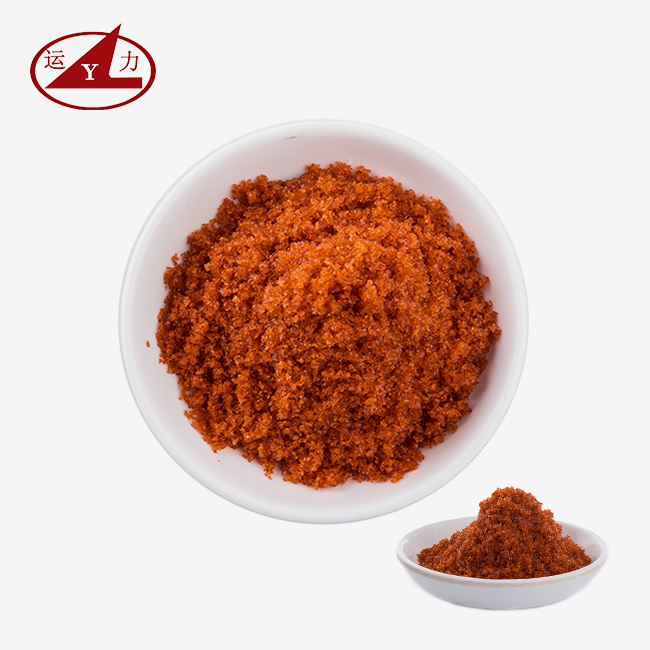
With a molecular weight of 256.41 g/mol, Magnesium Nitrate Hexahydrate (CAS# 13446-18-9) crystals are colourless and monoclinic. With a specific density of 1.6363 and a freezing point of 89°C, this substance is one of the most stable nitrate hydrates at room temperature. It is useful to know that the compound changes easily when heated. Above 90°C, it turns into basic salt forms, and above 330°C, it turns into pure magnesium oxide.
This temperature profile lets you control the breakdown of materials in ceramic sintering and catalyst synthesis, where precise oxide formation is needed. The hexahydrate structure dissolves easily in both water and alcohol, which makes it easy to use in systems that process water without having to change the equipment.
Safety Protocols and Regulatory Compliance
When working with oxidising products, safety rules must be followed very carefully. According to UN 1474, Class 5.1, Packing Group III, Magnesium Nitrate Hexahydrate must be properly marked for shipping and stored away from flammable materials. Containers made of 304/316 stainless steel, HDPE, or FRP should be used for storage instead of carbon steel, which rusts in the slightly acidic environment of the compound.
Because it is hygroscopic, it needs to be packed in two layers of PE and kept in climate-controlled storage where the humidity stays below certain levels to keep it from caking. For foreign purchases, you must have full MSDS documents, COA certificates, and REACH compliance statements. These credentials from the government make sure that customs clearance goes smoothly and meet the requirements of stricter environmental audits in the US market.
Quality Control Parameters
Professional buying teams look closely at certain pure metrics that have a direct effect on how well the final product works. To keep equipment from getting clogged up in irrigation and response systems, water insolubles must stay below 0.05%. To meet safety standards for agriculture and keep catalysts from getting poisoned, heavy metal content must be checked using an ICP-MS. This is especially true for lead (≤20ppm), cadmium, arsenic, and mercury.
For ceramics and chemical processing, where trace metals can cause unwanted side effects or colour changes, iron level below 10ppm is very important. 5% solutions should have pH values between 5.0 and 7.0, which means there shouldn't be any free acid or ammonia left over. Pharma-grade purity ≥99.5% with iron reduction to ≤10ppm is needed for high-performance uses in electronics and medicines. This shows how specification customisation meets the needs of specific industries.
Key Applications of Magnesium Nitrate in the Chemical Industry
Concentrated Nitric Acid Production
Magnesium Nitrate hexahydrate is a strong dehydration agent that is used in extractive distillation methods to make nitric acid for industry. The compound changes the balance between vapour and liquid in nitric acid and water, which lets the concentration go beyond the azeotropic point and uses heat more efficiently than sulphuric acid methods. For this use, the purity must be stable, and the chloride level must be low to keep stainless steel distilling columns from rusting. For batch processing, you need a lot of material that breaks down in a predictable way at high temperatures. This means that supply stability and technical support are important factors to consider when buying.
Catalyst Manufacturing and Surface Treatment
Ultra-pure magnesium oxide precursors are needed to make catalysts for hydrogenation reactions, making methanol, and copper-based catalytic converters. The controlled thermal breakdown of Magnesium Nitrate Hexahydrate results in the production of small, high-surface area, heavy-metal-free MgO particles. In the electroplating and surface treatment industries, diluted solutions are used to change the pH and add metal ions to water mixtures.
The chemical can dissolve completely, so there is no need for filtration, and its oxidising qualities help with metal deposition processes. Technical experts like being able to get both solid crystals and liquid solutions that have already been dissolved. This saves them money by not having to do expensive dissolving work in-house and lowers the risk of handling damage.
Specialty Chemical Synthesis and Advanced Materials
Magnesium Nitrate hexahydrate is being used more and more in the making of pharmaceutical intermediates, fine chemicals, and electronic materials because it has a clean reaction profile. Unlike magnesium sulphate, which pollutes with sulphate, or magnesium chloride, which leaves behind chloride residues that are harmful, the nitrate form breaks down into harmless oxides and nitrogen oxides when conditions are just right. It is used in the ceramics and glass industries to make mixtures that need precise stoichiometry and few alkali earth impurities. Its ability to oxidise is used in controlled-burn mixtures in pyrotechnics. Even companies that make cold packs use its endothermic dissolution properties to make portable coolers.
Advantages of Magnesium Nitrate Over Other Nitrogen-Based Compounds
Chemical Compatibility and Performance Superiority
When you compare magnesium sources, you can see important practical differences. Magnesium sulphate and calcium nitrate solutions can't mix because the calcium sulphate will solidify, which can clog emitters in fertigation systems. Magnesium Nitrate hexahydrate gets rid of this problem, making it possible to mix calcium solutions in tanks, which is important for delivering complex nutrients in hydroponics and greenhouses. This benefit of compatibility immediately leads to lower costs for labour and breaks for equipment. The lower salt index of the molecule compared to potassium nitrate lowers osmotic stress in sensitive uses. Its two nutrients—magnesium and nitrogen—also help crops in ways that sulphate forms can't.
Purity Standards and Quality Assurance
Suppliers are chosen based on their proven quality assurance skills. The iron content of premium-grade materials stays below 30ppm, and it can be lowered to 10ppm for important uses. Stable pH between 4.0 and 6.0 makes sure that formulation chemistry can predict how things will behave. Certifications for ISO 9001 quality management, ISO 14001 environmental compliance, and OHSAS workplace safety standards show that a company is serious about making things and can be tracked. The fact that a provincial technology center is accredited shows that it can do research and development for specific purity grades and help with technical problems. These credentials set strategic partners apart from commodity suppliers by letting them meet strict requirements and quickly fix problems that arise during the process.
Cost-Efficiency and Total Ownership Analysis
At first glance, unit price is what gets people's attention. But the total cost of ownership includes things like consistent quality, reliable logistics, and access to expert assistance. Because they don't need to be cleaned up as often, high-purity products lower the costs of handling further down the line. With liquid solution formats, you don't have to pay for infrastructure or labour to dissolve.
Flexible packaging options, such as 25 kg bags, 1000 kg bulk bags, and tanker delivery, make handling more efficient at all levels of operation. Financial modelling is also affected by payment terms, bulk refunds, and consignment stocking plans. Distributors with a lot of experience know that buying from authorised makers, even if the unit costs are a little higher, often ends up saving them money in the long run because of fewer quality problems, steady supplies, and helpful customer service.
Procurement and Supply Chain Insights for Magnesium Nitrate
Supplier Evaluation and Due Diligence
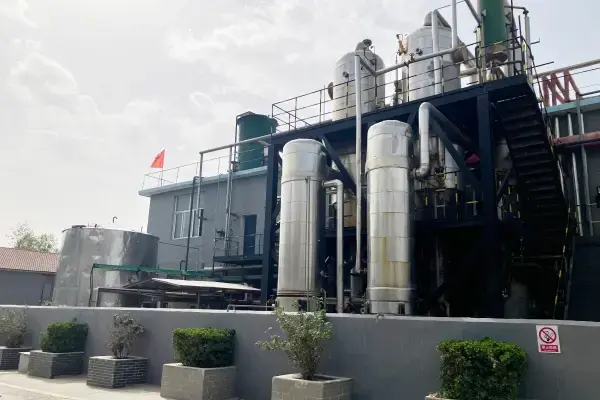
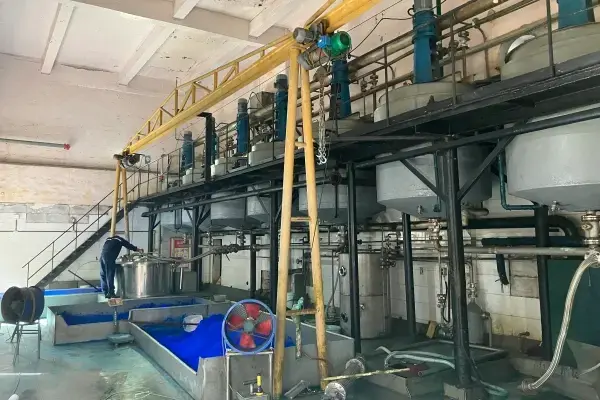
Setting up reliable Magnesium Nitrate supply lines involves doing a lot more than just getting price quotes from suppliers. Manufacturing that lasts for a long time shows that the business is stable; companies that have been making things for 20 years or more have shown that they can handle changes in the market and have gained process knowledge. Being honest about your finances is important: yearly earnings of more than 1 billion yuan and fixed assets worth 300 million yuan show that you can keep your volume promises and invest in good infrastructure.
The title of a provincial business technology center confirms the institution's ability to innovate and its government-recognized technical expertise. ICP-MS and atomic absorption spectrometers in advanced analytical laboratories let quality be checked in real time and custom specifications be made. Environmental treatment plants for nitrate wastewater and exhaust gas need to show they can follow the rules, which is becoming more and more important as rules get stricter around the world.
Logistics and Quality Documentation
When you buy something internationally, you need to make sure that the paperwork and shipping go smoothly. Shipments don't get held up when the exporter has all the necessary credentials, such as REACH pre-registration, accurate customs classification, and certifications for handling dangerous materials. For oxidiser classification, you need shipping partners who know how to handle Class 5.1 products and keep containers away from flammables the right way.
Customising the packaging with branded labels, international safety directions, and moisture-barrier materials helps customers follow the rules and keeps the brand's image consistent. Every package should come with a COA certificate that shows the test date and allows for group tracking. Free sampling tools (up to 500g) let you do quality testing before you commit to a certain amount of tonnes, which lowers the risk of specification mismatch. If you can predict lead times and keep enough inventory on hand, you can avoid production problems caused by supply gaps.
Volume Commitments and Partnership Models
Structured supply deals with bulk discounts, price stability methods, and consignment inventory setups are good for large users. No-MOQ policies make it easier to test new products and come up with new ideas. With direct factory sourcing, you don't have to pay markups to distributors, and you can still talk to production experts about technical issues. When the market is tight, multi-year contracts with annual volume commitments get you better pricing and capacity allocation. Distributors like it when sellers offer more than 60 different types of nitrate. This makes managing vendors easier and lowers the cost of transportation. When these partnership elements are added to transactional buying, they turn it into strategic buyer relationships that can handle changes in the market and help both parties grow.
Environmental Impact and Sustainable Practices in Magnesium Nitrate Usage
Production Footprint and Waste Management
Environmental duty is becoming more and more important in purchasing decisions. Closed-loop water recycling, nitrate wastewater recovery devices, and NOx pollution scrubbers are all used in modern Magnesium Nitrate production to reduce waste. Environmental management systems can be checked by a third party through ISO 14001 approval. Customers can meet the requirements for reporting Scope 3 emissions without having to buy extra compliance systems if the manufacturers' environmental infrastructure is already well-developed.
Waste minimisation protocols, such as recovering off-spec material, optimising yield ratios, and crystallisation that uses less energy, lower production costs and are better for the environment. Environmental reporting that is clear and includes measures like water and energy use per tonne helps with sustainability audits and ESG investment standards.
Sustainable Application Practices
Environmental care is helped by optimising end-use. When compared to widespread application of less soluble forms, precision fertigation with Magnesium Nitrate hexahydrate lowers fertiliser runoff. Controlled-release formulations and split-dosing procedures improve uptake while lowering the risk of groundwater pollution. As an alternative to more toxic or long-lasting compounds, catalysts can be used to make chemical synthesis routes that are cleaner. Biodegradable packing and programs that let you return containers cut down on waste that ends up in landfills. Customers can reach their environmental goals without sacrificing performance when they have technical support for application optimisation, such as calibration protocols, dissolution rate testing, and compatibility verification.
Conclusion
The chemical industry places a high value on Magnesium Nitrate Hexahydrate because of its special blend of chemical adaptability, cleanliness standards, and operating dependability. When procurement professionals work with suppliers that offer detailed quality systems, technical knowledge, and flexible supply models, they gain a competitive edge. Because the substance is so important for making catalysts, concentrating nitric acid, and doing speciality synthesis, supply chains need to be built on openness, compliance, and quick support. As quality standards rise and environmental rules get stricter, the decisions you make today about strategic sourcing will set the stage for tomorrow's operational resilience.
FAQ
Can magnesium nitrate hexahydrate mix with phosphate fertilizers in tank systems?
Insoluble magnesium phosphate is precipitated when high-concentration Magnesium Nitrate hexahydrate is mixed directly with phosphate compounds like MAP or DAP. For fertigation to work right, the dissolving tanks need to be kept separate (A/B tank systems), and mixing should only happen at the very end, when the mixture is very weak. This protocol keeps equipment from getting clogged and makes sure that all nutrients can reach target systems.
How does liquid magnesium nitrate solution compare to solid hexahydrate for industrial use?
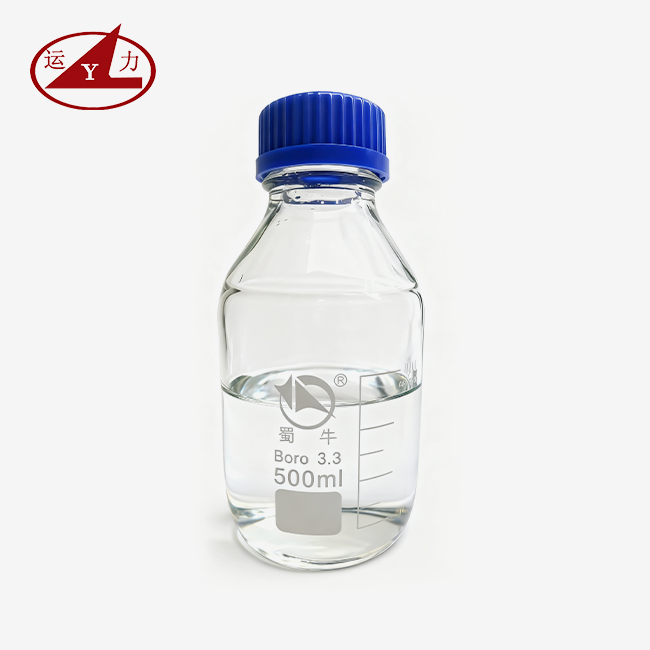
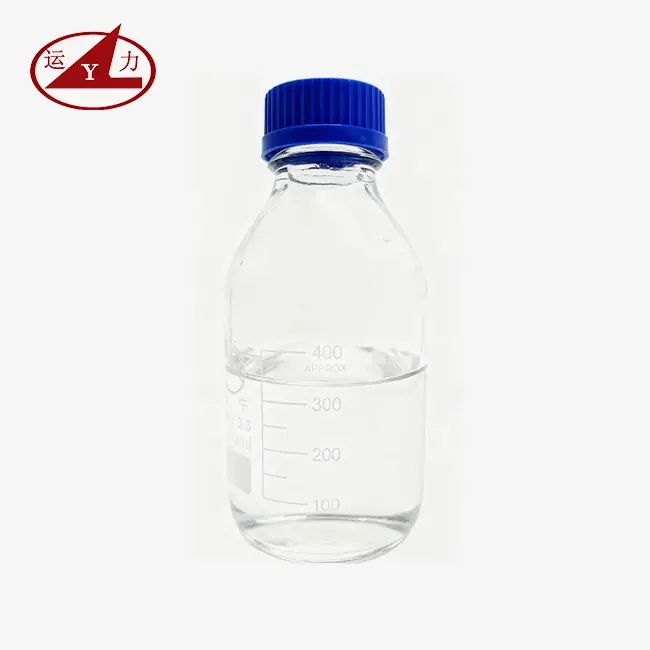
Liquid solutions (45–55% w/w) get rid of the need for melting steps that need to be done in-house, which saves time and money. They are easy to use because they are already diluted, and their density ranges from 1.35 to 1.55 g/cm³, which lets you do accurate volumetric dosing. Solid crystals have a longer shelf life, lower freight costs per unit of active ingredient, and more ways to make unique concentrations. The best file to use depends on the size and framework of the application.
What causes yellowing in stored magnesium nitrate solutions?
Yellow discolouration usually means that iron oxides have been dissolved due to rust in the container or trace breakdown of organic impurities. Minor discolouration doesn't usually affect how well something works in agriculture, but ICP analysis is needed for catalyst and pharmaceutical applications to be sure. Proper keeping in compatible materials (stainless steel, HDPE, FRP) and staying away from too much heat keep the product's integrity throughout its stated shelf life.

Partner with Yunli Chemical for Reliable Magnesium Nitrate Supply
Yunli Chemical has been making high-purity Magnesium Nitrate hexahydrate for more than 20 years and can meet the needs of demanding industrial applications. Our facilities are approved by ISO 9001, ISO 14001, and OHSAS, and they consistently provide high quality services. They are backed by the provincial technology center's research and development skills and advanced analytical labs with ICP-MS verification. We have pharma-grade clarity (≥99.5%) and can customise the iron level down to ≤10ppm. It comes in both solid crystal and liquid solution forms. When you buy directly from the factory, you cut out the middleman and keep all of the compliance paperwork, like MSDS, COA, REACH certification, and environmental permits.
You can choose from different packaging options, there is no minimum order size, and you can get free samples of up to 500g. Our skilled expert team helps with the creation of catalysts, the production of nitric acid, and the production of speciality chemicals. Get in touch with us at wangjuan202301@outlook.com to talk about your unique needs with a reliable Magnesium Nitrate manufacturer dedicated to supply chain greatness and long-term relationship success. You can look at all of our products at yunlichemical.com.
References
1. Smith, J.R., and Thompson, M.L. (2021). Industrial Applications of Nitrate Salts in Catalyst Manufacturing. Cambridge: Royal Society of Chemistry Publications.
2. Anderson, K.P. (2020). Chemical Properties and Safety Protocols for Oxidizing Agents in Industrial Settings. New York: Chemical Engineering Press.
3. Liu, H., and Patel, R. (2022). Sustainable Production Methods for Inorganic Nitrates: Environmental and Economic Analysis. Berlin: Springer Chemical Engineering Series.
4. National Institute of Standards and Technology (2023). Thermodynamic Properties of Magnesium Compounds: Reference Data. Washington, D.C.: U.S. Department of Commerce.
5. European Chemicals Agency (2022). REACH Compliance Guidelines for Nitrate Compounds in B2B Supply Chains. Helsinki: ECHA Technical Guidance Document Series.
6. Martinez, E.F., and Wong, S.C. (2021). Comparative Analysis of Magnesium Sources in Precision Agriculture and Hydroponics. Journal of Applied Chemical Research, Volume 45, Issue 3, pp. 287-312.