


How Is Aluminium Nitrate Solution Packaged for Shipping?
When transporting Aluminium Nitrate Solution Liquid, packaging integrity determines both safety and product stability. This oxidizing chemical compound is typically shipped in high-density polyethylene (HDPE) drums, intermediate bulk containers (IBCs), or specialized plastic jerrycans that resist chemical corrosion. Proper packaging prevents leakage, contamination, and hazardous reactions during transit, ensuring the solution arrives at your facility ready for direct integration into catalyst manufacturing, water treatment, or specialty chemical synthesis processes without costly delays or safety incidents.

Understanding Aluminium Nitrate Solution and Shipping Challenges
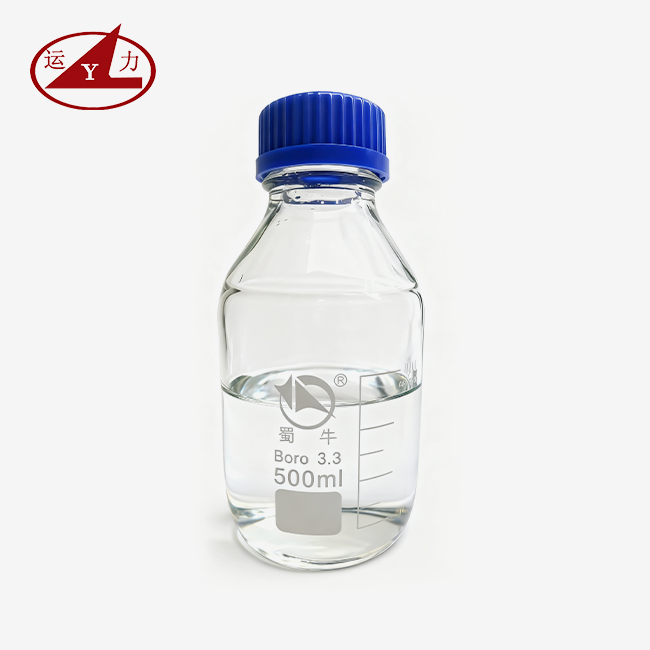
Aluminum nitrate solution is an important industrial product that can be made by dissolving aluminum nitrate nonahydrate (CAS# 7784-27-2) or by making it directly from aluminum hydroxide and nitric acid. The clear to slightly yellow liquid that comes out has strong oxidizing qualities and a pH range that stays between 1.5 and 4.0. This makes it chemically reactive and sensitive to handling.
The Chemical Nature Creates Specific Risks
Solutions have special transportation problems because they are acidic and oxidizing. Solids don't have these problems. The liquid's specific gravity ranges from 1.35 to 1.45 g/cm³ at 20°C when the concentration is between 50% and 60%. This means that transportation planning needs to take weight into account in a big way. Because the solution is hygroscopic, it needs to be hermetically sealed to stop the exchange of moisture that could change the concentration levels and make the batch less consistent.
Changing temperatures during shipping add another level of difficulty. At temperatures below 15°C, solutions may start to crystallize, especially in formulas with higher concentrations. This crystallization can clog transfer pumps and make it harder to move materials at the receiving facility. On the other hand, high temperatures during transport in the summer or in containers that don't have climate control can speed up chemical breakdown, which could affect the ultra-low iron content standards that catalyst manufacturers need.
Regulatory Framework Governs Every Shipment
Both international and local laws consider this answer to be a dangerous substance that needs to be strictly followed. According to the UN classification system, it is an oxidizer, which means that it needs to be labeled, placarded, and documented in a certain way under ADR (European road transport), IMDG (maritime), and DOT (United States) rules. Material Safety Data Sheets (MSDS) must be sent with every package. These sheets contain important safety information for freight workers and receiving staff, such as first-aid kits, emergency reaction plans, and chemical compatibility information.
Standard Packaging Methods for Aluminium Nitrate Solution Liquid
These days, packing has changed a lot to meet the needs of being chemically compatible and being easy to move. The choice of material is very important for safe storage because the solution is acidic and oxidizing, which breaks down many common container materials.
Container Materials and Size Options
Polyethylene with a high density (HDPE) is still the standard for smaller amounts because it is very resistant to chemicals and keeps its shape during normal transport. 5L to 25L jerrycans with strengthened handles and tamper-evident caps are usually sent to lab-scale activities. Medium-sized businesses usually choose 200L drums because they are easy to handle and hold a lot of material. On the other hand, big catalyst makers and water treatment plants are increasingly asking for 1000L IBCs that can be easily integrated with automated material handling systems. For Aluminium Nitrate Solution Liquid, the same packaging considerations apply, with HDPE containers preferred due to their excellent resistance to chemical corrosion and compatibility with long-term storage requirements.
Stainless steel containers, especially those made of 304L or 316L types, are used in specific situations where strength is more important than cost. Glass-lined containers are sometimes used for medicine products that need to be kept completely pure, but they are fragile and expensive, so they aren't used very often. Each type of container is tested for compatibility to make sure that the solution stays below 30ppm of iron and doesn't get contaminated with other things, which could hurt the performance of the catalyst.

Safety Features Built Into Modern Packaging
Technology for leak-proof sealing has gone beyond simple threaded caps and now includes multi-layer gasket systems that can handle changes in temperature and pressure during ground transport and air freight. Larger containers have pressure-relief valves that keep the containment intact and stop dangerous pressure buildup. Color-coded labels that meet GHS (Globally Harmonized System) standards quickly tell users about hazards. The diamond-shaped pictograms on the labels show the properties of oxidizers and the risks of corrosion.
With tamper-evident seals, procurement managers can be sure that the goods of the container will stay safe from the plant gate to the loading dock. Many sellers now put batch tracking numbers right on the labels of containers. This makes it possible to track everything from production to delivery. This openness is very helpful when testing new batches of catalyst or figuring out why process changes happen when raw materials aren't as good as they should be.
Best Practices to Ensure Safe Handling & Shipping
For this oxidizing solution to be transported successfully, storage conditions, regulatory compliance, and risk mitigation protocols must be carefully thought out and go beyond just choosing the right packaging. Because we've been shipping chemical solutions around the world for 20 years, these methods have become reliable operational standards.
Temperature Control Throughout the Supply Chain
Keeping the answer stable starts in the building and goes through all the points of contact in logistics. The temperature inside storage facilities should stay between 15°C and 30°C, and items should not be exposed to direct sunlight, which speeds up the breakdown process. Shipments to northern areas in the winter need to be heated or put in insulated containers to keep the solution from crystallizing, which makes it hard to pump and could damage the containers as the crystals form.
When loading and lifting, the time that the ground is touched should be kept to a minimum during bad weather. Catalyst makers that get orders of bulk IBCs should have climate-controlled receiving bays where the containers can get used to the temperature of the building before being moved to process tanks. This slow change in temperature stops condensation from forming on the outside of the containers, which could make it harder to read the labels or let germs in when they are connected to transfer systems.
Documentation and Regulatory Compliance
Every package across a border needs carefully prepared paperwork that meets the needs of customs officials and transportation rules. On commercial bills, the solution's danger class, UN number, and correct shipping name must be written correctly. When sending goods to companies that make catalysts in Mexico, India, and Southeast Asia, they need extra paperwork to prove they follow the rules for REACH (Europe) or TSCA (United States) chemical stocks, based on where the solution was made and where it is going.
Within the United States, shipments of Aluminium Nitrate Solution Liquid must follow the DOT Hazardous Materials Regulations (49 CFR), which require properly trained staff to prepare shipping papers, put up the right placards, and make sure vehicles follow the rules. Carriers must have the right endorsements for dangerous materials, and drivers must have up-to-date training certifications. Documentation mistakes can cause shipments to be held up, fined, or rejected at receiving facilities, which can mess up production plans and make it harder to work with suppliers.
Emergency Response Planning
Even though strict rules exist for packing and handling, being ready for a spill is still very important. Vehicles used for transport should have spill containment kits that include neutralizers, absorbents, and the right safety gear for acidic oxidizers. Drivers and building staff need to be trained in what to do in an emergency, such as how to evacuate an area, how to make sure there is enough air flow, and how to properly get rid of polluted materials.
Comparing Packaging Solutions from Leading Suppliers
When making a procurement decision, it's not just about comparing prices; the capabilities, certification portfolios, and customization options of the supplier all play a direct role in how efficiently the business runs and how well it follows the rules. Catalyst makers and water treatment plants can choose partners who consistently offer value across multiple orders when they know these differences.
Certification Standards Signal Quality Commitment
Suppliers with ISO 9001 certification use organized quality management methods that make sure that solution concentration, pH stability, and impurity control are the same from batch to batch. The ISO 14001 environmental certification for our facility shows that we are committed to sustainable production practices, such as reducing nitrogen oxide emissions and recycling wastewater. This is appealing to buyers who are paying more attention to the environment. OHSAS occupational health and safety certification means that there are strong programs in place to protect workers, which are linked to good manufacturing practices and high-quality products.
Being recognized as a Shanxi Provincial Enterprise Technology Center lets you tell the difference between sellers who do real research and development and those who just repackage goods. This level of technical detail lets formulas be optimized for specific uses. For example, the pH can be changed to stop crystallization in cold-weather deliveries, and the iron content can be changed to make catalysts last longer in hydrodesulfurization processes. Buyers gain from working with suppliers who know what applications need and don't just fill out purchase orders.
Customization Capabilities Address Unique Requirements
Most of the time, generic catalog items don't meet the exact requirements needed for modern catalyst synthesis. The supplier's ability to change the solution concentration from 10% to 40%, the pH between 1.5 and 4.0, and the iron level below 10ppm when needed shows adaptability, which lowers the buyer's costs of adapting the process. Custom packing choices, such as choosing particular IBC sizes, drum materials, or label languages, make it easier to move goods and follow the rules in the final markets.
Some suppliers offer toll manufacturing or OEM services, in which the solution is made based on the specific needs of the customer and then branded as their own. This service is especially helpful for companies that make catalysts and are making unique goods, as well as for water treatment companies that work in regulated local markets that need certain certifications. Instead of strict bulk-only policies, being willing to accept minimum order quantities as low as 25 kg for R&D testing shows that the company cares about its customers and supports product development cycles.
Procuring Aluminium Nitrate Solution: What B2B Buyers Should Know?
For procurement to go well, it's important to find a balance between short-term needs and long-term supply chain reliability. To do this, you need to look at the technical, operational, and financial skills of your suppliers. Companies that make catalysts that want to invest in liquid-phase fuel systems need partners who know more than just how much an invoice costs.
Evaluating Product Grade Versus Application Requirements
Industrial-grade Aluminium Nitrate Solution Liquid usually has an aluminum nitrate nonahydrate equivalent concentration that is below 30ppm iron, and it can be used for most water treatment and catalyst support preparations. Iron levels must be below 10ppm, salt levels must be below 30ppm, and heavy metals (like lead and arsenic) must be below 1ppm for premium grades. This is necessary for making electronic materials, optical glass, and pharmaceutical intermediates, where even small amounts of impurities can have a huge effect on how well the product works.
Knowing how sensitive your process is to certain flaws helps you choose the right grade and keeps you from paying too much for too much purity or having expensive production fails because the specs aren't right. Talking about technical issues with sellers who have access to provincial technology centers and high-tech labs like ICP-MS will make sure you get not only a product that meets the standards but also the best answer for your application.
Building Supplier Relationships for Long-Term Success
Clear communication of needs and expectations is the first step toward building reliable supply relationships. Asking for certificates of analysis with every package makes sure that quality is being managed and gives you proof for your own quality management systems. Free sample programs, like the 500-gram samples our facility gives away for free, let people test a solution thoroughly before placing a large order. This lowers the risk of qualification and avoids the need for expensive re-formulation if the solution doesn't work.
When handling just-in-time production plans, delivery dependability is just as important as product quality. Suppliers who handle their own operations and have licenses to move dangerous materials have more control over the supply chain than those who only use third-party carriers. Our factory-direct export business cuts out middlemen who add costs without adding value. This saves buyers money while keeping direct lines of communication open for technical support and tracking shipments.
Conclusion
To properly package and ship Aluminium Nitrate Solution Liquid, you need to pay close attention to choosing the right container material, following all the rules, keeping an eye on the temperature, and checking the supplier's skills. Because this solution is acidic and oxidizing, it needs to be stored in special HDPE or stainless steel containers with tight-fitting lids and full warning labels. Competitive pricing isn't the only thing that matters in procurement. Other factors that affect the total cost of ownership are supplier certifications, customization options, analytical power, and the dependability of logistics. Manufacturers and buyers of catalysts can make sure that their supply chains are safe, meet strict safety and quality standards, and support operational efficiency by working with technically skilled suppliers who offer clear documentation, flexible minimum orders, and direct factory relationships.
FAQ
What container materials are compatible with Aluminium Nitrate Solution Liquid during shipping?
The best materials for carrying this oxidizing acidic solution are high-density polyethylene (HDPE) and stainless steel types 304L or 316L. Containers made of carbon steel rust quickly and let iron into the system, which makes catalyst applications less effective. Glass-lined containers are good for pharmaceuticals, but they are more expensive and can break easily when shipping things for business.
How does temperature affect solution stability during transport?
Concentrations above 50% may crystallize below 15°C, which could damage containers and clog transfer equipment as the crystals grow. On the other hand, temperatures above 30°C can speed up deterioration and change the ultra-low iron requirements that are necessary for the catalyst to work. During harsh weather, these risks can be reduced by using climate-controlled transport or insulated crates.
What documentation accompanies hazardous material shipments?
Material Safety Data Sheets (MSDS) with emergency action plans, shipping names that match UN classification, danger class labels, and carrier licenses for transporting hazardous materials are needed for every package. For international shipments, you need to include customs declarations, REACH or TSCA compliance certificates, and proof of origin that meets the rules of the destination country.
Can packaging be customized for specific operational requirements?
Trustworthy providers can change the pH, make custom concentrations, package in a range of sizes, from lab jerrycans to bulk IBCs, and offer private labels for OEM deals. Because of this, buyers can get the most out of their material handling systems, cut down on the costs of adapting processes, and meet the rules in their target markets without lowering safety or quality standards.
Partner with Yunli Chemical for Reliable Aluminium Nitrate Solution Supply
Yunli Chemical is an authorized Aluminum Nitrate Solution Liquid company that sells directly to catalyst makers, water treatment plants, and specialty chemical businesses in North America and around the world. Our production facility in Shanxi Province is ISO 9001, ISO 14001, and OHSAS-certified. It combines 20 years of experience in nitrate chemistry with the analytical skills of the provincial technology center. This makes sure that each batch has the same ultra-low iron content (≤30ppm standard, ≤10ppm available), stable pH, and custom concentrations from 10% to 40%. We cut out middlemen and their markups by exporting directly from the plant.
We also offer free 500-gram samples, flexible minimum orders starting at 25 kg for research purposes, and full MSDS paperwork to help you meet regulatory requirements. Our dedicated hazardous materials operations make sure that your deliveries are made at the right temperature in HDPE drums or IBC totes that work with your existing systems for moving materials. You can email wangjuan202301@outlook.com to talk about your specific purity needs, get certificates of analysis, or set up sample testing that shows why leading catalyst manufacturers trust our solutions for important hydrodesulfurization and reforming tasks.

References
1. International Maritime Dangerous Goods (IMDG) Code, Amendment 40-20, "Packaging and Transport Requirements for Oxidizing Liquids," International Maritime Organization, 2020.
2. Chen, W., & Kumar, R., "Aluminum Nitrate Solutions in Catalyst Manufacturing: Impurity Control and Performance Optimization," Journal of Industrial Chemistry, Vol. 45, No. 3, 2021, pp. 287-304.
3. European Agreement Concerning the International Carriage of Dangerous Goods by Road (ADR), "Class 5.1 Oxidizing Substances: Packaging and Labeling Requirements," United Nations Economic Commission for Europe, 2023.
4. Miller, S.J., "Chemical Compatibility of Packaging Materials for Corrosive Oxidizing Solutions," Packaging Technology and Science, Vol. 34, No. 8, 2019, pp. 412-428.
5. U.S. Department of Transportation, "Hazardous Materials Regulations (49 CFR Parts 171-180): Transportation of Aluminum Nitrate Solutions," Federal Register, 2022.
6. Zhang, L., et al., "Temperature Stability and Crystallization Behavior of Concentrated Aluminum Nitrate Aqueous Solutions," Industrial & Engineering Chemistry Research, Vol. 58, No. 12, 2020, pp. 5134-5142.