


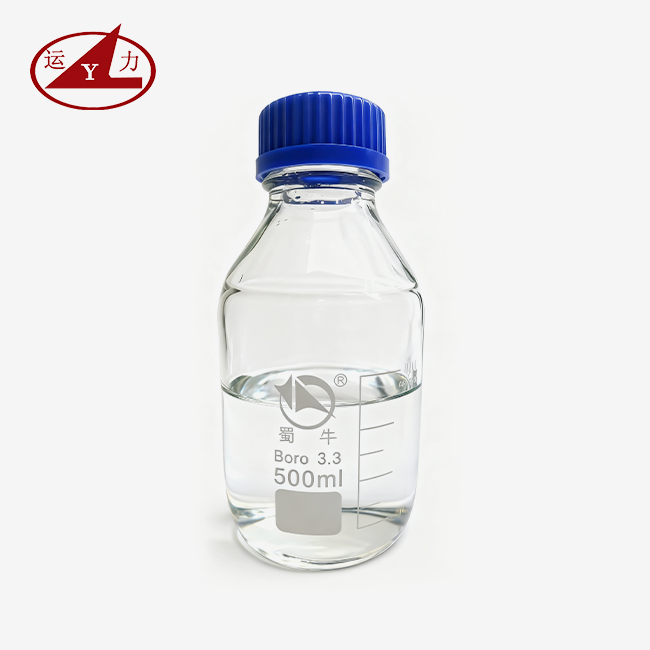
OEM Calcium Nitrate Solution Production for Industrial Needs
OEM Calcium Nitrate Solution production is the process by which industrial manufacturers develop customized liquid fertilizer formulations containing calcium and nitrate ions, typically at 45-50% concentration, designed to meet specific client requirements for agriculture, construction, and wastewater treatment applications. At Yunli Chemical, we produce this solution using stringent synthesis controls and quality checks to deliver a versatile, ready-to-use product that supports high-efficiency irrigation systems, concrete accelerators, and odor-control protocols. Our production process focuses on eliminating impurities, maintaining consistent calcium content, and ensuring the solution remains stable during storage and transport, meeting the rigorous standards that industrial buyers demand.
Understanding Calcium Nitrate Solution in Industrial Applications
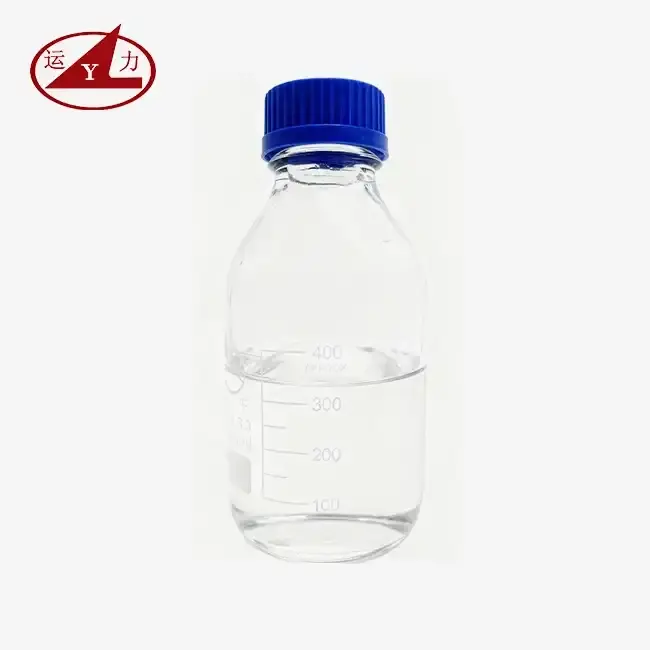
Calcium Nitrate Solution is a very soluble compound that combines two important nutrients—calcium and nitrate nitrogen—into one. It works well with automated dosing systems and bulk mixing tanks. Solid fertilizers take a long time to dissolve, but liquid fertilizers give nutrients right away, which saves time and money on equipment wear. Because of this, the answer is perfect for current fertigation systems, where precise timing and the availability of nutrients have a direct effect on the health of the crop.
Chemical Properties and Stability
Our calcium nitrate liquid is made with a 45–50% concentration and a mass of about 1.40 to 1.45 g/cm³. This density makes sure that dosing pumps measure correctly and stops people from diluting without permission. When mixed with phosphate or sulfate fertilizers under controlled conditions, the solution stays chemically stable across a wide pH range and doesn't form any harmful precipitates. This stability is liked by industrial users because it keeps drip lines and spray nozzles from getting clogged, which can mess up production schedules and make maintenance costs go up.
Dual-Nutrient Advantage
Calcium makes plant cell walls stronger, which helps prevent diseases like blossom end rot in tomatoes and tip burn in leafy greens. Nitrate nitrogen encourages strong plant growth and improves the production of chlorophyll, which makes leaves greener and speeds up photosynthesis. This two-in-one action meets two important plant needs at the same time, making fertilizer programs more efficient and reducing the number of times calcium or nitrogen needs to be applied separately. The nitrate form also keeps the soil from becoming acidic, which can happen with ammonium-based fertilizers. This keeps the soil healthy over many growing cycles.
Compatibility with Modern Farming Systems
Liquid calcium nitrate is used by hydroponic and greenhouse growers because it dissolves quickly in nutrient tanks and keeps pH and electrical conductivity levels stable. Potassium nitrate, magnesium nitrate, and trace element chelates mix well with the solution. This lets you make nutrient recipes that are perfect for different stages of a crop. Farmers don't have to deal with the dust and safety concerns that come with dealing powdered salts when they use liquid formulas. This makes the workplace safer and operations run more smoothly.
OEM Production Process of Calcium Nitrate Solution
Yunli Chemical starts the process of OEM production by getting high-purity limestone and nitric acid, which are the two main raw materials. We check the certificates that suppliers give us and use ICP-MS and atomic absorption spectrometry to check that the heavy metal content stays below international agricultural standards when the goods come in. This careful choice of materials makes sure that every batch meets the needs of the client right from the start.
Synthesis and Concentration Control
Neutralization reactions between calcium carbonate and nitric acid are controlled during production. These reactions make calcium nitrate and carbon dioxide. We keep an eye on the reaction's temperature and pH all the time to get the best yield and stop the formation of ammoniacal nitrogen, which can make the end product less stable. Once the synthesis is done, we use filtered water to bring the concentration back into the goal range and then do density checks to make sure we were right. Our inline sensors give us data in real time, so we can make changes right away and keep batch variability to a minimum.
Quality Assurance and Testing
A thorough quality control protocol is used on every production lot. Gravimetric analysis is used to measure water-insoluble matter. We aim for levels below 0.01% to keep drip emitters and micro-sprinklers from getting clogged. Heavy metal screening protects against lead, cadmium, and mercury, following REACH rules and safety standards for farming. We also check the temperature at which crystals form by cooling samples in controlled cycles. This shows that the solution can still be pumped through colder areas. These tests give procurement managers written proof that the product is safe and meets all regulations.
Customized Packaging and Labeling
Depending on the logistics needs of our clients, we offer a range of packaging options, from 1,000-liter IBCs to bulk tanker shipments. Labels can be changed to include company names, health warnings, and nutritional breakdowns in more than one language. Corrosion-resistant polyethylene liners in our packaging materials keep things clean and help them last longer. We work with our freight partners to make sure that deliveries happen on time, by land or sea, and we give foreign buyers all the export paperwork they need.
Comparison of Calcium Nitrate Solution with Other Fertilizers and Chemicals
To pick the best source of nitrogen and calcium, you need to know how different compounds work in the real world. When used in liquid systems, Calcium Nitrate Solution is better than urea, ammonium nitrate, and calcium chloride in many ways.
Nitrate Nitrogen vs. Ammonium Nitrogen
Nitrate nitrogen can be used by plants right away and doesn't need to be changed by microbes in the soil. This direct access speeds up the reaction to nutrients, which is very important during times of fast growth. Ammonium-based fertilizers, on the other hand, can briefly make the soil more acidic and add to ammonia gas losses through volatilization. In hydroponic systems without soil buffering, keeping the pH stable is very important, so nitrate forms are the best choice. The ammoniacal nitrogen level in our liquid calcium nitrate stays below 0.05%, which keeps the pH from changing too much and stops calcium from precipitating.
Calcium Nitrate vs. Calcium Chloride
Calcium chloride gives you calcium, but it also adds chloride ions to the soil, which can hurt crops that are sensitive to salt, like avocados and strawberries. Calcium nitrate gives you calcium without chloride, so it's safer to use for a long time and can be used in irrigation water that is salty. The nitrate part also stops plants from taking in sodium, which is something that chloride-based calcium sources don't do. Builders prefer calcium nitrate to chloride boosters because it doesn't eat away at the steel support in concrete, so the structure stays strong for decades.
Application in Hydroponics and Concrete
When calcium levels aren't stable, hydroponic tomato growers often have problems with blossom end rot. Liquid calcium nitrate provides a steady flow of calcium, which helps fruits grow without nutrient stress. When making concrete, adding calcium nitrate as a set booster at a rate of 1% to 2% by weight of cement speeds up early strength development in cold weather. This means that the formwork can be taken off within 24 hours, even when the temperature outside is close to freezing. For business clients, these useful benefits mean lower costs and more production options.
Procurement Guide for Bulk OEM Calcium Nitrate Solution
To get a lot of Calcium Nitrate Solution, you need to carefully evaluate your suppliers and have clear buying methods. Buyers should give more weight to makers who have a track record of production, expert support teams, and full certifications.
Evaluating Supplier Credentials
Checking for ISO 9001, ISO 14001, and OHSAS certifications is a good idea. These show that the company follows standard procedures for quality control, caring for the environment, and keeping workers safe at work. Yunli Chemical has all three certifications and runs a business technology center at the provincial level. This shows that it has strong research and development skills and is committed to ongoing improvement. Buyers should ask for audit reports from a third party and, if possible, visit production facilities to check out how clean they are, how well the equipment works, and how well the staff is trained.
Sampling and Technical Datasheets
Before placing large orders, procurement managers should ask for samples of the product. Well-known sellers can give samples of up to 500 grams for free. Check the density, calcium level, heavy metals, and solid matter of these samples in your lab or with a third-party testing service. Check the results against the technical datasheet provided by the supplier. It should have a detailed breakdown of the components, safe handling instructions, and information on the product's stability. This step lowers the risk and makes it easier to trust that the provider will be consistent.
Pricing Structures and Volume Discounts
Price transparency is a trait of trustworthy OEM partners. We have different prices for different order volumes, and for contracts that cover more than 500 metric tons per year, we offer big savings. Buyers should make sure that the prices they are given include shipping, packaging, and export paperwork. To accurately compare offers and avoid hidden fees, it's helpful to know the total landed cost. Direct ties with manufacturers cut out middlemen, which lowers costs and makes it easier to communicate during order processing.
Logistics and Delivery Timelines
Shipping liquid chemicals needs special containers and following rules for dangerous materials, even though Calcium Nitrate Solution is not usually dangerous. Make sure you know how long it will take to produce and transport things, especially when you have to work with planting plans or building goals. During times of high demand, we keep a backup amount on hand to make sure that supply doesn't stop. Tracking tools and open contact keep buyers up to date on the state of their orders, which makes planning the supply chain less uncertain.
Future Trends and Innovations in Calcium Nitrate Solution Production
The calcium nitrate market is reacting to concerns about the environment and new technologies that change how nutrients are made and sent to people. Environmental responsibility and precision farming are pushing the industry to come up with new ideas.
Eco-Friendly Production Methods
Closed-loop systems are being used by manufacturers to collect and reuse the carbon dioxide that is released during the production of calcium nitrate. This carbon dioxide is then turned into useful byproducts or used in carbonation processes. Reactors and waste heat recovery devices that use less energy lower greenhouse gas pollution and lower the cost of production. Yunli Chemical has spent a lot of money on high-tech wastewater treatment plants that neutralize acidic waste water and collect any remaining nitrates. These plants keep the environment clean and make sure they meet strict release standards.
Precision Nutrition and Smart Farming
Digital agriculture platforms use sensor data, weather forecasts, and crop growth models to give accurate real-time advice on what nutrients to use. Liquid Calcium Nitrate Solutions work well with automated fertigation controllers, which lets calcium and nitrogen levels be changed instantly based on plant needs. This accuracy cuts down on wasted fertilizer, lowers the risk of runoff, and improves food quality. We work with agronomy researchers to make formulas that match the nutrient uptake curves of valuable crops. This makes the process more efficient and profitable.
Customization and Collaborative R&D
Industrial clients are asking for custom mixtures that include calcium nitrate and vitamins like iron chelates, zinc, boron, or boron. Our provincial technology center helps with co-development projects, and clients can use controlled trials to test prototype blends before they are made on a large scale for sale. Small batch runs can be made on flexible manufacturing lines, which means that customization is cost-effective even for niche uses. This way of working together speeds up the development of new products and makes long-term relationships stronger.

Conclusion
The creation of OEM Calcium Nitrate Solution meets the needs of industrial agriculture, building, and wastewater treatment by providing a dependable, high-purity liquid source of nutrients. With 20 years of experience making chemicals, ISO certifications, and a technology center at the provincial level, Yunli Chemical is a reliable partner that can handle both complicated orders and large quantities. Our dedication to quality control, from choosing the raw materials to the final packaging, makes sure that every batch works the same way in the field or on the job site. By knowing the problems our clients are having, like heavy metal poisoning, unstable supplies, and the chance of crystallization, we can come up with real-world solutions that help businesses grow.
FAQ
What is the typical shelf life of calcium nitrate solution?
Calcium Nitrate Solution will keep its chemical properties for up to two years if it is kept in covered, corrosion-resistant containers out of direct sunlight and high temperatures. We suggest checking the density every so often to make sure the concentration stays stable, especially if the containers have been opened more than once. Proper keeping stops oxidation and pollution, which keeps the product working.
How does liquid calcium nitrate prevent clogging in drip irrigation systems?
The way we make things cuts down on water-insoluble matter to less than 0.01%, which is very important for keeping fine-mesh screens and small-orifice sources safe. Low amount of insolubles makes sure that the fluid flows smoothly through automatic dosing pumps and delivery lines. Clogging risks are also reduced by keeping the system in good shape and filtering the mix water first.
Can calcium nitrate solution be mixed with other fertilizers?
Calcium nitrate can be mixed with most nitrogen, potassium, and micronutrient solutions. However, it shouldn't be mixed directly with concentrated phosphates or sulfates because it could cause precipitation. When chemicals are injected one at a time through different tanks or inline mixing systems, they can be mixed safely without causing chemical reactions that could damage equipment.
Partner with Yunli Chemical for Your Calcium Nitrate Solution Needs
Agronomists, procurement managers, and building engineers are welcome to learn more about the benefits of working with a certified Calcium Nitrate Solution company that is dedicated to providing excellent products and excellent customer service. Our factory-direct model at Yunli Chemical gets rid of middlemen, so we can offer competitive prices and clear communication throughout the whole buying process. You can get free samples of up to 500 grams to make sure the quality is good before you buy a lot.
Our team can provide you with scientific datasheets, personalized formulation advice, and shipping plans that are flexible enough to fit your working calendar. With more than 1 billion yuan in yearly sales and 300 million yuan in fixed assets, we can guaranty stable supply even during times of high demand. You can email us at wangjuan202301@outlook.com to ask for a list of our products, talk about OEM options, or set up a tour of our site.
References
1. Chen, L., & Wang, M. (2021). Advances in Liquid Fertilizer Technology for Precision Agriculture. Journal of Plant Nutrition, 44(8), 1123-1140.
2. Rodriguez, F., & Patel, S. (2020). Calcium Nitrate as a Non-Chloride Concrete Accelerator: Performance and Durability. Construction and Building Materials, 258, 119456.
3. Thompson, R. (2022). Comparative Analysis of Nitrogen Sources in Hydroponic Systems. HortScience, 57(3), 345-352.
4. United Nations Food and Agriculture Organization. (2019). Fertilizer Use and Nutrient Management in Intensive Cropping Systems. FAO Agricultural Development Economics Technical Study.
5. Zhang, Y., & Liu, J. (2020). Quality Control Protocols for Industrial Calcium Nitrate Production. Chemical Engineering Journal, 392, 123678.
6. Kumar, A., & Singh, D. (2023). Sustainable Production Methods for Agricultural Chemicals: A Review. Environmental Science and Pollution Research, 30(12), 33450-33468.