


How to Verify Chromium Chloride Hexahydrate Purity Levels
Verifying chromium chloride hexahydrate purity involves laboratory analysis using techniques such as titration to measure chromium content, inductively coupled plasma optical emission spectrometry (ICP-OES) for trace metal detection, and moisture determination via Karl Fischer titration. Purchasing managers should always request a Certificate of Analysis (CoA) that specifies total chromium percentage, hexavalent chromium levels (which must be near zero for regulatory compliance), and profiles of common impurities like iron, sulfate, and insoluble matter. These verification steps protect your operations from batch inconsistencies and ensure that the material meets strict performance and environmental standards required in trivalent chrome plating and catalyst production.
Introduction
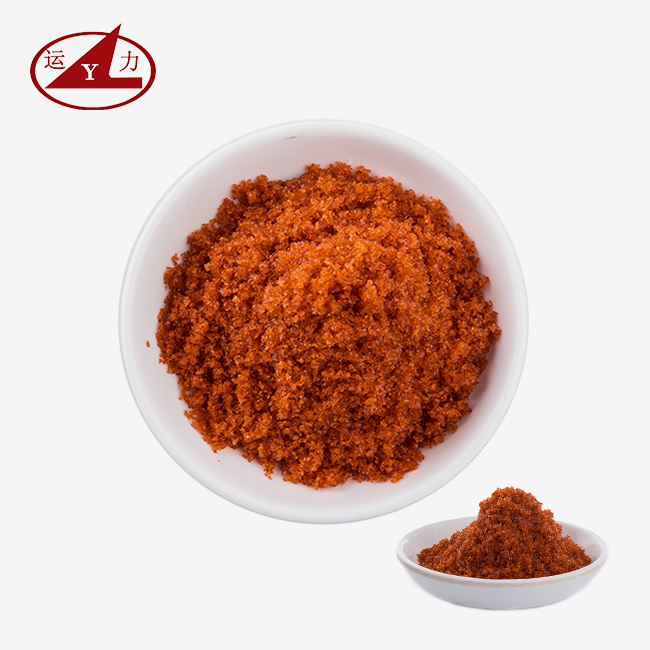
As manufacturers are pushed by regulators to stay away from dangerous hexavalent chromium alternatives, trivalent chromium compounds have become essential in many fields. CrCl₃·6H₂O is a dark green solid substance with the formula CrCl₃·6H₂O and a molecular weight of 266.45 g/mol. It is an important raw material for electroplating, making catalysts, dyeing textiles, and making pharmaceutical intermediates. It melts between 86°C and 90°C, and it dissolves easily in water and ethanol, making acidic solutions that can be used in many chemical processes.
Purity verification isn't just a formality for quality control; it's also a strategic safeguard for operational efficiency and compliance. Impurities like too much iron or hexavalent chromium can stop catalysts from working, make the electroplating bath less stable, and cause violations of rules like RoHS and REACH. Engineers and people who work in procurement need to know how to test things, spot problems in supplier paperwork, and set up strong quality control processes. This piece talks about useful methods for checking that are made for B2B buying, making sure that every batch meets the high standards your production needs.
Understanding Chromium Chloride Hexahydrate Purity
What Defines Purity in Chemical Procurement?
Purity is the mass percentage of the goal chemical that is free of impurities that make it less safe or effective. When chromium salts are used for electroplating or catalysis, even small amounts of impurities can change how fast reactions happen, how long equipment lasts, and how good the final product is. Chromium Chloride Hexahydrate that is sold in stores usually has a purity level above 98%. For specific uses, though, grades above 99.5% with tightly managed impurity profiles are needed.
Common Impurities and Their Sources
Metals like iron (Fe), nickel (Ni), and copper (Cu) are made when raw materials get contaminated or when reactors rust during production. A high iron content—often the most troublesome impurity in trivalent chromium compounds—makes plating baths cloudy and lowers the efficiency of the cathode. If the electrolyte isn't cleaned properly, sulfate ions (SO₄⁻) can get into it and stop it from conducting electricity. This limits the bright plating range for decorative chrome uses. When the moisture level goes above stoichiometric levels, it means that the drying process wasn't done well, which can cause dosing mistakes and clumping during storage. When procurement teams look at suppliers, knowing about these impurity pathways helps them ask more specific questions.
Industry Purity Standards and Benchmarks
Standard industrial grades list things like the amount of chromium they contain (19.0–20.5% on average), the amount of matter that doesn't dissolve in water (≤0.01%), and the pH levels of 5% aqueous solutions (2.0–3.0). High-purity chemical grades must meet ACS standards, which say that sulfates must be less than 0.02% and iron must be less than 50 ppm. Buyers in the electronics or medicine industries often need papers that say the amounts of arsenic and lead are less than 2 parts per million (ppm). This is in line with FDA rules and semiconductor manufacturing standards. By knowing these standards, you can tell the difference between quality differences that are acceptable and those that pose an operational risk.
Methods to Verify Chromium Chloride Hexahydrate Purity
Laboratory Analytical Techniques
There are a number of methods that work together to give complete profiles of purity. Titration is still the best way to find out how much total chromium is present because it can be accurate to within 0.2%. Atomic absorption spectrometry, or ICP-OES, measures trace metals and finds iron, nickel, and other toxins at parts-per-million amounts. X-ray fluorescence (XRF) is a quick screening tool, but it needs to be calibrated against approved reference materials to be accurate. To make sure the hexahydrate stoichiometry is correct, Karl Fischer titration is used to measure the amount of water present. Finding the melting point is a quick and thorough way to check for impurities or wrong hydration states; departures from the 86–90°C range are signs of this.
Interpreting Certificates of Analysis
When a reputable maker issues a COA, it lists important quality factors backed up by data from checking each batch separately. Checking that test methods match recognized standards (ASTM, USP, or internal validated protocols) is the first step in a good CoA interpretation. Make sure the amount of chromium matches the expected value given by the molecular formula. This number is usually around 19.5%. To pass environmental compliance audits, hexavalent chromium levels must be shown to be either undetectable or below the legal limits (often less than 2 ppm). Specifying matter that doesn't dissolve in water protects later processes from particle contamination that leads to surface flaws in electroplating. As part of the initial seller qualification process, buyers should compare promises made on the COA with tests done by a third party.
Comparing Different Chromium Salt Forms
Anhydrous chromium(III) chloride, which looks black and doesn't dissolve well in water, is very different from the hexahydrate form. Because it is kinetically neutral, anhydrous chromium chloride is not good for most commercial uses that need it to dissolve quickly. Different types of chromium nitrate and acetate can contain different kinds of impurities. Nitrates can have leftover acids that make the pH unstable, while acetates can contain organic contaminants. Knowing these differences helps buying teams choose the best source of chromium for each process and plan for the verification goals that go along with it.
Practical Steps to Perform Purity Verification in Procurement
Selecting Reliable Suppliers with Transparent Documentation
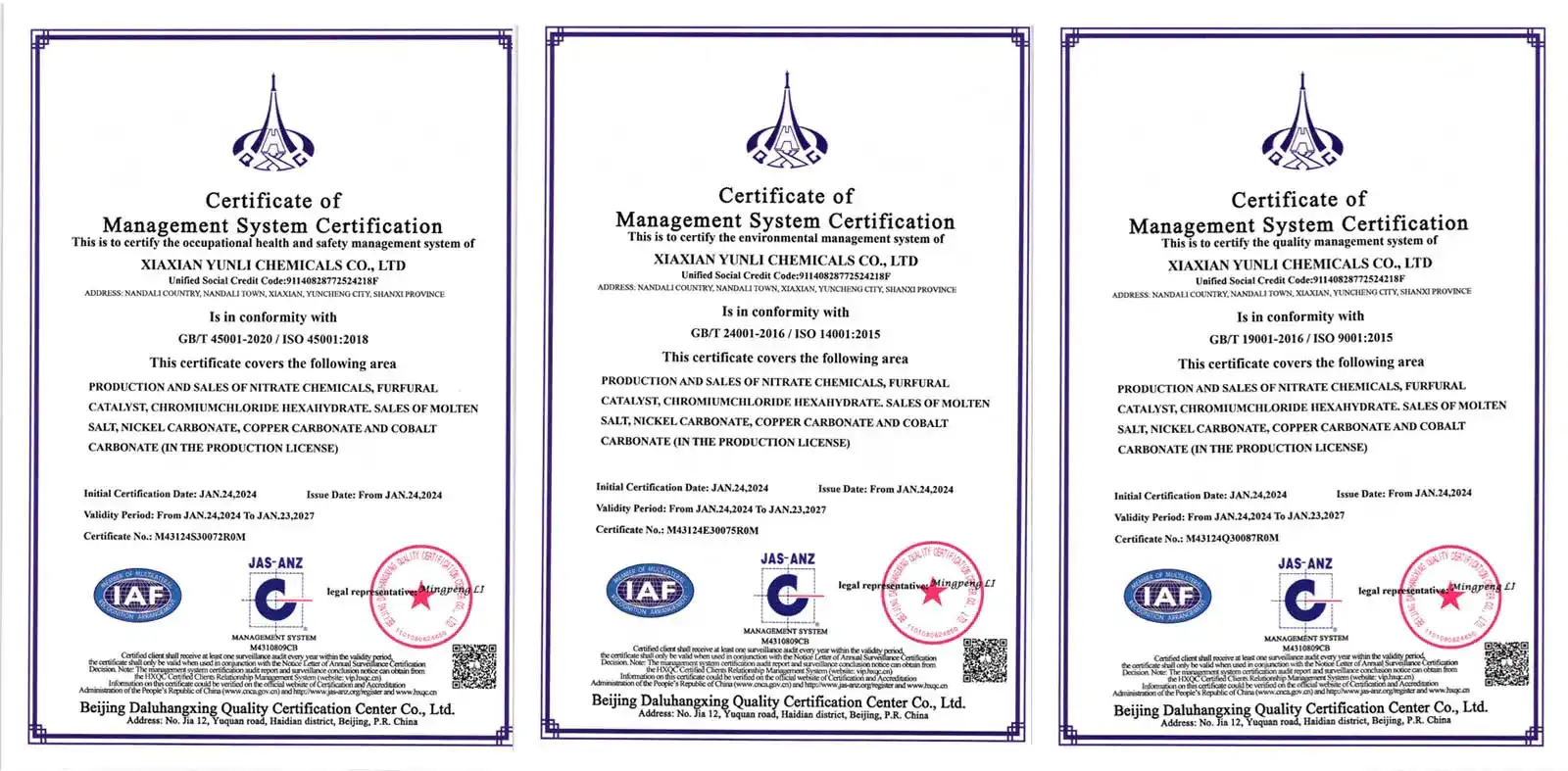
Integrity in the supply chain starts with qualifying suppliers based on their testing facilities, production capacity, and certification status. Companies that are recognized by ISO 9001, ISO 14001, and OHSAS show that they care about quality management and the environment. Advanced analysis skills are usually kept by companies that are recognized by regional industry authorities as provincial or national technology centers. Ask for facility audit reports, customer references from businesses in the same line of work, and proof that quality improvement efforts are still going on. Sharing specific production processes and impurity control measures in an open way is a sign of a partner that you can work with for a long time.
Conducting In-House and Third-Party Testing
Independent proof is still a good idea, even if the seller has a lot of paperwork. This is especially important when switching suppliers or increasing the amount of goods you buy. Build ties with third-party labs that are accredited and have experience analyzing inorganic salts. When testing a sample for the first time, it should be checked for all kinds of impurities, hexavalent chromium, and physical properties. After the initial testing, regular sampling can be based on risk. For example, sampling can happen every three months for suppliers with a history of reliability and once a month for suppliers who are still being tested. Using portable XRF or colorimetric kits for in-house testing allows for quick "go" or "no-go" screening, while ICP-OES analysis is saved for problems or disagreements over contracts.
Storage and Handling Protocols
Chromium Chloride Hexahydrate is hygroscopic, which means it easily absorbs water from the air around it and forms clumps that make it harder to weigh and dissolve. Keeping things in sealed, watertight containers in controlled-humidity areas (ideally below 60% RH) is the best way to keep them pure and make them last longer. There are different ways to package things, such as 25 kg moisture-barrier bags, IBC containers with nitrogen blanketing, or bulk liquid recipes. Each one has pros and cons when it comes to handling ease and contamination risk. Using clear labeling rules, rotating inventory, and special storage areas for chromium compounds can help keep them from getting contaminated or breaking down.
Case Studies: Purity Verification in Real-World B2B Procurement
Troubleshooting Electroplating Bath Contamination
A company that makes auto parts had trouble with the quality of its chrome finishes. On plated surfaces, there were sometimes rough spots and pitting. The lab test showed that a newly found batch had a high iron level (85 ppm), which was much higher than the 30 ppm limit. Iron is like bath poison because it breaks up the micro-discontinuous plating structure that is needed for resistance to corrosion. When they switched to a supplier with iron controls below 10 ppm and started screening inbound materials with ICP-OES, defect rates dropped below 0.5%. This proved that pure raw materials are very important for the quality of the end product.
Ensuring Catalyst Performance Consistency
A company that makes chromium-based hydrogenation catalysts saw that the activity of some batches was decreasing, which led to lower conversion efficiency in field tests. The problem was caused by inconsistent chloride-to-chromium ratios, which were caused by the hexahydrate feedstock having different amounts of moisture. Using Karl Fischer moisture research and making changes to recipes based on the real water content got catalyst performance back to what was expected. This case shows how important it is to check stoichiometry in more ways than just purity percentages, especially when using chemicals that are sensitive to moisture.
Supplier Selection Based on Purity Comparison
A company that dyes textiles looked at three possible sources that offered different types of chromium chloride. Supplier A gave us material that was 98.5% pure and had a sulfate content of 0.05%. Supplier B gave us material that was 99.2% pure and had a sulfate content of less than 0.02%. And Supplier C said their material was 99.5% pure but didn't give us any detailed impurity profiles. Side-by-side mordanting tests showed that Supplier B's lower sulfate level made the colors more consistent and the cloth less likely to get stained. Even though the unit costs went up, the better quality paid for itself by cutting down on rework and making customers happier. This shows that thorough purity verification has a direct effect on the total cost of ownership.
Conclusion
To effectively check the purity of Chromium Chloride Hexahydrate, you need to use a number of different analytical methods, carefully choose your suppliers, and follow strict quality control procedures. To make sure that the electroplating bath stays stable, the catalyst works well, and the company follows the rules, procurement pros must focus on checking the overall chromium content, making sure that hexavalent chromium isn't present, and profiling impurities, especially iron and sulfates. You can turn purity verification from a compliance checkbox into a competitive advantage by requiring clear COAs, doing independent testing, and putting in place the right storage protocols. Working with companies that have advanced testing facilities and good quality records lowers the risk in the supply chain and helps with operational success in both lab and factory settings.

FAQ
How Often Should Purity Testing Be Conducted?
How often you test relies on the past of the supplier and how important the application is. For established suppliers with ISO certifications and consistent COA data, verification may be needed every three months. For new suppliers or materials going to pharmaceutical intermediates, testing should be done on a batch-by-batch basis. Risk-based methods weigh the costs of impurity-related mistakes against their effects. For high-stakes processes, it makes sense to have independent analysis more often.
What Are Cost-Effective Methods for Routine Verification?
Portable XRF testers can quickly check for heavy metal contaminants and are much cheaper than ICP-OES. They can be used for receiving checking. Colorimetric test kits can find hexavalent chromium within minutes, letting you decide whether to proceed with further testing or not. Comprehensive multi-element ICP analysis and moisture determination should only be done on a regular basis or when screening results raise concerns.
How Do Impurities Affect Electroplating Processes?
Iron contamination makes trivalent chrome baths cloudy and weaker, which makes the coating thickness uneven. It's hard to control the process when there are too many sulfates in the bright plating range. Insoluble particles leave flaws on the surface that need expensive repairs. Keeping pollution levels below certain limits guaranties consistent bath performance and high return rates on the first pass.
Partner with Yunli Chemical for Verified High-Purity Chromium Chloride Hexahydrate
The complicated process of getting chromium salt needs a supplier with both technical know-how and clear quality assurance. Yunli Chemical was founded in 2005 and has been making things for more than 20 years. It is a provincial-level enterprise technology center that is recognized by Shanxi Province. Our lab has high-tech ICP-MS and atomic absorption spectrometry that allow us to precisely profile impurities that meet the highest standards for pharmaceuticals, catalysts, and electroplating. We make Chromium Chloride Hexahydrate that is more than 99.5% pure, with an iron content that can be adjusted down to 10 ppm and hexavalent chromium amounts that are below what can be detected.
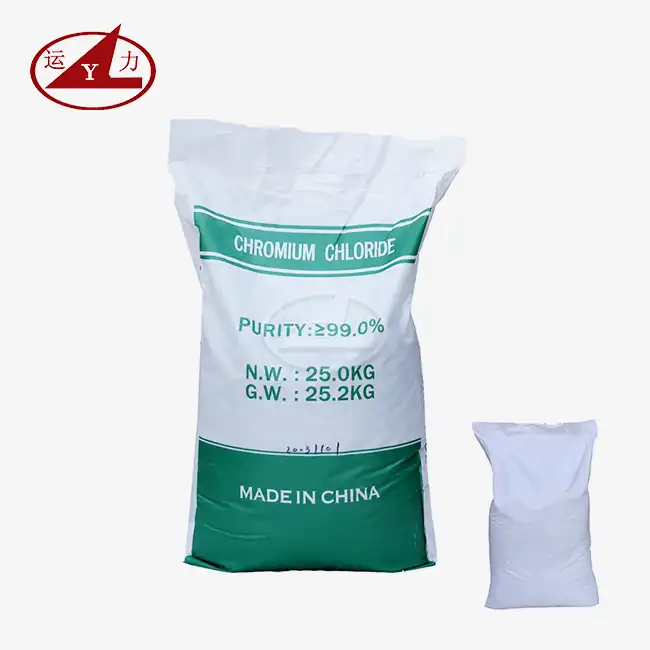
Our ISO 9001, ISO 14001, and OHSAS standards show that we take strict care of quality and the environment, which helps you meet your responsibilities under global regulatory frameworks. Since we are a manufacturer of Chromium Chloride Hexahydrate and offer factory-direct pricing and self-operated export, we don't have to pay markups to middlemen. We also keep our supply chains stable with RMB 300 million in fixed assets. Our production is flexible enough to meet a wide range of needs, including normal 25 kg bags, IBC containers, and custom aqueous solutions. There is no minimum order quantity, and tests up to 500 grams are free of charge. You can email our technical team at wangjuan202301@outlook.com to get detailed COAs, set up site audits, or talk about your specific purity needs.
References
1. American Chemical Society. "Reagent Chemicals: Specifications and Procedures for Chromium Compounds." ACS Monograph Series, 11th Edition, 2017.
2. Zhang, L. and Chen, W. "Analytical Methods for Trivalent Chromium Determination in Electroplating Solutions." Journal of Industrial Chemistry, Vol. 45(3), 2020, pp. 234-248.
3. European Chemicals Agency. "Guidance on Requirements for Substances in Articles: Chromium(III) Compounds." ECHA Technical Report, 2021.
4. Singh, R. et al. "Impact of Heavy Metal Impurities on Chromium-Based Catalyst Performance." Catalysis Today, Vol. 312, 2018, pp. 89-102.
5. International Organization for Standardization. "ISO 11084: Analysis of Inorganic Chromium Salts—Determination of Purity and Impurity Profiles." ISO Standards Collection, 2019.
6. Peterson, M. and Davidson, K. "Quality Control in Chemical Procurement: Best Practices for Industrial Buyers." Chemical Engineering Management Quarterly, Vol. 28(2), 2022, pp. 67-81.